May 1, 2026 | The Construction Industry
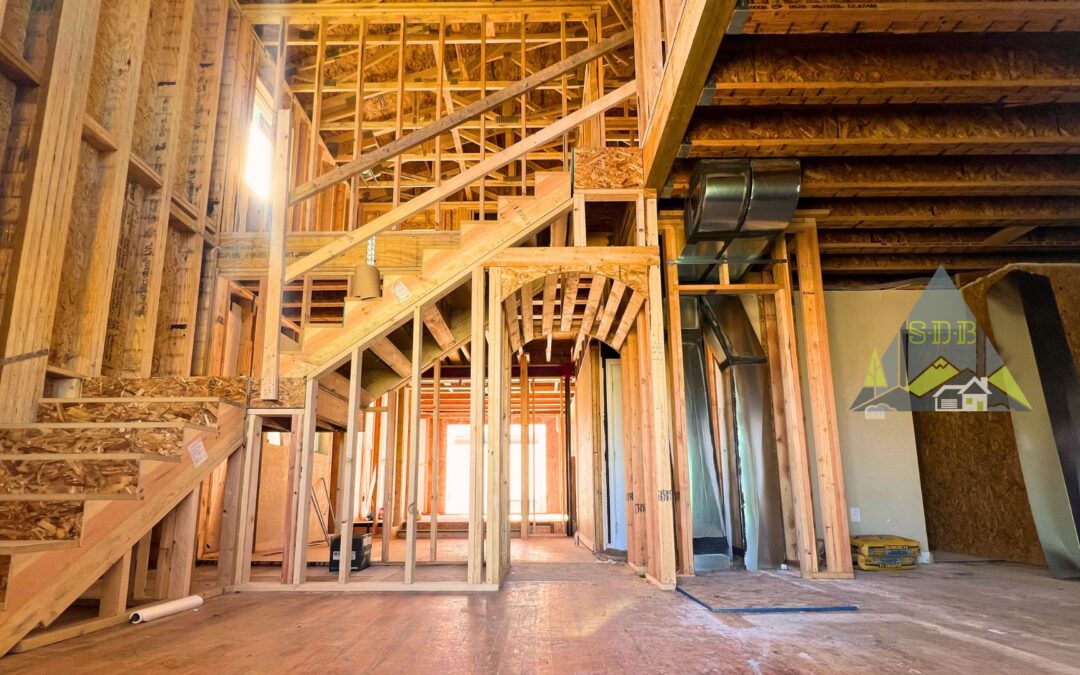
Homeowners often struggle with unclear pricing and timelines when starting a remodel. Sustainable Design Build addresses this by offering a Project Concept Service that delivers buildable plans, fixed costs, and realistic timelines early in the process. This approach reduces uncertainty and helps homeowners make informed decisions before construction begins.
Apr 30, 2026 | The Construction Industry
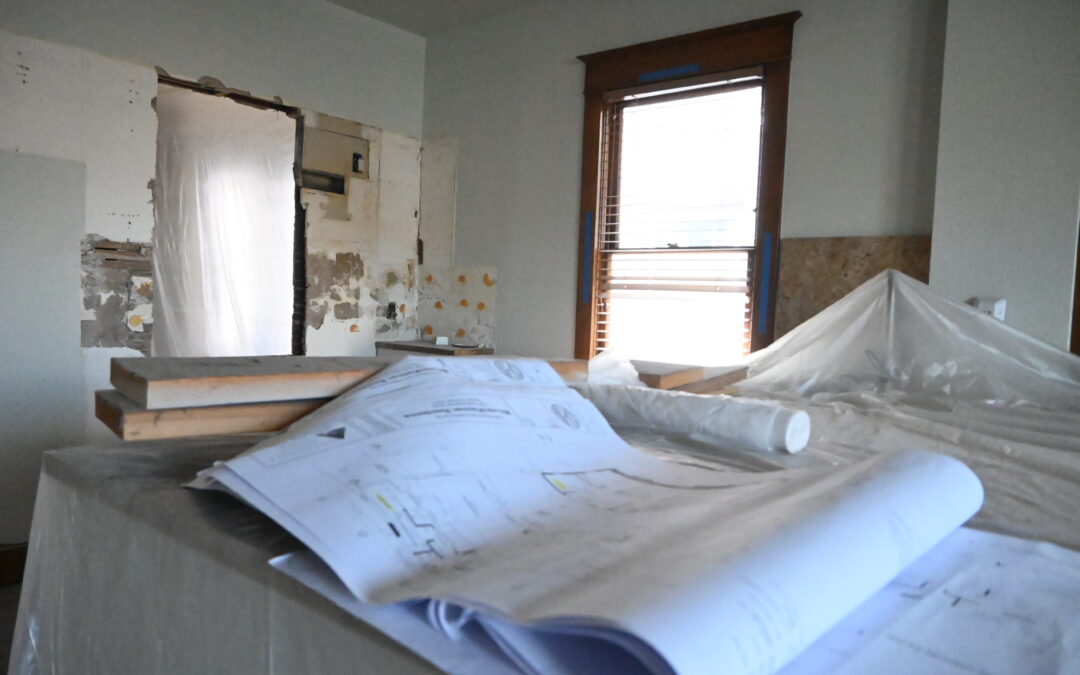
The most desirable home features in 2026 include exposed beams, brick accents, and character-driven design elements. However, incorporating these features into a remodel requires early planning, realistic budgeting, and structural feasibility. Sustainable Design Build’s Project Concept Service helps homeowners turn these ideas into buildable, clearly defined projects before construction begins.
Apr 29, 2026 | The Construction Industry
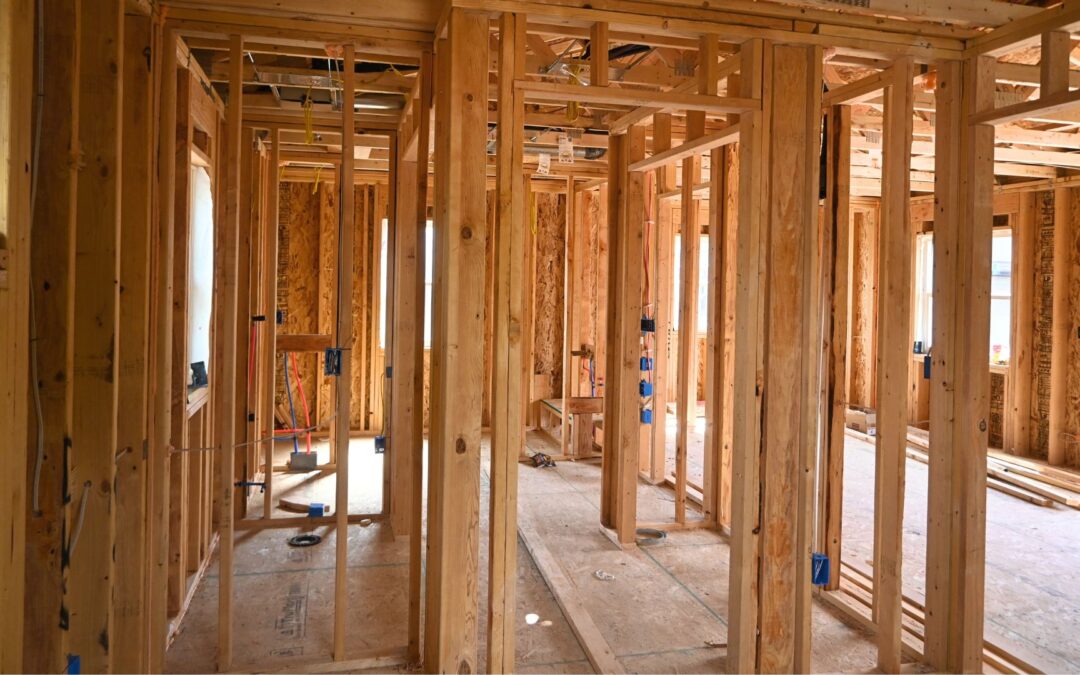
Homeowners in Denver are choosing home additions over moving to gain more functional space without leaving their neighborhood. A design-build approach simplifies the process by combining design and construction into one streamlined system, reducing costs, timelines, and miscommunication. Pop tops and bump-out additions are among the most effective ways to modernize older homes.
Apr 28, 2026 | The Construction Industry
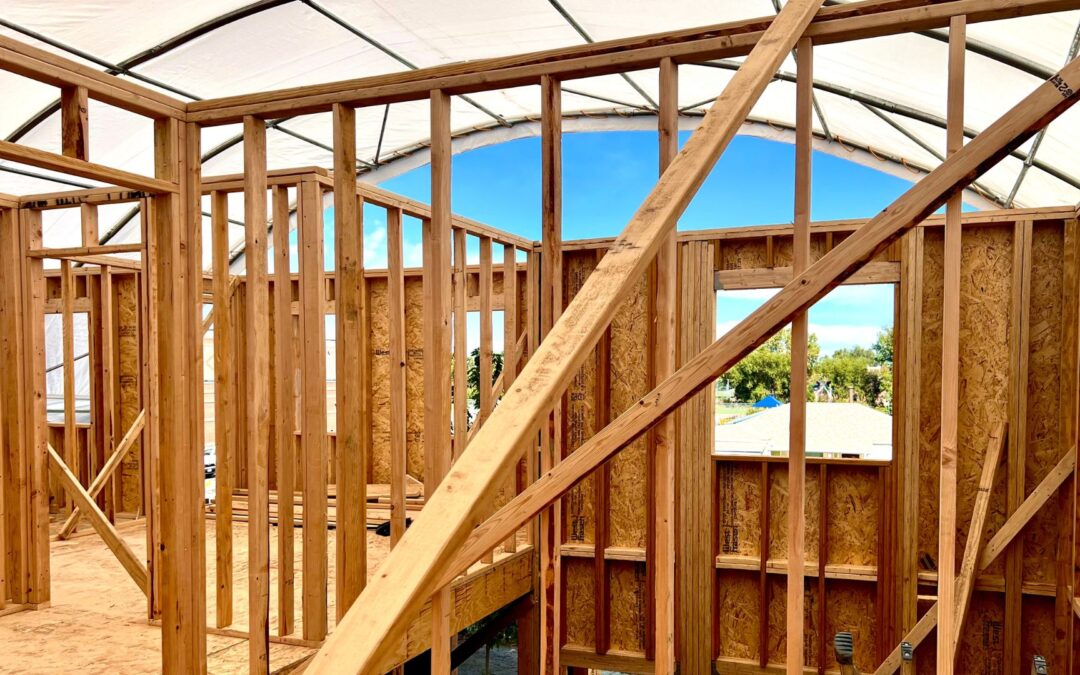
A Denver pop top project in 2026 typically takes 10 to 18 months from concept to completion, with permitting now the most unpredictable phase. New AI-driven systems and a 180-day review mandate aim to reduce delays, but homeowners should still plan for variability.

Apr 23, 2026 | The Construction Industry
AI is beginning to speed up Denver home remodel permits by identifying errors in plan submissions before they reach city reviewers. While it will not eliminate delays entirely, it helps reduce revision cycles, which is the biggest factor slowing approvals today.
Apr 22, 2026 | The Construction Industry
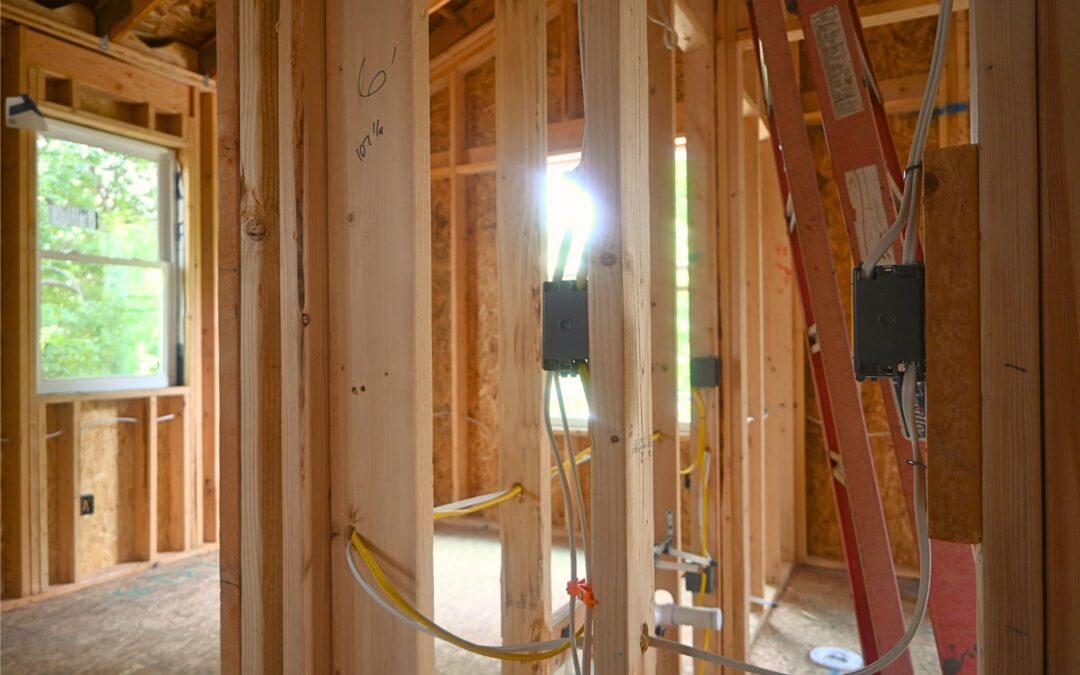
To get a permit approved faster in Denver, homeowners must submit complete, coordinated plans that meet code requirements on the first review. With the city introducing AI-assisted plan review and publishing real-time review timelines, preparation and design-build coordination are now the biggest factors in reducing delays.

Apr 21, 2026 | The Construction Industry
A Denver pop top or bungalow pop top addition in 2026 typically takes 10 to 18+ months, with permitting as the biggest variable. Denver’s Permitting Office (DPO) is introducing AI-powered plan review software to reduce delays, but projects with fully coordinated design-build plans move fastest through approvals.
Apr 17, 2026 | The Construction Industry
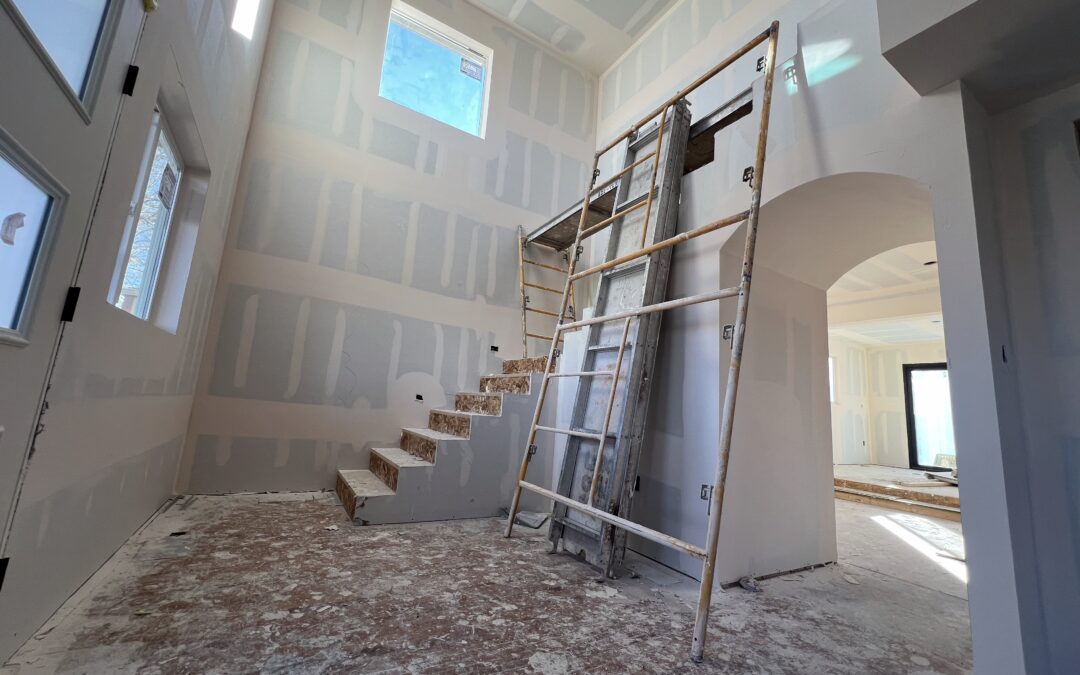
Denver has approved a $4.6 million contract with ComplyAI to implement CivCheck, an AI-powered tool designed to streamline building permit reviews. The system aims to reduce delays by identifying code issues before submission, helping projects move through the approval process faster.
Apr 16, 2026 | The Construction Industry
Denver’s permitting process is becoming faster and more predictable thanks to the Denver Permitting Office (DPO), which has reduced review cycles, improved approval timelines, and introduced clearer guidance tools. These changes are helping homeowners and builders move projects forward with greater confidence and fewer delays.
Apr 14, 2026 | The Construction Industry
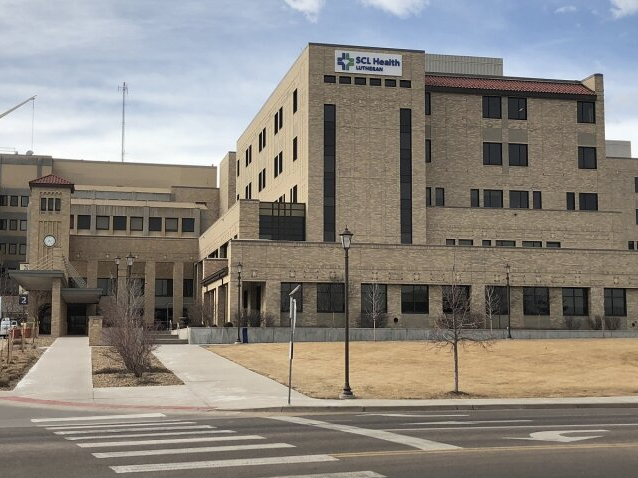
The former Lutheran Medical Center site in Wheat Ridge is being redeveloped into a large-scale mixed-use community with 1,500 housing units and retail space. This transformation reflects broader Denver-area demand for housing density, adaptive reuse, and master-planned community development.

Apr 13, 2026 | The Construction Industry
The Colorado Rockies’ new ownership investment signals more than a shift in baseball operations. It has the potential to drive long-term growth in surrounding Denver neighborhoods, increasing property values, development activity, and demand for residential upgrades. As areas near Coors Field evolve, homeowners may see new opportunities to remodel, expand, or rebuild to match rising market expectations.
Apr 10, 2026 | The Construction Industry
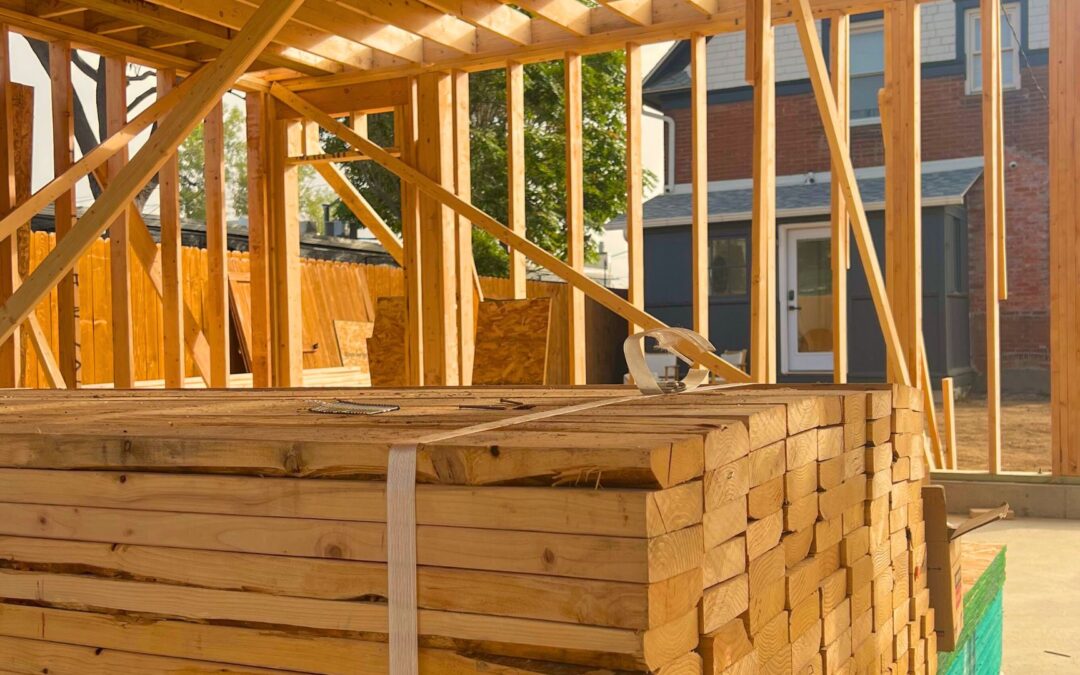
Value engineering in residential construction is the process of improving a project’s design, materials, and methods to increase value without sacrificing quality. It helps homeowners balance cost, performance, and long-term durability. In Denver and similar markets, it plays a critical role in making construction projects more efficient and financially sustainable.
Apr 9, 2026 | The Construction Industry
Value engineering in residential construction is the process of improving a project’s design, materials, and methods to increase value without sacrificing quality. It helps homeowners balance cost, performance, and long-term durability. In Denver and similar markets, it plays a critical role in making construction projects more efficient and financially sustainable.
Mar 17, 2026 | The Construction Industry
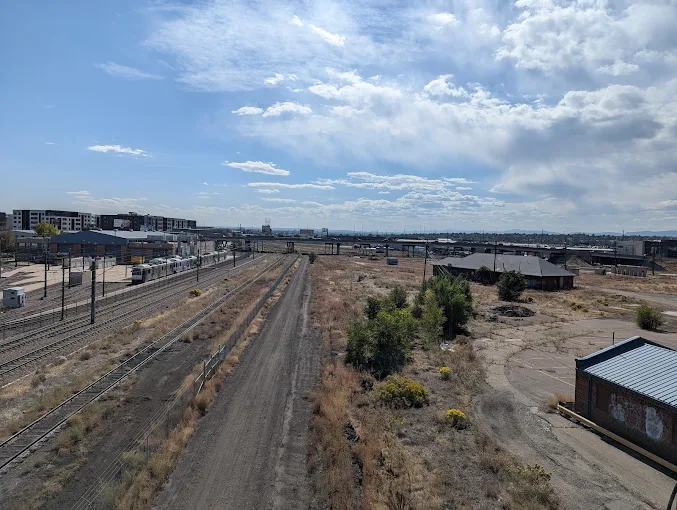
Converting a garage ADU is one of the most efficient ways to add rental income or additional living space to a property. Garage ADU projects typically cost $100,000 to $150,000+, take 5 to 9 months, and require zoning approval, structural upgrades, and building permits. When completed properly, a garage ADU can significantly increase property value while maintaining the existing building footprint.
Jan 8, 2026 | The Construction Industry
In 2026, Denver homeowners planning home additions, ADUs, or major remodels should expect residential permit timelines approaching 180 days under the City of Denver’s updated permitting goals. While the Denver Permitting Office has introduced new benchmarks to reduce historic delays, high application volume and project complexity continue to affect approval timelines. Understanding current averages, review stages, and how to plan ahead remains essential for keeping large residential construction projects on schedule.
Nov 4, 2025 | The Construction Industry
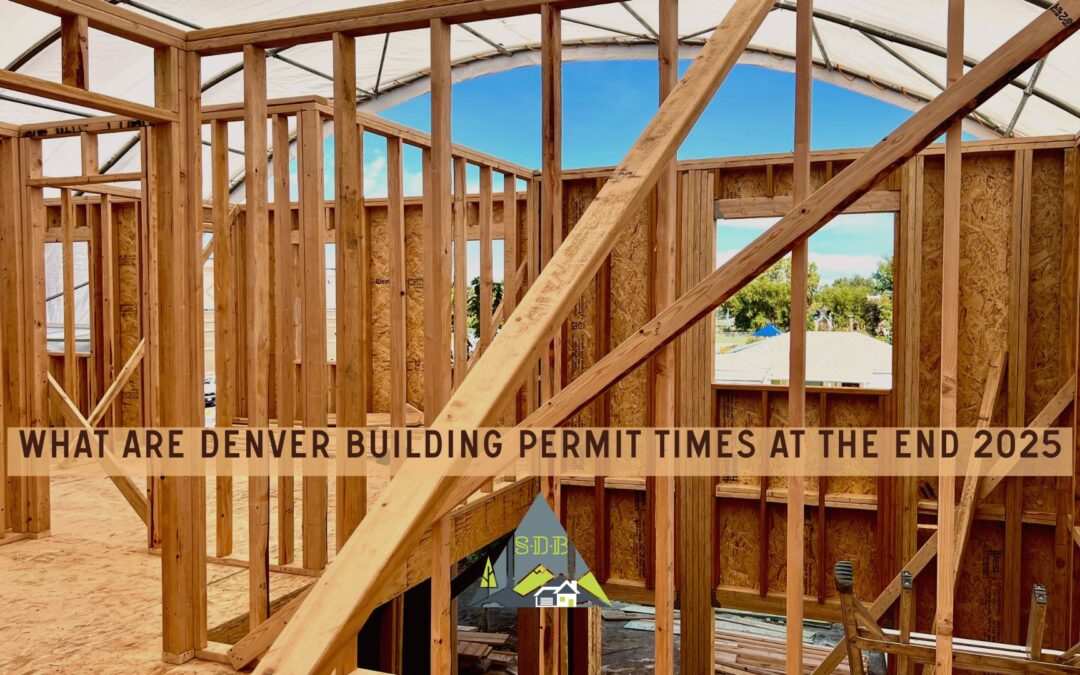
As of 2025, the City and County of Denver has overhauled its permitting system to reduce approval times that once exceeded 300 days. The new Denver Permitting Office (DPO) now targets a 180-day review period, adds public tracking dashboards, and streamlines coordination among city departments. This means faster approvals and clearer timelines for homeowners and builders planning remodels, additions, or custom homes with firms like Sustainable Design Build (SDB).
Oct 15, 2025 | The Construction Industry
As the Denver Broncos pursue success on the field this fall, an equally ambitious project is beginning to take shape off it. The team’s ownership, led by CEO Greg Penner, recently confirmed that planning is underway for a state-of-the-art stadium and entertainment district at Burnham Yard, signaling one of the city’s most transformative developments in recent years.
Oct 13, 2025 | The Construction Industry
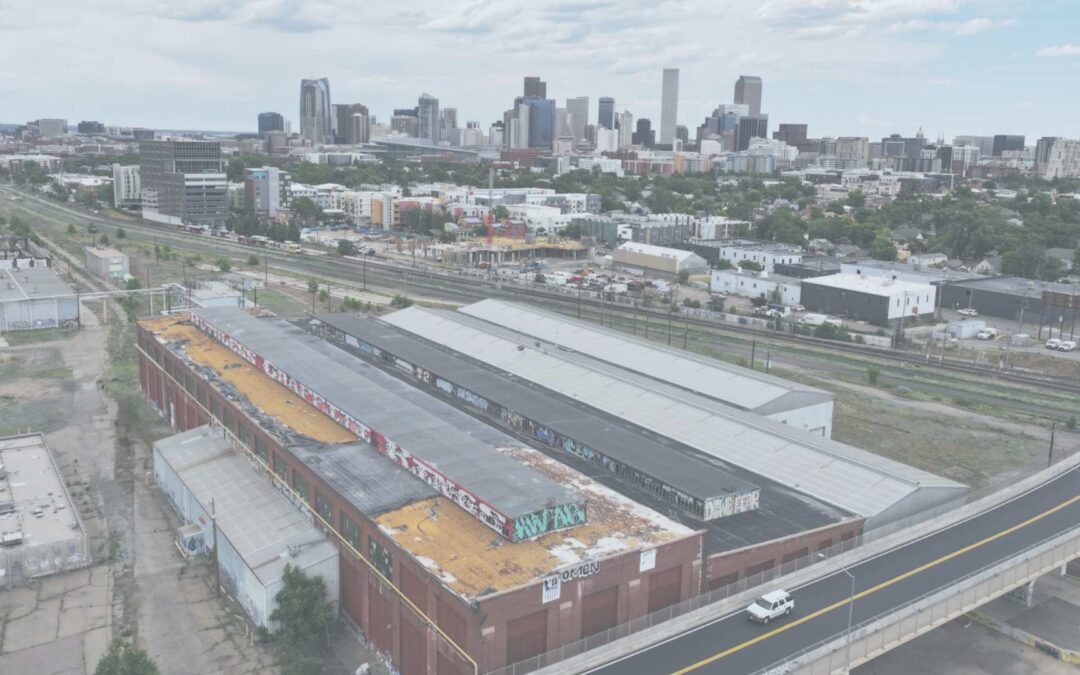
As the Denver Broncos pursue success on the field this fall, an equally ambitious project is beginning to take shape off it. The team’s ownership, led by CEO Greg Penner, recently confirmed that planning is underway for a state-of-the-art stadium and entertainment district at Burnham Yard, signaling one of the city’s most transformative developments in recent years.

Oct 9, 2025 | The Construction Industry
In late September 2025, the federal government announced new tariffs on imported lumber and wood products under Section 232 of the Trade Expansion Act. According to Reuters, the new policy includes a 10% tariff on imported lumber and up to a 25% tariff on cabinets, vanities, and wood furniture, taking effect October 14, 2025.
Sep 3, 2025 | The Construction Industry
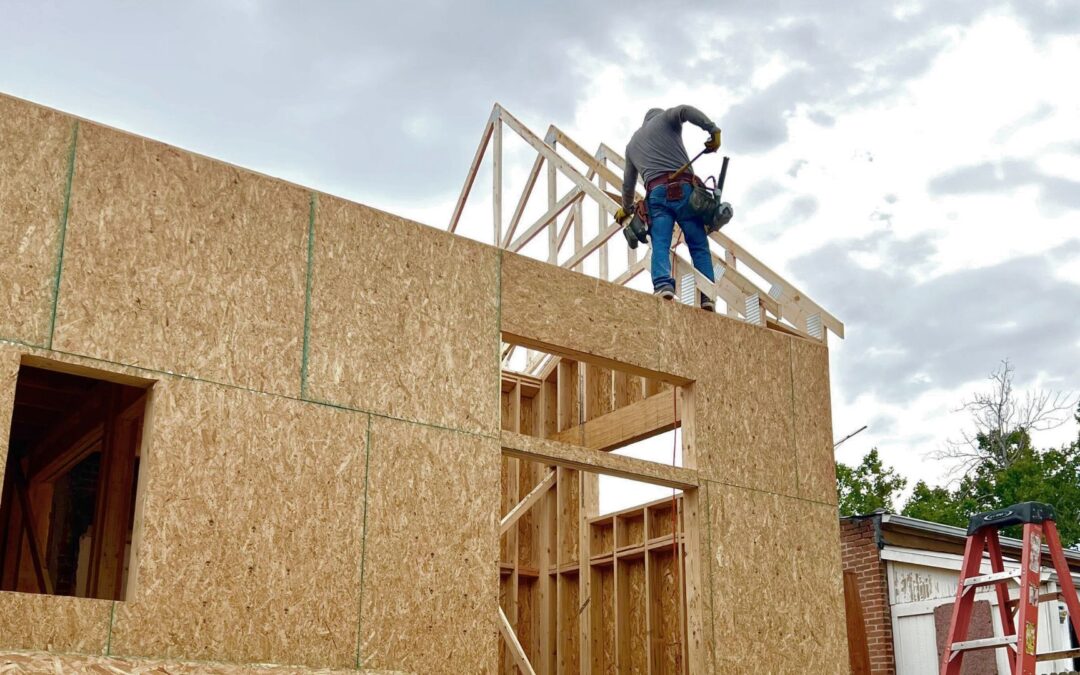
The new building code will raise energy efficiency standards for all new homes, additions, and ADUs in Denver. Projects must include tighter insulation, stronger air sealing, and modern electrical systems for heating and cooling. While this can increase upfront costs, the goal is to lower utility bills over time and create healthier, more resilient homes.
Jul 29, 2025 | The Construction Industry
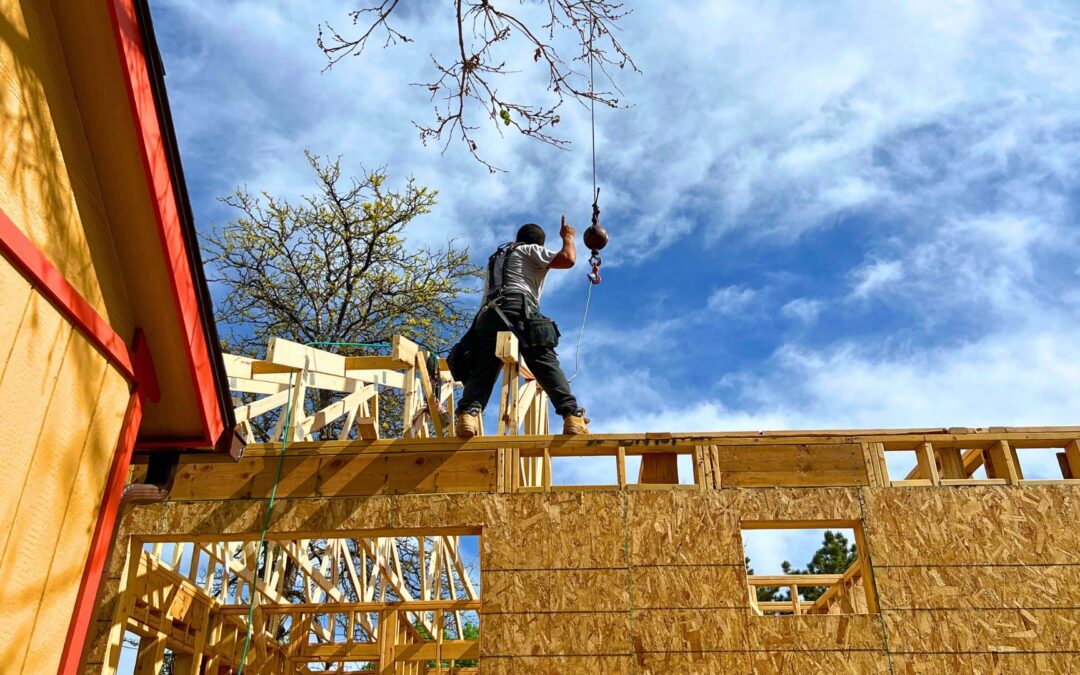
Why Building a Home Addition Might Be Smarter Than Buying in Today’s Market. With limited choices staying in your home today might be best.
Jul 24, 2025 | The Construction Industry
Big changes are coming to central Denver—and they might just be the spark that ignites a new wave of home improvement and custom home building across neighborhoods like Lincoln Park, Baker, and Sun Valley.
Jul 18, 2025 | The Construction Industry
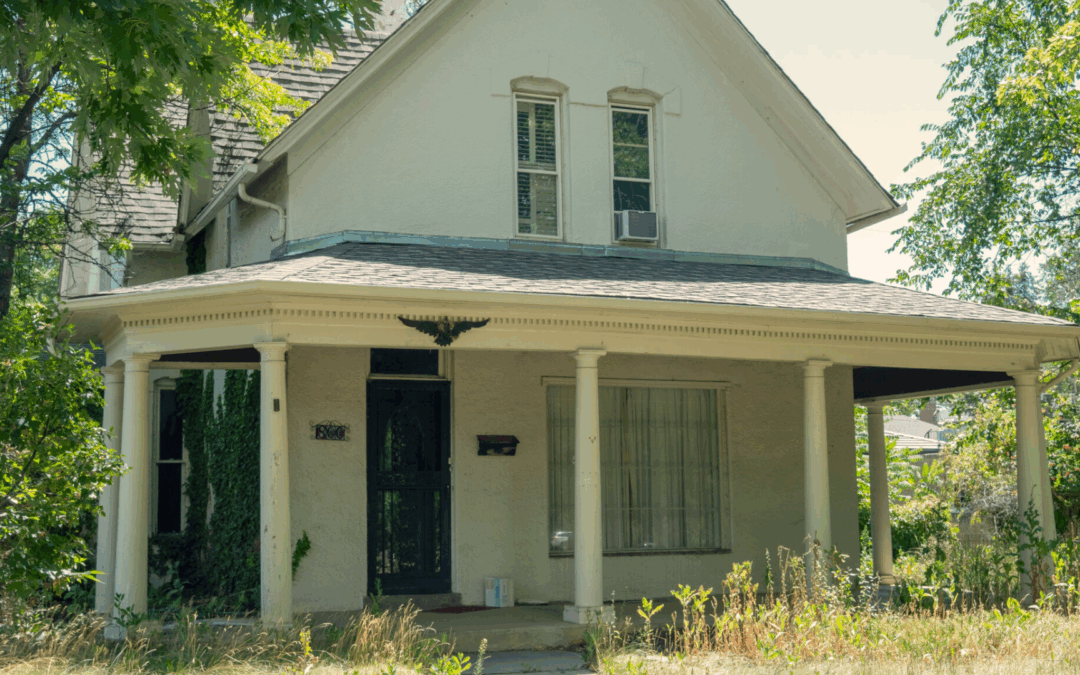
When Tony and Robin Kohake purchased the corner-lot property at 800 S. Franklin St. in Denver, they had a clear vision: tear down the aging 1890 structure and build a Tudor-style home where they could raise their four kids with a spacious backyard in Washington Park. But like many homeowners hoping to build a custom home, ADU, or major addition in Denver, they quickly discovered that a clear vision doesn’t always mean a clear path.
Jul 17, 2025 | The Construction Industry
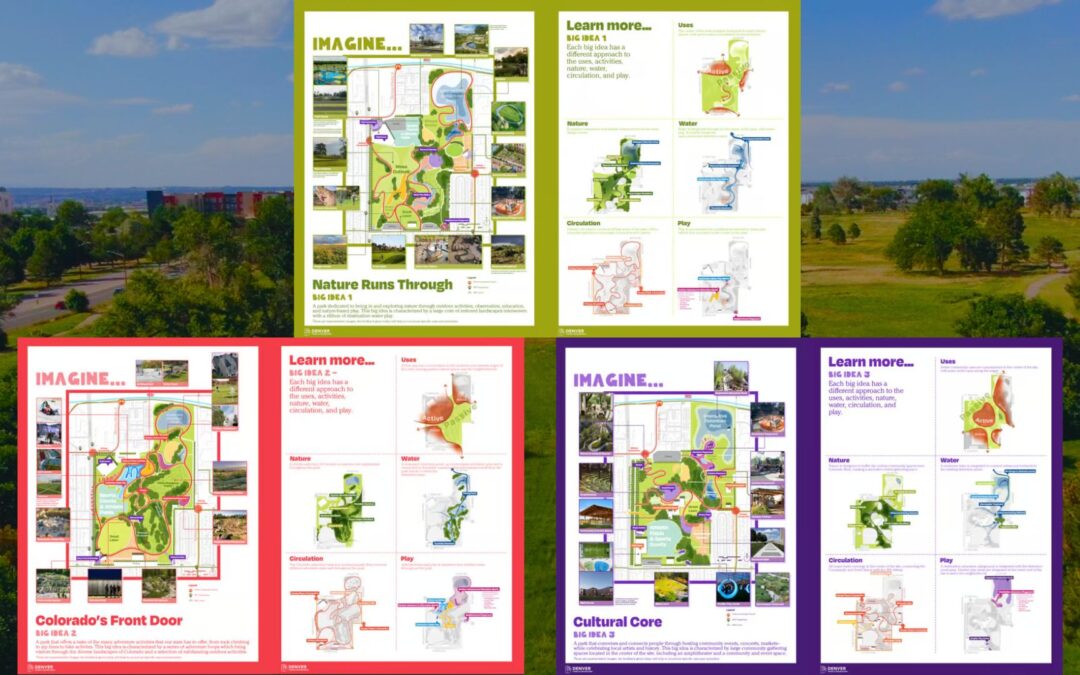
Big changes are coming to Denver’s historic Park Hill Park and neighborhood—and they’re not just happening on city land. The long-disputed 155-acre Park Hill Golf Course site is being reimagined as a vibrant community park, thanks to a citywide visioning effort by Denver Parks and Recreation. With three inspiring concepts on the table—“Nature Runs Through,” “Colorado’s Front Door,” and “Cultural Core”—the project has the whole city dreaming.
Jun 10, 2025 | The Construction Industry
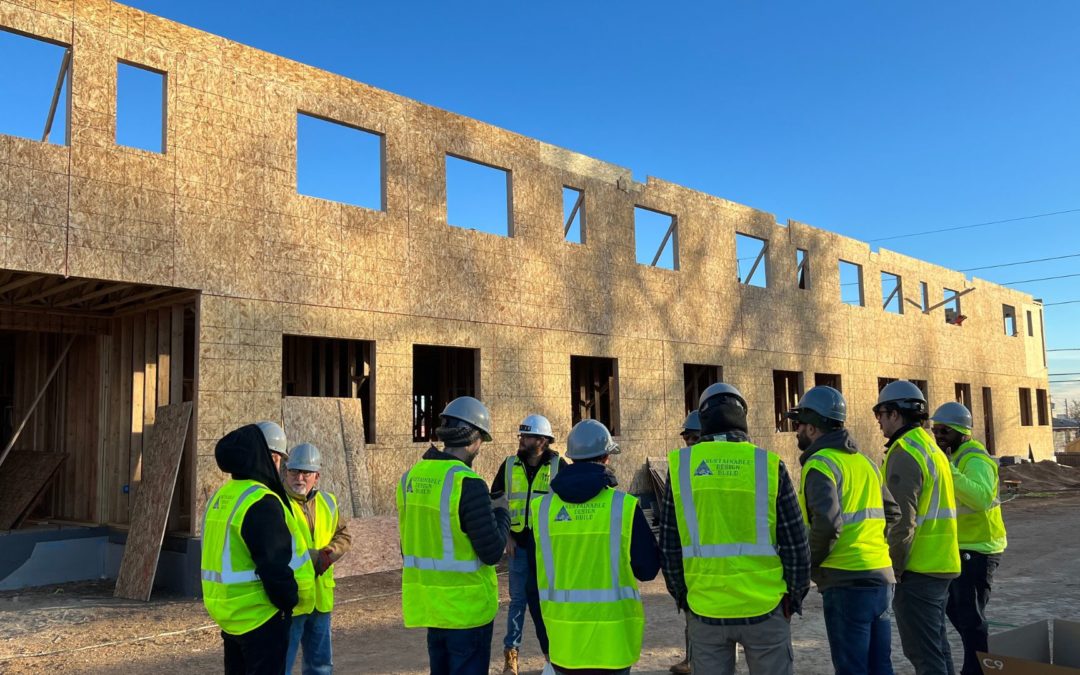
As the City and County of Denver prepares to introduce new policy changes within its Permitting Office, leadership is undergoing a significant transition. Brad Buchanan, former head of Denver’s Community Planning and Development under Mayor Michael Hancock, has been appointed as the interim planning director by Mayor Mike Johnston. Buchanan currently serves as the CEO of the National Western Center Authority and will continue in that role while guiding the city’s planning department. His return follows the resignation of planning director Manish Kumar, who stepped down after just 13 months, stating he had completed his intended goals for the department.
Jun 9, 2025 | The Construction Industry
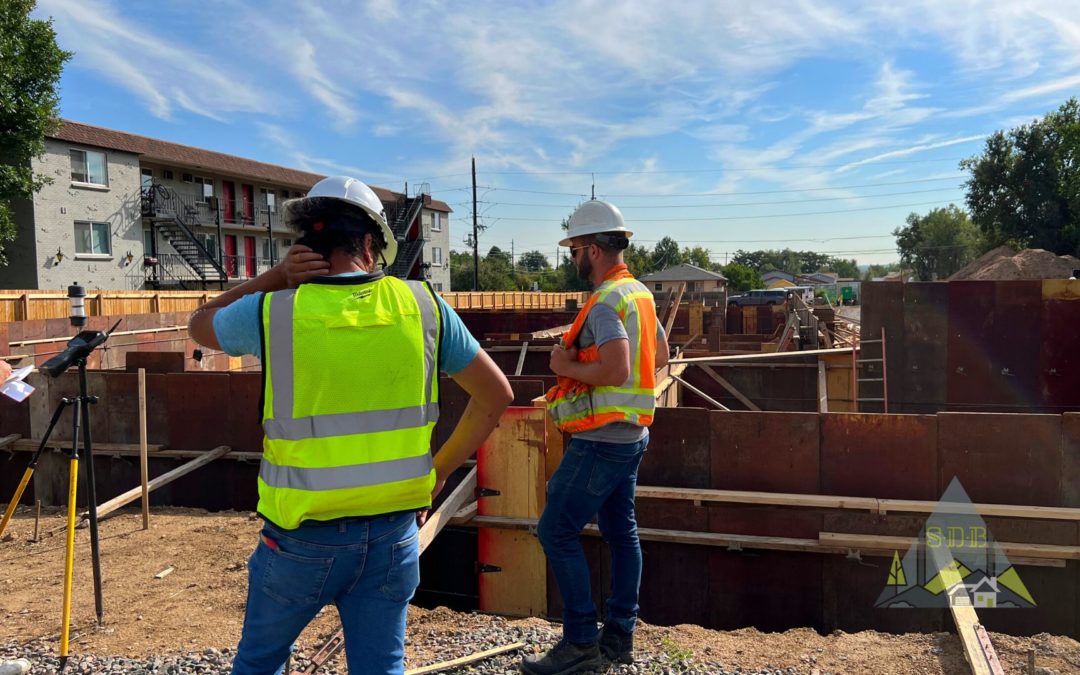
In an exciting move that signals major change for construction in the city, Denver has launched a new Permitting Office aimed at cutting through red tape and dramatically improving the experience of those seeking to build or renovate within city limits. Introduced by Mayor Mike Johnston and launched in May, the Denver Permitting Office (DPO) now enforces a 180-day approval timeline for permits—backed by a refund pledge of up to $10,000 if the city fails to meet its deadlines. While much of the initial coverage highlighted the benefits for large-scale commercial development, the real game-changer lies in how these reforms also open new doors for residential homeowners.
Jun 2, 2025 | The Construction Industry
A new Whole Foods Market is coming to Denver’s Central Park neighborhood — a 40,000-square-foot grocery store planned for the corner of Central Park Boulevard and 40th Avenue. This development marks a significant milestone for northeast Denver, especially as it brings a nationally recognized grocer into an area already experiencing strong residential and commercial momentum.
May 15, 2025 | The Construction Industry
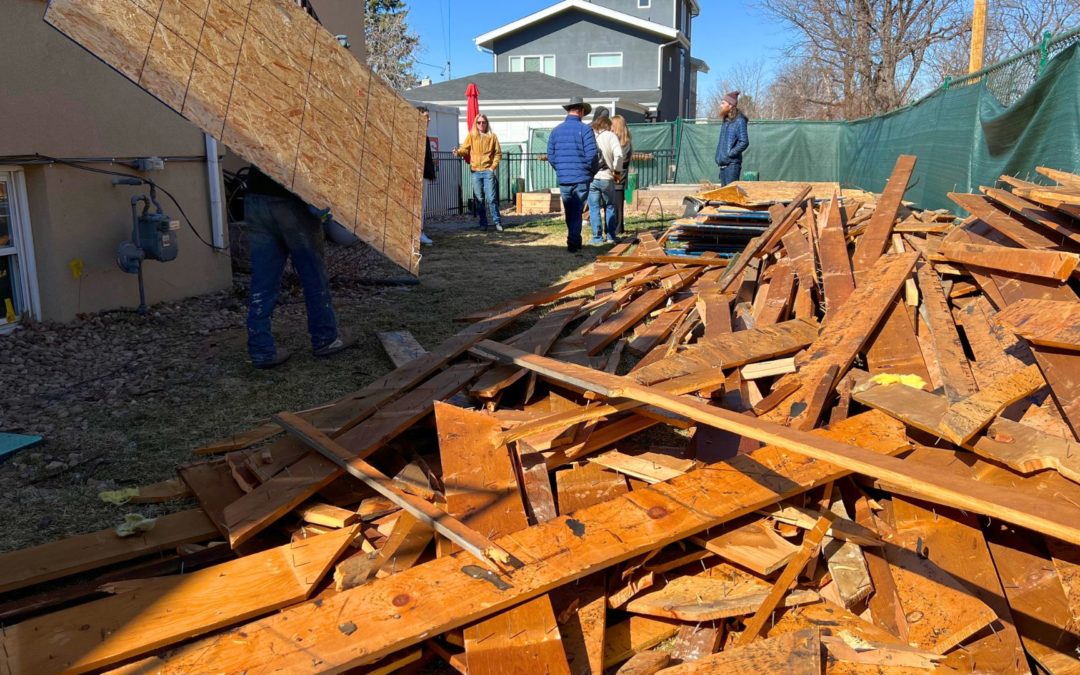
In November 2022, Denver voters approved the “Waste No More” ordinance (Initiated Ordinance 306), mandating comprehensive recycling and composting practices across various sectors, including construction and demolition (C&D) projects. This initiative aims to significantly reduce landfill waste and promote sustainable building practices throughout the city.
May 14, 2025 | The Construction Industry
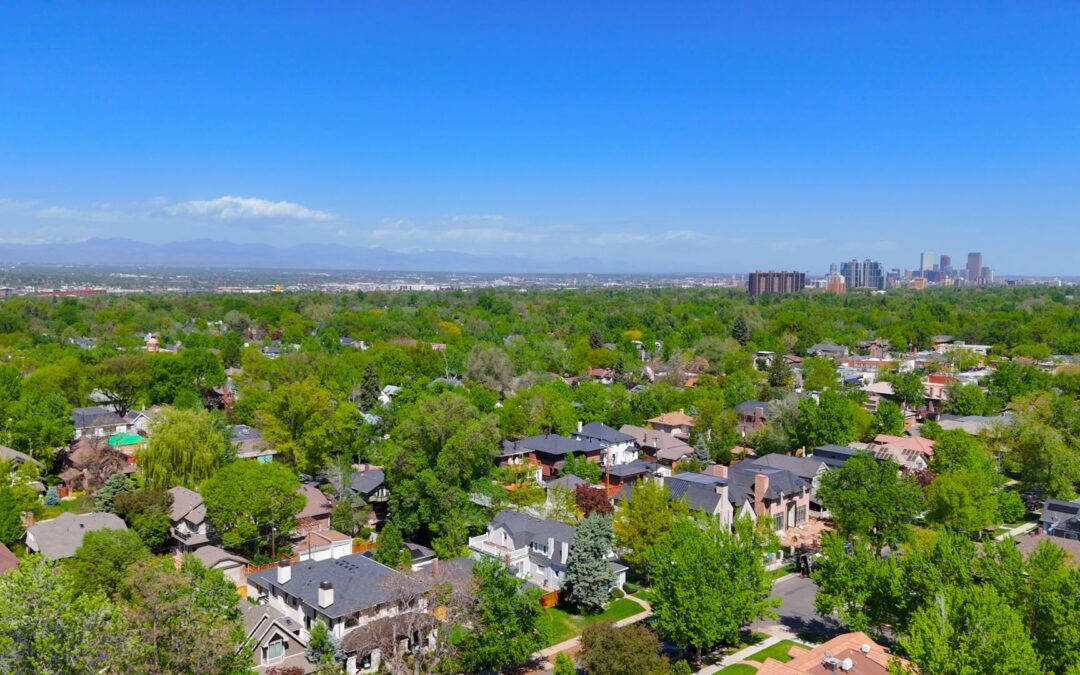
Denver’s parks and recreation department wants the former Park Hill golf Course to open as a park this Summer. Following Denver City Council’s decision to approve a land swap agreement on Monday, Westside Investment Partners and the city will deliver a new regional park for the surrounding community.
Apr 28, 2025 | The Construction Industry
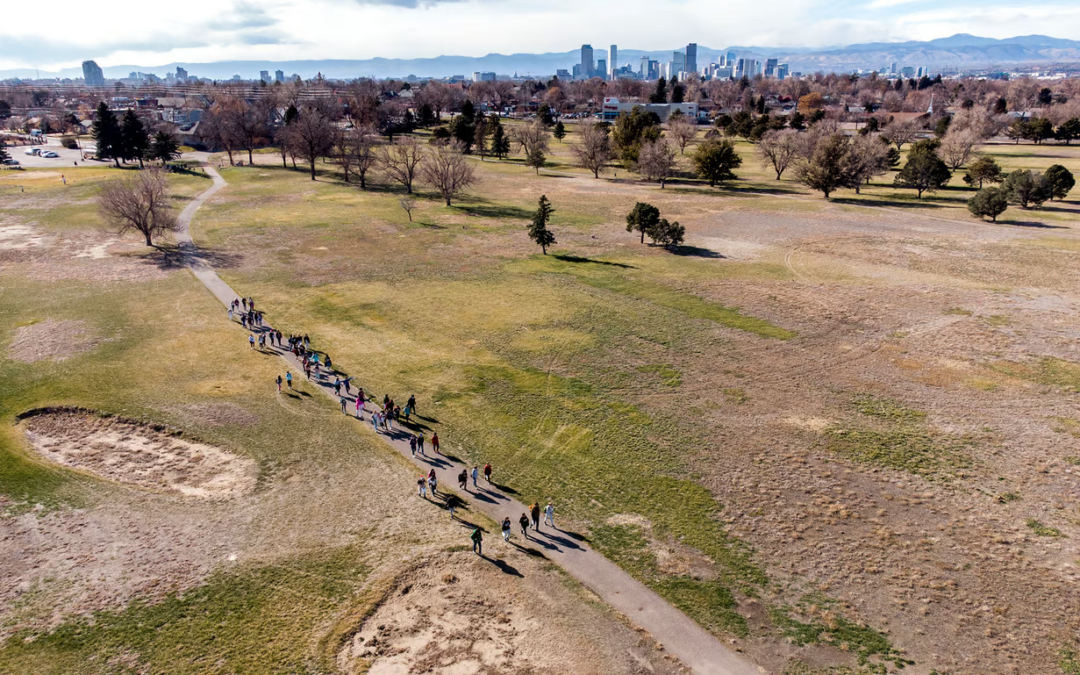
The City of Denver is moving forward with a landmark plan to transform the former Park Hill Golf Course into a large public park through a land swap agreement with Westside Investment Partners. This decision follows years of legal and political battles over the site’s future, with strong public support favoring the preservation of open space. Under the proposed agreement, the city would trade a similarly valued parcel near Denver International Airport to gain control of the 155-acre property, paving the way for rezoning, park planning, and eventual development. While the initiative represents a major investment in green infrastructure and community recreation, city officials are also weighing concerns about potential gentrification and displacement in surrounding neighborhoods.


Recent Comments