Denver Home Addition Contractor
Sustainable Design Build is a leading home addition contractor in Denver, CO, offering full-service design-build construction from planning through completion. With extensive experience navigating Denver zoning requirements and permitting, the team specializes in custom home additions tailored to each property, including pop tops, bump-outs, and full-scale expansions. Through a streamlined design process with architects and interior designers, Sustainable Design Build helps homeowners plan and visualize the ideal addition before construction begins. The company delivers efficient, transparent construction that expands living space and increases long-term property value.
Schedule Your Consultation
Connect With Us
What is a Home Addition and Is it Right For You?
A home addition is a construction project that expands the existing footprint or livable space of a house by building outward, upward, or reconfiguring interior space. Home additions are commonly used to add bedrooms, enlarge kitchens or living areas, or create functional spaces like home offices without the need to relocate.
For many homeowners planning a home addition in Denver, expanding an existing home becomes the preferred solution when space no longer meets daily needs. Growing households often require additional bedrooms or flexible living areas, while others choose to improve layout and functionality. In a competitive housing market like Denver, adding onto an existing home can also help homeowners avoid the costs, timing challenges, and uncertainty of moving. Well-planned home additions can also increase long-term property value by enhancing usable square footage and overall appeal.
Denver presents a unique set of considerations that make home additions especially relevant. Many neighborhoods feature smaller lot sizes, which can limit outward expansion and make vertical additions, such as pop tops, more desirable. Local zoning regulations, setback requirements, and height restrictions also play a major role in determining what type of addition is possible. Additionally, Denver’s mix of older homes often requires thoughtful design to ensure new construction integrates seamlessly with the existing structure while meeting current building codes.
Understanding these factors early in the planning process helps determine whether a home addition is the right fit and what type of expansion will provide the most value for your property.
What Types of Home Additions Are There?
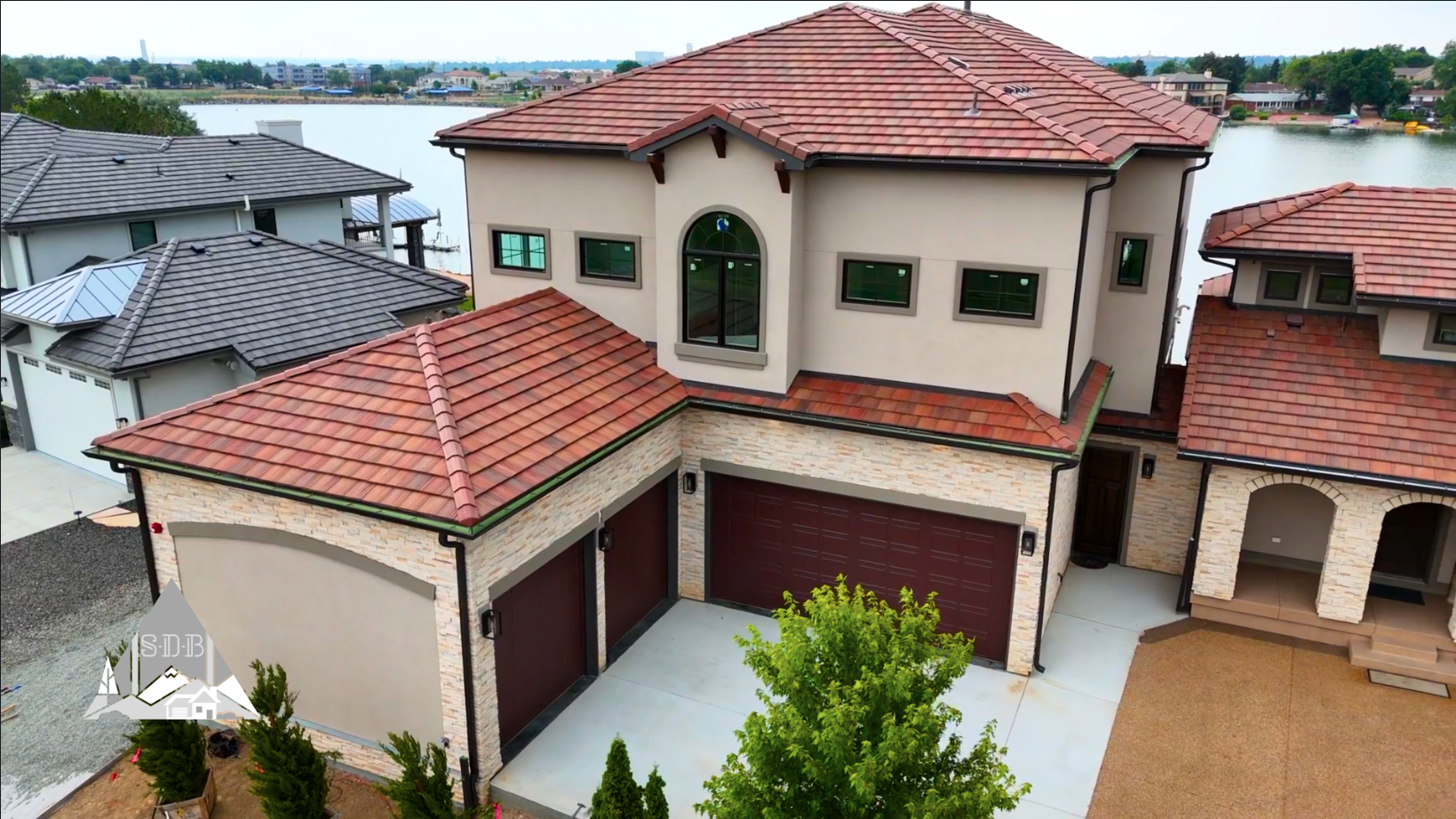
The most common types of home additions in Denver include pop top additions, bump-out expansions, and full home additions. Each option offers different benefits depending on the property layout, lot size, and local zoning regulations.
Each type of home addition serves a different purpose, and the right choice depends on the home’s structure, lot limitations, and long-term goals. In Denver, zoning requirements and neighborhood conditions play a key role in determining what is possible, making it important to plan strategically to maximize space and property value.
Types of Home Additions in Denver
Pop Top Additions
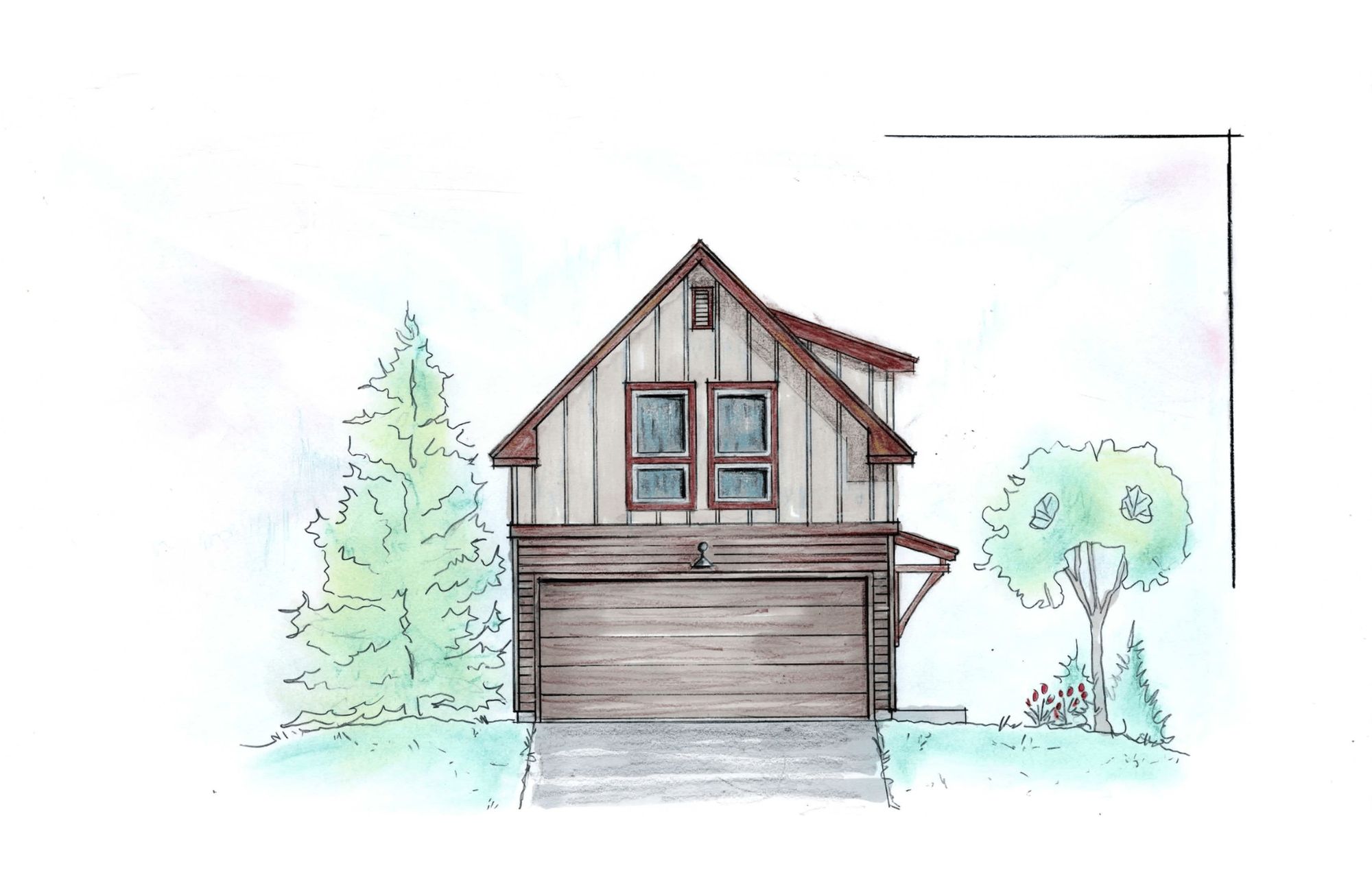
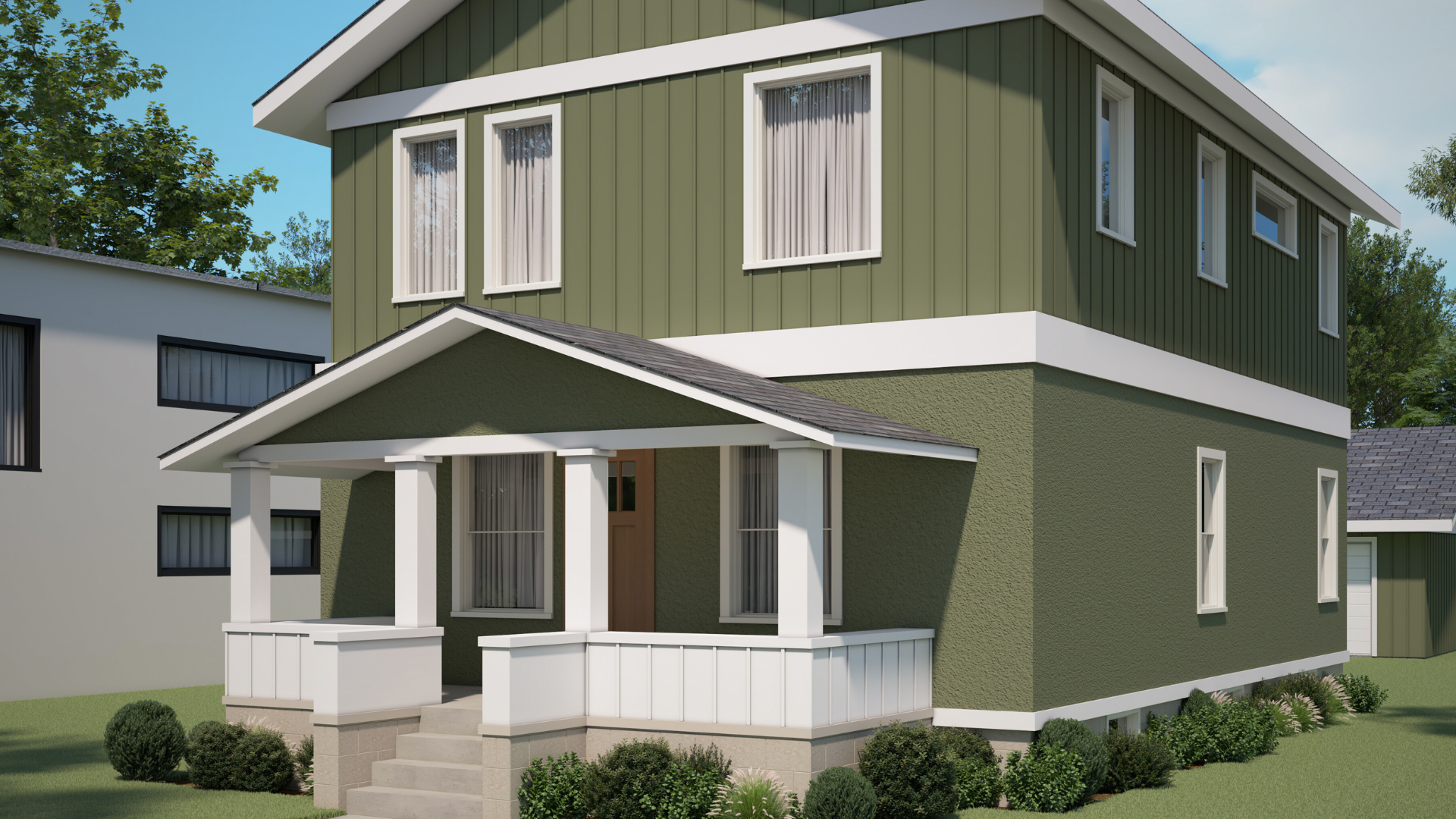
Pop top additions involve building a second story onto an existing home, making them a popular solution in Denver neighborhoods with limited lot space. Instead of expanding outward, homeowners build upward to significantly increase square footage. This option is often used to add multiple bedrooms, bathrooms, or a primary suite while maintaining the existing footprint of the home.
Bump Out Additions
Bump-out additions are smaller-scale expansions that extend a specific room, such as a kitchen, bathroom, or living area. These additions are typically more cost-effective than full expansions and can dramatically improve functionality without requiring major structural changes. Bump-outs are ideal for homeowners who need additional space without committing to a full addition.
Full Home Additions
Full home additions expand the footprint of a house by adding entirely new rooms or sections. These projects can include additional bedrooms, expanded living areas, or multi-room extensions that integrate seamlessly with the existing structure. Full additions offer the most design flexibility but require careful planning to align with zoning regulations and lot constraints in Denver.
The Design-Build Process for Home Additions
The design-build process is a streamlined approach to home additions where a single team manages both the design and construction phases from start to finish. This method improves communication, reduces delays, and ensures the final result aligns with the original vision, budget, and timeline.
Going above and beyond, Sustainable Design Build has industry leading project management applications to better communicate and operate transparently. So clients will always know who, what, when, where, and why anything is happening for their home addition project.
Concept Designed To Deliver
Sustainable Design Build offers a comprehensive concept which guarantees homeowners answers and path forward to their home addition goals. Opposed to other traditional construction who offer simplistic estimates with no real measurements, SDB provide real and accurate pricing that is tethered to actionable layouts for lower upfront cost and faster delivery. This is an amazing value for those who do not want to commit to a lengthy and costly design package with an architect or other companies without guarantee of feasibility.
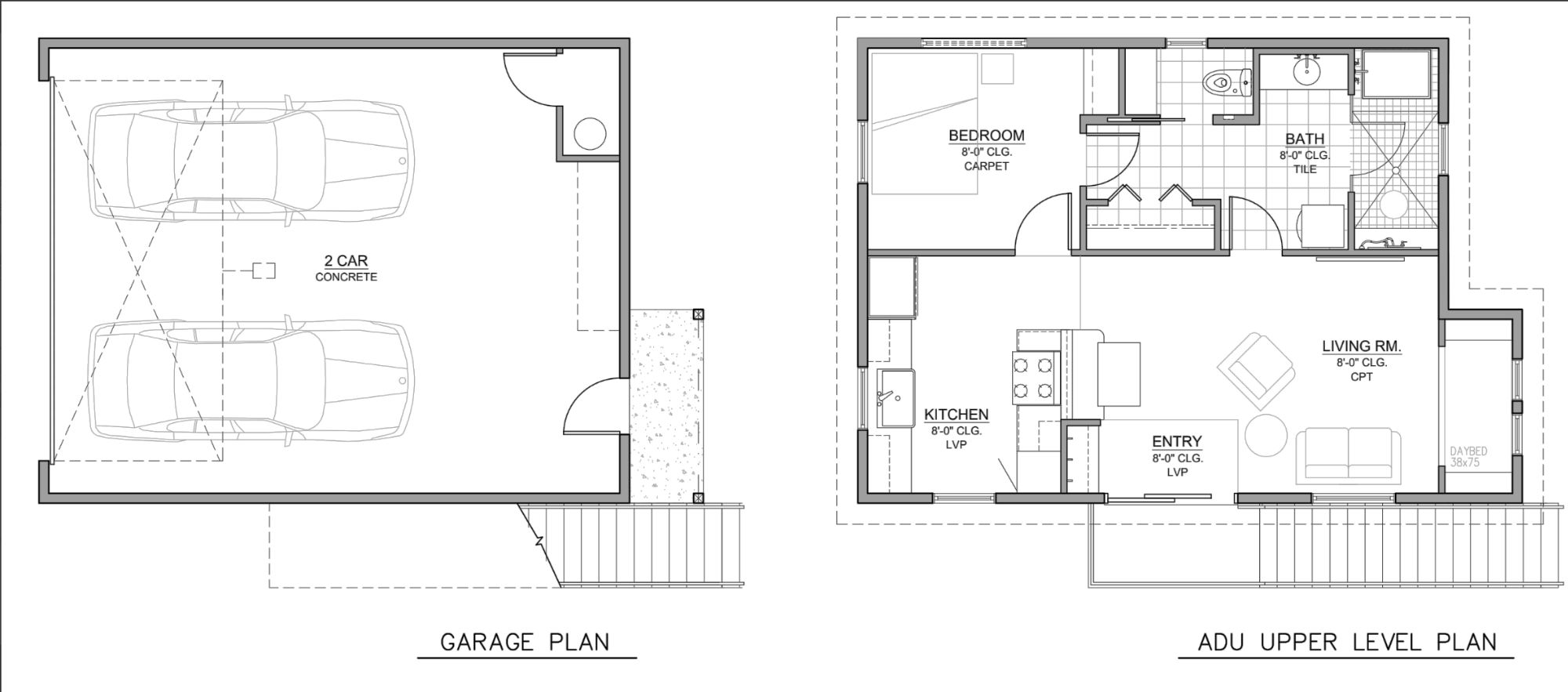
In-House Architectural Planning
Sustainable Design Build offers a comprehensive concept which guarantees homeowners answers and path forward to their home addition goals. Opposed to other traditional construction who offer simplistic estimates with no real measurements, SDB provide real and accurate pricing that is tethered to actionable layouts for lower upfront cost and faster delivery. This is an amazing value for those who do not want to commit to a lengthy and costly design package with an architect or other companies without guarantee of feasibility.
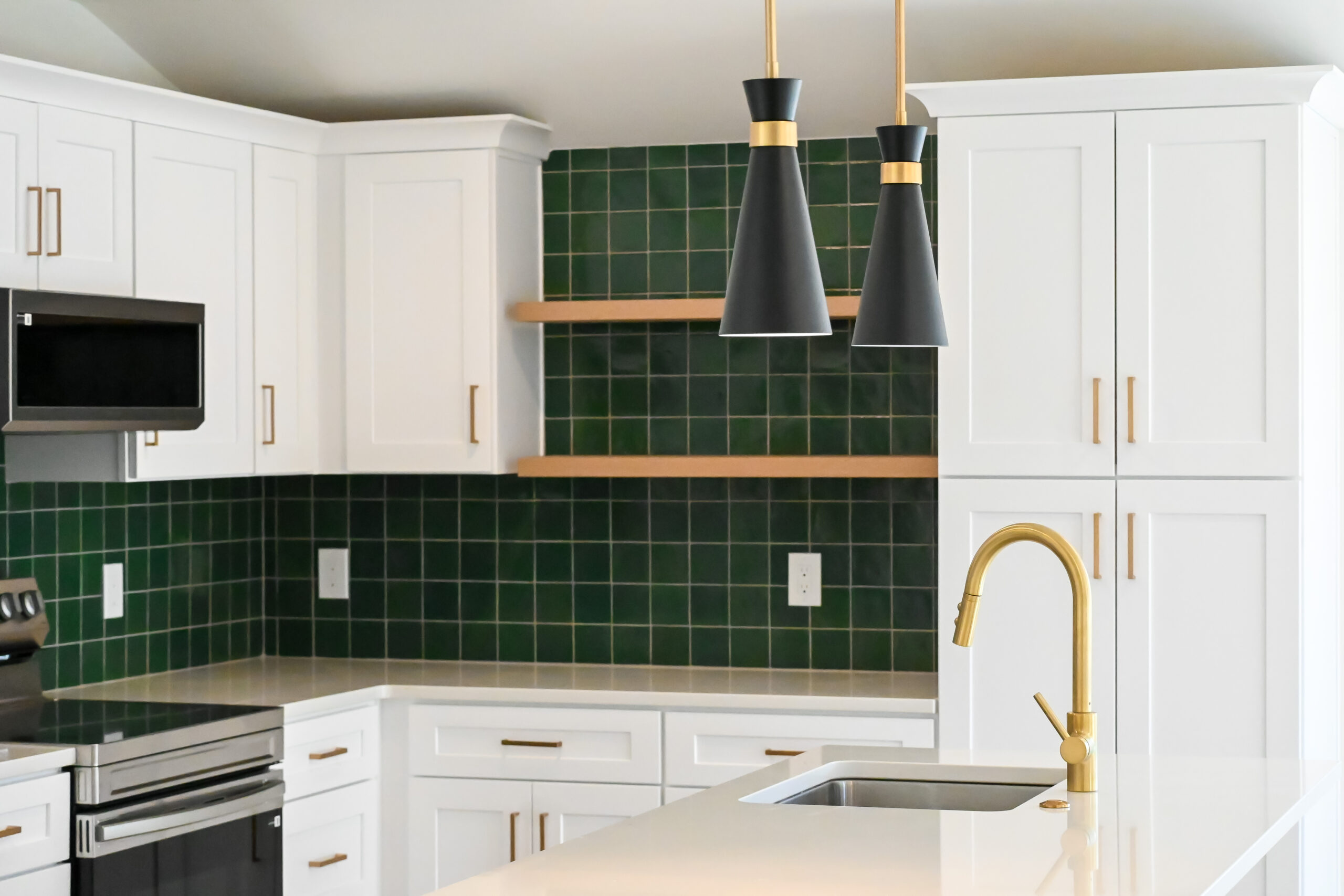
In-House Interior Design For ADUs
Sustainable Design Build provides in-house interior design for home additions, focusing on functional layouts, efficient storage solutions, and cohesive finish selections that complement the existing home. By integrating interior design into the design-build process, each addition is planned with intention, ensuring the new space aligns seamlessly with both the form and function of the original structure.
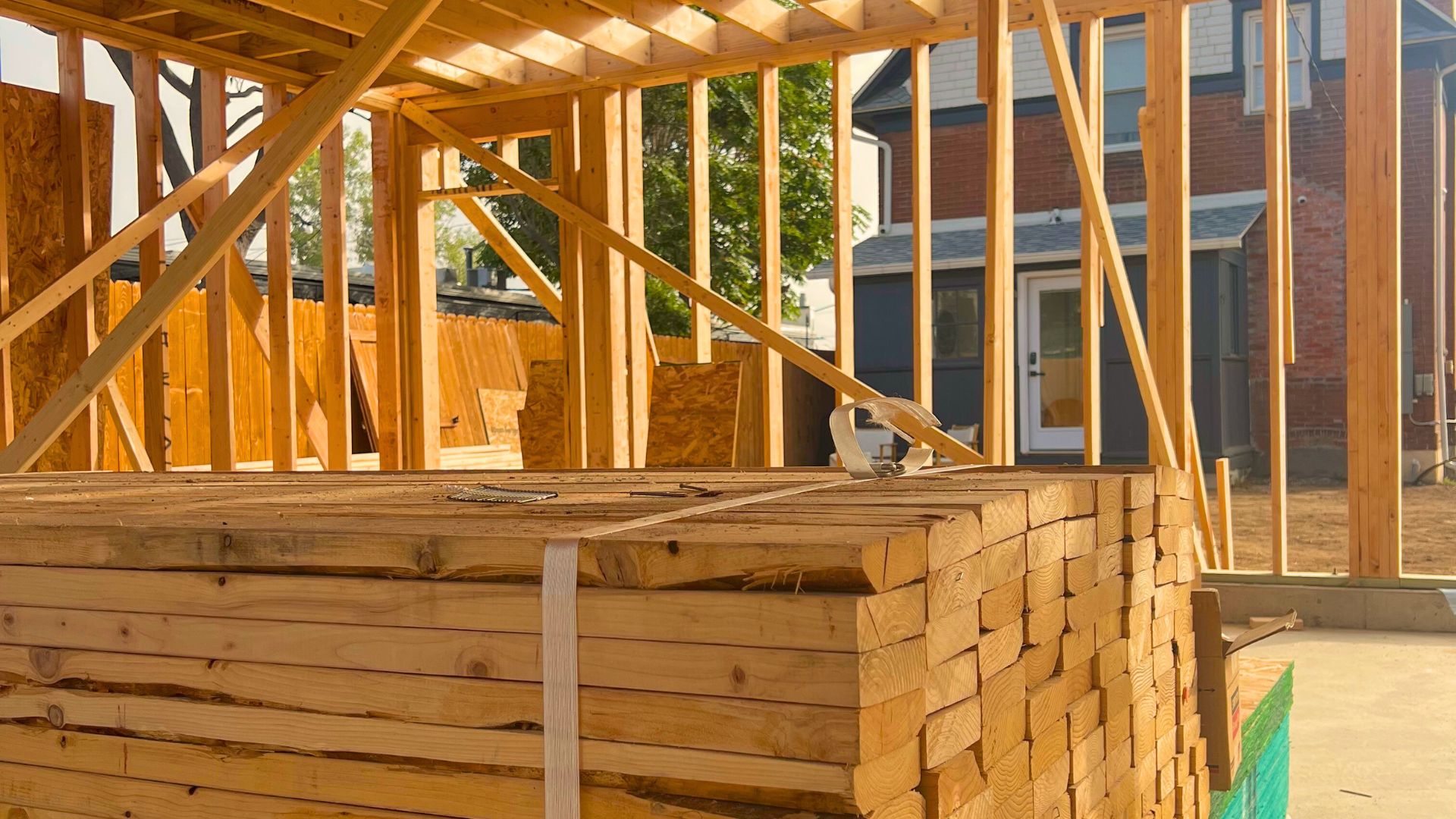
General Contracting and Project Management
Sustainable Design Build is a general contractor-led design-build firm, meaning every phase of a home addition project, from permitting through construction, is guided by practical experience and deep trade knowledge. With a single team managing the entire process, projects move efficiently, communication remains clear, and each stage is executed with consistent craftsmanship and attention to detail.
Construction Progress in Real Time
Sustainable Design Build offers the better service for your home’s project. With the Design-Build Process, you work directly with us as a single-point of contact. Through use of leading project management and construction applications, you will always have answers to what is happening in your project from scheduling, material orders, daily updates, and budget tracking.
Real-Time Schedules
View your project’s schedule and timeline on demand with our design-build process. Receive calendar updates via text and email. Even see how each action item is connected to the next, clearly displaying every single step leading your project’s completion.
On-Site Progress Updates
Daily logs are recorded for your project, to mangement and track every single detail necessary. Have access to on-site photos and videos that are useful in understanding what is happening and where.
Clear and Transparent
With our design build application, Sustainable Design Build’s clients are never in the dark. Never be caught off-gaurd from your project budget with your project costs and change orders all accessible. Your approval and colllaboration from this application is what starts the next step forward to your dream home.
Learn More About Our Design Build Application
Benefits of Building a Home Addition
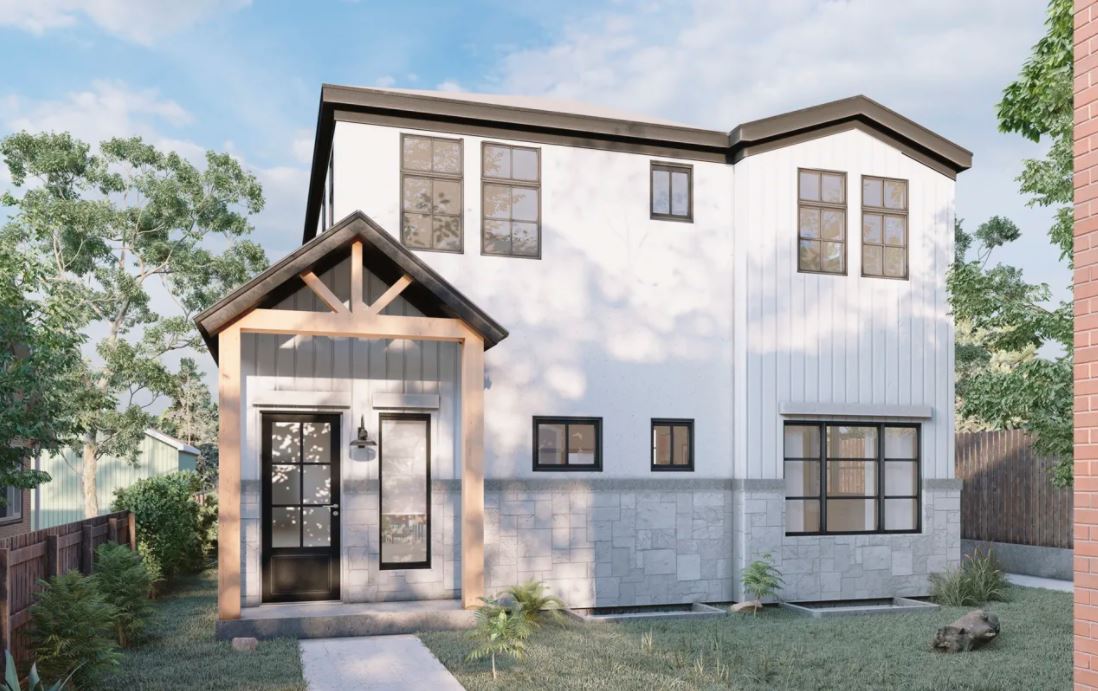
The design-build process is a streamlined approach to home additions where a single team manages both the design and construction phases from start to finish. This method improves communication, reduces delays, and ensures the final result aligns with the original vision, budget, and timeline.
Going above and beyond, Sustainable Design Build has industry leading project management applications to better communicate and operate transparently. So clients will always know who, what, when, where, and why anything is happening for their home addition project.
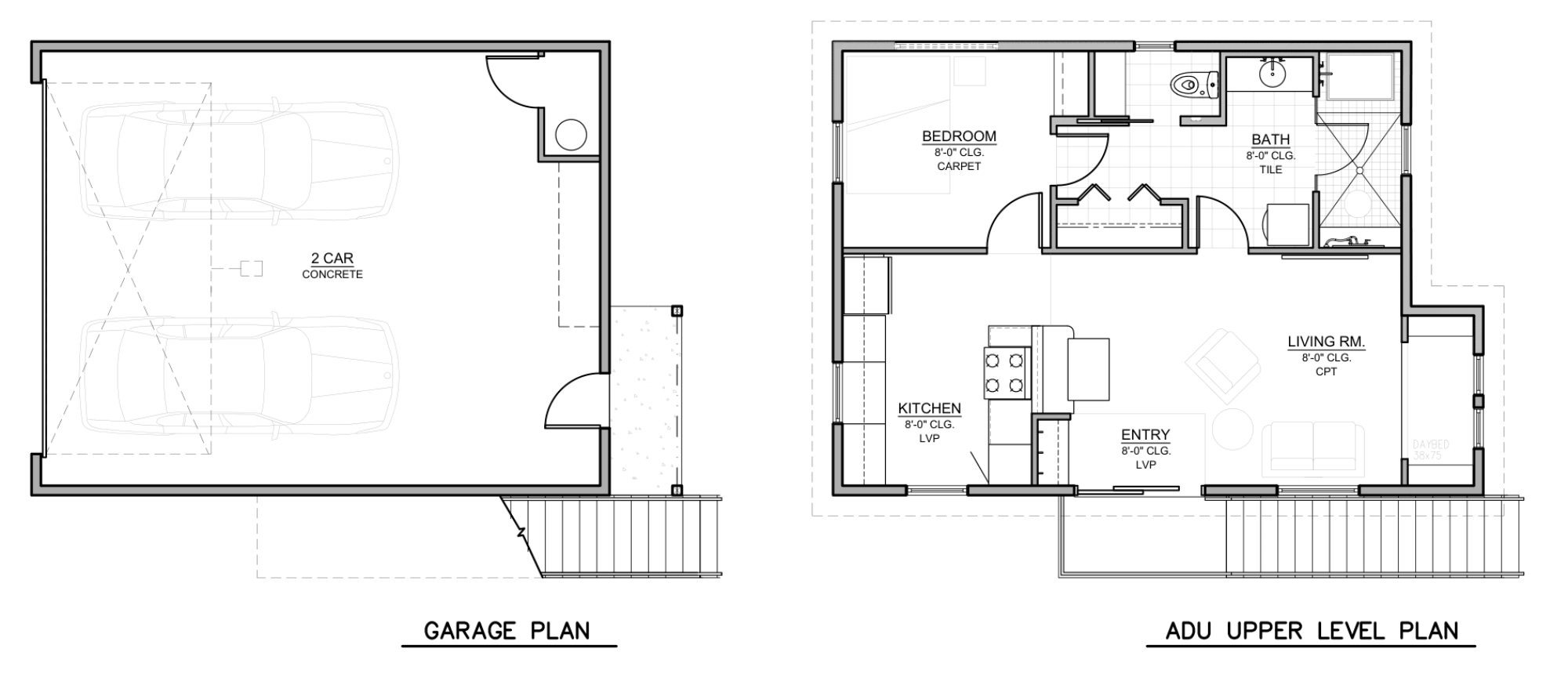
Building a home addition is one of the most effective ways to improve both the functionality and long-term value of a property. For homeowners in Denver, additions provide a flexible solution to evolving space needs without the challenges of relocating.
One of the primary benefits of a home addition is the ability to increase livable space while staying in a familiar neighborhood. Whether adding a bedroom, expanding a kitchen, or creating a dedicated office, additional square footage allows the home to better support daily routines and future needs.
Professional Design Insight on Every Project
A home addition allows for a customized solution tailored to the property and homeowner goals. Rather than adapting to a new home, the existing space can be enhanced to better reflect how it is used, creating a more functional and cohesive living environment.
Strengths of Home Addition
More Space for activities
One of the primary benefits of a home addition is the ability to increase livable space while staying in a familiar neighborhood. Whether adding a bedroom, expanding a kitchen, or creating a dedicated office, additional square footage allows the home to better support daily routines and future needs.
Updating Older Homes to the Modern Age
Home additions also offer the opportunity to improve layout and functionality. Many existing homes in Denver were built with layouts that no longer align with modern living. Expanding or reconfiguring space can create more open, efficient floor plans that enhance comfort and usability.
Housing Market Stability
Another major advantage is the ability to avoid the costs and uncertainty of moving. In Denver’s competitive housing market, purchasing a new home often comes with higher costs, limited inventory, and logistical challenges. Expanding an existing home can be a more predictable and controlled investment.
Best Home Remodel For ROI
From a financial perspective, well-planned home additions can increase property value by adding usable square footage and improving overall appeal. When designed thoughtfully and built to code, additions can strengthen long-term resale potential while also delivering immediate lifestyle benefits.
How Much Does a Home Addition Cost in Denver?
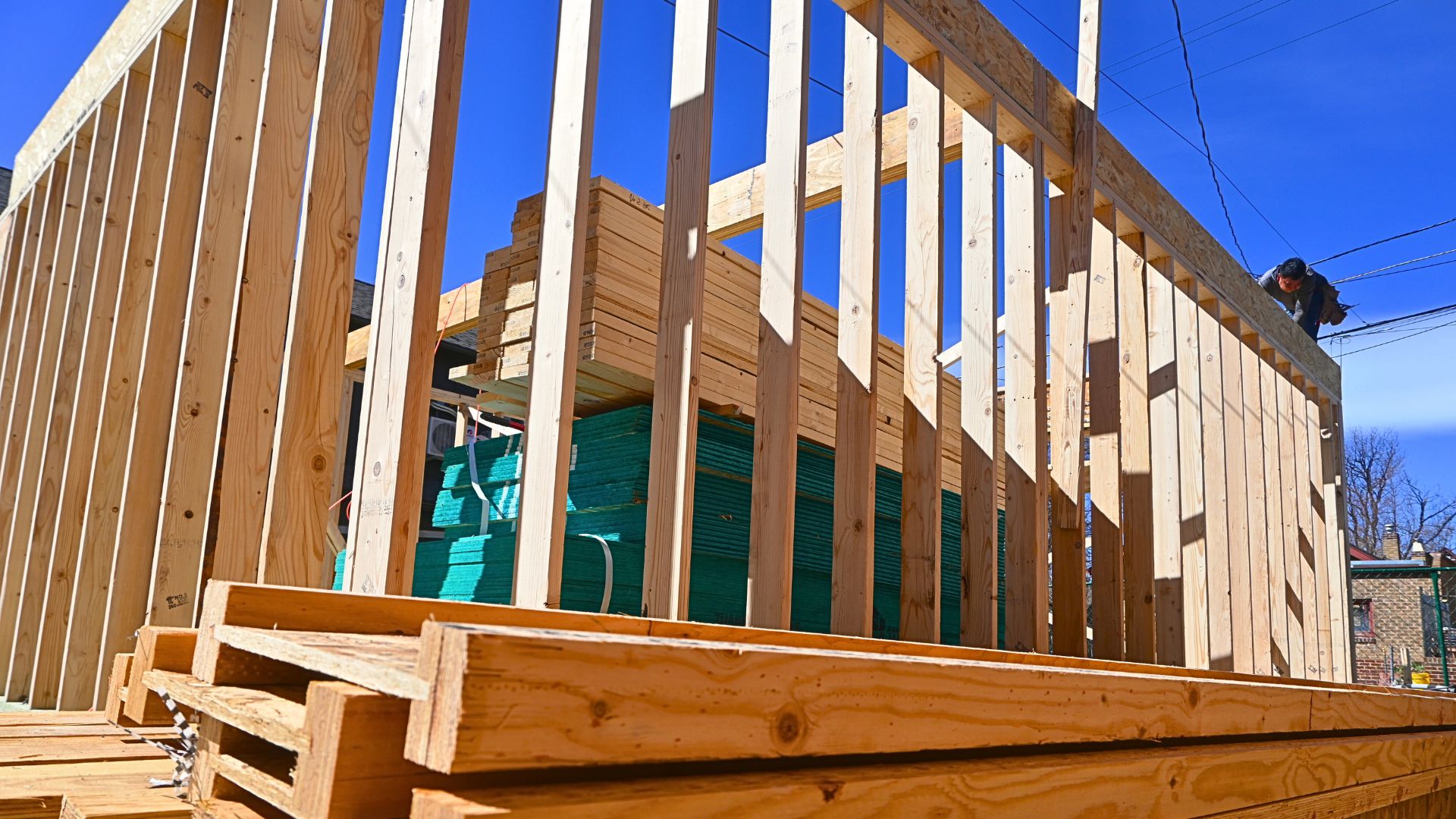
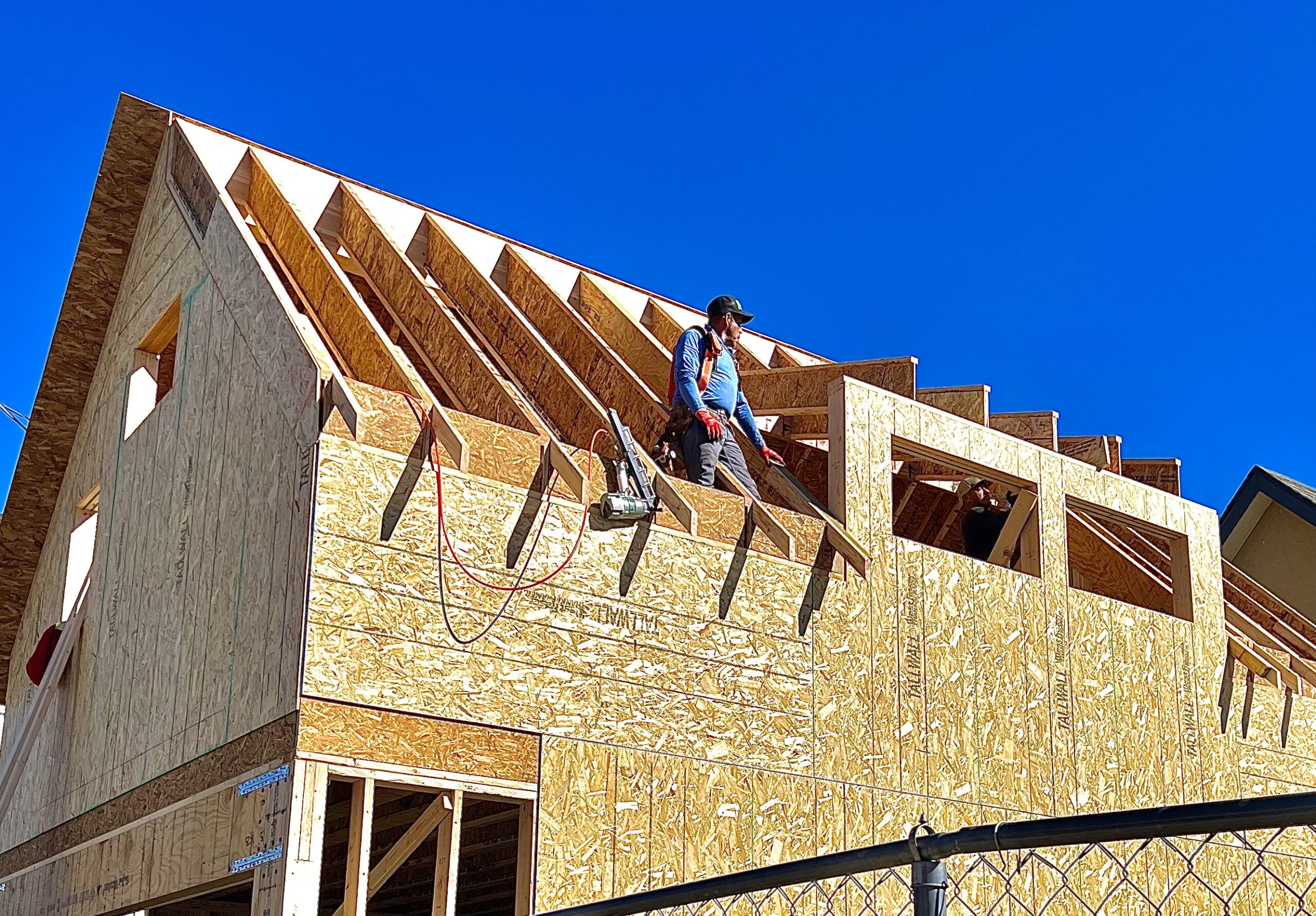
The cost of a home addition in Denver can vary widely depending on the size, scope, and complexity of the project. Most home additions typically range from $500+ per square foot, with total project costs often falling around $500,000 or more. Smaller, single-room additions may fall on the lower end, while larger or more complex projects, such as second-story additions, tend to require a higher investment.
Financing Your Home Addition
Financing is a resource, and always available.
As a homeowner looking to start a large home improvement project, it is important to gather as much information as possible. That includes budget options. While Sustainable Design Build is working to give you real and accurate numbers on your dream home. Homeowners can explore funding options with local lenders who specialize in financing home remodeling loans designed for ADUs, Home Additions, and More.
Help Me Get Started With My Home Addition
Denver’s Development Services provides resources for you as a homeowner to research the possibilities your home has for future construction and improvement. Following those guidelines helps us and you as a homeowner to set expectations for your home’s project. Every addition builder will have to go through these steps and considerations in order to create an addition that is acceptable to Denver County. Do keep in mind, while SDB does prioritize building in Denver County, every municipality is different. Take a look at some of these items to get an idea of whether or not your home is ideal for addition construction and want it would take to get across the finish line.
Factors That May Affect Your Addition Project
Before you start your project, you need to know what regulations apply to your property and what factors may impact your project. Sustainable Design Build will help you with these of course but if you want to be informed when determining the possibilities for your home here are some things to consider:
Historic Landmark Status
Any project that involves changes to the exterior of landmark structures or properties in historic landmark districts must be reviewed by Landmark Preservation staff before you begin. The appropriate zoning, building, curb cut, or revocable permits needed for the project will be issued only after design review has been completed and the project has been approved. To determine your property’s landmark status, go and visit Denver’s webpage for Zoning information and look up your property’s address. This will also prepare you for the next item on this list, zoning codes.
Zoning
Zoning establishes standards for things such as the size and location of structures and acceptable uses for your property. Before you contact us, take a look at Denver’s webpage for Zoning information. You can look up your home’s description and neighborhood building codes. These bits of information will help you determine how much of your home can be built out or if at all. Denver only allows for certain amount of lot coverage and construction of specific structures. There is a chance your home may not be eligible for building an addition. Don’t worry if you cannot find the information, SDB will still be happy to help.
Parkways
Any project that encroaches on a designated parkway setback will need to undergo parkways review. Certain parkways and boulevards are specifically designated by ordinance to preserve their unique character. Each designated parkway has its own right-of-way width and regulations of setback distance of structures and signs. If you are unsure if you live along a designated parkway or for your parkway’s specific regulations, enter your address into the in the Denver Develop tool on their website.
Denver Forestry
If any portion of your project has the potential to affect the trunk, canopy or roots of the street trees around your property, before you begin construction, you must contact Denver Forestry by email (forestry@denvergov.org) or phone (720-913-0651) to evaluate your project. Any removal, trimming or planting of trees within the public right of way must be permitted through the City Forester’s Office. Damages to street trees may result in the issuance of administrative citations and/or fines. Visit the Denver Forestry web page and click on Property Owner Resources for information on hiring a licensed tree service company or requesting a permit.
Building Code
Denver Building Code provides minimum standards for building in order to safeguard public safety, health and welfare. The permitting and inspection process ensures that all home projects meet these standards and that all dwellings are safe and habitable at the time of construction.
Location of Utilities
When designing your project, you need to know where utilities are located. You cannot build over existing utilities. Before you dig, contact the Utility Notification Center of Colorado at 1-800-922-1987 or 811 to mark underground utilities for your project.
Location of Existing Sewer Lines
If you plan to build a new structure over or within 2 feet of the existing sanitary sewer, you will need to replace the sanitary sewer with approved materials. A plumbing contractor can help you locate the sewer lines on your property. Visit Wastewater Sewer Use and Drainage Permit (SUDP) for application, guidelines and other specific information. Contact the Department of Public Works at 303-446-3759 for additional details.
Transportation
Transportation review and approval is needed if you are changing the location of any driveways that connect to public streets or proposing improvements, such as changing the curb cut, within the “right of way” (ROW), which includes public streets and sidewalks. All ROW projects must be performed by a licensed contractor and in full compliance with the City Charter, ordinances, permitting processes and all other applicable standards, specifications and requirements. Licensed contractors can obtain ROW permits at Public Works Permit Operations, 2000 West 3rd Avenue, or directly from the ROW inspector at (303) 446-3469. NOTE: Alterations to a driveway that connects to an alley, instead of a public street or sidewalk, do not require transportation review.
Reviews, Permits and Documents You May Need For your Addition
Listed in the order they must be obtained. All permits must be in hand and at site before work may begin.
- Current City of Denver Contractor’s License Affidavit of Requirements for Owner-Occupier Permits (see Issuance of Owner-Occupier Permits (PDF) for more information).
- Landmark Certificate of Appropriateness – if the project is in a designated historic district or landmark property. Visit the Design Review web page for more information.
- Forestry Review – required if your project will impact the canopy or roots of street trees. Contact Denver Forestry by email (forestry@denvergov.org) or by phone at 720-913-0651 to evaluate your project and visit the Denver Forestry web page for additional information. Allow about 3 to 5 business working days for inspections and approval.
- Parkways Review – if your property is along a designated parkway and the project encroaches on the parkway setback
You will need: A completed Parkway Exception Request form and a site plan that includes property lines, parkway setback from property line, proposed type, location and dimensions of encroachment into parkway setback, location of existing residence on property and labeled streets. To get a copy of the form and additional information, contact parkways@denvergov.org. - Transportation Review – required if there are proposed improvements in the Right-of-Way associated with the addition or if there is a new or modified driveway connection to the street
You will need: A site plan that includes the location of the existing and proposed driveways; dimensions from the driveway to the property line and any adjacent driveways; width of driveway; and material used in construction. Find the city transportation engineer assigned to your area using the DevelopDENVER tool at right and contact him/her for more information.
NOTE: If the proposed driveway connects to a State Highway then CDOT access permits and a Transportation Engineering Plan will be required. For questions about the driveway location, Transportation Engineering Plan, or CDOT access permit requirements, please contact your Site Engineering Transportation Engineer using the DevelopDENVER property tool to the right. - Adjacent Property Owner Notification, if the project requires demolition or excavation
Building permit applicant must submit either a return receipt of certified mail delivery or a signed receipt of personal notification for all adjacent properties at the time of permit application and plan submission at permit counter. A permit will not be issued until 10 working days after adjacent property owners were notified. - Zoning Use Permit (Commercial Zoning) – If you are changing the use of the structure and/or adding a dwelling unit, staff must first determine what is permitted under your current zoning.
The above must be in hand before you apply for the following:
*For a complete list of required documentation for zoning and building plan review, including minimum submittal requirements, download the Residential Permitting Guide (PDF). Zoning and/or building permit applications for logged-in residential projects will only be accepted if minimum submittal requirements are met.
- Zoning Review*
- #1R Building Permit (Log In)*
- Wastewater Sewer Use and Drainage Permit (SUDP) (Log In or Plan Review)
Visit the wastewater permits page for application, complete submittal requirements and guidelines, and other information. - #11 Forced-Air Furnaces, Ventilation and Air Conditioning and Gas Piping Permit (Quick Permit) – required for new ductwork
- #4 Plumbing Permit (Quick permit) – required for new or relocated plumbing fixtures
- #3 Electrical Permit (Quick permit) – required for new or relocated electrical outlets or light fixtures
- #2 Roofing Permit (Quick Permit), including information on the number and type of shingles
- Right of way (ROW) Construction Permit – required for all work located in the ROW, which must be performed by a licensed contractor. Contractors can obtain the ROW permits at Public Works Permit Operations, 2000 West 3rd Avenue or directly from the ROW inspector at (303) 446-3469. NOTE: If significant improvements within the ROW are being proposed, you will need a transportation plan. Find your transportation engineer using the DevelopDENVER tool at right and contact him/her for more information.
SUDP application and materials may be submitted by email (wastewaterpermits@denvergov.org) or online via e-Plan.
Quick Permits may be applied for by email. See www.DenverGov.org/QuickPermits. For same day service, sign in online or at the kiosk once for two Quick Permits at a time.
Sign in online or at the kiosk once for zoning review and #1R permit (Log in).
Fees
Estimate Fees
Zoning and Building permit fees are based on valuation of the work to be completed including the labor and materials.
NOTE: When a Same Day Review is required for the #1R Permit, a “walk through” submittal fee of 20% of the valuation of the work to be completed with a $100.00 minimum will be charged in addition to building permit fees.
ROW permit fees are based on the amount of work constructed and the amount of time they are occupying the ROW.
There are no fees for Transportation, Parkways or Landmark review.
For Wastewater, there is a $100 application fee plus other fees may apply.
View the permit fee schedules to estimate the fees required for your project.
Inspections
Typical inspections during construction of habitable space include the following:
- 2nd story attachment, basement structural floor
- Pre construction meeting
- UFER
- Footing
- Foundation wall
- Foundation perimeter drain
- Waterproofing
- Frost Wall Insulation
- Underground Utilities (Electrical)
- Exterior Sheathing
- Rough utilities (Electrical, Mechanical, and Plumbing)
- Frame
- Roofing
- Exterior Lath
- Batt Insulation
- Drywall
- Blown insulation
- Pressure Test
- Final Utility (Electrical, Mechanical, and Plumbing)
- Final construction inspection
- ROW – Construction Engineering will inspect work performed int he ROW and check to see if ROW infrastructure was damaged during construction.
- Denver Forestry
NOTE: The inspections listed above may vary depending on the complexity of your project. You will be advised as to which inspections your project requires through the permitting process and by your inspector.
Additional Information
- Please be aware that an ROW inspector may require the replacement of any damaged infrastructure (i.e. sidewalk and curb and gutter) in the ROW adjacent to your site.
- Section 49-551.1 of the Denver Municipal Code states that the property owner or lessee of any real property is responsible for the continuing care, maintenance, repair, and replacement of all improvements installed in the public ROW between the property line and the curb line adjoining their property.
Connect With Us
Planning your next renovation, or maybe you are looking to do a complete remodel for your home? Whatever the task, it can’t hurt to ask. Reach out to our team through this form.
We can schedule a free consultation and discuss everything you need to get your project moving in the right direction. Did we mention, it’s absolutely free?
No time like the present to get started on turning your house into the home of your dreams.