Oct 1, 2026 | Construction Progress
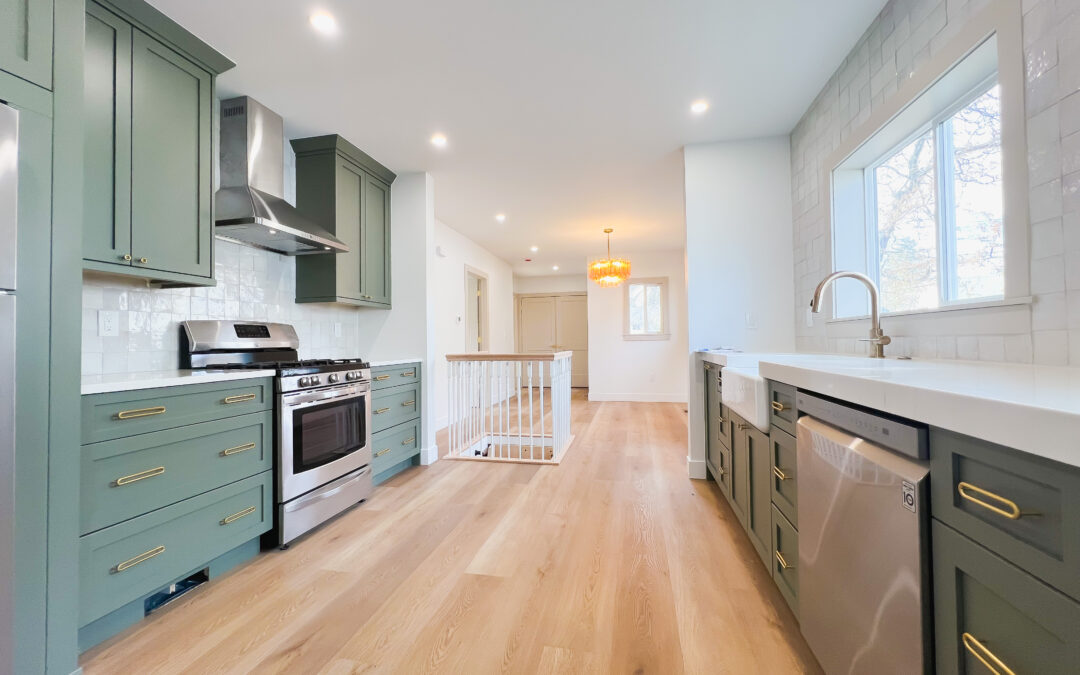
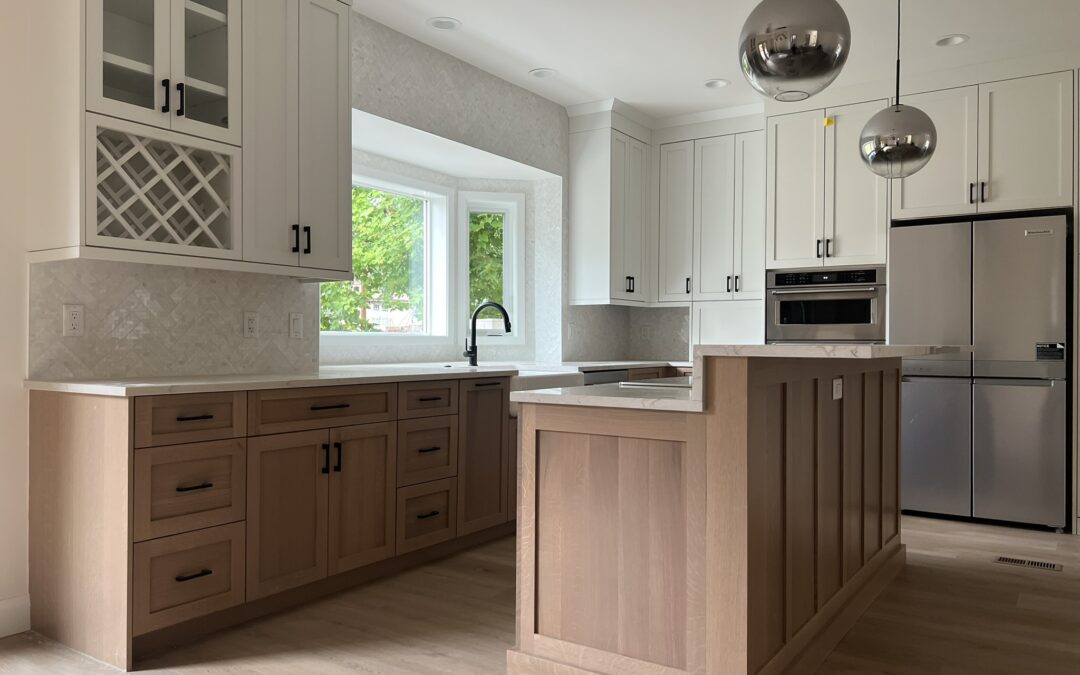
Warm natural kitchens are becoming one of the most popular remodeling trends in Denver as homeowners move away from overly sterile designs and prioritize organic materials, layered lighting, natural wood tones, and functional layouts. These kitchens combine modern functionality with timeless interior design elements that improve both everyday living and long-term home value.

Sep 25, 2026 | Construction Progress
A Cherry Hills Village estate once purchased by former Colorado Avalanche defenseman Erik Johnson has returned to the market following several years of extensive renovation, offering a striking example of how an established luxury property can be transformed through thoughtful residential design and construction.
Sep 24, 2026 | Construction Progress
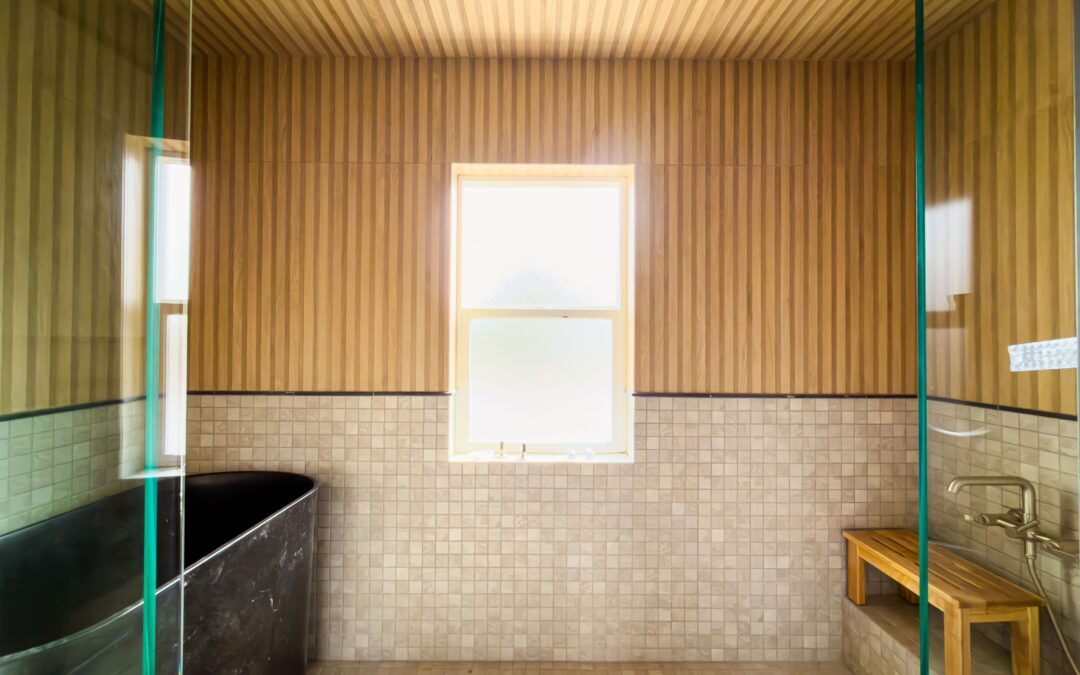
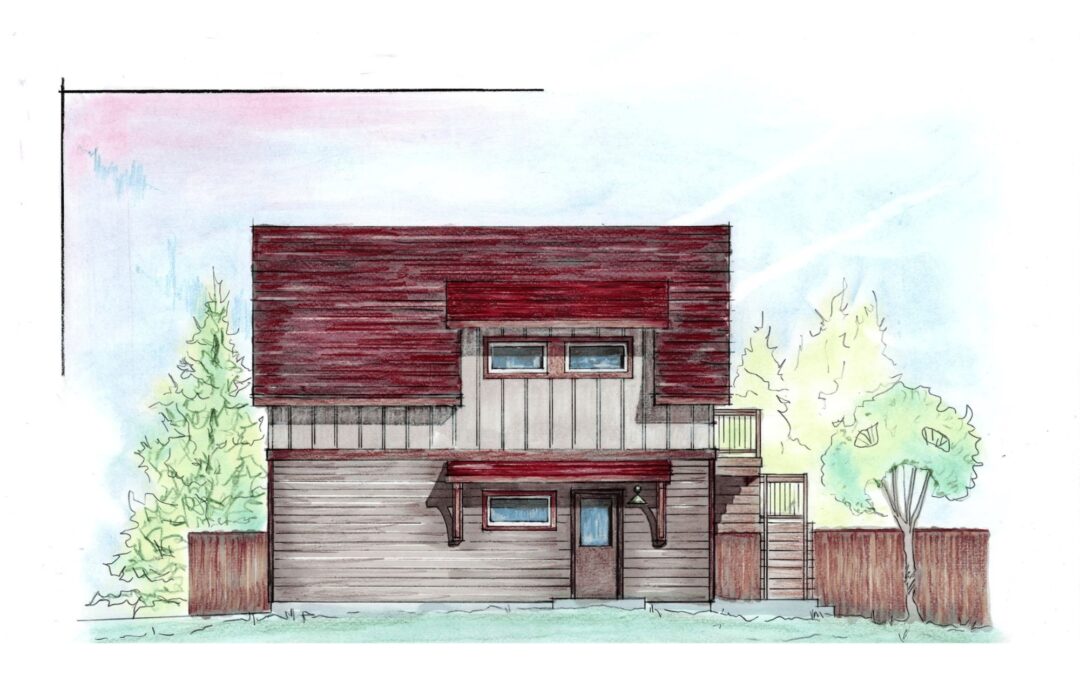
A Denver ADU can do more than add a bedroom and kitchen. Thoughtful interior design can create a dedicated bathing room, flexible work area, adaptable guest space, or storage that supports everyday living. Sustainable Design Build, an ADU general contractor with in-house design services, coordinates these features with the layout and construction plan from the start.
Sep 23, 2026 | Construction Progress
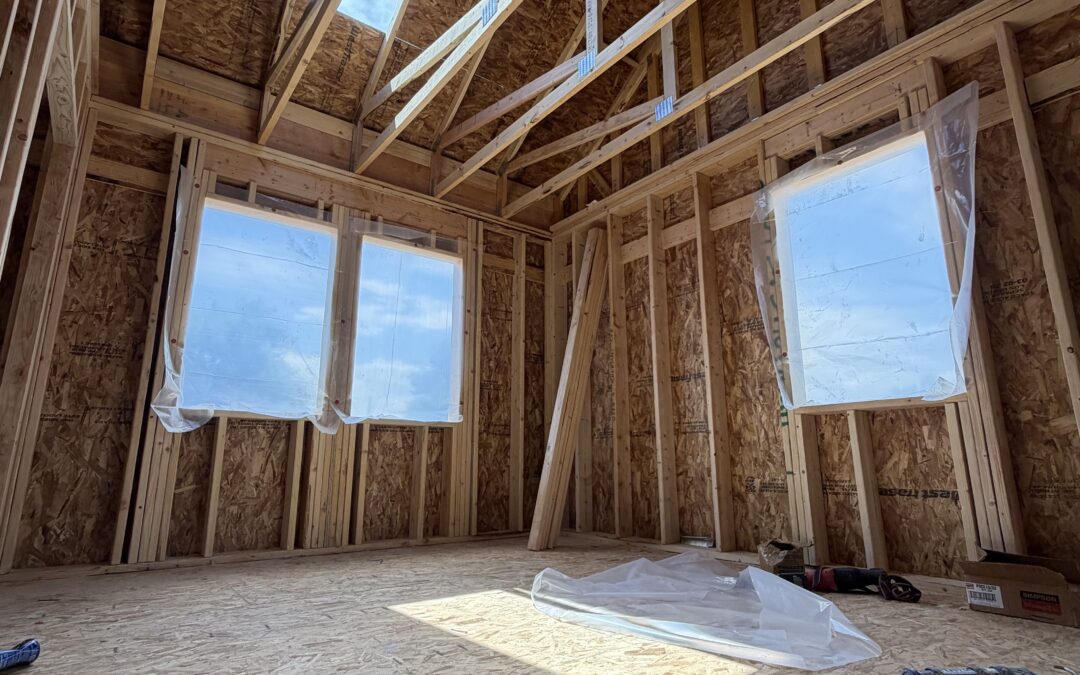
A Denver ADU can do more than add a bedroom and kitchen. Thoughtful interior design can create a dedicated bathing room, flexible work area, adaptable guest space, or storage that supports everyday living. Sustainable Design Build, an ADU general contractor with in-house design services, coordinates these features with the layout and construction plan from the start.
Sep 17, 2026 | Construction Progress
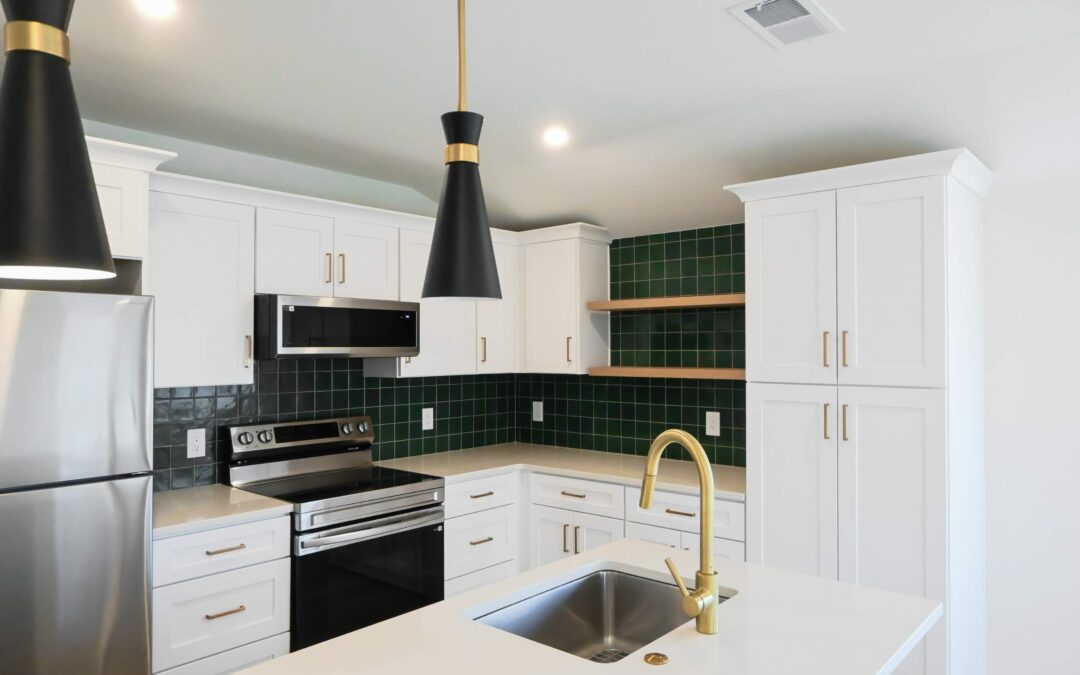
Accessory Dwelling Units (ADUs) are becoming one of the most effective ways Denver homeowners can add flexible living space, rental income, and long-term property value. With updated zoning laws and statewide legislation expanding access, building a custom ADU in the Denver metro area is now more achievable than ever. This guide explains ADU types, costs, regulations, and how Sustainable Design Build helps homeowners plan and construct well-designed ADUs that integrate seamlessly with existing properties.
Sep 16, 2026 | Construction Progress
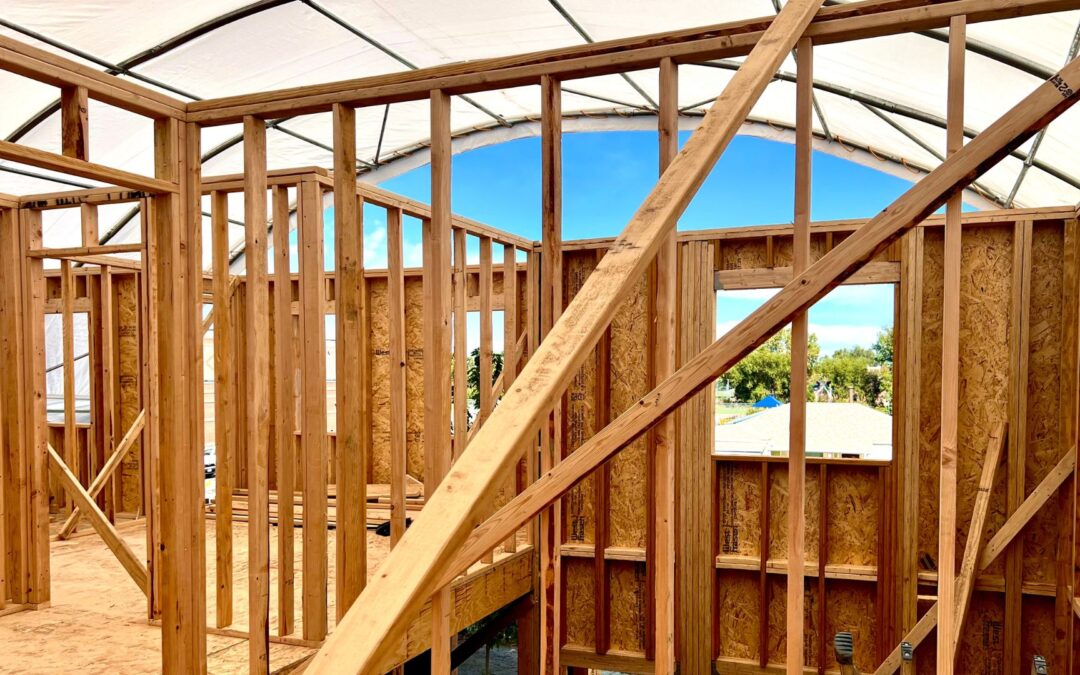
Expanding your home with a home addition is one of the most effective ways to gain space, comfort, and long-term value without moving. Whether you’re planning a new family room, primary suite, or connected guest quarters, the addition process transforms both your home and how you live in it. Once the design and permitting phases are complete, construction begins—and with it comes the exciting (and busy) phase of activity at your property.
Sep 15, 2026 | Construction Progress
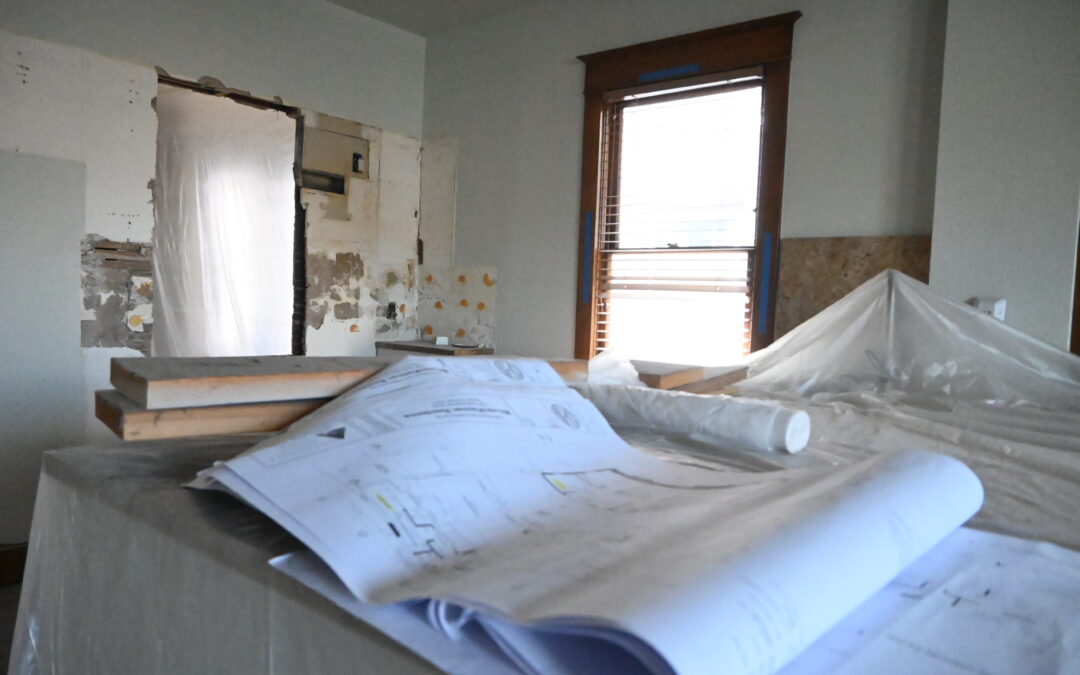
To finish a basement adds valuable living space and boosts property value, but the cost can vary widely on design and materials. According to sources and trends, the average cost to finish a basement ranges between $7 and $23 per square foot. For a 2,500-square-foot basement, homeowners can expect to invest between $17,500 and $57,500 on average
Sep 9, 2026 | Construction Progress
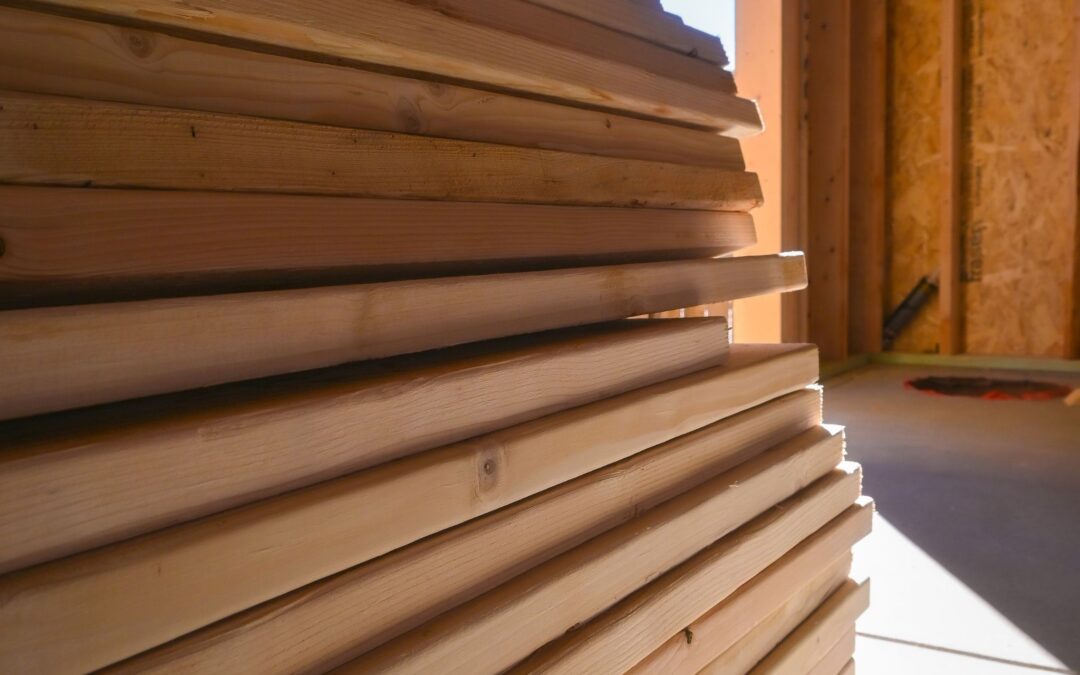
Colorado’s largest lumber mill is shutting down, highlighting another challenge facing the state’s construction industry: access to locally produced building materials. According to the Denver Post, Montrose Forest Products will close after struggling with limited...

Sep 2, 2026 | Construction Progress
Sustainable Design Build co-founder and General Contractor Zach McKendry recently discussed that philosophy on the Edge of Success podcast. Drawing from a lifetime around residential construction and years of experience working directly with Denver homeowners, Zach spoke about something that has become fundamental to how we approach projects at SDB.
Aug 14, 2026 | Construction Progress, Home Addition
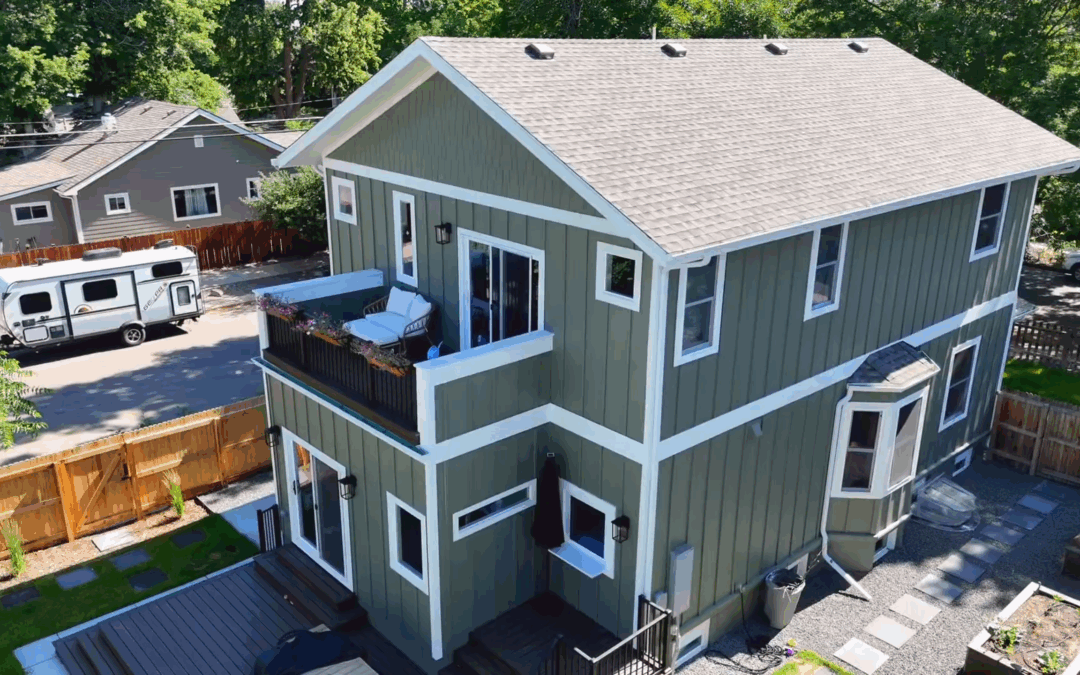
A home addition in Denver can take several months from initial planning to final completion depending on permitting, structural complexity, weather conditions, and project scope. While smaller additions may move faster, larger second-story additions, pop tops, and complex remodels often require extended architectural planning, engineering coordination, and phased construction scheduling.
Aug 10, 2026 | Construction Progress
The Denver Post Best of the Front Range gives Colorado residents an opportunity to recognize businesses and professionals serving communities throughout Denver and the Front Range. In 2026, Sustainable Design Build is among the companies nominated for Best Home Remodeler, giving local residents an opportunity to vote for the remodeling company they believe deserves the recognition.
Aug 7, 2026 | Construction Progress
Sustainable Design Build has been nominated for multiple categories of recognition from the Denver Post and their Best of the Front Range vote! This includes categories for our services of Best Home Remodeler!
Jul 17, 2026 | Construction Progress
Beginning September 1, 2026, most residential construction, demolition, and major remodeling projects in Denver will be required to recycle or reuse a significant portion of construction debris rather than sending it to the landfill.
Jul 16, 2026 | Construction Progress
Remodeling your home is one of the largest investments you’ll make, but it can also be one of the most rewarding. Whether you’re modernizing an older Denver bungalow, adding space to a growing family home, building an accessory dwelling unit (ADU), or undertaking a complete whole-home renovation, success begins long before construction starts.
Jul 15, 2026 | Construction Progress
Wondering how long it takes to build a custom home in Denver? Learn the typical 12 to 18 month timeline, what affects the schedule, and how an integrated design-build approach can help keep your project on track.
Jul 10, 2026 | Construction Progress
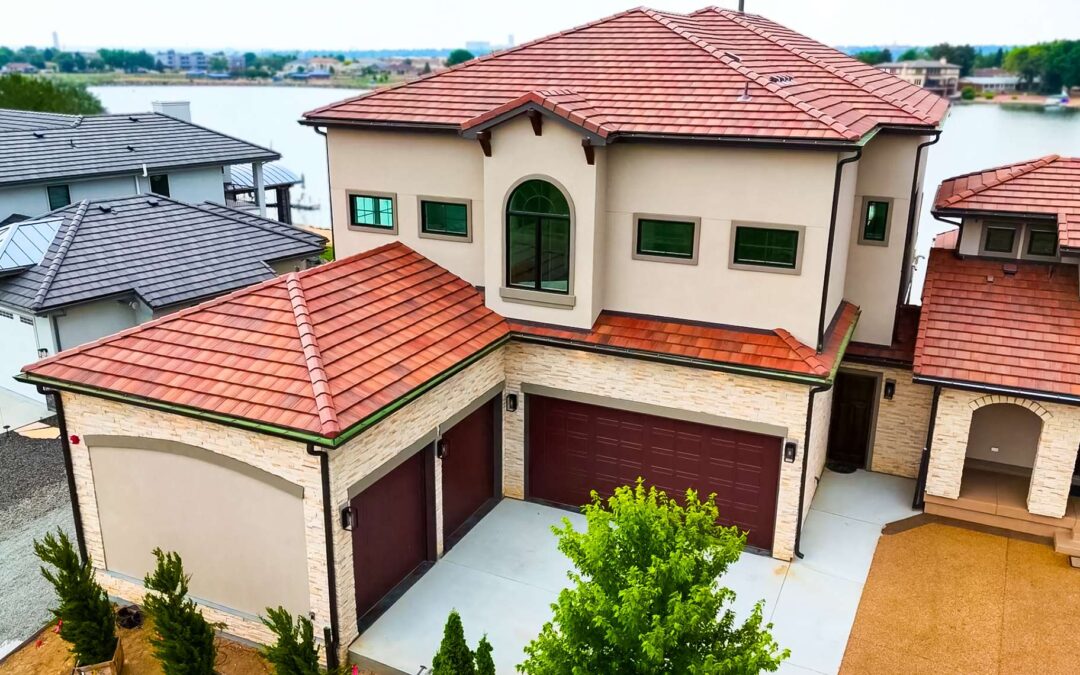
Transitional architecture combines the timeless character of traditional homes with the open layouts, natural light, and functional living spaces associated with modern design. In Denver, transitional architecture has become one of the most popular approaches for home additions, whole-home remodels, and custom homes because it preserves neighborhood character while creating spaces that better support today’s lifestyles. Working with an experienced Denver residential architect helps ensure new spaces integrate seamlessly with the existing home while meeting zoning requirements, building codes, and long-term functional goals.
Jul 9, 2026 | Construction Progress
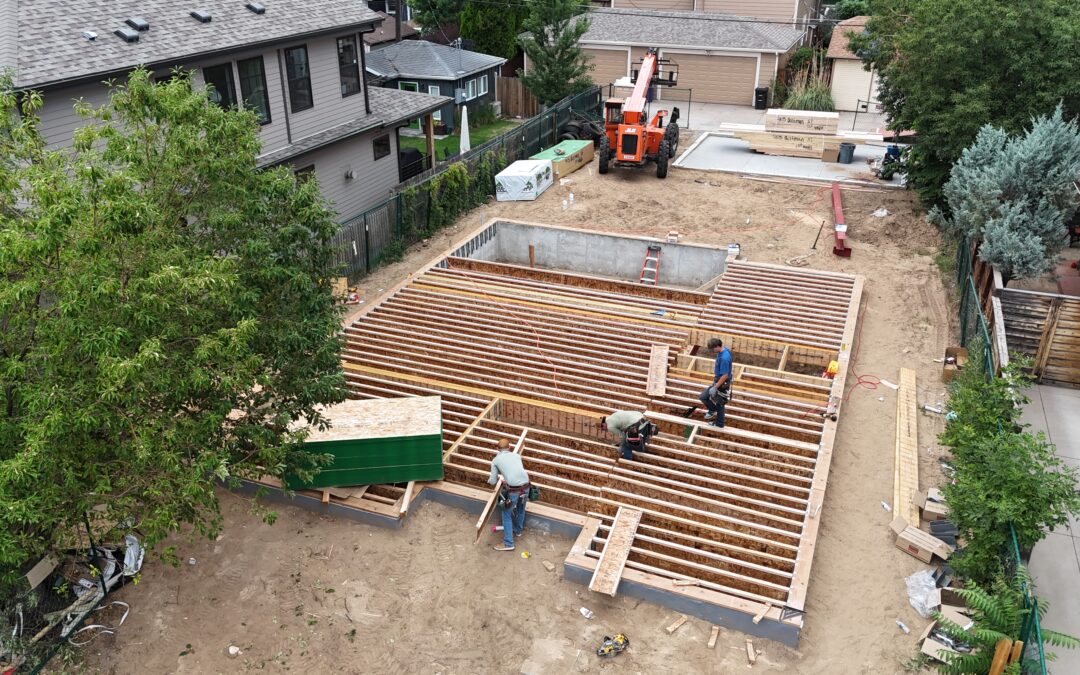
Planning a home addition, ADU, whole home remodel, or custom home in Denver? Understanding the complete construction timeline is one of the most important steps before starting your project. While many homeowners focus on the construction phase, the overall process also includes design, engineering, permitting, material procurement, and final inspections. This guide breaks down realistic timelines for each major residential project type and explains the factors that can influence your schedule, from Denver permit reviews and existing home conditions to project complexity and custom material lead times. Whether you’re expanding your current home or building from the ground up, you’ll gain a clearer understanding of what to expect and how a Design-Build approach can help keep your project moving efficiently from concept through completion.
Jul 8, 2026 | Construction Progress
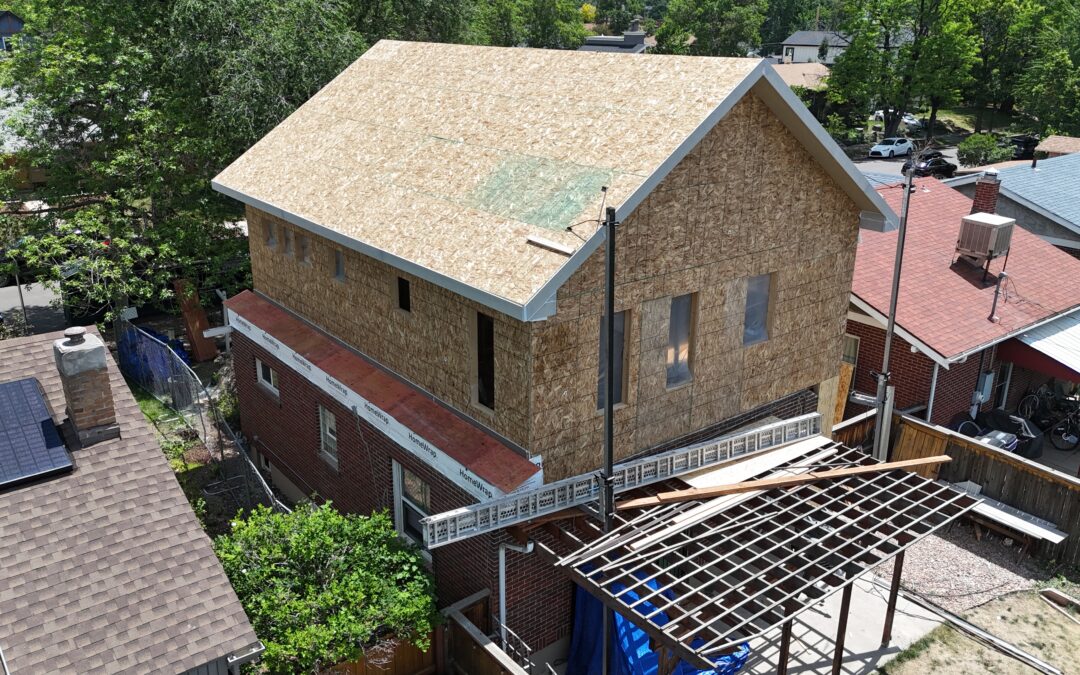
If you’re searching for the best design-build in Denver, you’re likely planning one of the biggest investments you’ll make in your home. Whether you’re considering a home addition, whole-home remodel, pop top, ADU, or custom home, choosing the right design-build company can have a lasting impact on your experience, budget, and finished project.
Jun 30, 2026 | Construction Progress
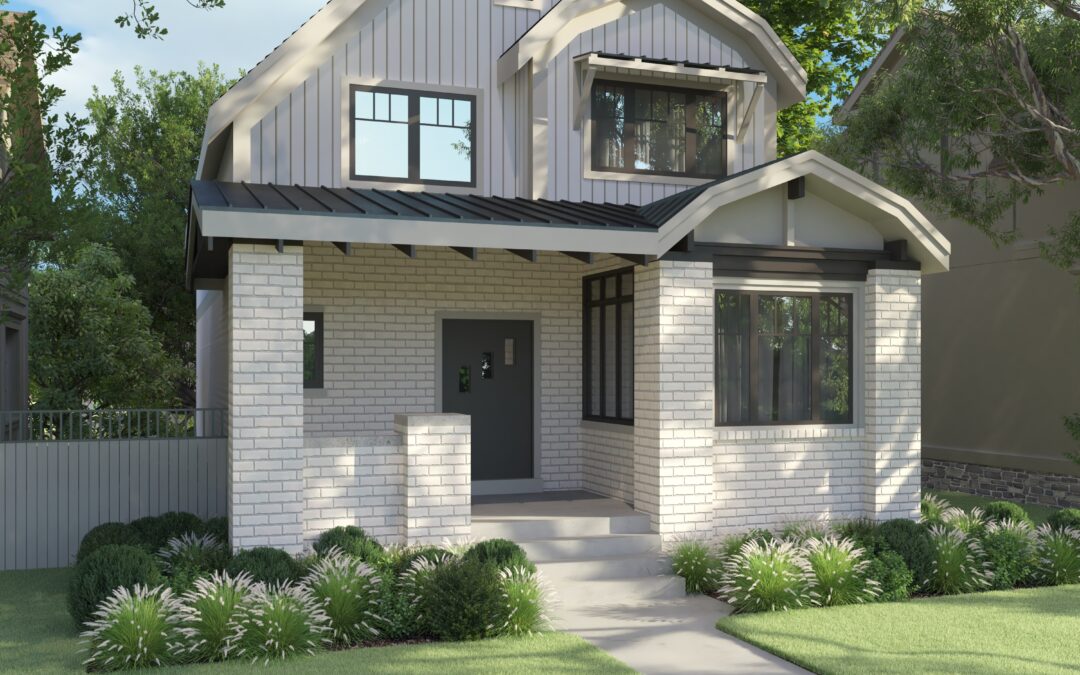
Selecting an architectural style is one of the most exciting milestones in designing a custom home or remodeling an existing one. While many homeowners begin with inspiration from Pinterest, Instagram, or neighborhood walks, the goal isn’t to recreate someone else’s home. It’s to design one that’s uniquely yours.
Jun 29, 2026 | Construction Progress
At Sustainable Design Build, we’ve found that the most successful projects begin when homeowners clearly understand what they want from the relationship, the process, and the finished home. Before signing a design-build agreement, here are the personal questions worth asking yourself.
Jun 25, 2026 | Construction Progress
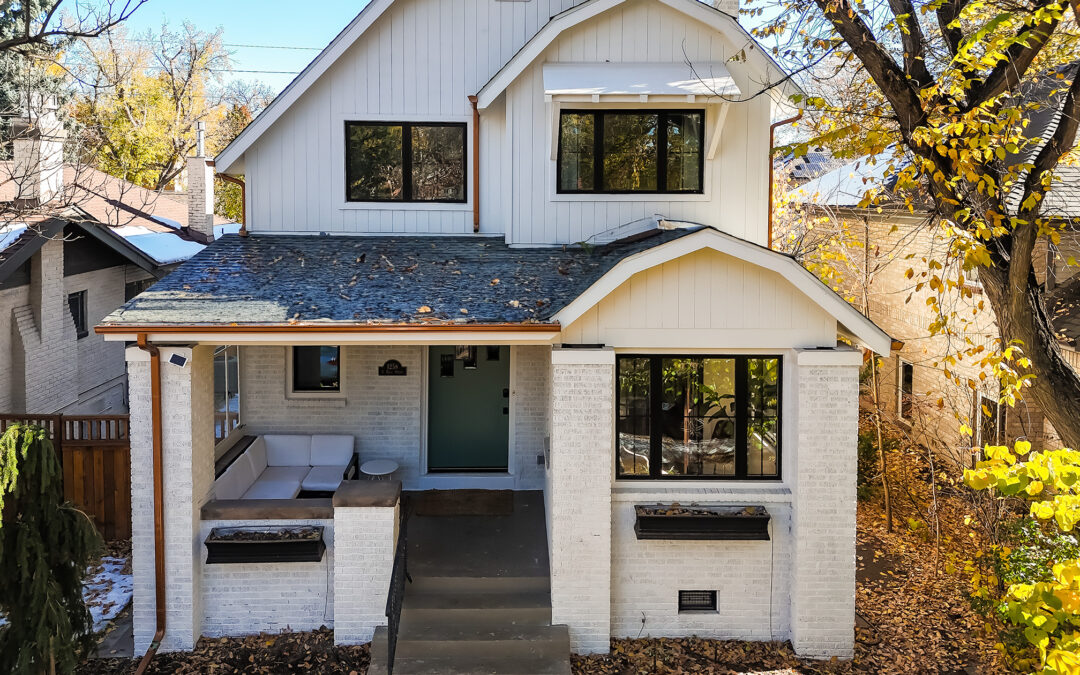
Modern and contemporary architecture are often confused, but they represent different design philosophies. Modern architecture refers to a historical movement centered on simplicity and function, while contemporary architecture reflects today’s evolving design trends. Sustainable Design Build helps Denver homeowners navigate both styles through an integrated design-build process that combines in-house designers, architects, and construction professionals under one team.
Jun 24, 2026 | Construction Progress
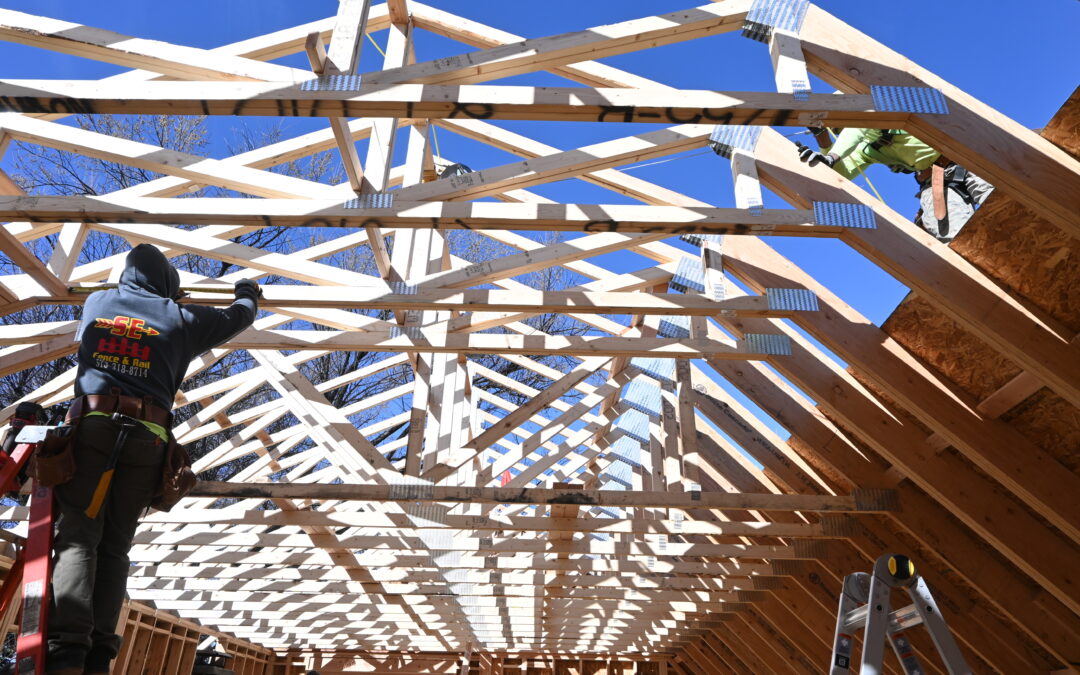
The 21st Century Road to Housing Act aims to increase housing supply by reducing construction barriers, funding housing conversions, and limiting institutional purchases of single-family homes. While Denver homeowners are unlikely to see immediate reductions in home prices, the legislation could create more housing opportunities, encourage residential investment, and influence the future of remodeling and custom home construction throughout Colorado.
Jun 23, 2026 | Construction Progress
The 21st Century Road to Housing Act aims to increase housing supply by reducing construction barriers, funding housing conversions, and limiting institutional purchases of single-family homes. While Denver homeowners are unlikely to see immediate reductions in home prices, the legislation could create more housing opportunities, encourage residential investment, and influence the future of remodeling and custom home construction throughout Colorado.
Jun 22, 2026 | Construction Progress
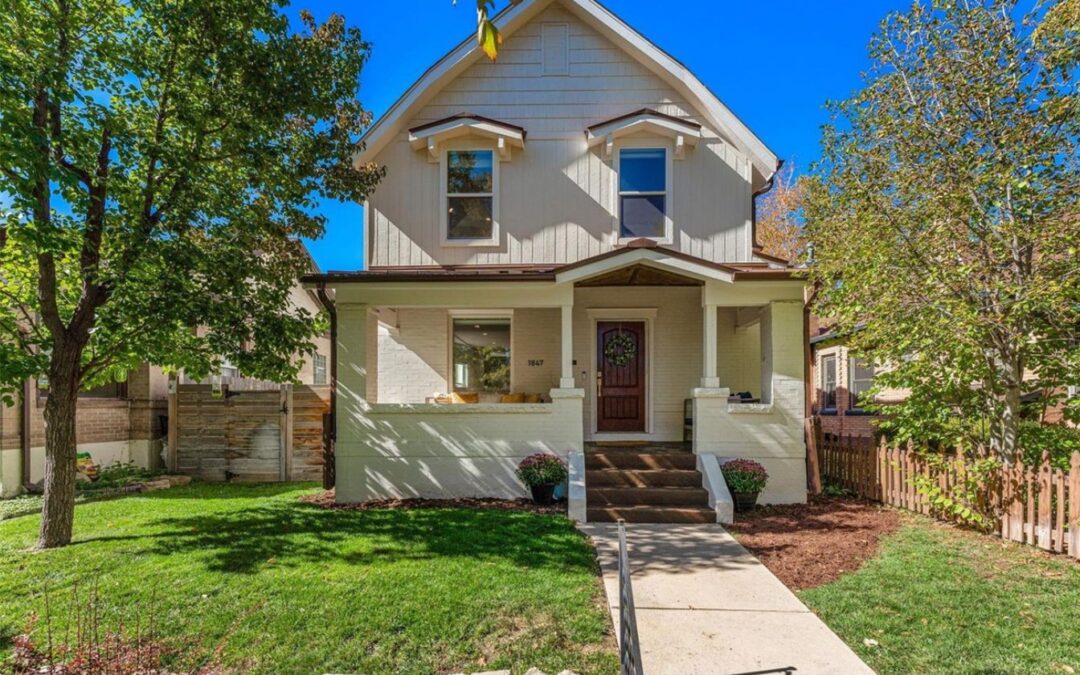
Historic homes are among Denver’s most desirable properties because they offer architectural character, established neighborhoods, and lasting craftsmanship. Successfully renovating or expanding these homes requires balancing modern functionality with historical integrity, ensuring additions and updates complement the original design rather than compete with it.
Jun 18, 2026 | Construction Progress
Older Denver neighborhoods offer architectural character, established communities, and historic charm that many homeowners want to preserve while modernizing their homes. Working in these neighborhoods requires specialized knowledge of aging structures, historic preservation guidelines, zoning regulations, and design continuity. Sustainable Design Build combines in-house architectural expertise, construction experience, and local permitting knowledge to help homeowners successfully improve older homes while maintaining their original character.
Jun 16, 2026 | Construction Progress
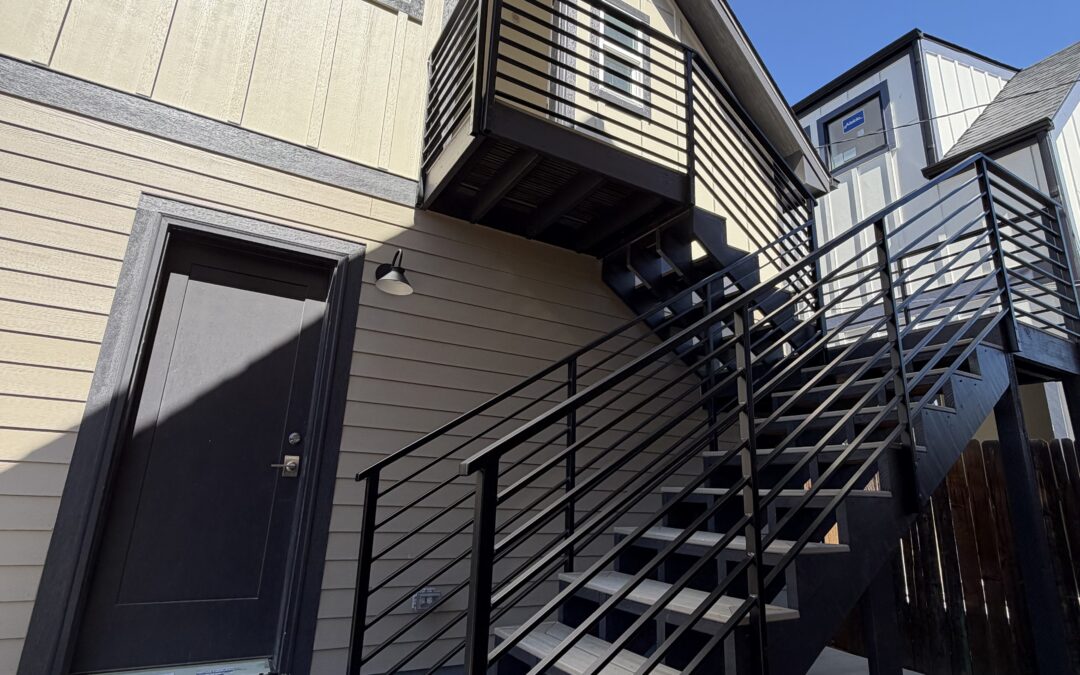
The design-build approach has become one of the most recommended methods for constructing Accessory Dwelling Units (ADUs) in Denver. By combining planning, design, permitting, budgeting, and construction under one team, homeowners often experience a more efficient process, fewer delays, and greater cost predictability. As ADU demand continues to grow throughout Colorado, integrated design-build firms remain a popular choice for homeowners seeking a streamlined path from concept to completion.
Jun 15, 2026 | Construction Progress
Denver’s permitting process continues to improve in 2026, reducing delays that have historically affected residential construction projects. According to recent reporting, permit review timelines are becoming more predictable, communication between departments has improved, and applicants now have dedicated support through Denver’s Permitting Office. For homeowners planning additions, ADUs, pop tops, whole-home remodels, or custom homes, these changes could help projects move from planning to construction more efficiently.
Jun 13, 2026 | Construction Progress
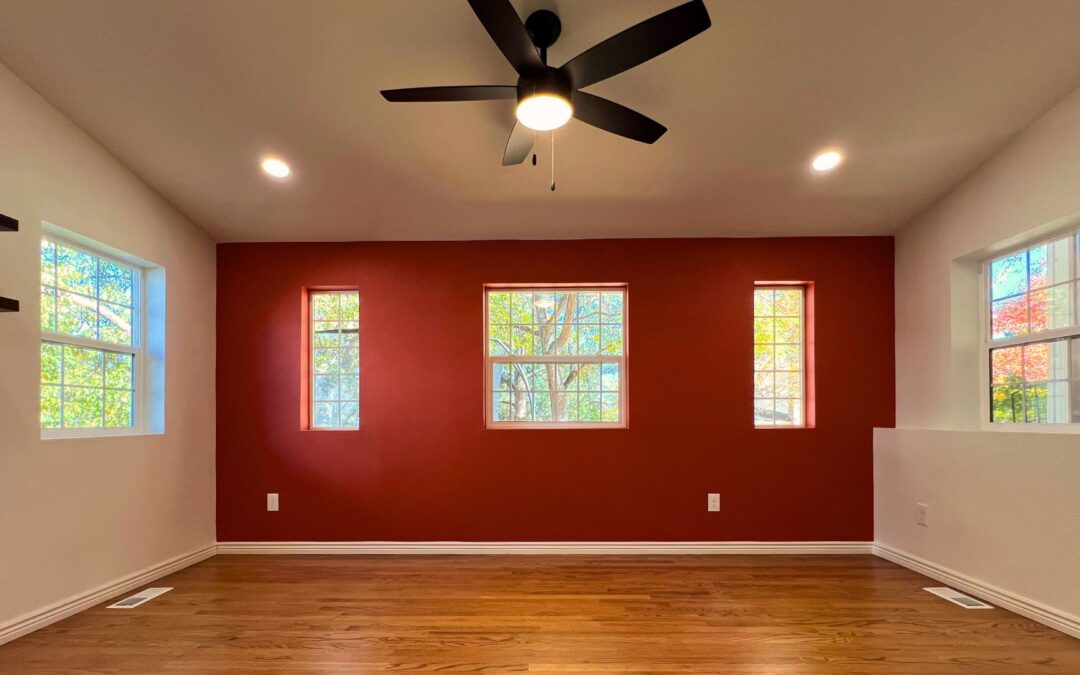
The cost to build a basic bump-out typically ranges from $10,000 to $50,000, depending on size, structural requirements, foundation needs, and finish selections. Most bump-outs are small additions designed to expand an existing room rather than create an entirely new space. Because they add functionality without requiring a full-scale addition, bump-outs are often one of the most cost-effective ways to increase usable square footage and improve a home’s layout.
Jun 12, 2026 | Construction Progress
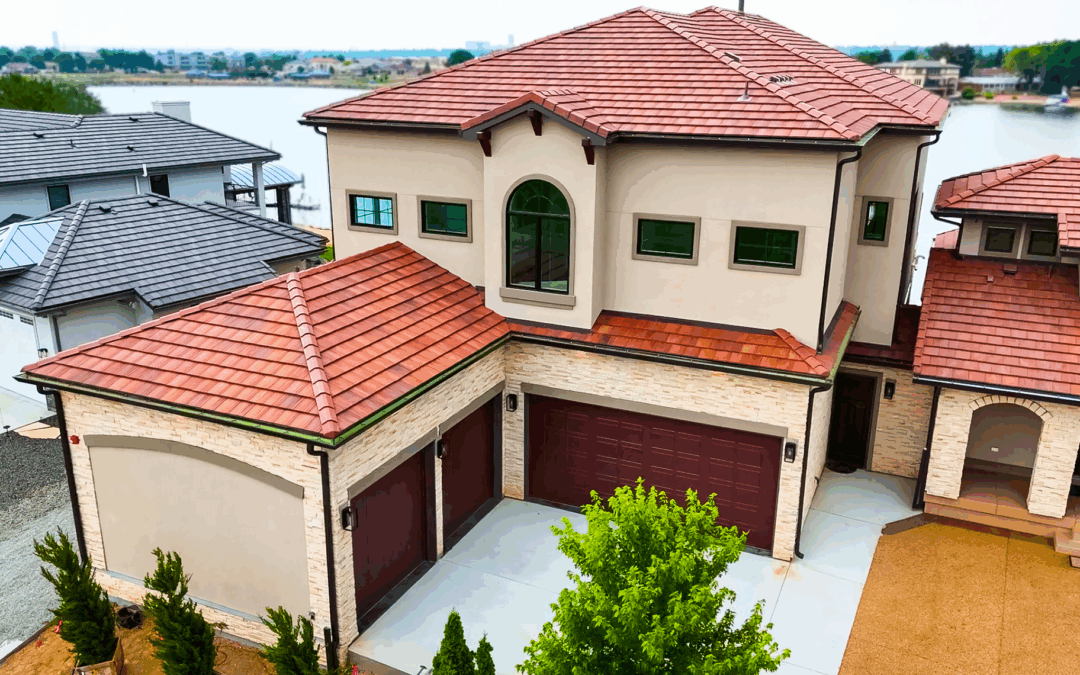
The cost to add a high-end custom addition typically ranges from $300,000 to $600,000+, with complex projects often exceeding $550 per square foot depending on architecture, structural requirements, material selections, and finish level. These additions may include large primary suites, expansive kitchen additions, indoor-outdoor living areas, multi-room expansions, wellness spaces, or highly customized living environments. Because these projects are deeply personalized, early planning, detailed design, and professional construction coordination are essential to establishing a realistic budget.
Jun 11, 2026 | Construction Progress
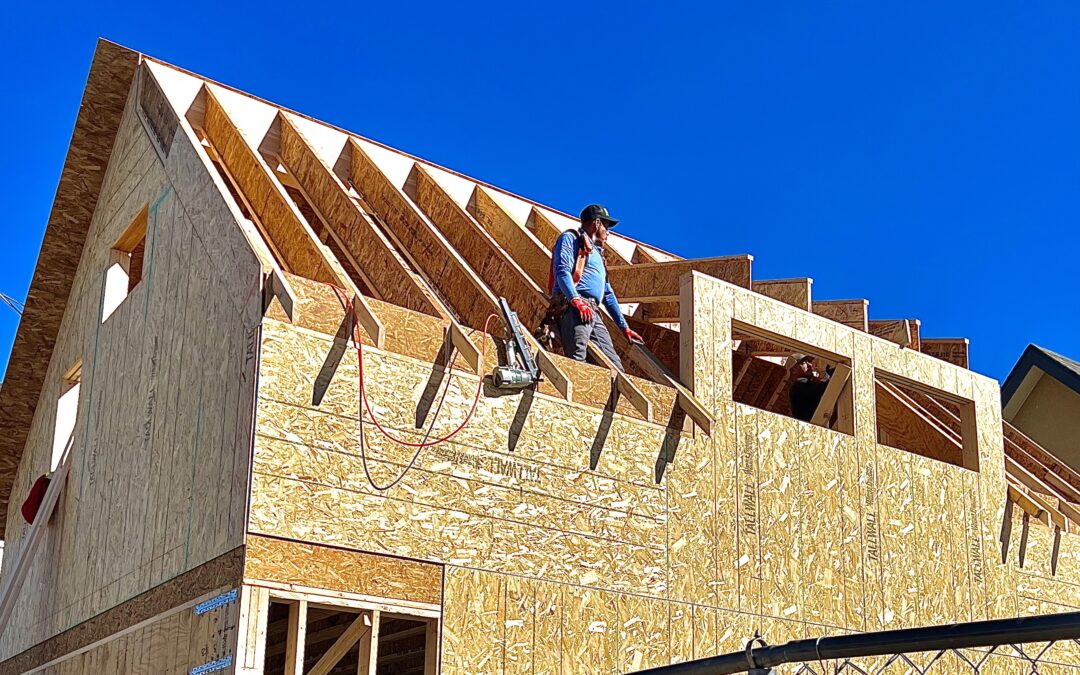
The cost to add second-story/pop-top additions in Denver typically ranges from $200,000 to $500,000+, depending on structural requirements, square footage, engineering complexity, and finish selections. Most homeowners can expect costs between $250 and $500 per square foot when accounting for roof removal, structural reinforcement, utility modifications, and complete reconstruction of upper-level living spaces. While these projects require significant planning and investment, they often provide the largest increase in usable square footage without sacrificing yard space.

Recent Comments