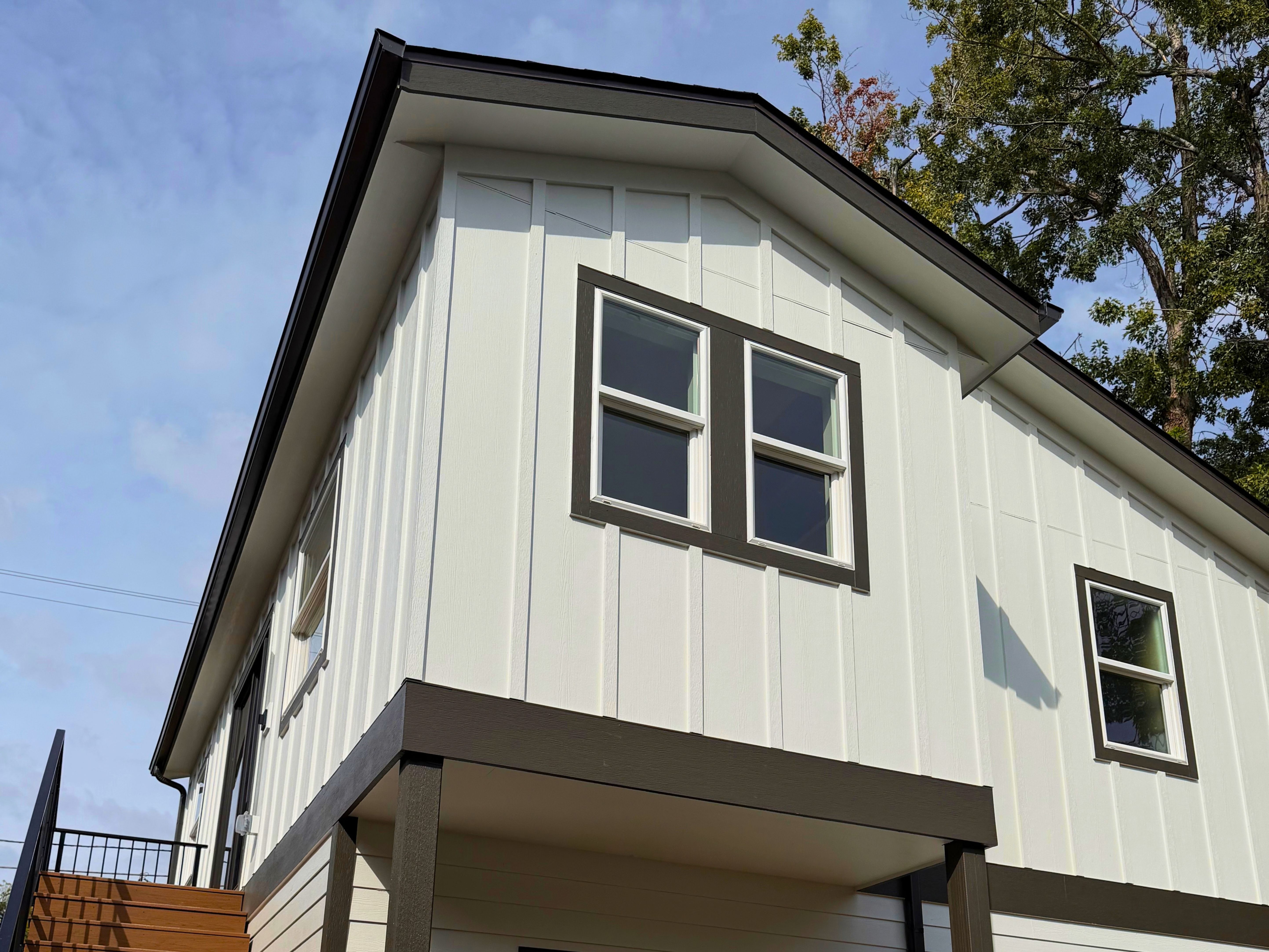
Sep 29, 2026 | ADU
Accessory Dwelling Units have become one of the most practical ways Denver homeowners can add functional living space, increase the usefulness of their property, and create flexible housing for family, guests, work, or long-term rental use. But just because these projects are well known and growing in popularity, does not mean that they are easy. Building an ADU is a large home remodeling project and comes with numerous steps all of which need to be considered carefully. Which is why Sustainable Design Build wants to provide an updated and complete guide to building an ADU in Denver.
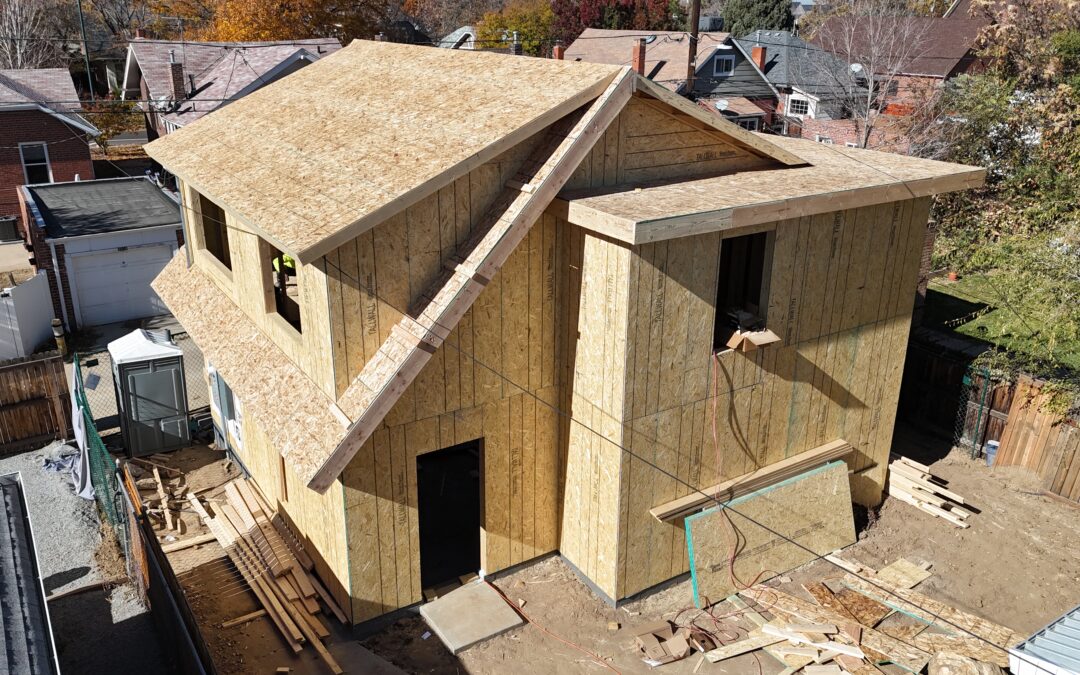
Aug 25, 2026 | ADU
Many existing detached garages were constructed as non-living accessory structures, often with garage-specific slab and foundation assemblies. Turning that structure into an accessory dwelling unit changes the project into habitable residential space and introduces different requirements for the foundation, structure, insulation, energy efficiency, utilities, life safety and building envelope.
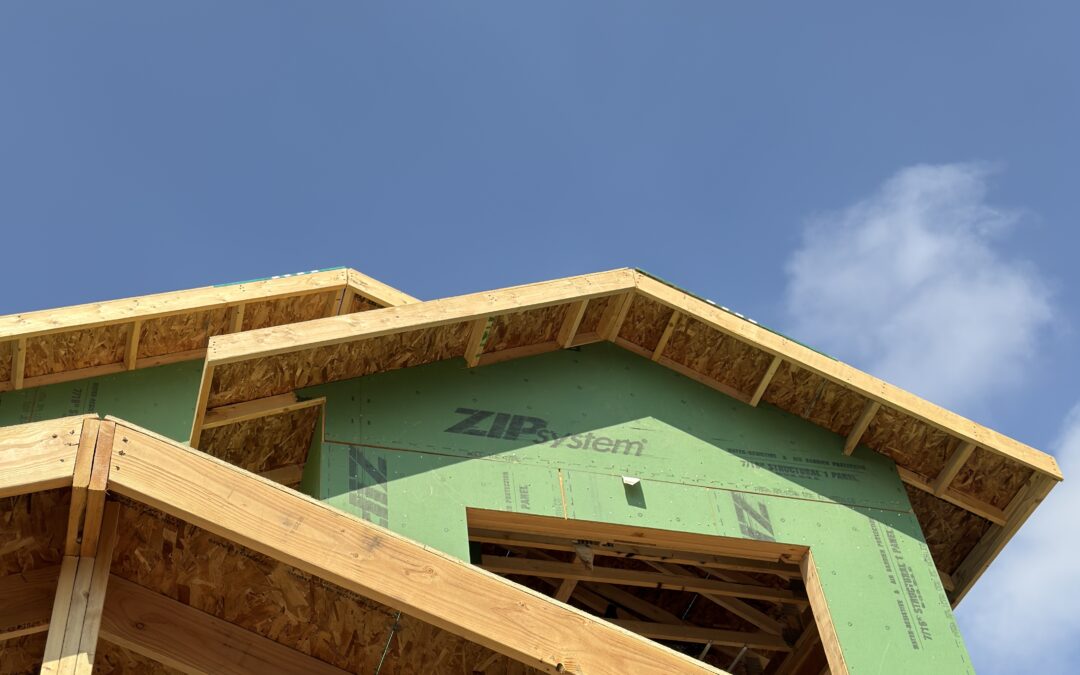
Aug 18, 2026 | ADU
Yes. Many Denver homeowners can build an accessory dwelling unit to create a private residence for parents or other family members while keeping multiple generations close together. The most successful ADU projects begin with professional feasibility and zoning analysis to determine what can be built, what it may cost, and how the design can maximize the long-term usefulness of the property.
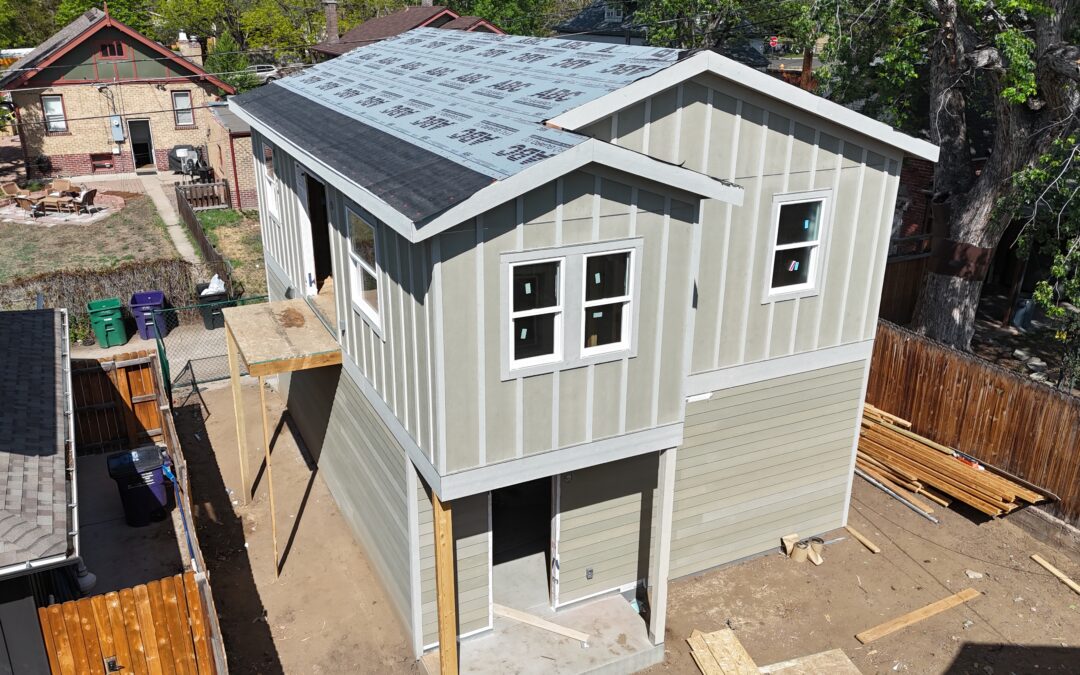
Aug 13, 2026 | ADU
For many Denver single-unit properties where ADUs are permitted, lots of 7,000 square feet or less may allow an ADU up to 864 square feet, while lots larger than 7,000 square feet may allow up to 1,000 square feet. However, maximum ADU size is not determined by lot size alone. Zoning, setbacks, building coverage, building form, access, and property-specific conditions can determine what can actually be constructed.
Apr 8, 2026 | ADU
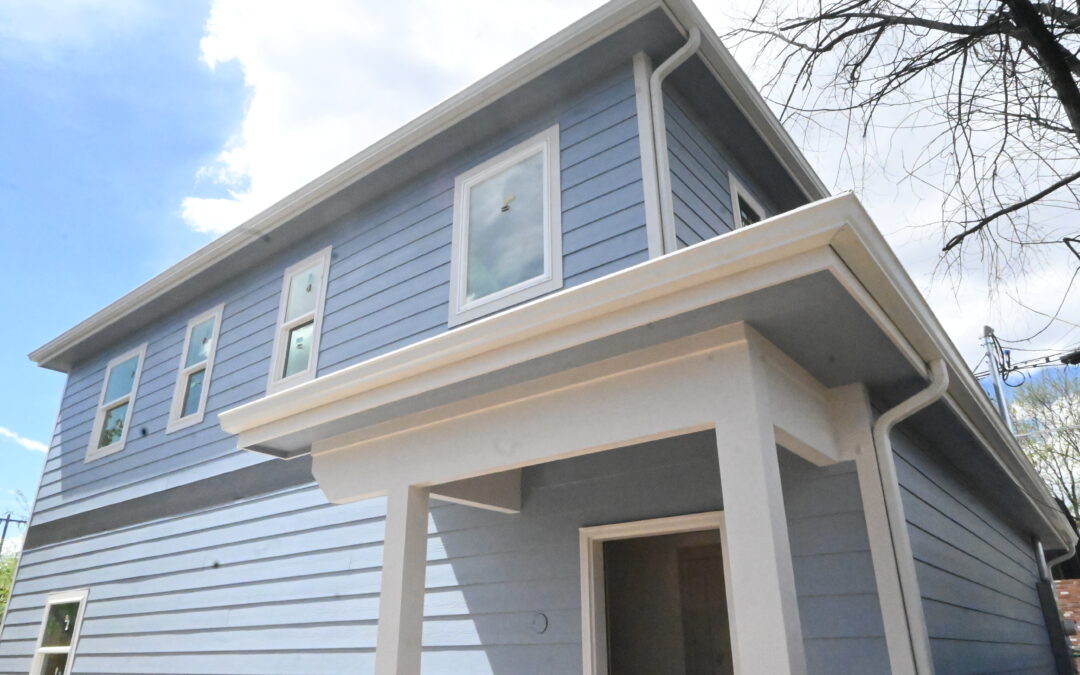
Aging-in-place ADU design in Denver with thoughtful planning, accessibility, and a trusted design-build approach.
Apr 7, 2026 | ADU
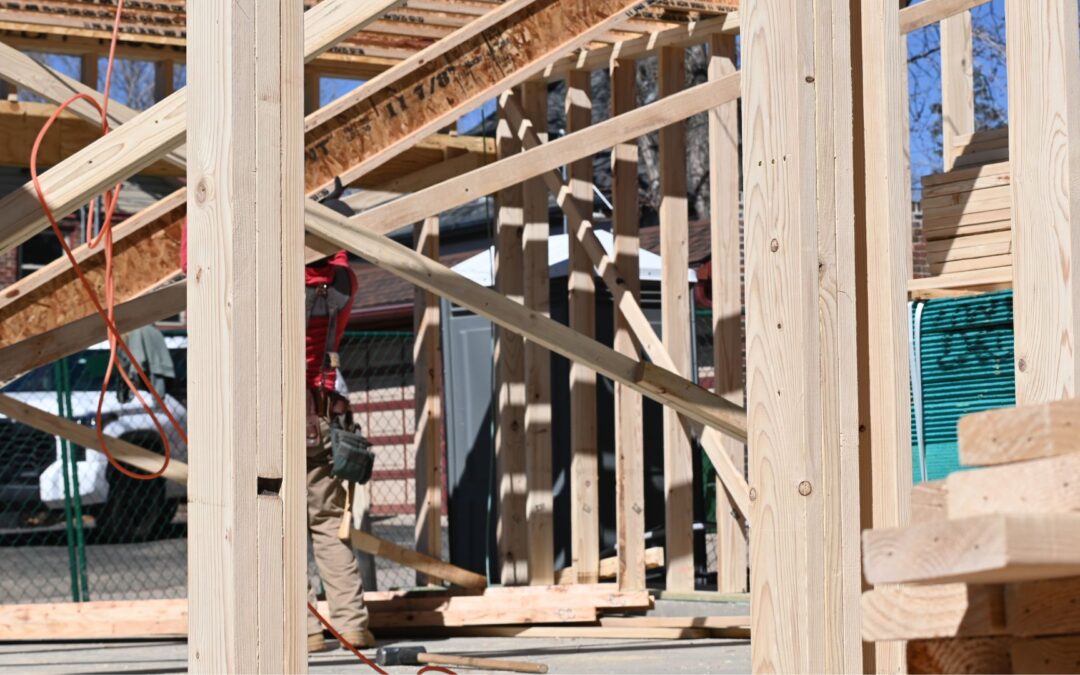
This takes into consideration all phases of the ADU construction project including; designing, permitting, construction, and final inspection.Sustainable Design Build has been a leader in building an ADU here in Denver for nearly a decade now. For Denver and the surrounding Metro Areas, an Accessory Dwelling Unit takes 9 – 18 months to complete.
Apr 6, 2026 | ADU, Home Addition
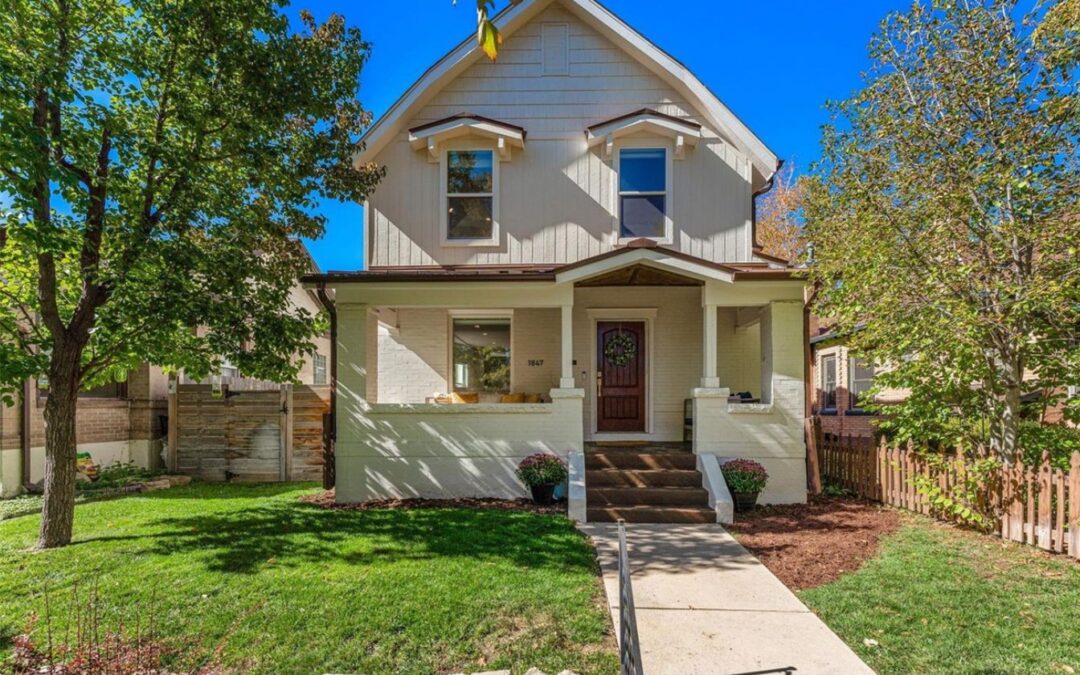
A Denver bungalow pop top is a home addition that adds a second story to a traditional single-story bungalow, increasing square footage while maintaining the home’s original footprint. This type of renovation is popular in Denver neighborhoods where preserving lot size and character is important, while still gaining modern living space.
Apr 2, 2026 | ADU
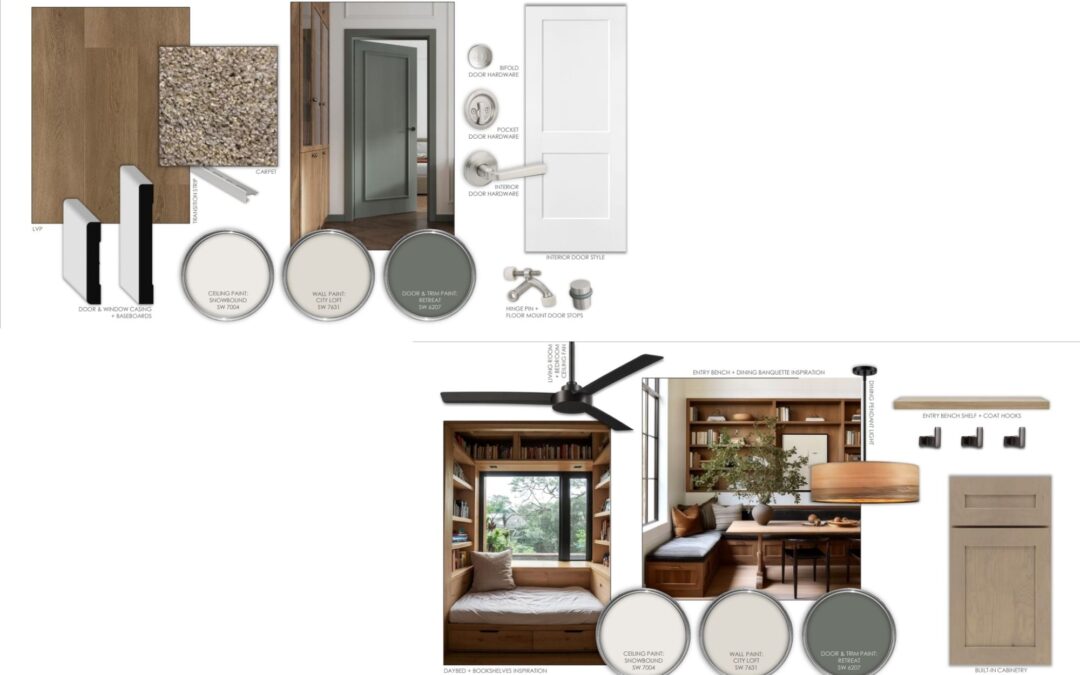
Interior design for ADUs focuses on making compact spaces feel functional, open, and comfortable. In Denver, successful ADU interiors balance layout efficiency, natural light, and durable materials that support daily living and long-term value. The best designs prioritize how the space is actually used while aligning with site conditions and the overall home design.
Mar 30, 2026 | ADU
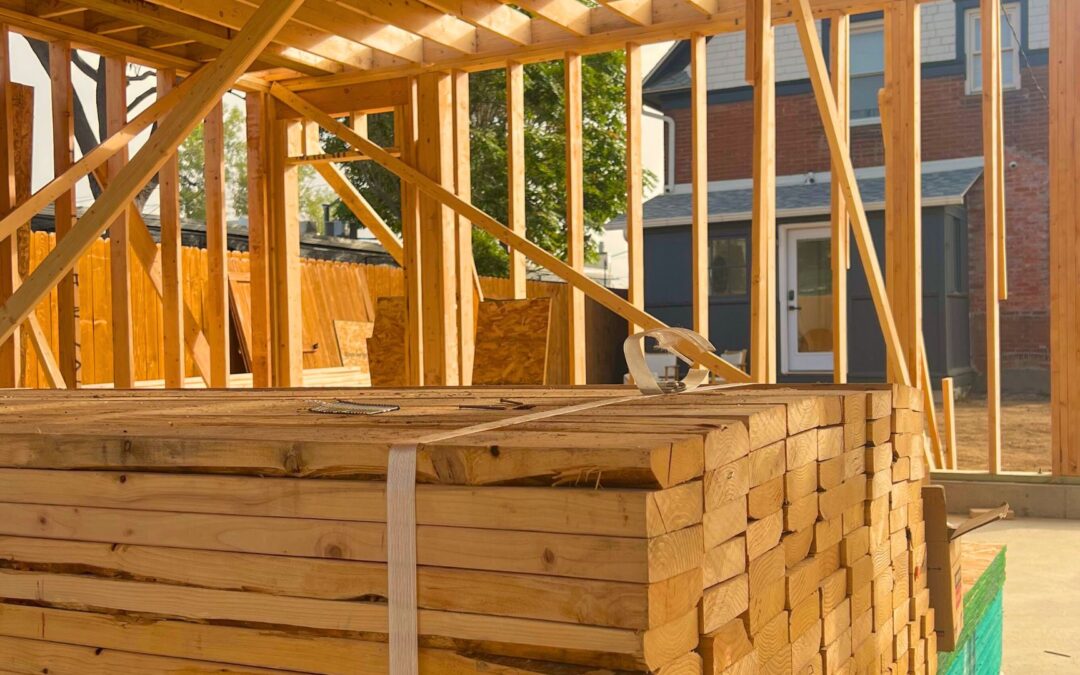
Colorado’s HOME Act and related lot split legislation signal an important shift in housing policy by making it easier for qualifying residential lots to be divided into two buildable parcels beginning in late 2027. While that does not create an immediate action item for most homeowners, it does reinforce a broader trend toward flexible residential development, stronger infill housing strategies, and continued interest in ADUs across Denver.
Mar 27, 2026 | ADU
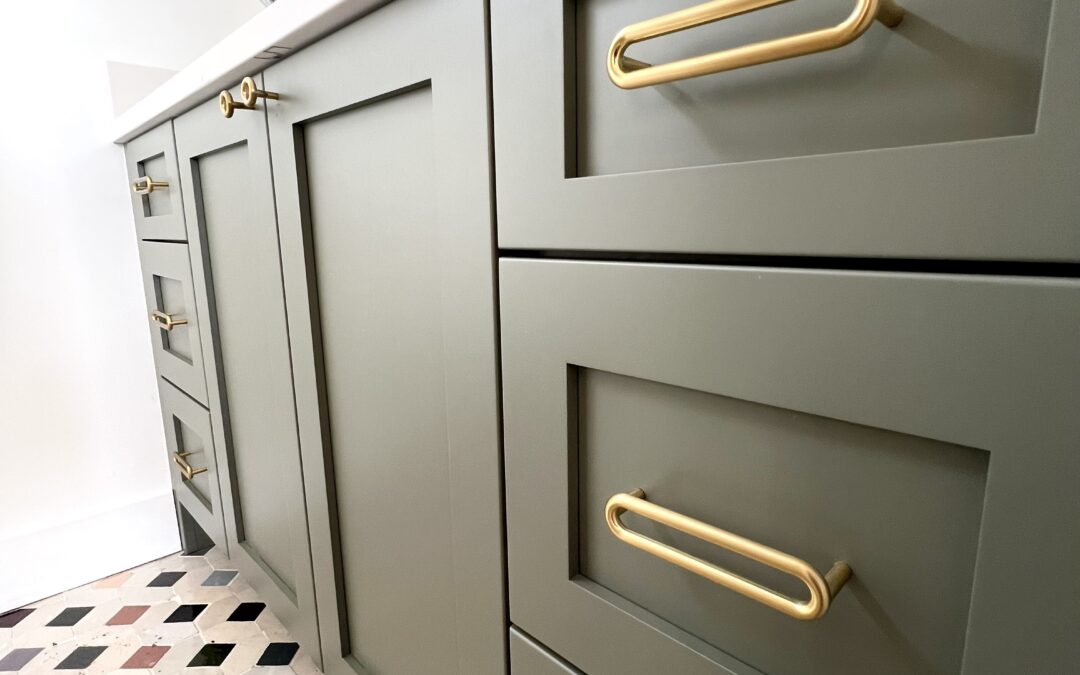
ADU design in Denver combines efficient layouts, thoughtful interior design, and long-term planning to create flexible living spaces. A well-designed ADU maximizes small square footage while improving property value and usability.\
Mar 26, 2026 | ADU
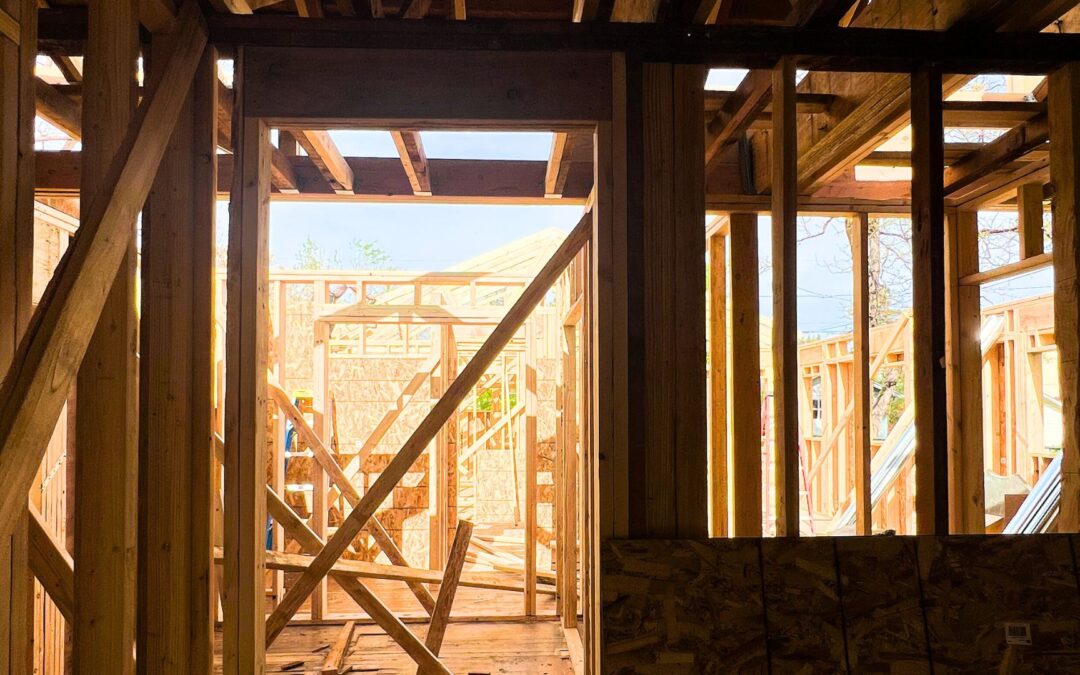
Choosing between a detached vs attached ADU in Denver depends on budget, space, and long-term goals. Detached ADUs offer greater privacy, rental potential, and flexibility as a separate structure, while attached ADUs are more cost-effective and easier to build by using existing space. Homeowners should evaluate lot size, zoning, and intended use to determine which ADU type best fits their property.
Mar 25, 2026 | ADU
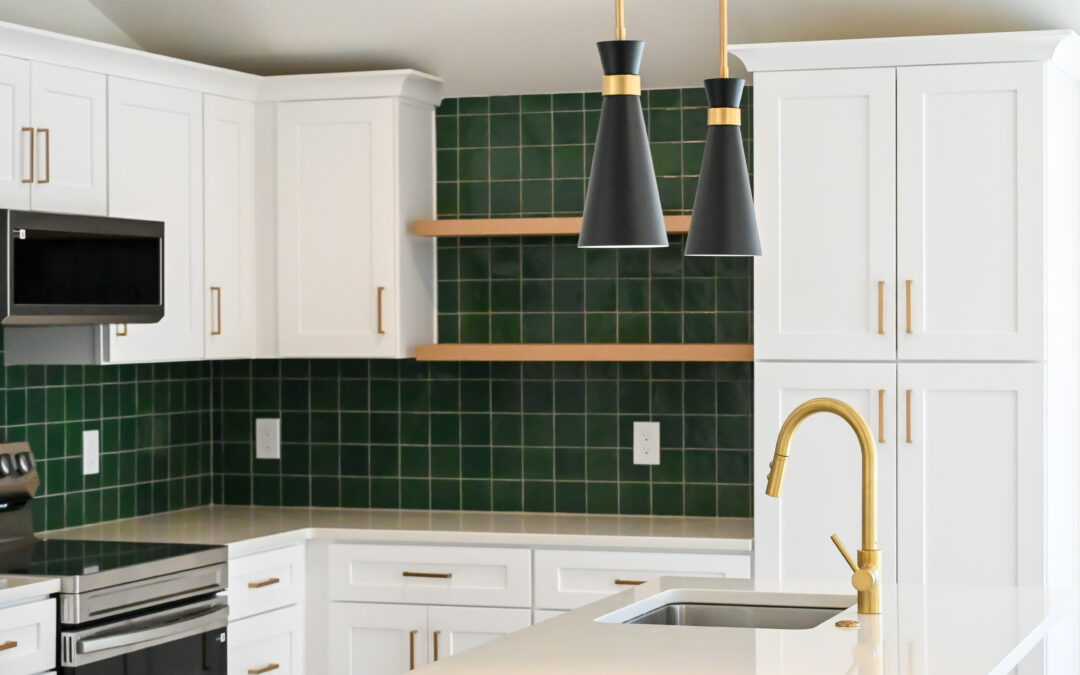
ADU interior design maximizes small spaces through open layouts, natural light, and multi-functional elements. A design-build approach ensures these strategies are integrated early, creating efficient, comfortable living spaces.
Mar 24, 2026 | ADU
Building an ADU in Denver allows homeowners to increase property value, create rental income, and support multi-generational living. With updated zoning laws and growing housing demand, ADU construction has become one of the most effective ways to maximize property potential while maintaining flexibility for future use.
Mar 23, 2026 | ADU
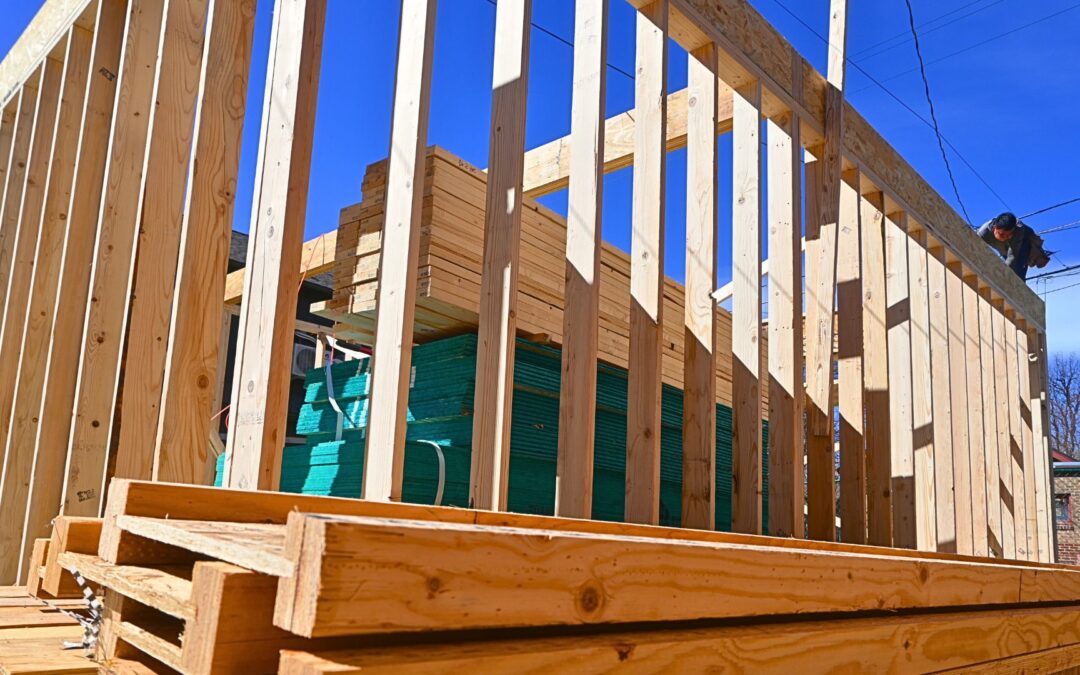
Building an ADU in Denver allows homeowners to increase property value, create rental income, and support multi-generational living. With updated zoning laws and growing housing demand, ADU construction has become one of the most effective ways to maximize property potential while maintaining flexibility for future use.
Mar 20, 2026 | ADU
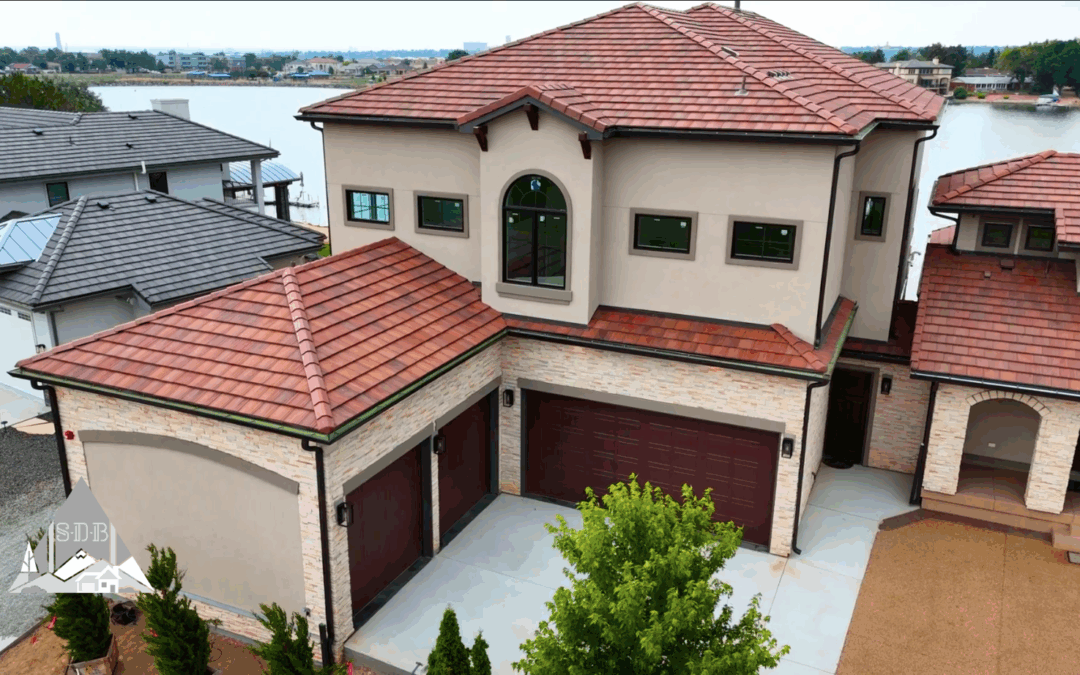
Planning an ADU in Denver is more efficient with a design-build approach that integrates architecture, interior design, and construction under one team. Sustainable Design Build uses a contractor-led process to align design decisions with real-world construction, helping homeowners reduce delays, control costs, and achieve a more predictable, coordinated build from concept through completion.
Mar 19, 2026 | ADU
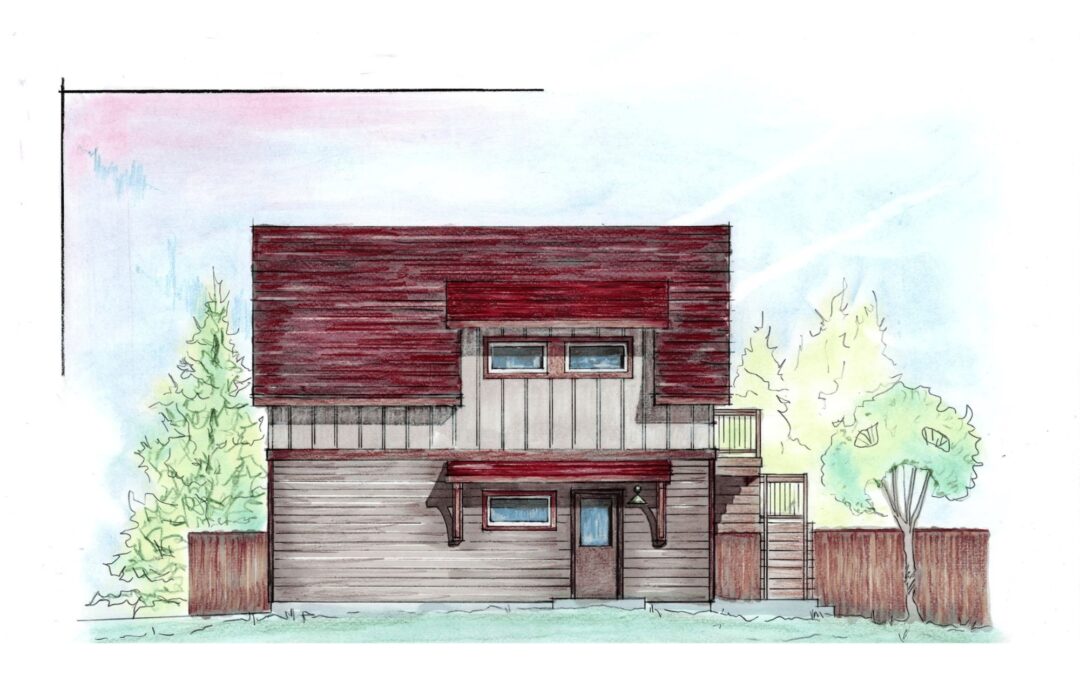
Building an Accessory Dwelling Unit (ADU) in Denver can add flexibility, value, and long-term income potential to a property. However, zoning regulations, design considerations, permitting timelines, and construction costs require careful planning. Understanding Denver’s ADU requirements and working with an experienced design-build team can streamline the process and help homeowners avoid costly missteps.
Mar 18, 2026 | ADU
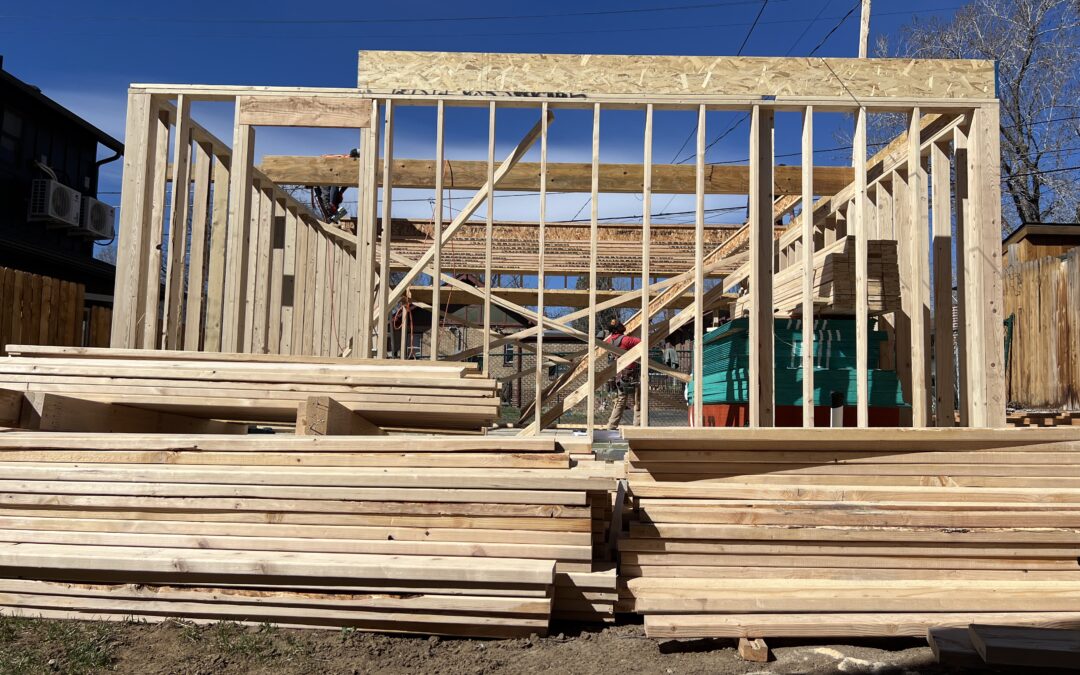
Accessory Dwelling Units (ADUs) continue to gain traction across Denver as homeowners look for flexible living solutions, rental income opportunities, and ways to maximize their property. At Sustainable Design Build, ADU projects are approached with a clear understanding that zoning is often the most critical first step. Before design begins, it is essential to understand how Denver’s zoning code shapes what is actually possible on a given lot.
Mar 16, 2026 | ADU
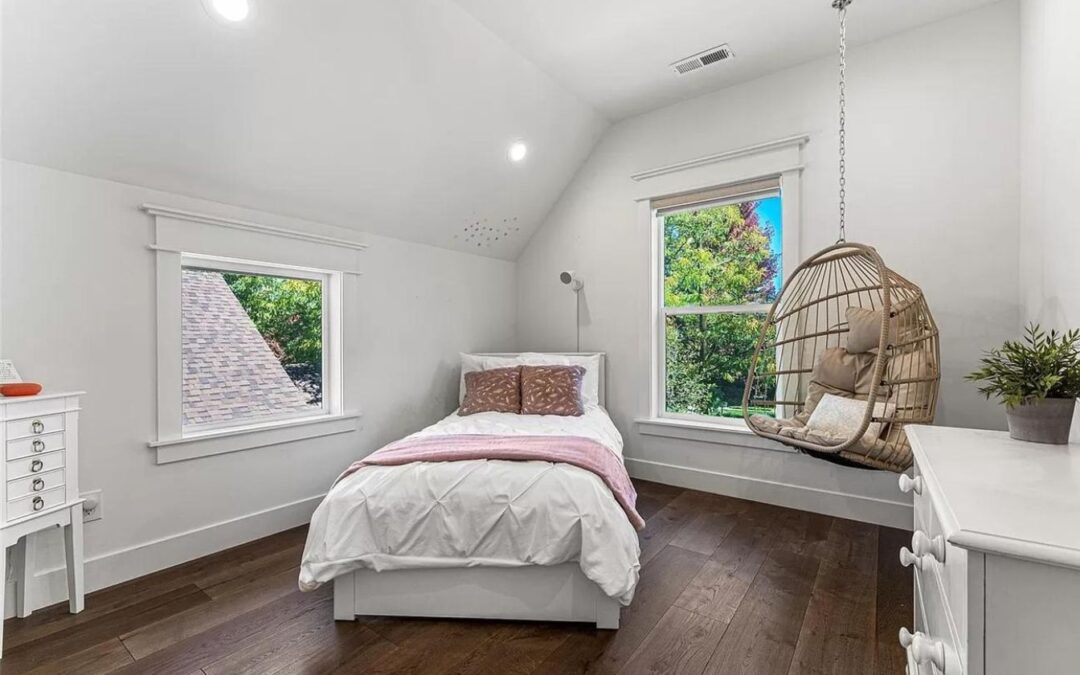
Denver’s recent enforcement on short-term rental permits for accessory dwelling units (ADUs) highlights a key reality. Homeowners benefit most from ADUs when they are properly designed, permitted, and built for long-term flexibility. While short-term rental potential exists, the true value of an ADU lies in multigenerational living, passive income, and future property adaptability.
Mar 13, 2026 | ADU, Home Addition
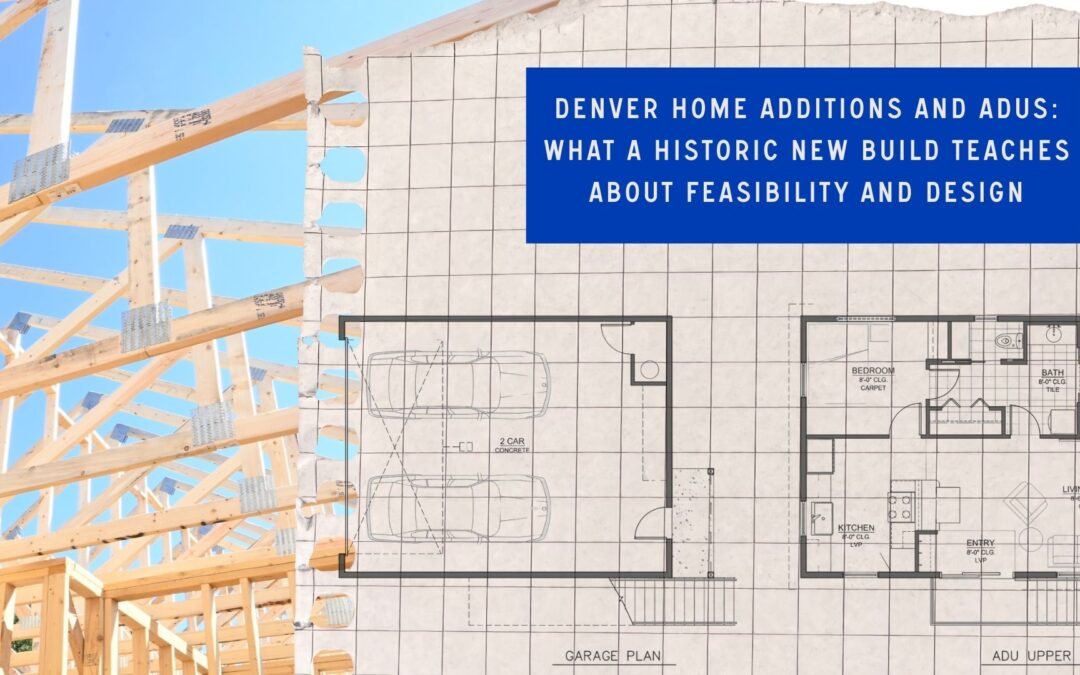
Denver home additions and ADUs require more than design ideas. Successful projects depend on feasibility, zoning, and early planning. A concept-driven approach helps homeowners understand what is possible, what it will cost, and how to move forward with confidence.
Mar 4, 2026 | ADU
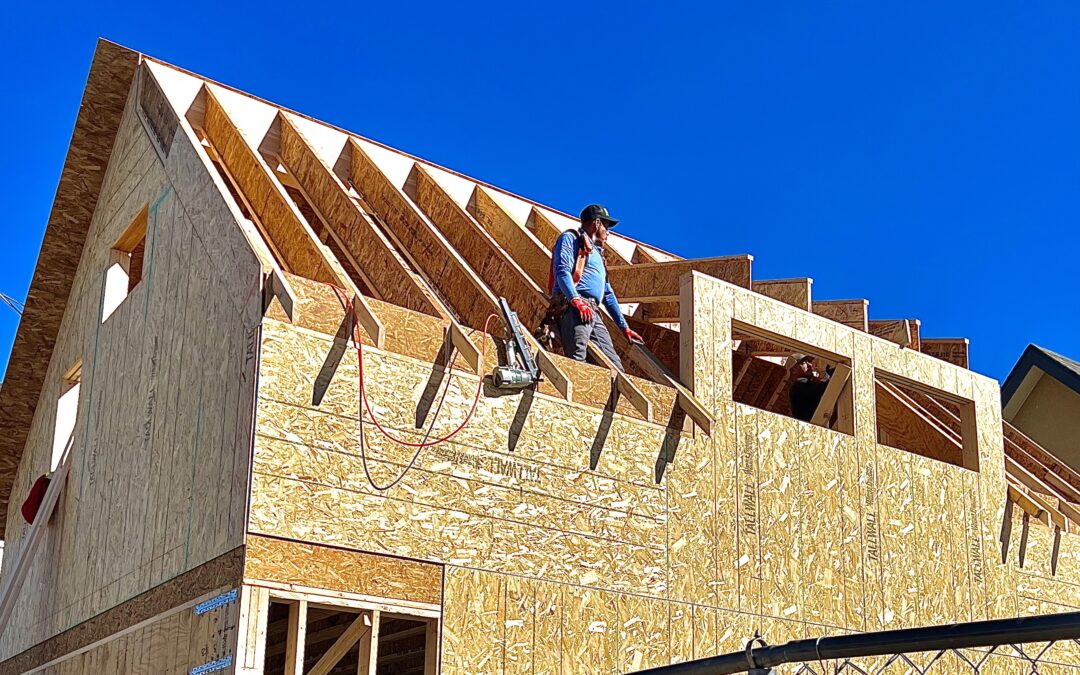
Converting a garage ADU is one of the most efficient ways to add rental income or additional living space to a property. Garage ADU projects typically cost $100,000 to $150,000+, take 5 to 9 months, and require zoning approval, structural upgrades, and building permits. When completed properly, a garage ADU can significantly increase property value while maintaining the existing building footprint.
Feb 26, 2026 | ADU
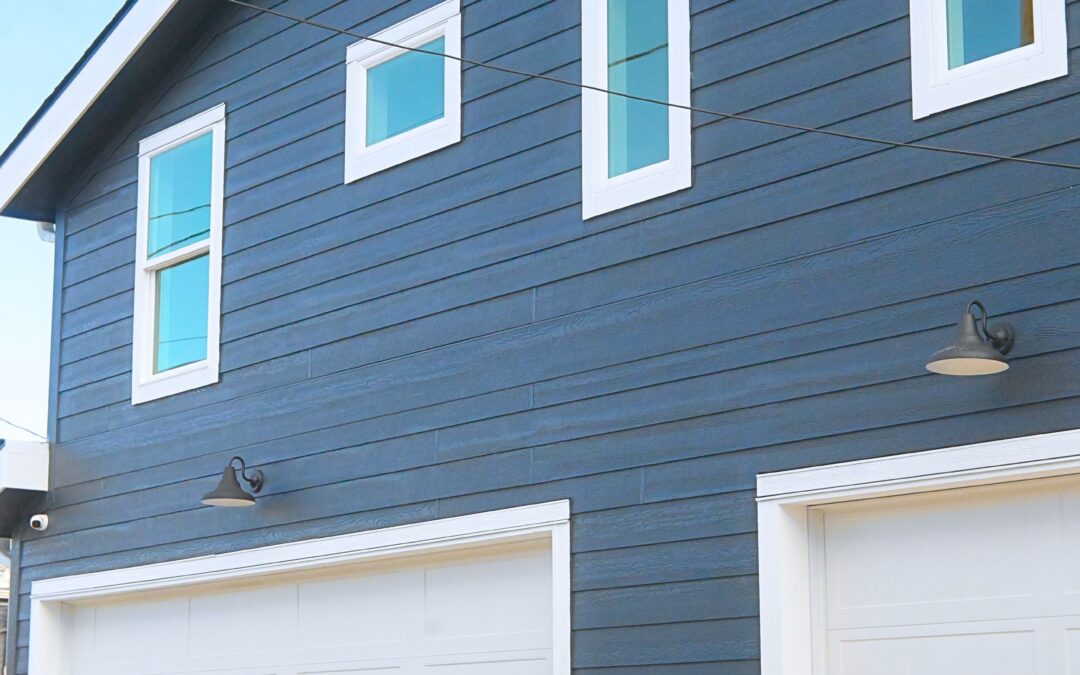
Denver residents pursue Accessory Dwelling Units (ADUs) to create rental income, support multigenerational living, increase property value, and gain long-term flexibility in a rising housing market. As zoning policies evolve and housing demand grows, ADUs offer a practical way to maximize existing property while adapting to lifestyle changes.
Jan 27, 2026 | ADU
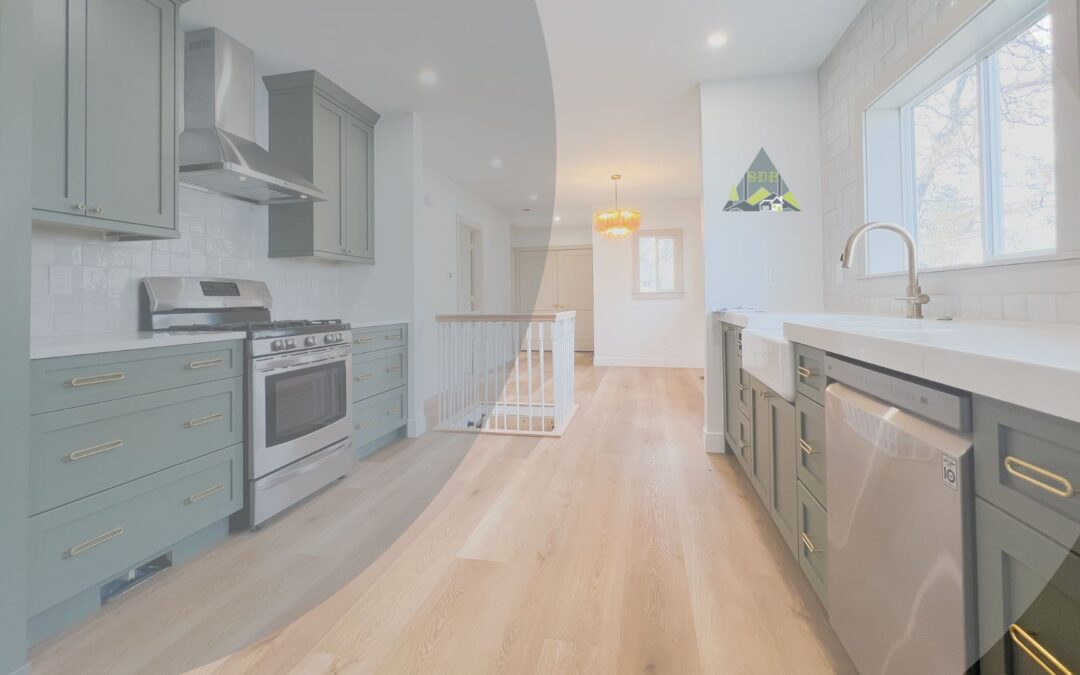
ADU Construction in Littleton is governed by Littleton Zoning and the Littleton Permit process, which control where accessory dwelling units are allowed, how they are designed, and how they are approved. Many homeowners encounter zoning setbacks, lot size limits, and owner-occupancy rules that affect feasibility. Sustainable Design Build guides homeowners through Littleton zoning review, ADU planning, and permitting to ensure compliant and efficient project approval.
Jan 13, 2026 | ADU
Accessory Dwelling Units (ADUs) in Denver require careful attention to zoning, permitting, and occupancy rules before construction begins. Homeowners must confirm lot eligibility, understand height and size limits, navigate city permitting timelines, and comply with owner-occupancy requirements. Working with an experienced design-build contractor helps streamline approvals, reduce redesign risks, and ensure the ADU is built legally and efficiently within Denver regulations.

Dec 24, 2025 | ADU, Wheat Ridge
A Wheat Ridge ADU offers homeowners a practical way to create flexible living space while increasing long-term property value. With updated zoning regulations and a more accessible permitting process, building an accessory dwelling unit in Wheat Ridge is now a viable option for families seeking multigenerational housing, rental income potential, or future-ready living without leaving their established neighborhood.
Oct 9, 2025 | ADU
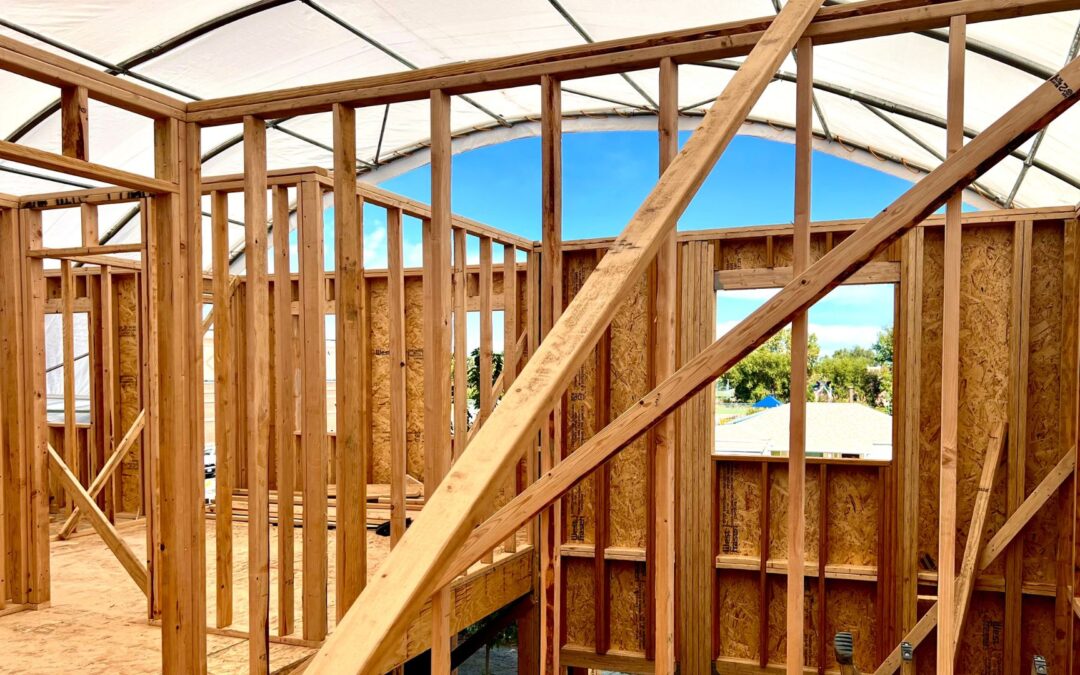
Building an Accessory Dwelling Unit (ADU) is one of the most rewarding ways to expand your property’s potential. Whether you are creating a private guest suite, a home office, or a rental unit for additional income, an ADU allows you to enhance your home’s livability and long-term value. Once your design is finalized, the next phase—construction—is where your vision starts to take shape.
Sep 30, 2025 | ADU
Accessory Dwelling Units (ADUs) are gaining attention nationwide as homeowners look for creative ways to expand housing options, increase property value, and create intergenerational living opportunities. A recent feature from Business Insider illustrates how one California couple built a $500,000 ADU in their parents’ backyard to offset housing costs while gaining flexibility for their family (Lloyd, 2025). Although Denver’s housing market has its own dynamics, the insights from this case highlight the potential benefits and considerations for local homeowners.
Sep 9, 2025 | ADU
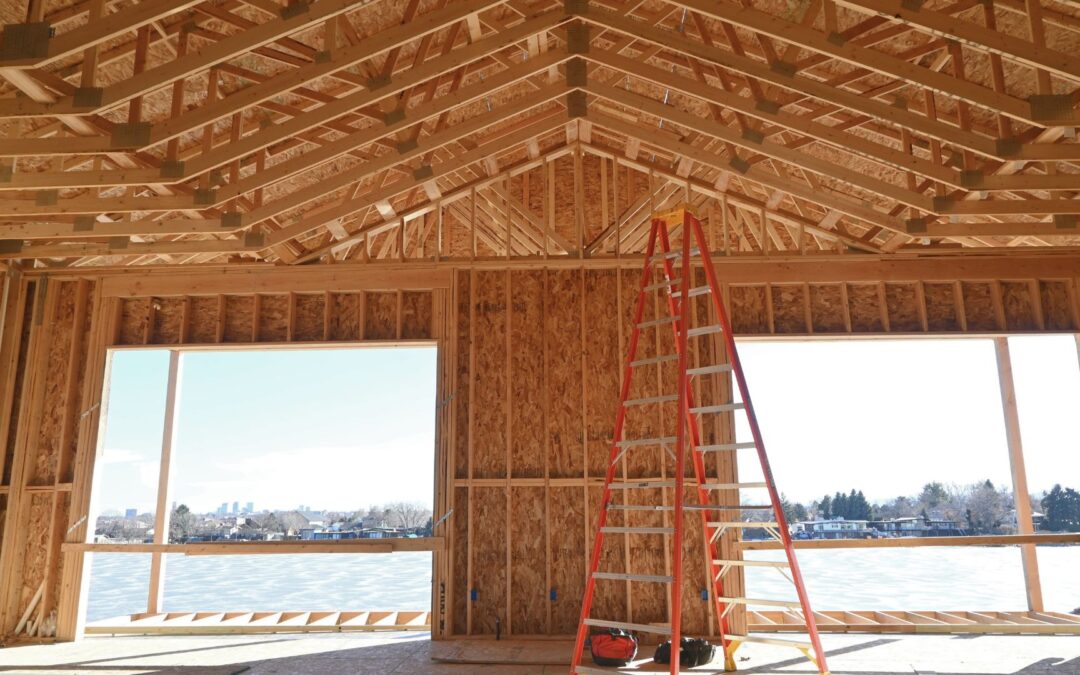
Denver is facing a significant housing challenge over the next decade. According to the city’s Department of Housing Stability, the city will be short approximately 44,000 affordable housing units (Denver7, 2025). While no single solution can address such a gap on its own, one strategy gaining momentum is the construction of Accessory Dwelling Units (ADUs).
Aug 1, 2025 | ADU
As a Denver ADU builder, Sustainable Design Build (SDB) is here to help you navigate the process of building an ADU,from zoning to finishes, and show you how your project can be both functional and luxurious.

Jun 25, 2025 | ADU
When people think of Accessory Dwelling Units (ADUs), affordable housing or modest guest quarters often come to mind. But at Sustainable Design Build (SDB), we’re redefining what an ADU can be.

Jun 4, 2025 | ADU
The City of Littleton is taking a transformative step in addressing Colorado’s housing needs by moving forward with an ordinance to permit Accessory Dwelling Units (ADUs) across all residential zones. Spurred by the recent passage of Colorado House Bill 24-1152, which mandates statewide ADU allowances, this change aligns with the city’s long-term goals outlined in the Envision Littleton Comprehensive Plan. Littleton ADUs—also known as “granny flats” or “in-law suites”—offer a self-contained living space on the same lot as a primary residence, and are increasingly seen as vital tools to accommodate intergenerational families, support aging in place, and create affordable housing options.

Recent Comments