Oct 15, 2026 | Resources
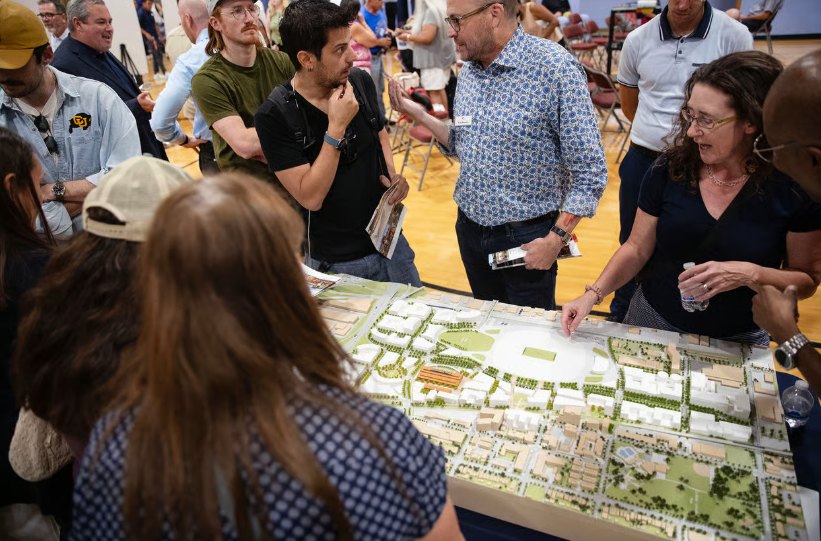
The City of Denver has released the first draft of the Burnham Yard Small Area Plan, a 61-page document that will guide the city’s priorities for the former railyard where the Denver Broncos plan to build their next stadium. The draft contains more than 30 policy recommendations and reflects roughly a year of community input from residents who attended open houses and submitted feedback on the future of the 58-acre site in La Alma Lincoln Park.
Oct 9, 2026 | Resources
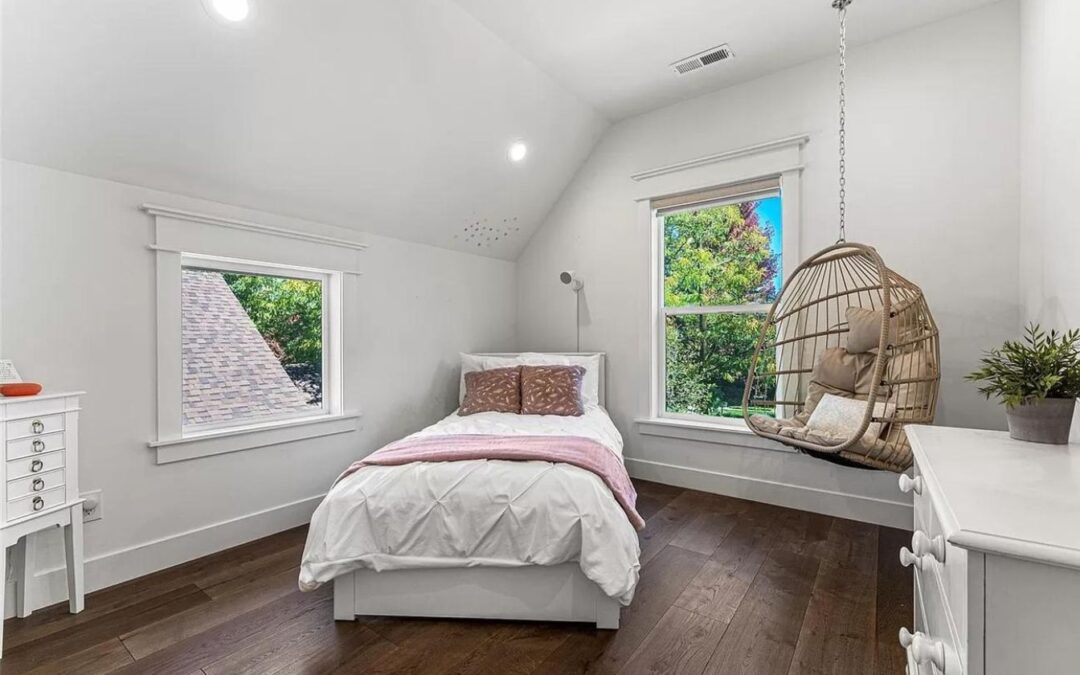
At Sustainable Design Build, we understand that remodeling a home is about more than adding square footage or updating finishes. It’s about designing spaces that accommodate life’s important transitions. For Denver homeowners preparing for a new baby or planning for a larger family, the following home remodeling ideas offer practical ways to create a more comfortable, adaptable living environment.
Oct 5, 2026 | Resources
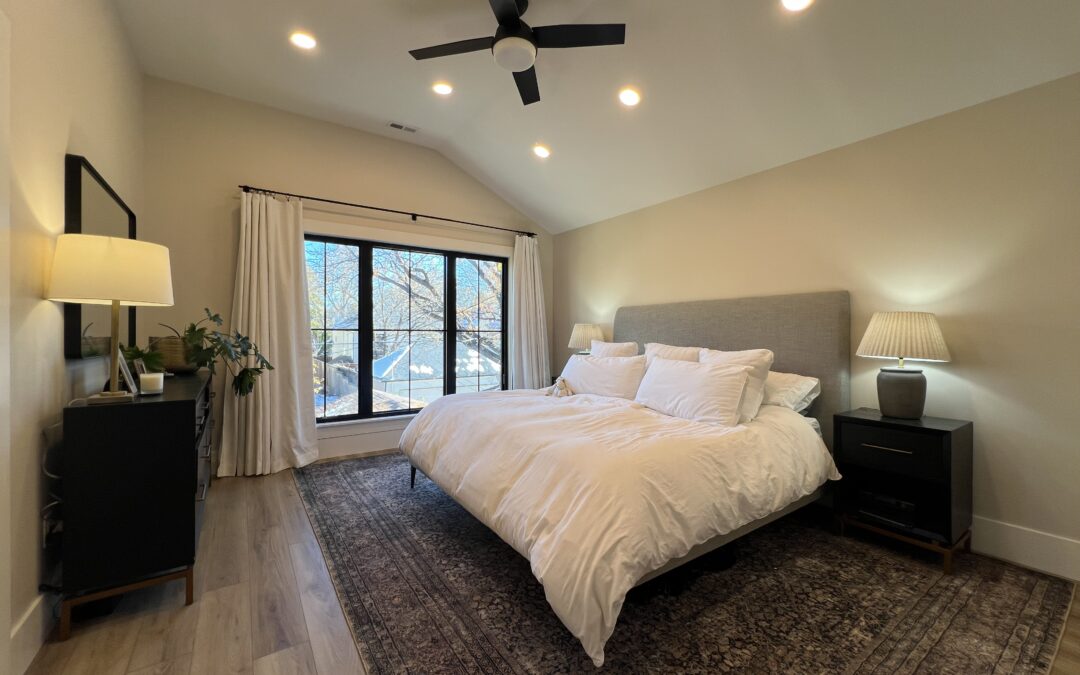
Maternity support at home can include the family, friends, living spaces, and everyday routines that help make pregnancy, welcoming a new baby, and adjusting to life as a growing family a little easier.
Oct 2, 2026 | ADU
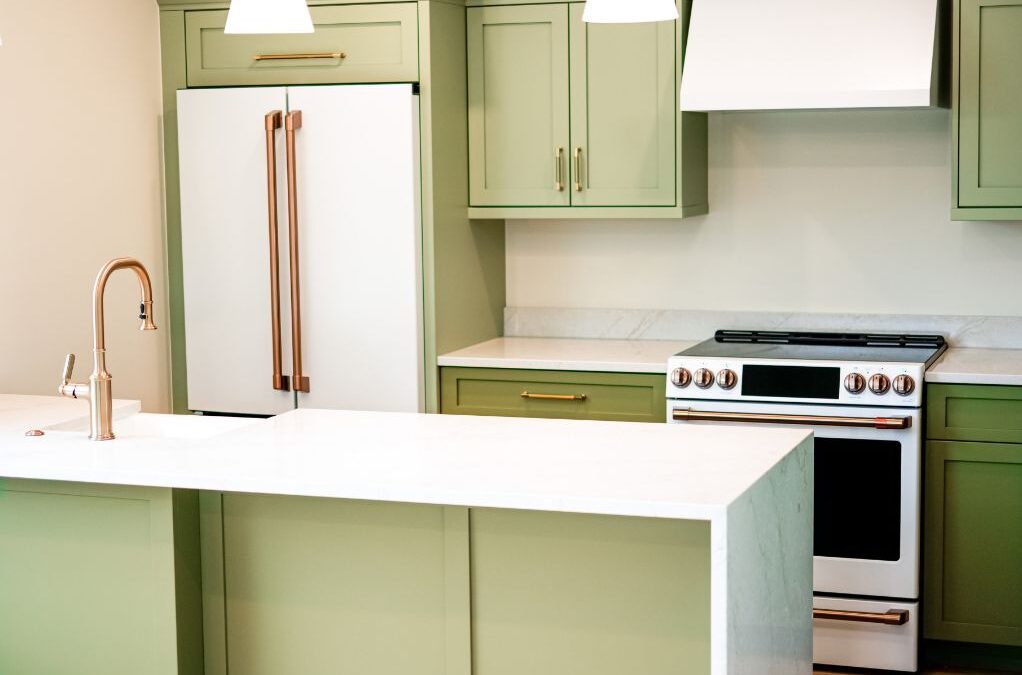
An accessory dwelling unit (ADU) can help new and expecting parents build a stronger family support system by providing independent housing for grandparents or other relatives on the same property. For a new mother, having trusted family members living steps away can make everyday support more accessible during pregnancy, postpartum recovery, and the first years of raising a child. Unlike simply adding another bedroom to a home, an ADU gives extended family a private residence with its own living space, kitchen, bathroom, and entrance while keeping them close enough to help with childcare, meals, errands, household responsibilities, and the everyday demands of a growing family.
Oct 1, 2026 | Construction Progress
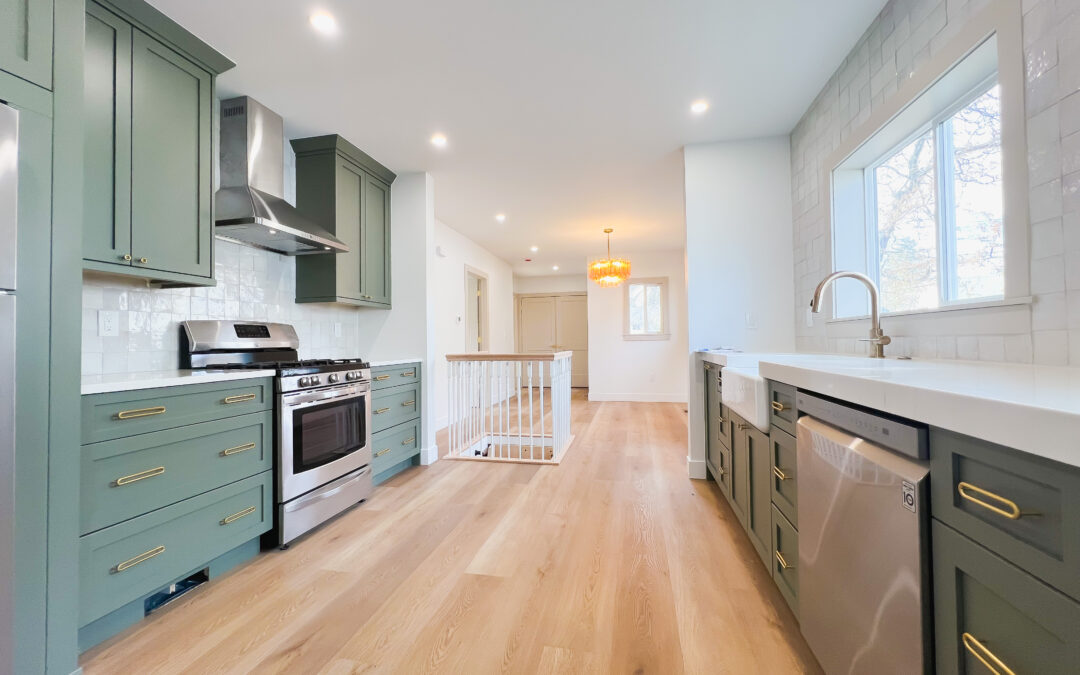
Warm natural kitchens are becoming one of the most popular remodeling trends in Denver as homeowners move away from overly sterile designs and prioritize organic materials, layered lighting, natural wood tones, and functional layouts. These kitchens combine modern functionality with timeless interior design elements that improve both everyday living and long-term home value.
Sep 29, 2026 | ADU
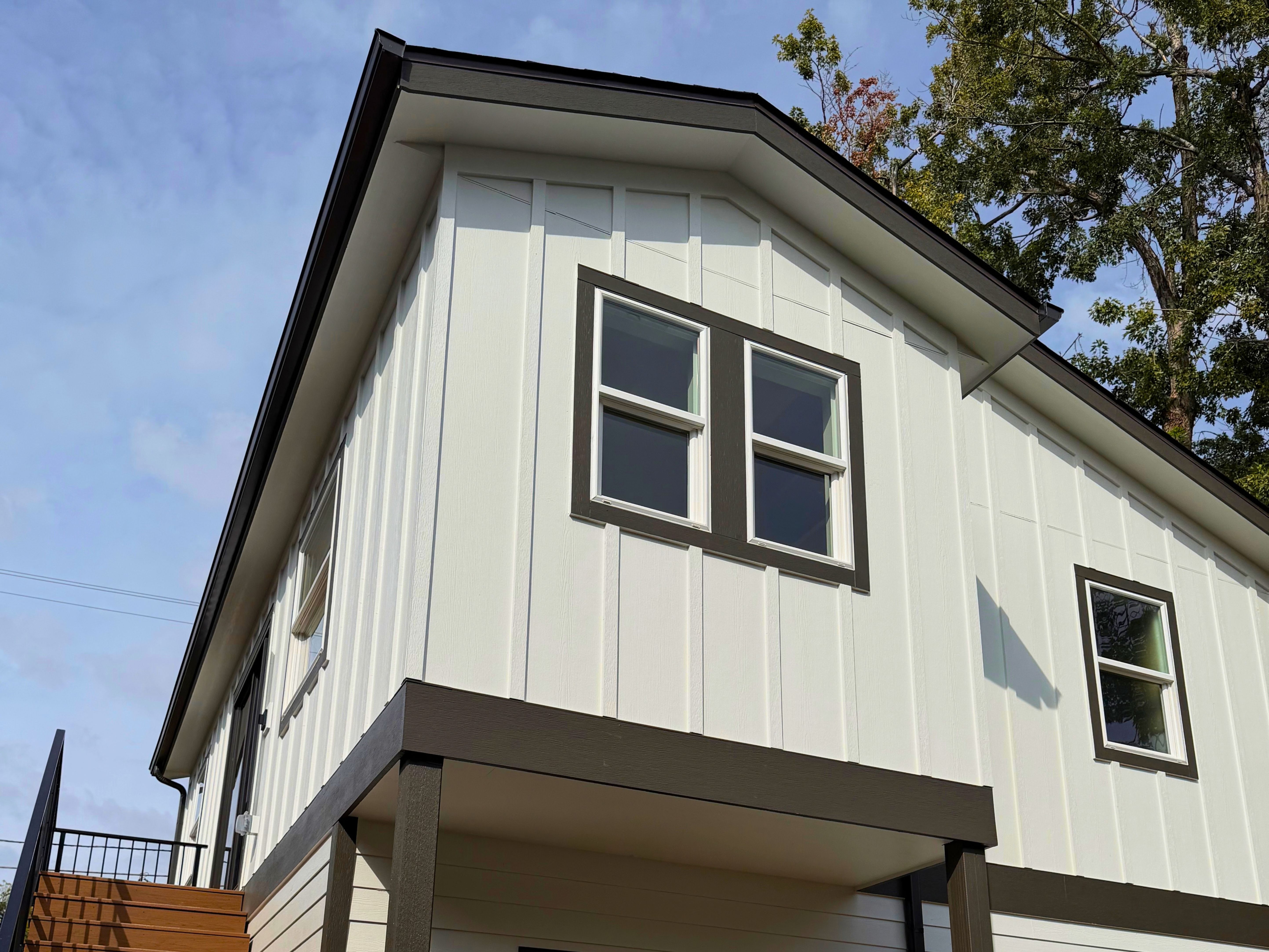
Accessory Dwelling Units have become one of the most practical ways Denver homeowners can add functional living space, increase the usefulness of their property, and create flexible housing for family, guests, work, or long-term rental use. But just because these projects are well known and growing in popularity, does not mean that they are easy. Building an ADU is a large home remodeling project and comes with numerous steps all of which need to be considered carefully. Which is why Sustainable Design Build wants to provide an updated and complete guide to building an ADU in Denver.
Sep 28, 2026 | Home Remodeling
What Is the Most Common Delay in Home Remodeling? A General Contractor’s Perspective can let you know what to watch out for.

Sep 25, 2026 | Construction Progress
A Cherry Hills Village estate once purchased by former Colorado Avalanche defenseman Erik Johnson has returned to the market following several years of extensive renovation, offering a striking example of how an established luxury property can be transformed through thoughtful residential design and construction.
Sep 24, 2026 | Construction Progress
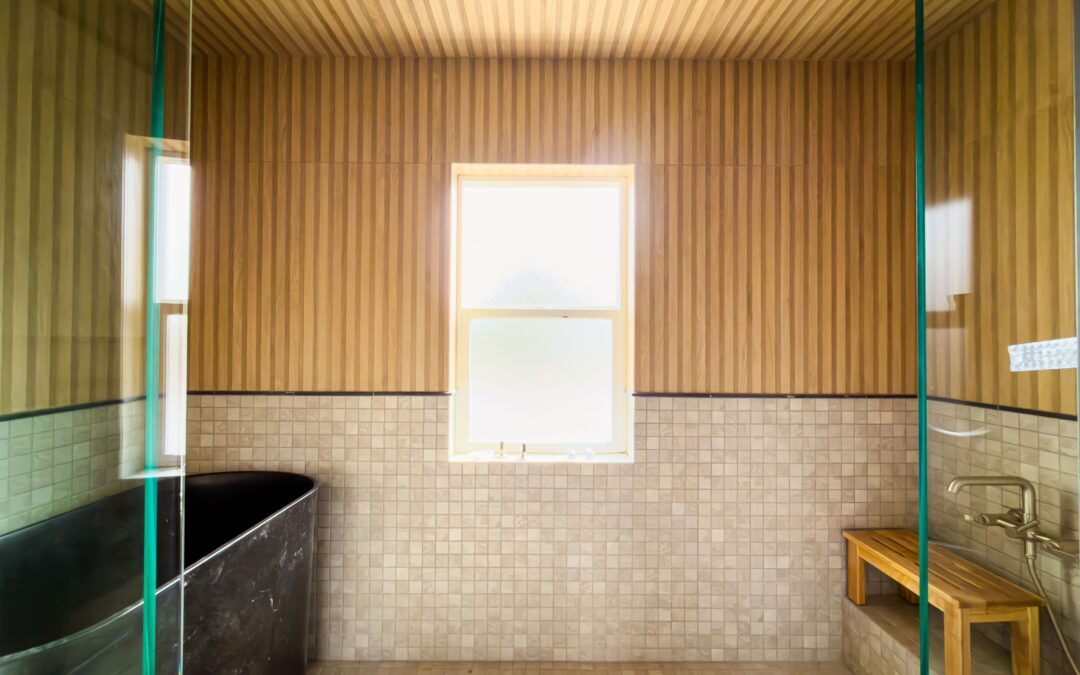
A Denver ADU can do more than add a bedroom and kitchen. Thoughtful interior design can create a dedicated bathing room, flexible work area, adaptable guest space, or storage that supports everyday living. Sustainable Design Build, an ADU general contractor with in-house design services, coordinates these features with the layout and construction plan from the start.
Sep 23, 2026 | Construction Progress
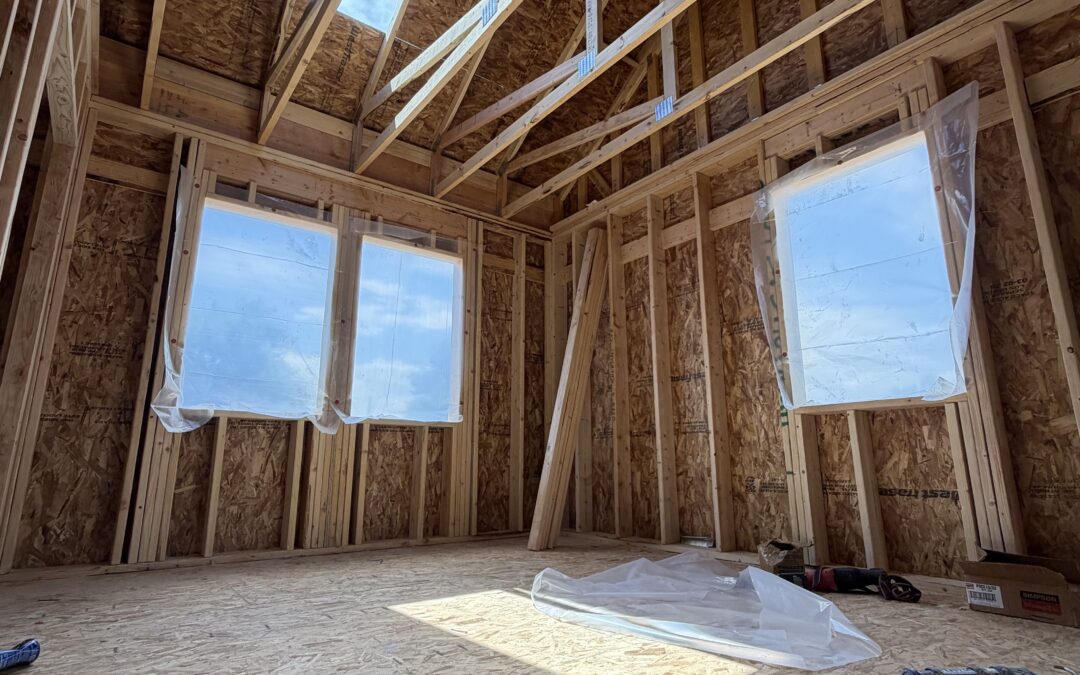
A Denver ADU can do more than add a bedroom and kitchen. Thoughtful interior design can create a dedicated bathing room, flexible work area, adaptable guest space, or storage that supports everyday living. Sustainable Design Build, an ADU general contractor with in-house design services, coordinates these features with the layout and construction plan from the start.
Sep 17, 2026 | Construction Progress
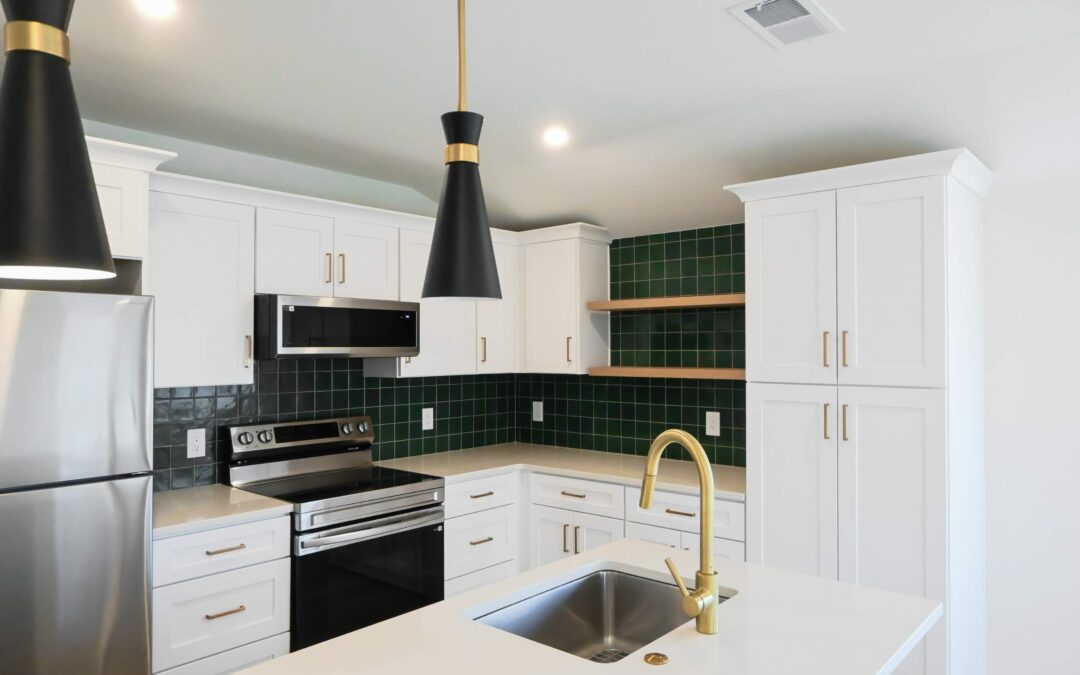
Accessory Dwelling Units (ADUs) are becoming one of the most effective ways Denver homeowners can add flexible living space, rental income, and long-term property value. With updated zoning laws and statewide legislation expanding access, building a custom ADU in the Denver metro area is now more achievable than ever. This guide explains ADU types, costs, regulations, and how Sustainable Design Build helps homeowners plan and construct well-designed ADUs that integrate seamlessly with existing properties.
Sep 16, 2026 | Construction Progress
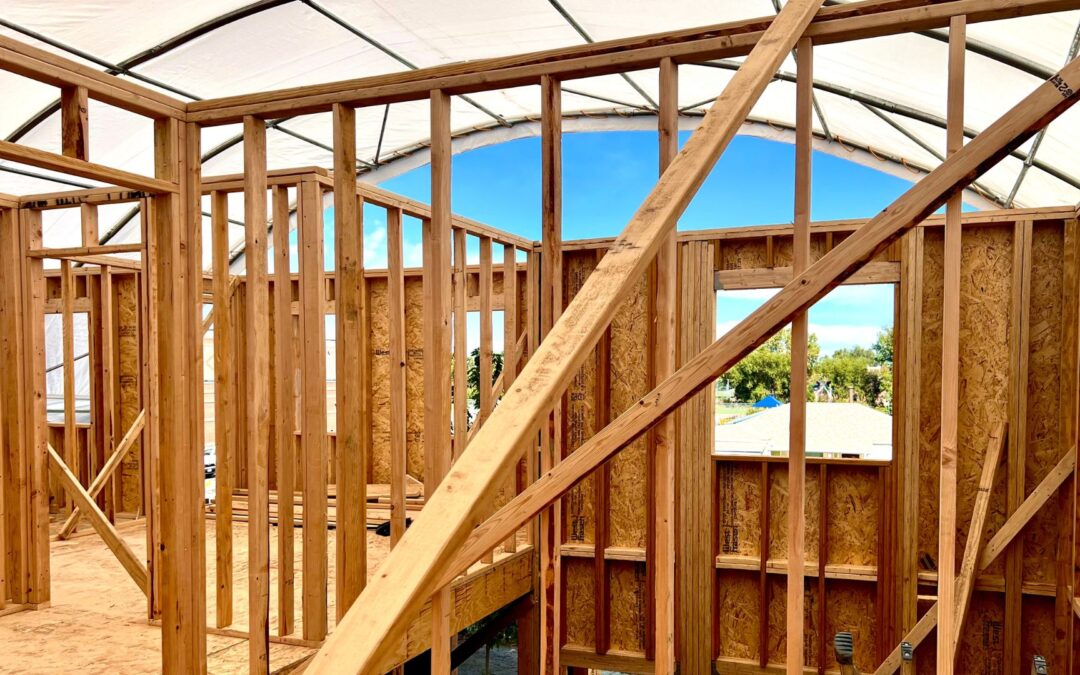
Expanding your home with a home addition is one of the most effective ways to gain space, comfort, and long-term value without moving. Whether you’re planning a new family room, primary suite, or connected guest quarters, the addition process transforms both your home and how you live in it. Once the design and permitting phases are complete, construction begins—and with it comes the exciting (and busy) phase of activity at your property.
Sep 15, 2026 | Construction Progress
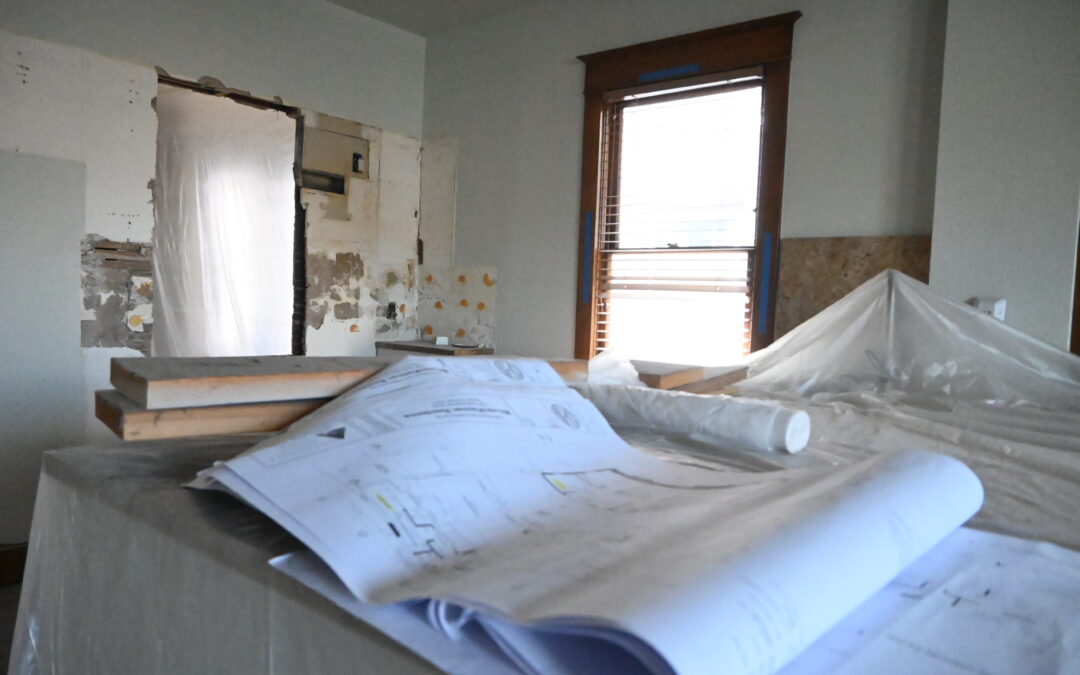
To finish a basement adds valuable living space and boosts property value, but the cost can vary widely on design and materials. According to sources and trends, the average cost to finish a basement ranges between $7 and $23 per square foot. For a 2,500-square-foot basement, homeowners can expect to invest between $17,500 and $57,500 on average
Sep 9, 2026 | Construction Progress
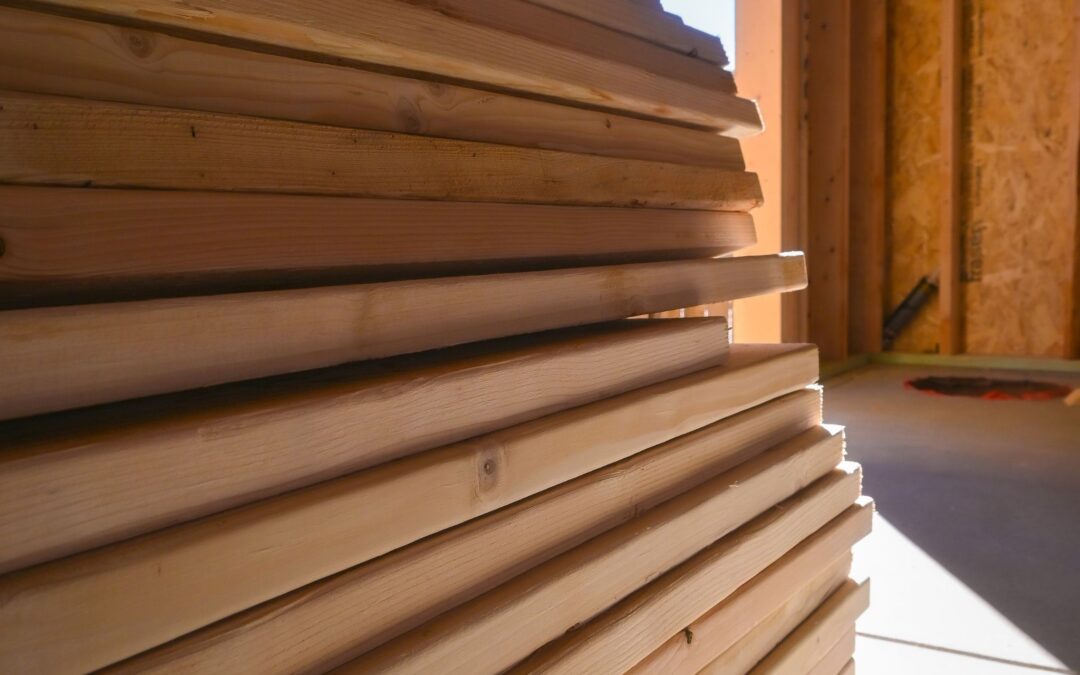
Colorado’s largest lumber mill is shutting down, highlighting another challenge facing the state’s construction industry: access to locally produced building materials. According to the Denver Post, Montrose Forest Products will close after struggling with limited...
Sep 8, 2026 | Home Remodeling
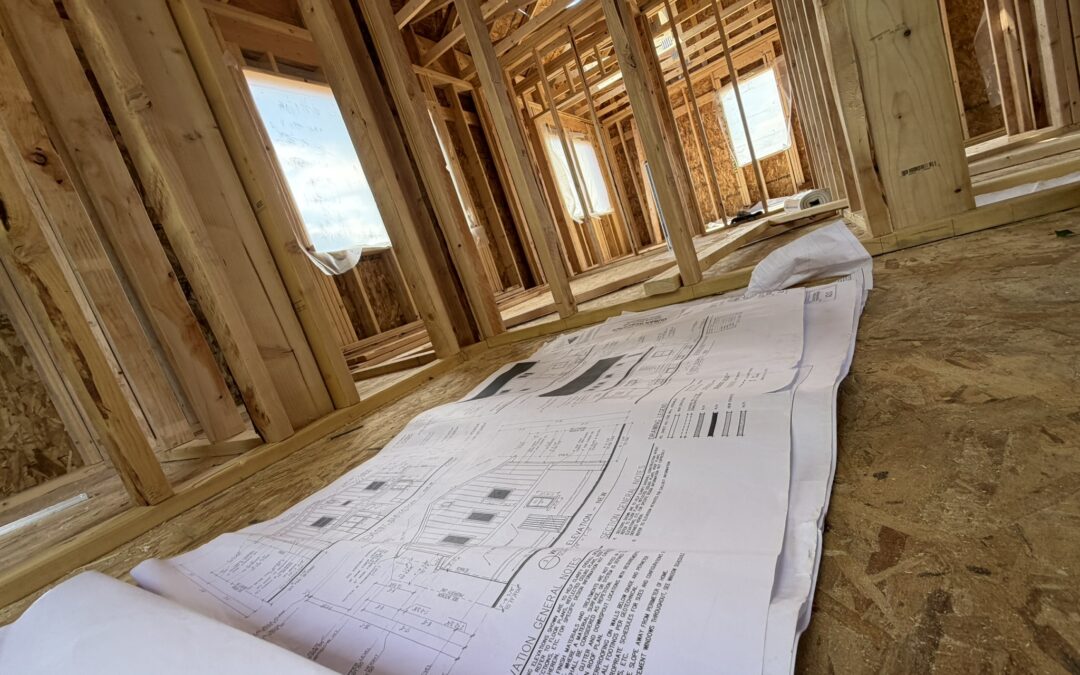
A home remodeler has many different roles and responsibilities, failing at any single one of those and a project can suffer severely. For homeowners, the best home remodelers offer transparent pricing, proven construction experience, good communication, proper licensing, and accountability. Throughout the entire remodeling process, these professionals should be able to provide a streamlined experience that is guided by experience, training, professionalism, and attention to detail. In Denver, homeowners should expect a remodeler to be able to navigate the permitting process, project manage every construction phase of the project, and collaborate with the necessary tradesmen. The very best home remodeler should be at the very least these things.

Sep 2, 2026 | Construction Progress
Sustainable Design Build co-founder and General Contractor Zach McKendry recently discussed that philosophy on the Edge of Success podcast. Drawing from a lifetime around residential construction and years of experience working directly with Denver homeowners, Zach spoke about something that has become fundamental to how we approach projects at SDB.
Aug 28, 2026 | Home Addition
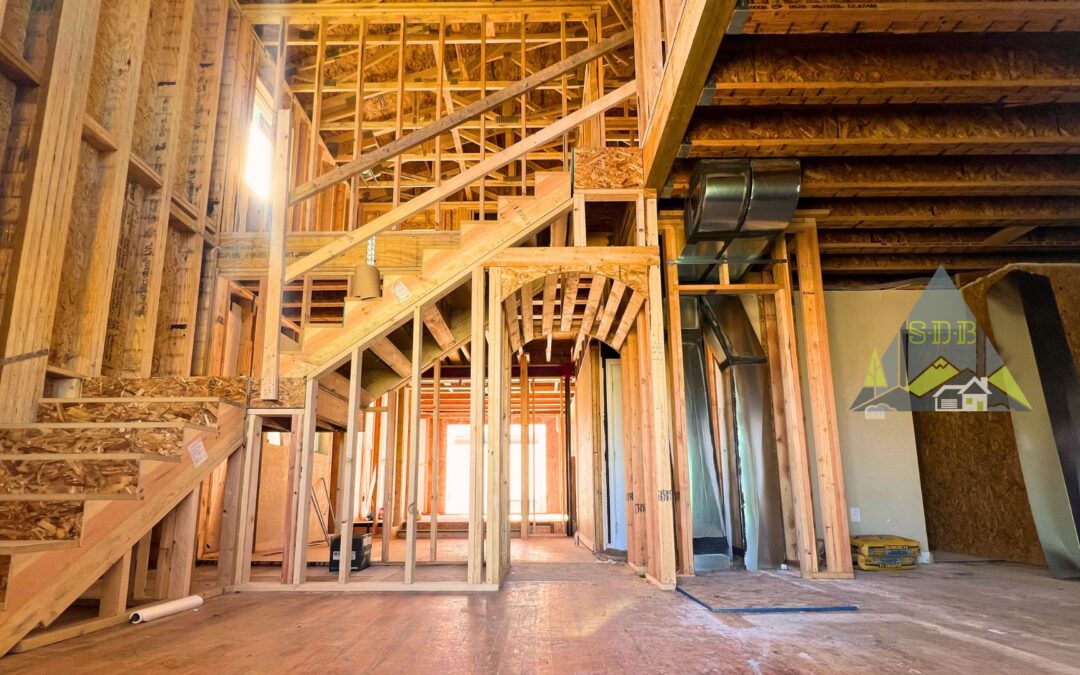
For many Denver homeowners, a Denver home addition can make more sense than tearing down an existing house and starting over. This is especially true when the existing home has a usable foundation, sound structure, favorable placement on the lot, or architectural character worth preserving.
Aug 27, 2026 | Home Addition
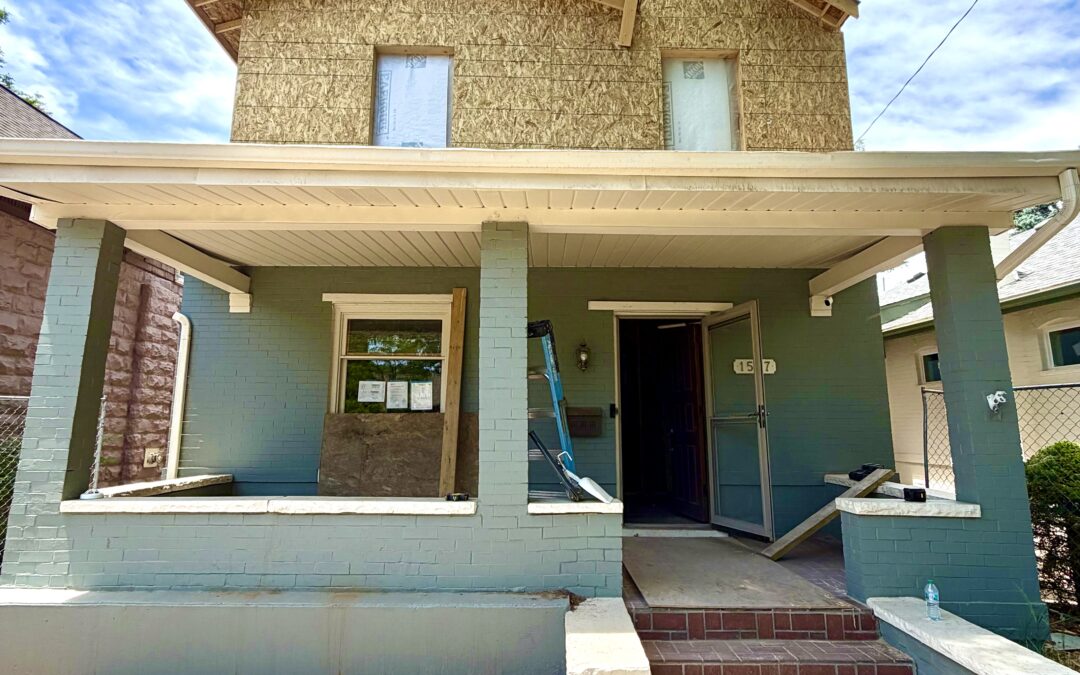
Is a home addition worth the cost in Denver? Learn when adding onto your existing home makes more sense than moving, what costs to compare, and how to evaluate an addition before you build.
Aug 25, 2026 | ADU
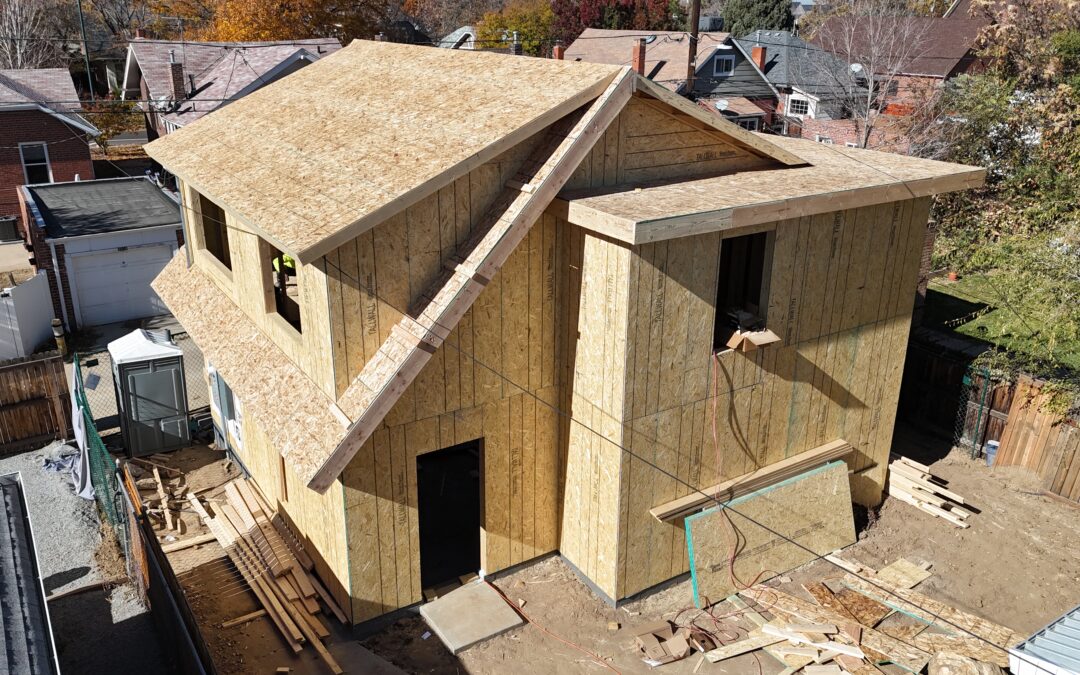
Many existing detached garages were constructed as non-living accessory structures, often with garage-specific slab and foundation assemblies. Turning that structure into an accessory dwelling unit changes the project into habitable residential space and introduces different requirements for the foundation, structure, insulation, energy efficiency, utilities, life safety and building envelope.
Aug 20, 2026 | Home Addition
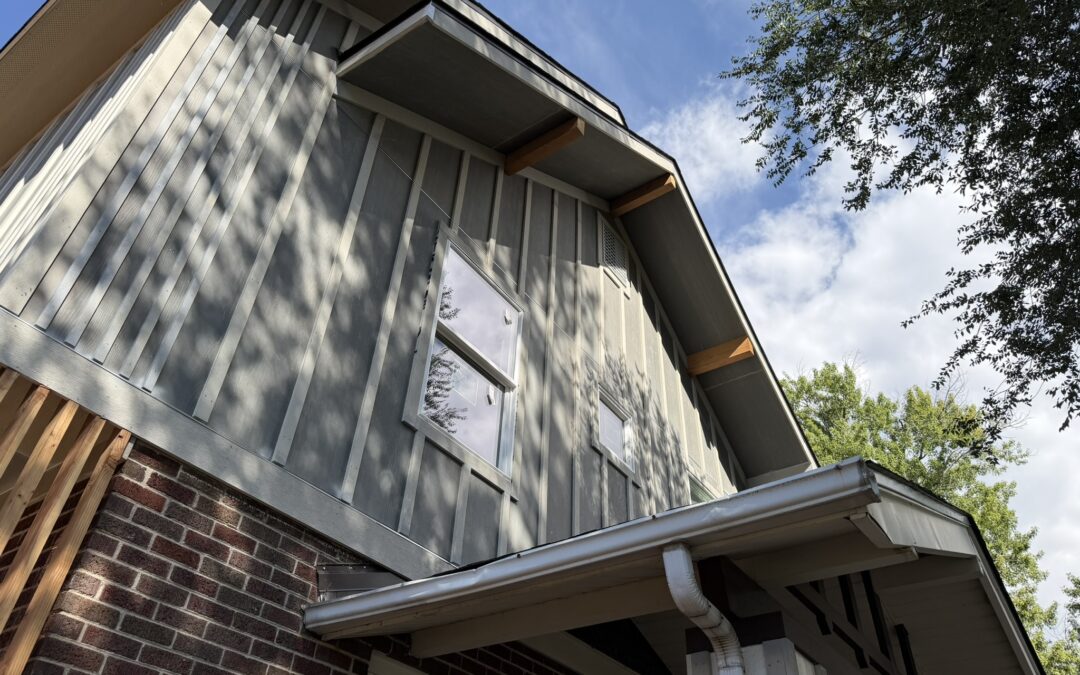
A second-story addition, often called a pop-top addition, gives Denver homeowners something that can be difficult to find in established neighborhoods: significantly more living space without increasing the home’s footprint. For homeowners who like their neighborhood but have outgrown their house, building upward can provide the bedrooms, bathrooms, offices, and flexible living spaces they need without requiring a move.
Aug 18, 2026 | ADU
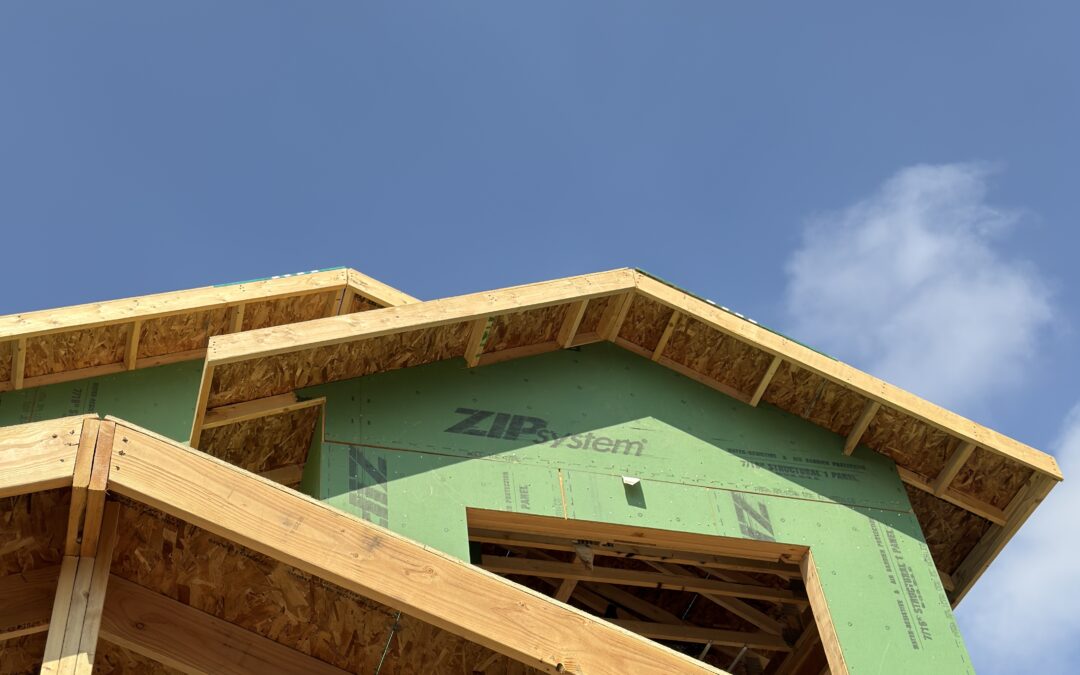
Yes. Many Denver homeowners can build an accessory dwelling unit to create a private residence for parents or other family members while keeping multiple generations close together. The most successful ADU projects begin with professional feasibility and zoning analysis to determine what can be built, what it may cost, and how the design can maximize the long-term usefulness of the property.
Aug 14, 2026 | Construction Progress, Home Addition
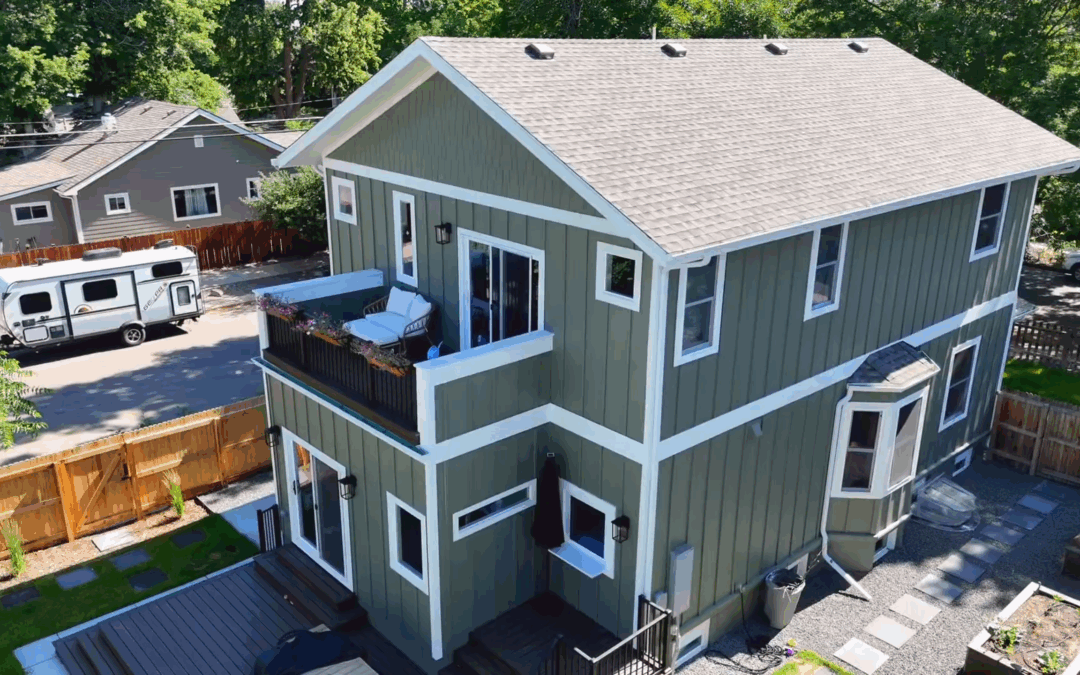
A home addition in Denver can take several months from initial planning to final completion depending on permitting, structural complexity, weather conditions, and project scope. While smaller additions may move faster, larger second-story additions, pop tops, and complex remodels often require extended architectural planning, engineering coordination, and phased construction scheduling.
Aug 13, 2026 | ADU
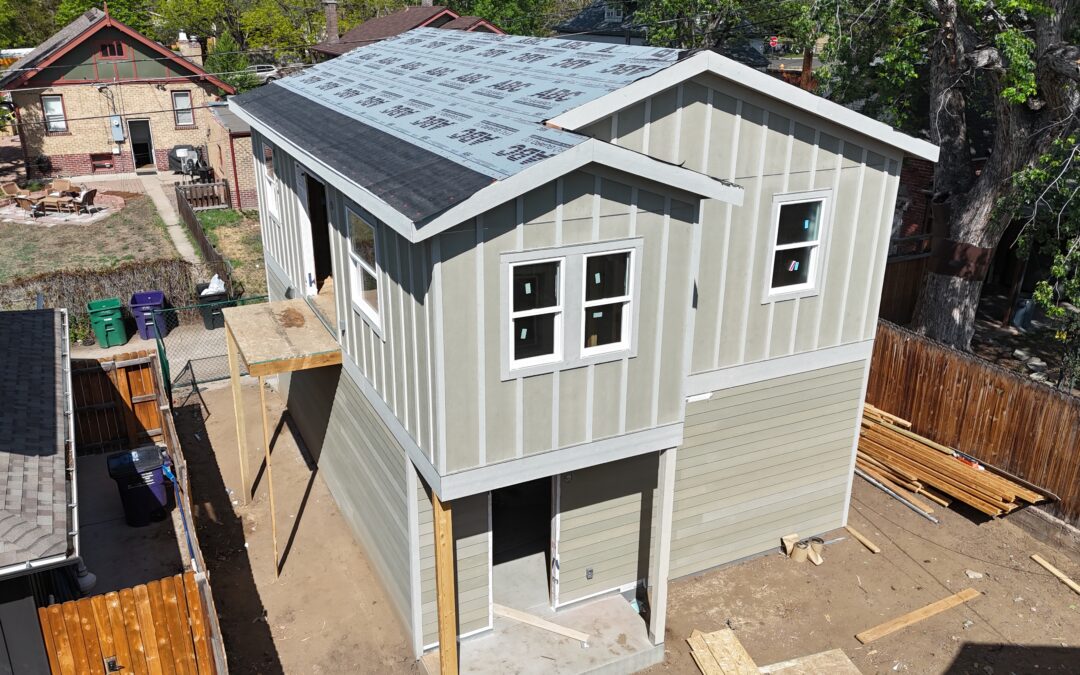
For many Denver single-unit properties where ADUs are permitted, lots of 7,000 square feet or less may allow an ADU up to 864 square feet, while lots larger than 7,000 square feet may allow up to 1,000 square feet. However, maximum ADU size is not determined by lot size alone. Zoning, setbacks, building coverage, building form, access, and property-specific conditions can determine what can actually be constructed.
Aug 12, 2026 | Home Addition
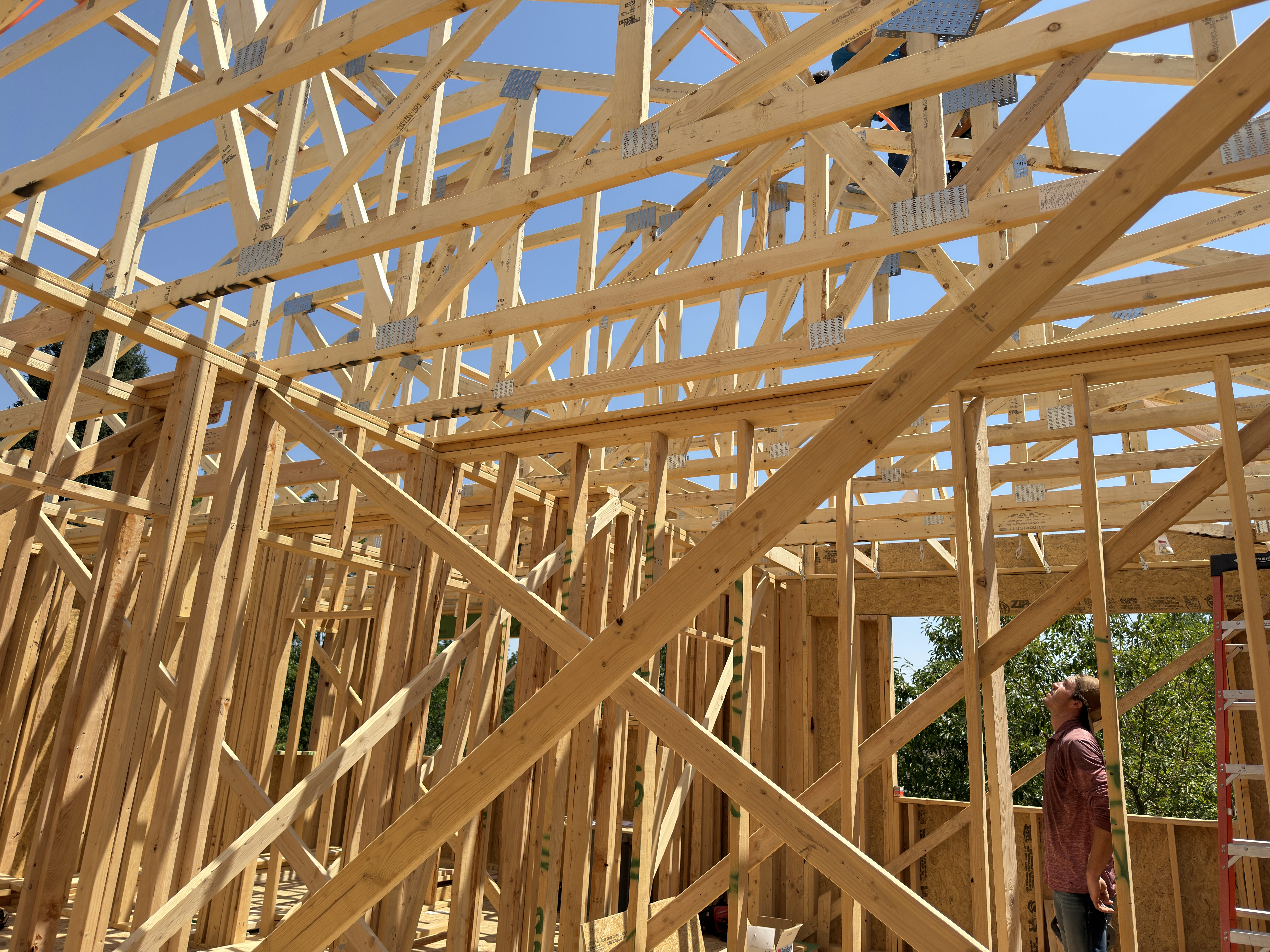
A home addition in Denver can cost roughly $200 to $600 or more per square foot, depending on the type of addition, structural requirements, finishes, plumbing, foundation work, and complexity of the existing home. Recent Denver homeowners discussing actual contractor quotes have reported figures around $350 to $450 per square foot, while more complex projects can reach the upper end of that range.
Aug 10, 2026 | Construction Progress
The Denver Post Best of the Front Range gives Colorado residents an opportunity to recognize businesses and professionals serving communities throughout Denver and the Front Range. In 2026, Sustainable Design Build is among the companies nominated for Best Home Remodeler, giving local residents an opportunity to vote for the remodeling company they believe deserves the recognition.
Aug 7, 2026 | Construction Progress
Sustainable Design Build has been nominated for multiple categories of recognition from the Denver Post and their Best of the Front Range vote! This includes categories for our services of Best Home Remodeler!
Aug 4, 2026 | Architecture, Custom home
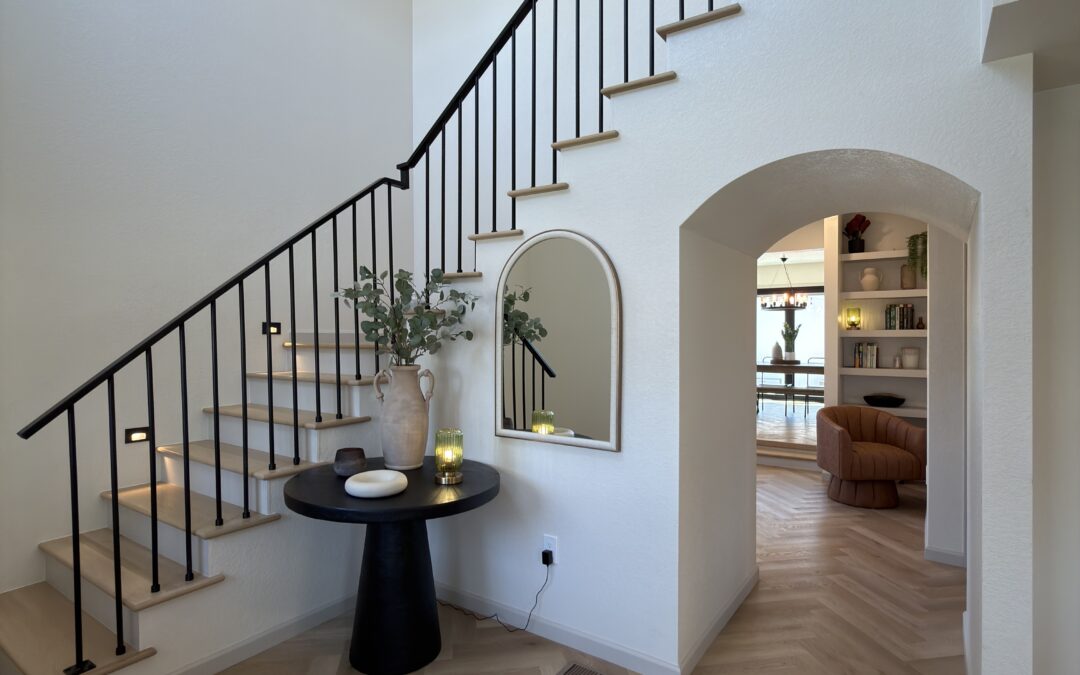
Building a custom home is one of the few opportunities in life to create something that will influence nearly every day for decades to come. It is more than selecting a floor plan or choosing finishes from a showroom. A thoughtfully designed home affects how your family gathers, how natural light fills your living room on a winter afternoon, how efficiently your kitchen supports daily routines, and even how your home adapts as your lifestyle changes over time.
Jul 31, 2026 | Custom home
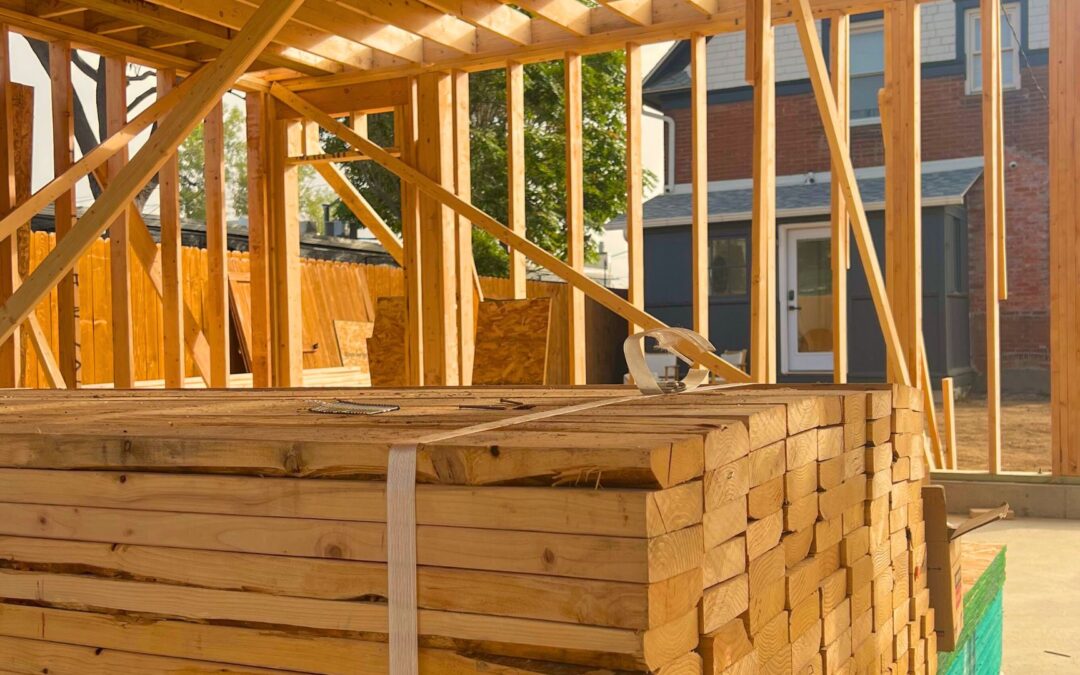
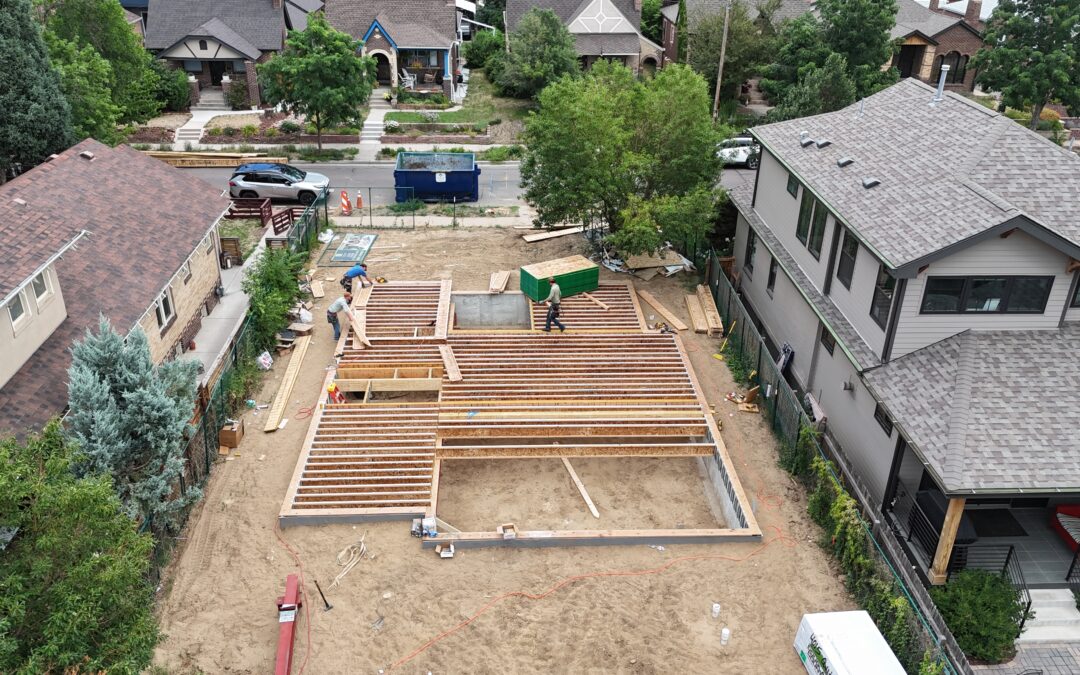
Sustainable Design Build is excited to once again return to the Berkeley neighborhood of Denver this time bringing a brand new custom home. The construction of the home started in June with a very detailed demolition and excavation plan to prepare the site. But this entire month of July 2026 has seen impressive progress for the rough framing of the house. As the build continues, we can see glimpses of all the hard work and dedication from Sustainable Design Build’s architecture and interior design team from the layout and framing alone. The attention to detail and the engineering already stand out as the home moves forward towards framing inspection and MEP (also known as Mechanical, Electrical, and Plumbing Work).
As Sustainable Design Build celebrates its tenth anniversary, this retrospective is more than a look back at completed projects. It is the story thus far. Our achievements. Our Journey. We invite you to join us as we view Sustainable Design Build and everything that has brought us to this moment.
Jul 29, 2026 | Company News
Over the past decade, Sustainable Design Build has grown alongside Denver itself. From investor-backed multifamily townhomes and commercial developments to custom homes, additions, and whole-home renovations, the company has continually adapted to meet the needs of a changing city and the people who call it home. While the projects have changed, the values have not. Since day one, Sustainable Design Build has been guided by a commitment to integrity, transparency, craftsmanship, and a responsible stewardship of the communities where it builds. Every project has been approved with the belief that great construction is about more than building homes. It is about creating lasting homes for residents, neighborhoods, and the future.
As Sustainable Design Build celebrates its tenth anniversary, this retrospective is more than a look back at completed projects. It is the story thus far. Our achievements. Our Journey. We invite you to join us as we view Sustainable Design Build and everything that has brought us to this moment.
Jul 28, 2026 | Custom home
A successful home addition depends on much more than quality construction. The best projects begin with careful planning, realistic budgeting, architectural design, permitting, and construction working together from the start. Sustainable Design Build’s integrated Design-Build process brings every phase of your project under one team, creating a more collaborative experience while helping reduce delays, improve communication, and deliver a home that reflects your goals from concept through completion.

Recent Comments