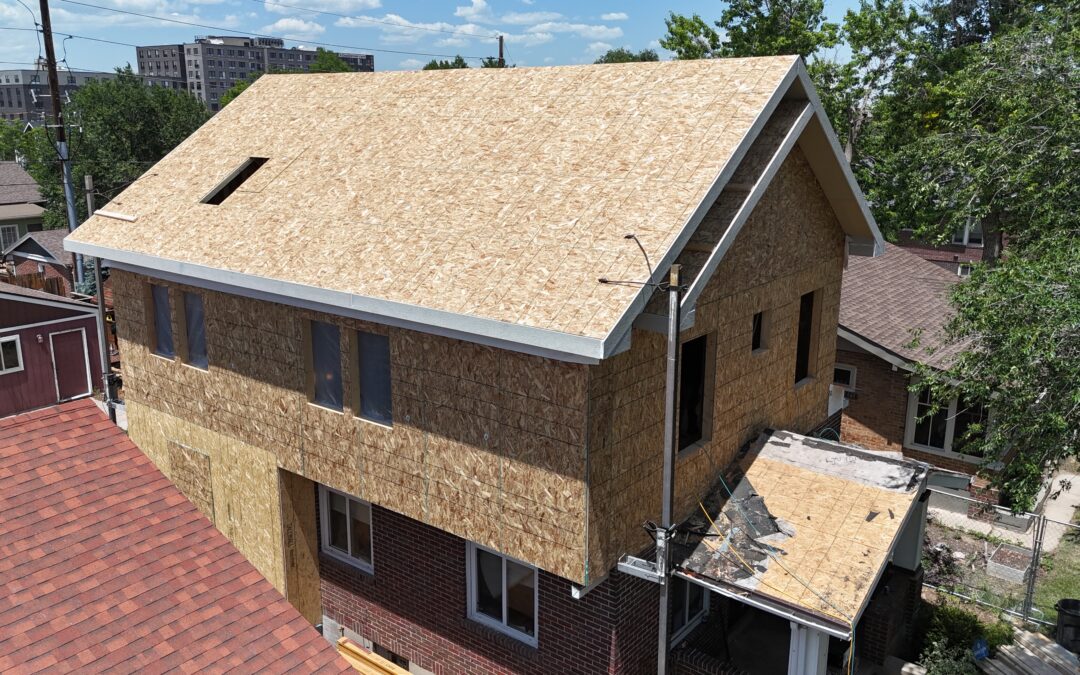
Jul 24, 2026 | Home Addition
A successful home addition depends on much more than quality construction. The best projects begin with careful planning, realistic budgeting, architectural design, permitting, and construction working together from the start. Sustainable Design Build’s integrated Design-Build process brings every phase of your project under one team, creating a more collaborative experience while helping reduce delays, improve communication, and deliver a home that reflects your goals from concept through completion.
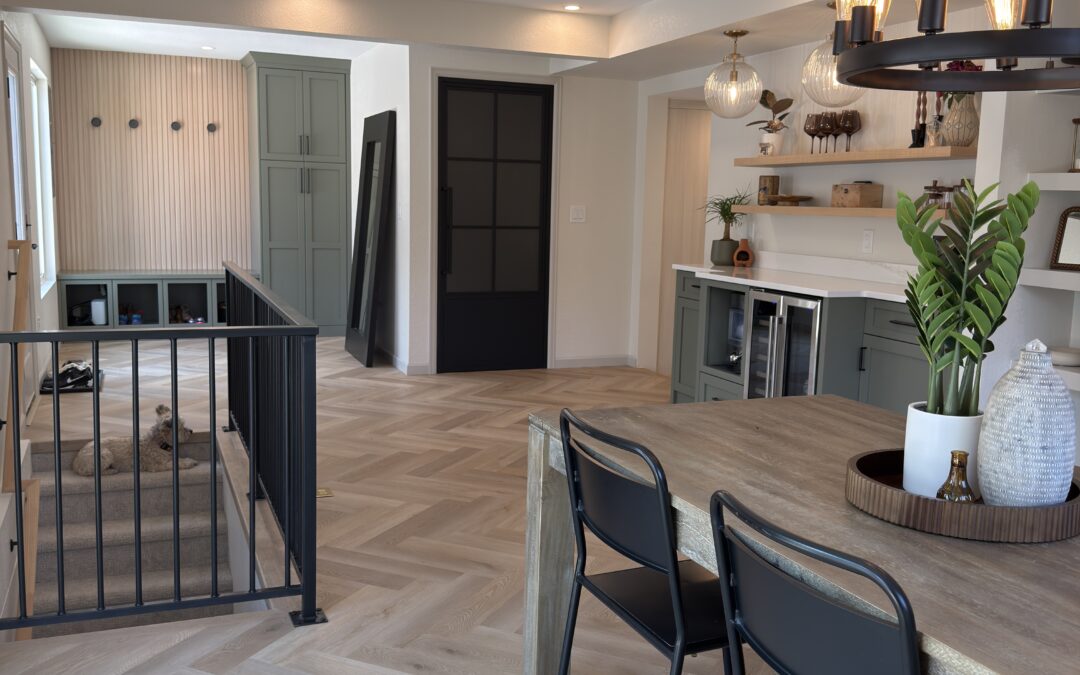
Jul 23, 2026 | Home Addition
There is no one-size-fits-all approach to expanding a home. The best home addition depends on your property’s layout, neighborhood zoning, existing structure, long-term goals, and how you want your home to function for years to come. Some homeowners only need a larger kitchen, while others require multiple bedrooms, dedicated office space, or enough square footage to completely transform the home’s layout.
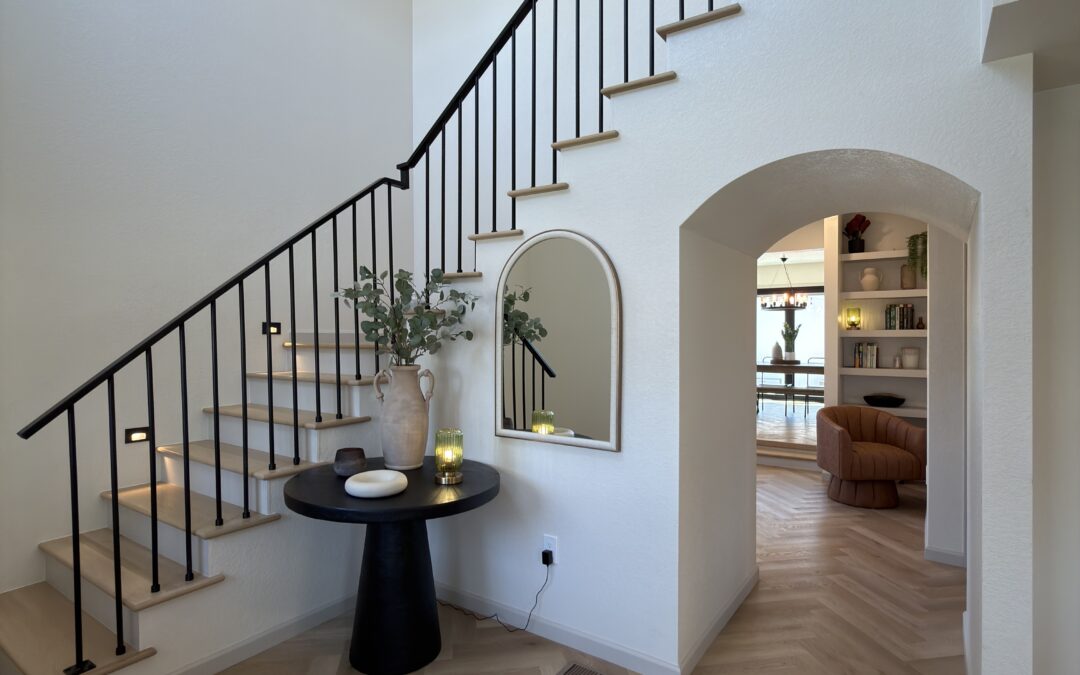
Jul 22, 2026 | Custom home
Building a custom home is about more than creating a beautiful residence. It’s about designing a home around the way you live, your property, and your long-term goals. Sustainable Design Build’s integrated Design-Build process brings architecture, interior design, estimating, permitting, and construction together under one team, allowing every decision to be made collaboratively from the very beginning. The result is a more coordinated experience, greater budget transparency, and a custom home designed with purpose from concept through completion.
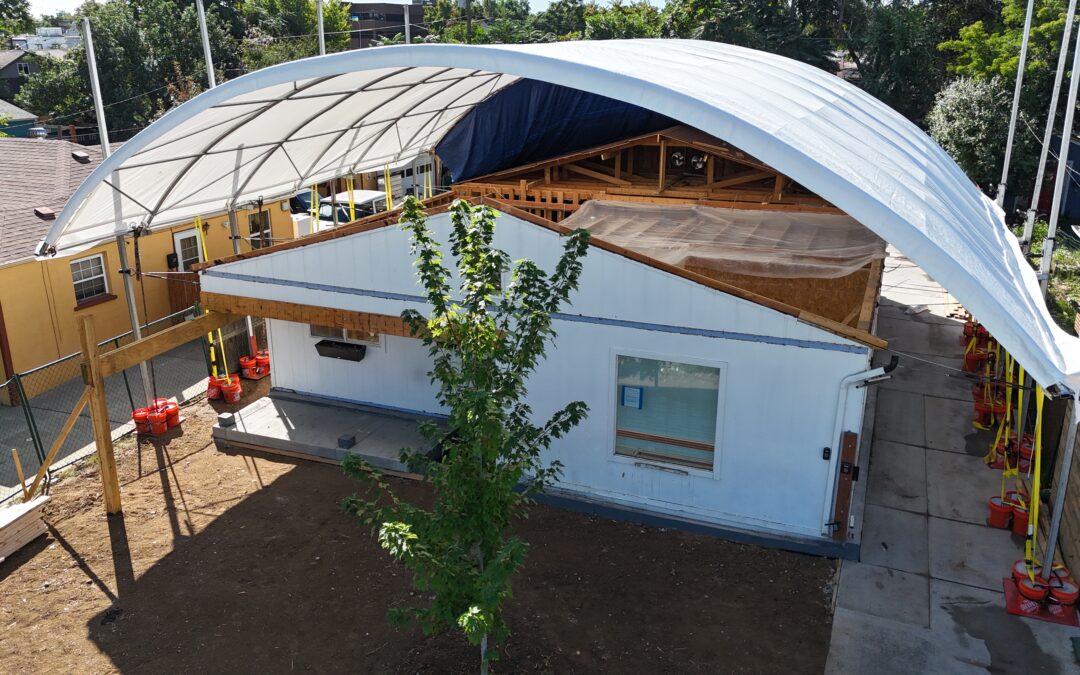
Jul 21, 2026 | Home Addition
A home addition is often the best solution for Denver homeowners who need more living space but want to remain in the neighborhood they love. Whether you’re planning a kitchen expansion, family room addition, primary suite, second-story pop top, or a complete whole-home transformation, a professionally designed addition allows your home to evolve alongside your family’s needs without the cost and disruption of moving. The most successful home additions begin with thoughtful planning, realistic budgeting, architectural design, permitting, and construction working together through an integrated Design-Build process.
Jul 17, 2026 | Construction Progress
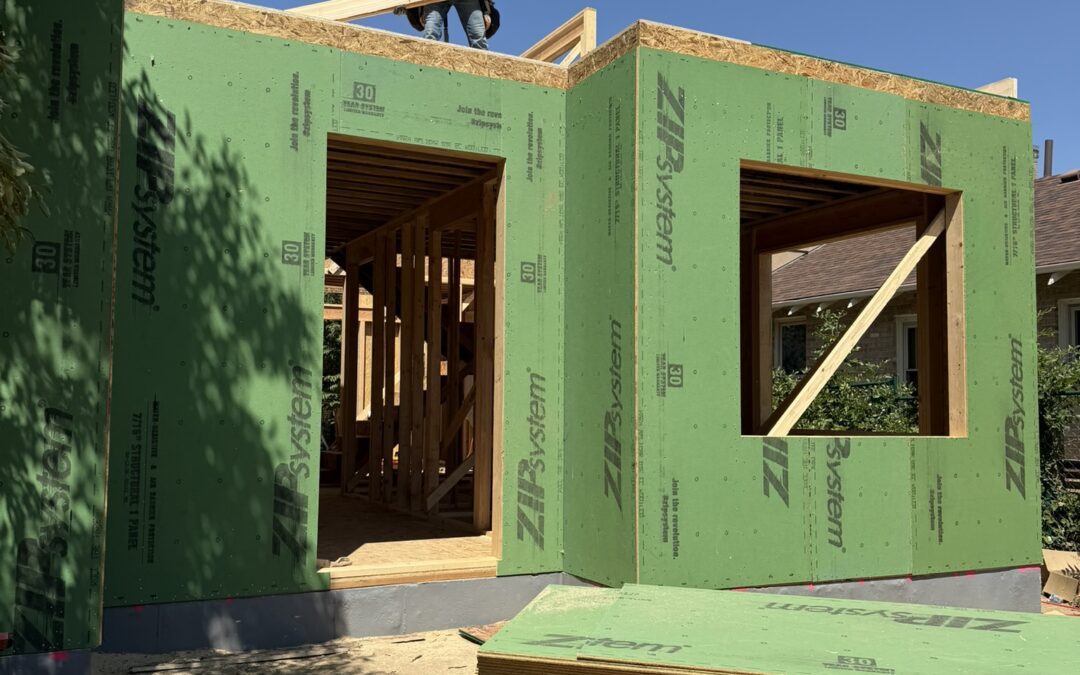
Beginning September 1, 2026, most residential construction, demolition, and major remodeling projects in Denver will be required to recycle or reuse a significant portion of construction debris rather than sending it to the landfill.
Jul 16, 2026 | Construction Progress
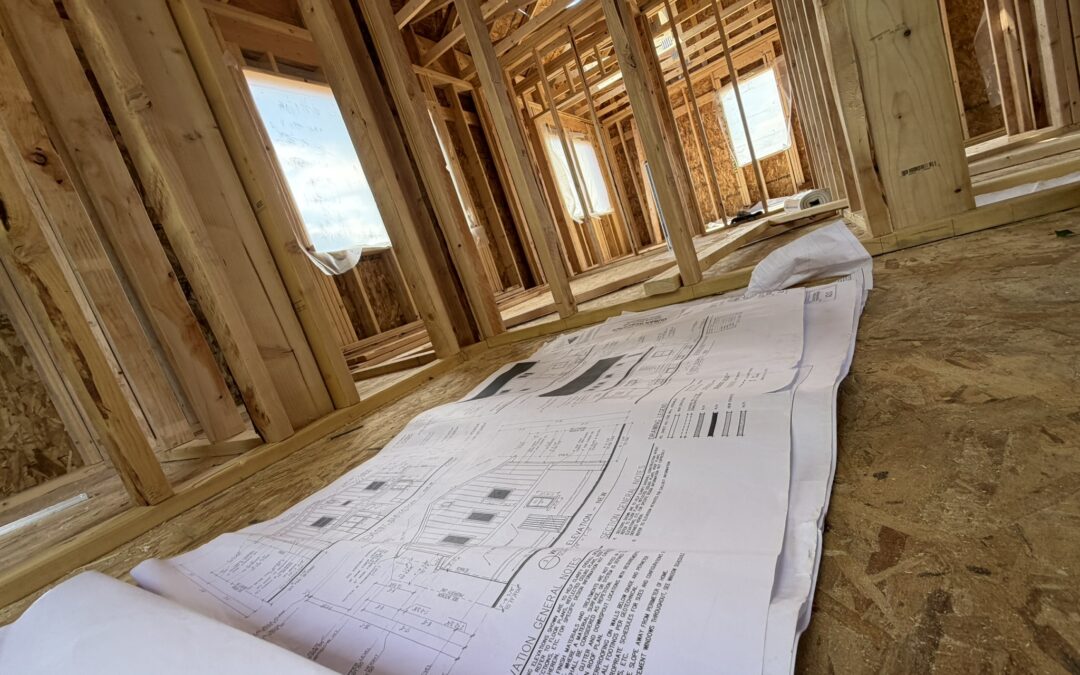
Remodeling your home is one of the largest investments you’ll make, but it can also be one of the most rewarding. Whether you’re modernizing an older Denver bungalow, adding space to a growing family home, building an accessory dwelling unit (ADU), or undertaking a complete whole-home renovation, success begins long before construction starts.
Jul 15, 2026 | Construction Progress
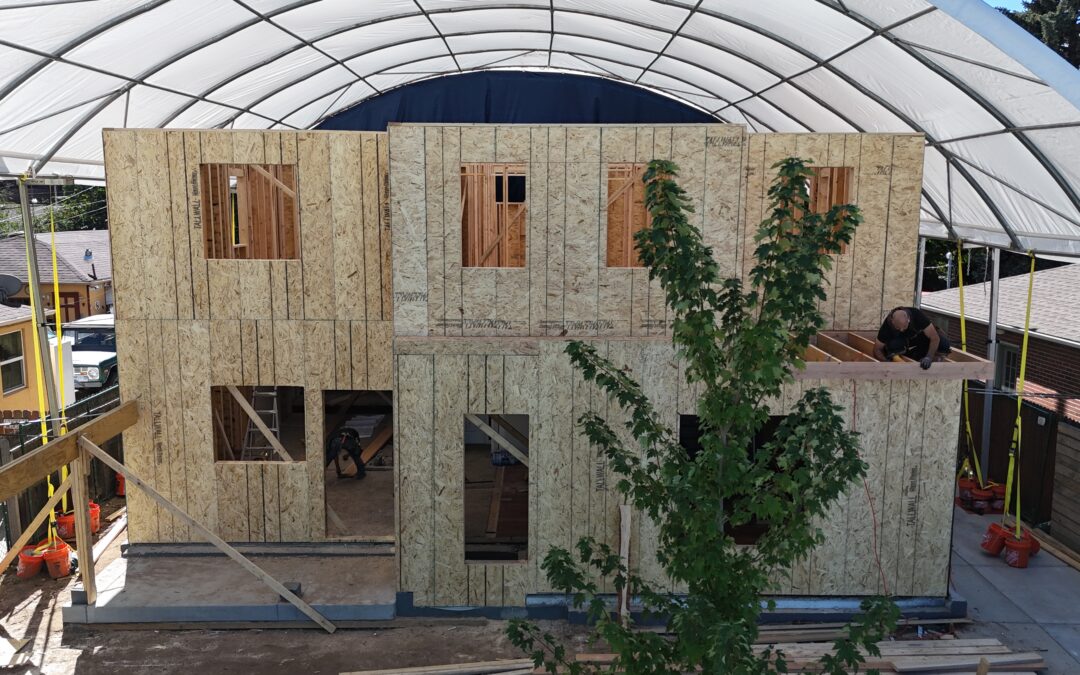
Wondering how long it takes to build a custom home in Denver? Learn the typical 12 to 18 month timeline, what affects the schedule, and how an integrated design-build approach can help keep your project on track.
Jul 10, 2026 | Construction Progress
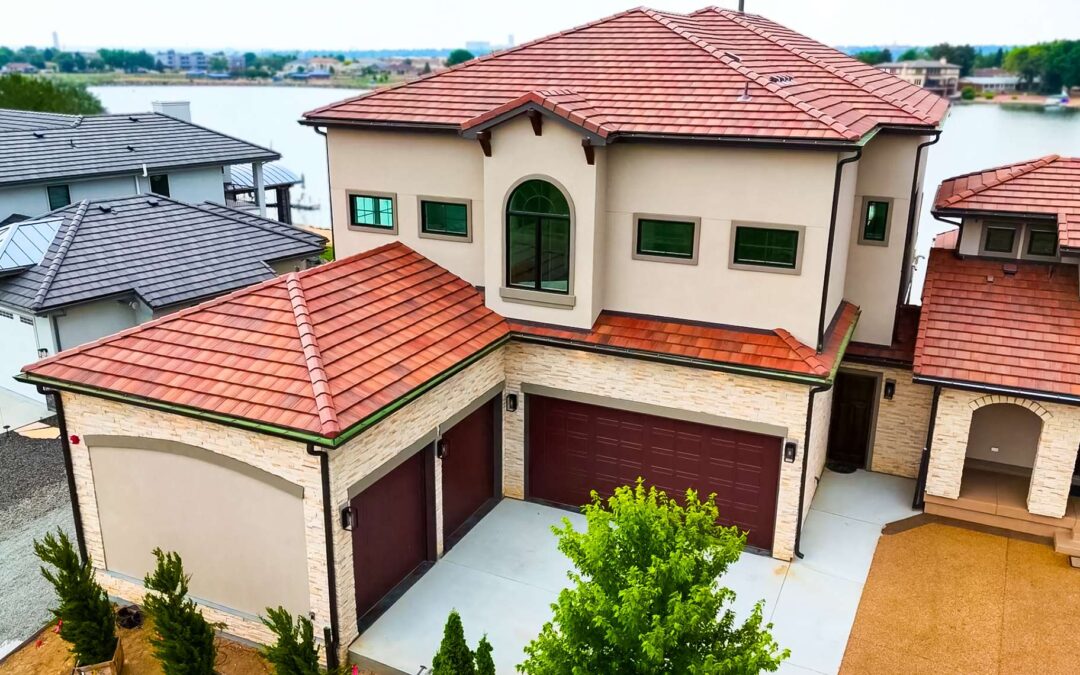
Transitional architecture combines the timeless character of traditional homes with the open layouts, natural light, and functional living spaces associated with modern design. In Denver, transitional architecture has become one of the most popular approaches for home additions, whole-home remodels, and custom homes because it preserves neighborhood character while creating spaces that better support today’s lifestyles. Working with an experienced Denver residential architect helps ensure new spaces integrate seamlessly with the existing home while meeting zoning requirements, building codes, and long-term functional goals.
Jul 9, 2026 | Construction Progress
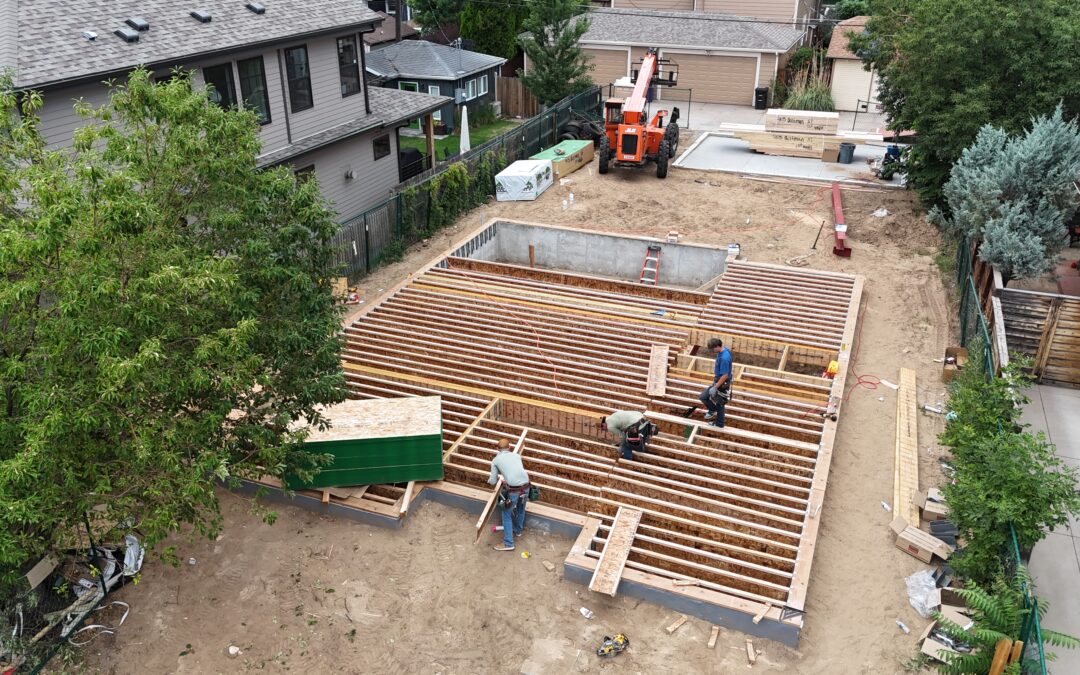
Planning a home addition, ADU, whole home remodel, or custom home in Denver? Understanding the complete construction timeline is one of the most important steps before starting your project. While many homeowners focus on the construction phase, the overall process also includes design, engineering, permitting, material procurement, and final inspections. This guide breaks down realistic timelines for each major residential project type and explains the factors that can influence your schedule, from Denver permit reviews and existing home conditions to project complexity and custom material lead times. Whether you’re expanding your current home or building from the ground up, you’ll gain a clearer understanding of what to expect and how a Design-Build approach can help keep your project moving efficiently from concept through completion.
Jul 8, 2026 | Construction Progress
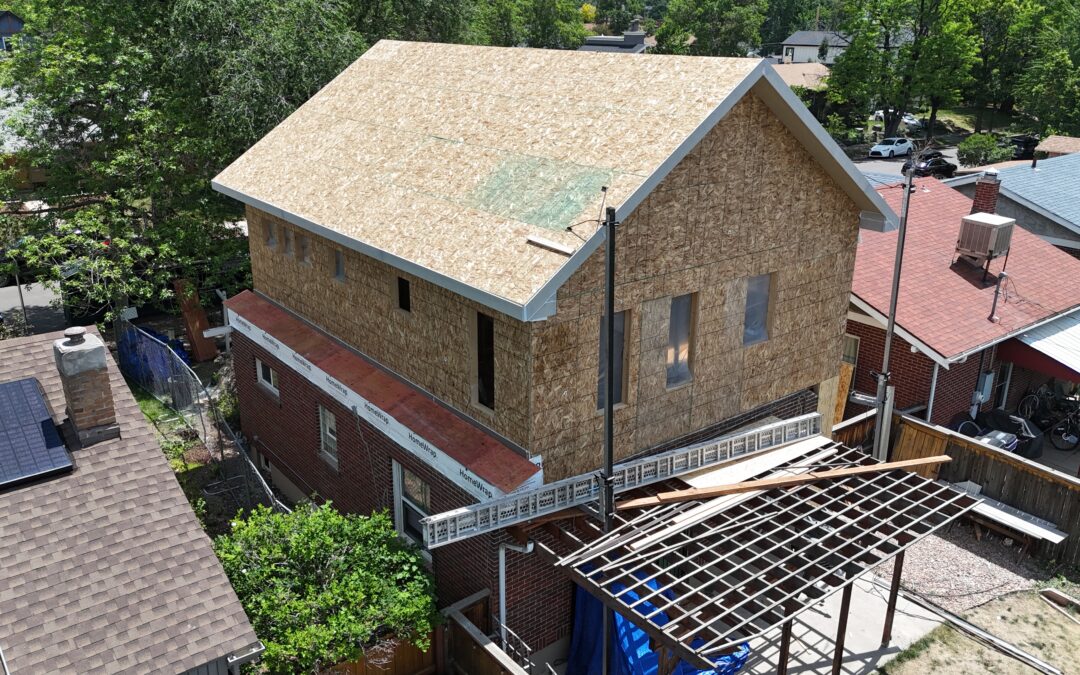
If you’re searching for the best design-build in Denver, you’re likely planning one of the biggest investments you’ll make in your home. Whether you’re considering a home addition, whole-home remodel, pop top, ADU, or custom home, choosing the right design-build company can have a lasting impact on your experience, budget, and finished project.
Jun 30, 2026 | Construction Progress
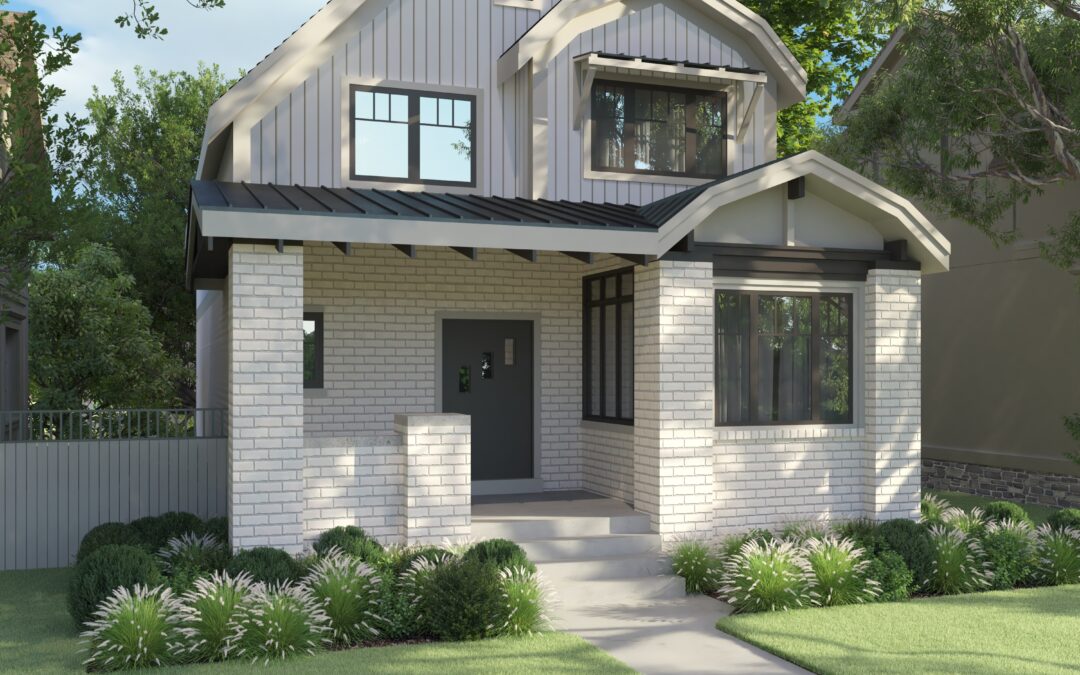
Selecting an architectural style is one of the most exciting milestones in designing a custom home or remodeling an existing one. While many homeowners begin with inspiration from Pinterest, Instagram, or neighborhood walks, the goal isn’t to recreate someone else’s home. It’s to design one that’s uniquely yours.
Jun 29, 2026 | Construction Progress
At Sustainable Design Build, we’ve found that the most successful projects begin when homeowners clearly understand what they want from the relationship, the process, and the finished home. Before signing a design-build agreement, here are the personal questions worth asking yourself.
Jun 25, 2026 | Construction Progress
Modern and contemporary architecture are often confused, but they represent different design philosophies. Modern architecture refers to a historical movement centered on simplicity and function, while contemporary architecture reflects today’s evolving design trends. Sustainable Design Build helps Denver homeowners navigate both styles through an integrated design-build process that combines in-house designers, architects, and construction professionals under one team.
Jun 24, 2026 | Construction Progress
The 21st Century Road to Housing Act aims to increase housing supply by reducing construction barriers, funding housing conversions, and limiting institutional purchases of single-family homes. While Denver homeowners are unlikely to see immediate reductions in home prices, the legislation could create more housing opportunities, encourage residential investment, and influence the future of remodeling and custom home construction throughout Colorado.
Jun 23, 2026 | Construction Progress
The 21st Century Road to Housing Act aims to increase housing supply by reducing construction barriers, funding housing conversions, and limiting institutional purchases of single-family homes. While Denver homeowners are unlikely to see immediate reductions in home prices, the legislation could create more housing opportunities, encourage residential investment, and influence the future of remodeling and custom home construction throughout Colorado.
Jun 22, 2026 | Construction Progress
Historic homes are among Denver’s most desirable properties because they offer architectural character, established neighborhoods, and lasting craftsmanship. Successfully renovating or expanding these homes requires balancing modern functionality with historical integrity, ensuring additions and updates complement the original design rather than compete with it.
Jun 18, 2026 | Construction Progress
Older Denver neighborhoods offer architectural character, established communities, and historic charm that many homeowners want to preserve while modernizing their homes. Working in these neighborhoods requires specialized knowledge of aging structures, historic preservation guidelines, zoning regulations, and design continuity. Sustainable Design Build combines in-house architectural expertise, construction experience, and local permitting knowledge to help homeowners successfully improve older homes while maintaining their original character.
Jun 16, 2026 | Construction Progress
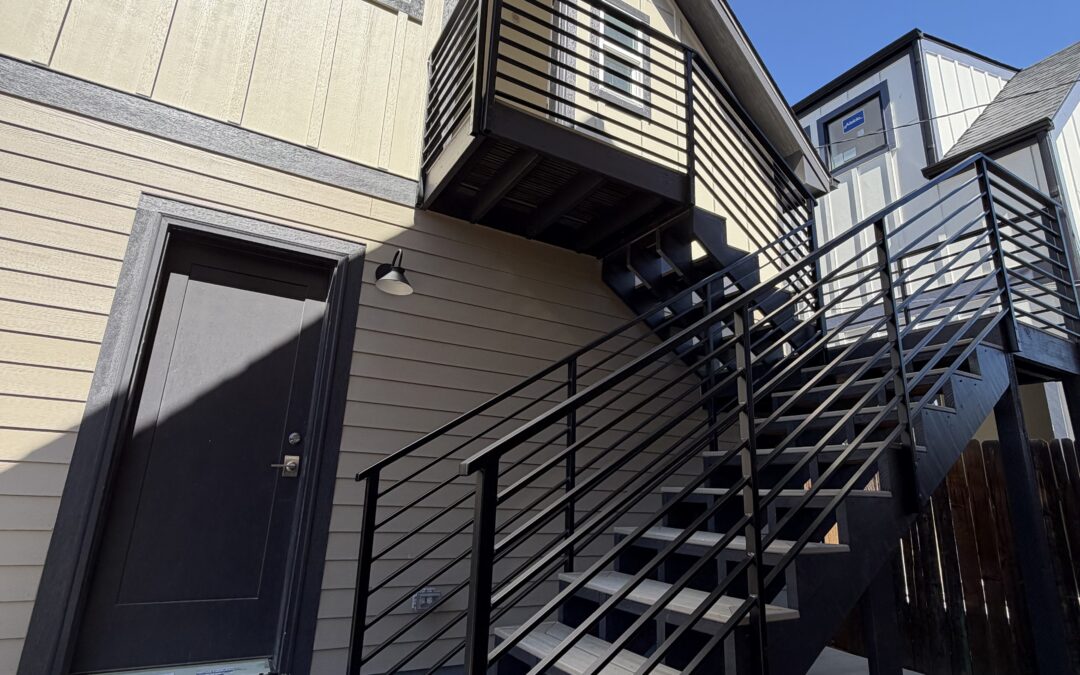
The design-build approach has become one of the most recommended methods for constructing Accessory Dwelling Units (ADUs) in Denver. By combining planning, design, permitting, budgeting, and construction under one team, homeowners often experience a more efficient process, fewer delays, and greater cost predictability. As ADU demand continues to grow throughout Colorado, integrated design-build firms remain a popular choice for homeowners seeking a streamlined path from concept to completion.
Jun 15, 2026 | Construction Progress
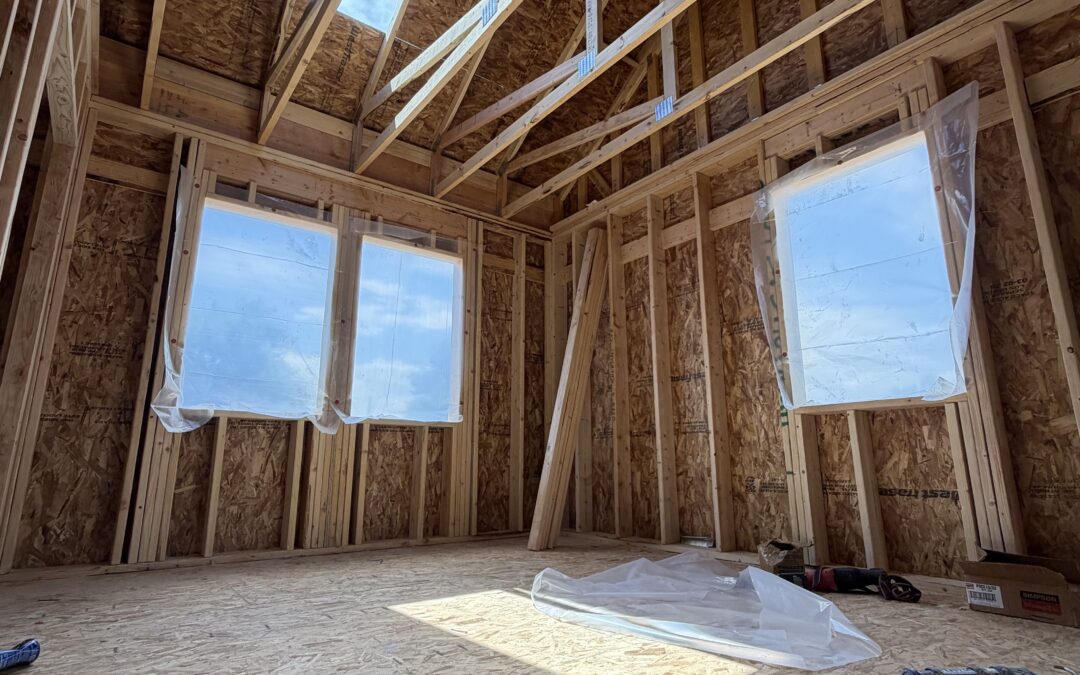
Denver’s permitting process continues to improve in 2026, reducing delays that have historically affected residential construction projects. According to recent reporting, permit review timelines are becoming more predictable, communication between departments has improved, and applicants now have dedicated support through Denver’s Permitting Office. For homeowners planning additions, ADUs, pop tops, whole-home remodels, or custom homes, these changes could help projects move from planning to construction more efficiently.
Jun 13, 2026 | Construction Progress
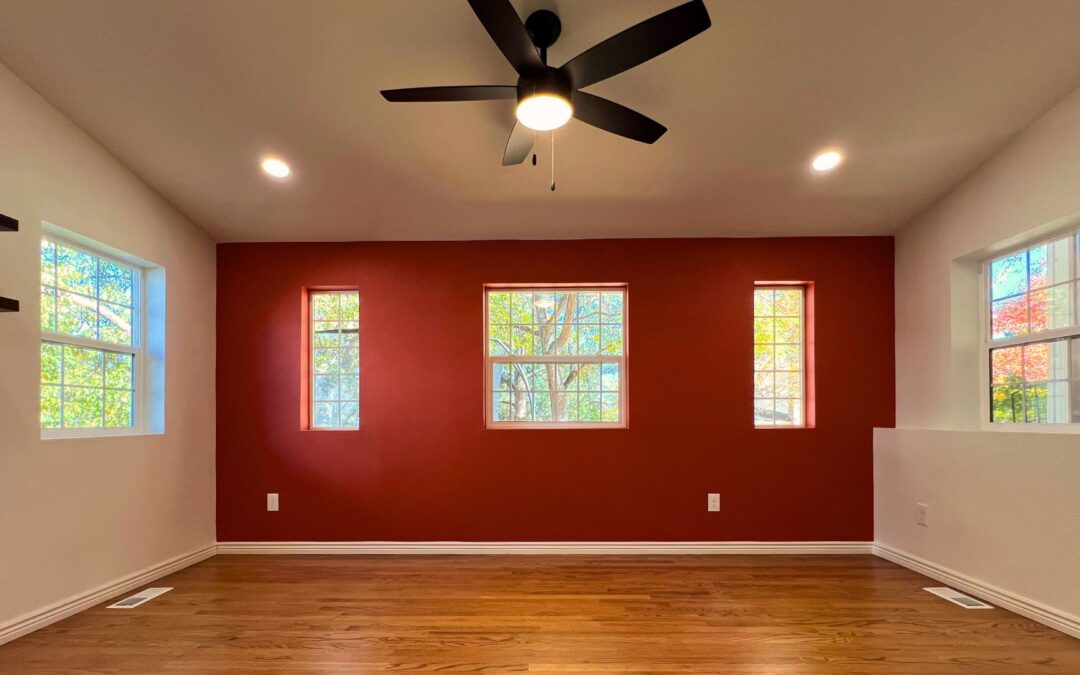
The cost to build a basic bump-out typically ranges from $10,000 to $50,000, depending on size, structural requirements, foundation needs, and finish selections. Most bump-outs are small additions designed to expand an existing room rather than create an entirely new space. Because they add functionality without requiring a full-scale addition, bump-outs are often one of the most cost-effective ways to increase usable square footage and improve a home’s layout.
Jun 12, 2026 | Construction Progress
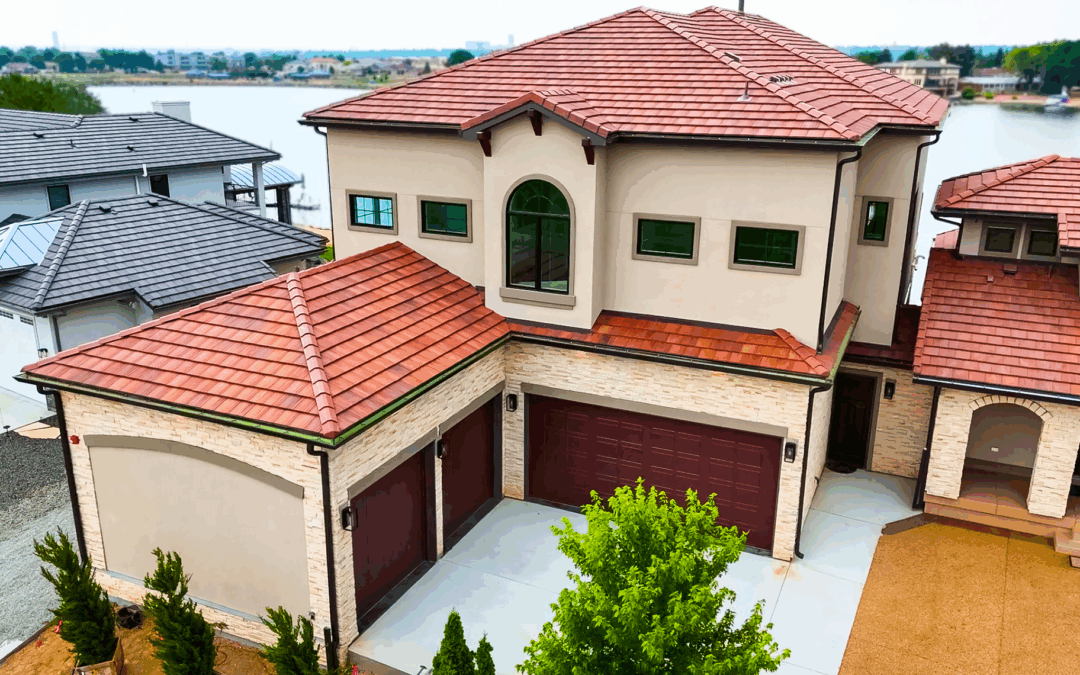
The cost to add a high-end custom addition typically ranges from $300,000 to $600,000+, with complex projects often exceeding $550 per square foot depending on architecture, structural requirements, material selections, and finish level. These additions may include large primary suites, expansive kitchen additions, indoor-outdoor living areas, multi-room expansions, wellness spaces, or highly customized living environments. Because these projects are deeply personalized, early planning, detailed design, and professional construction coordination are essential to establishing a realistic budget.
Jun 11, 2026 | Construction Progress
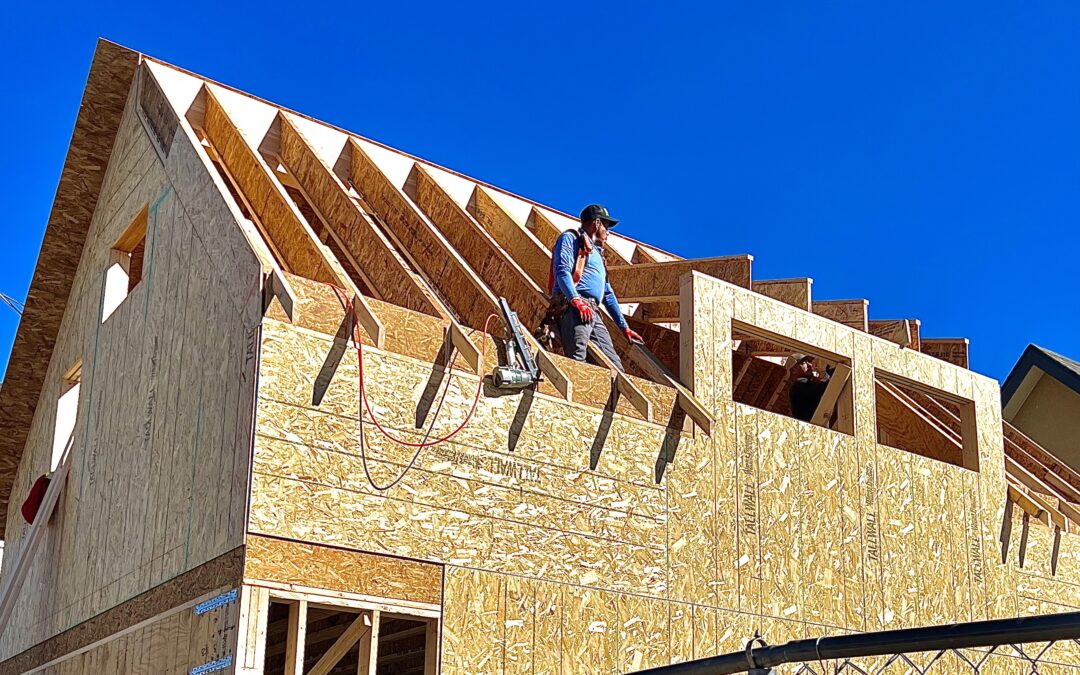
The cost to add second-story/pop-top additions in Denver typically ranges from $200,000 to $500,000+, depending on structural requirements, square footage, engineering complexity, and finish selections. Most homeowners can expect costs between $250 and $500 per square foot when accounting for roof removal, structural reinforcement, utility modifications, and complete reconstruction of upper-level living spaces. While these projects require significant planning and investment, they often provide the largest increase in usable square footage without sacrificing yard space.
Jun 10, 2026 | Construction Progress
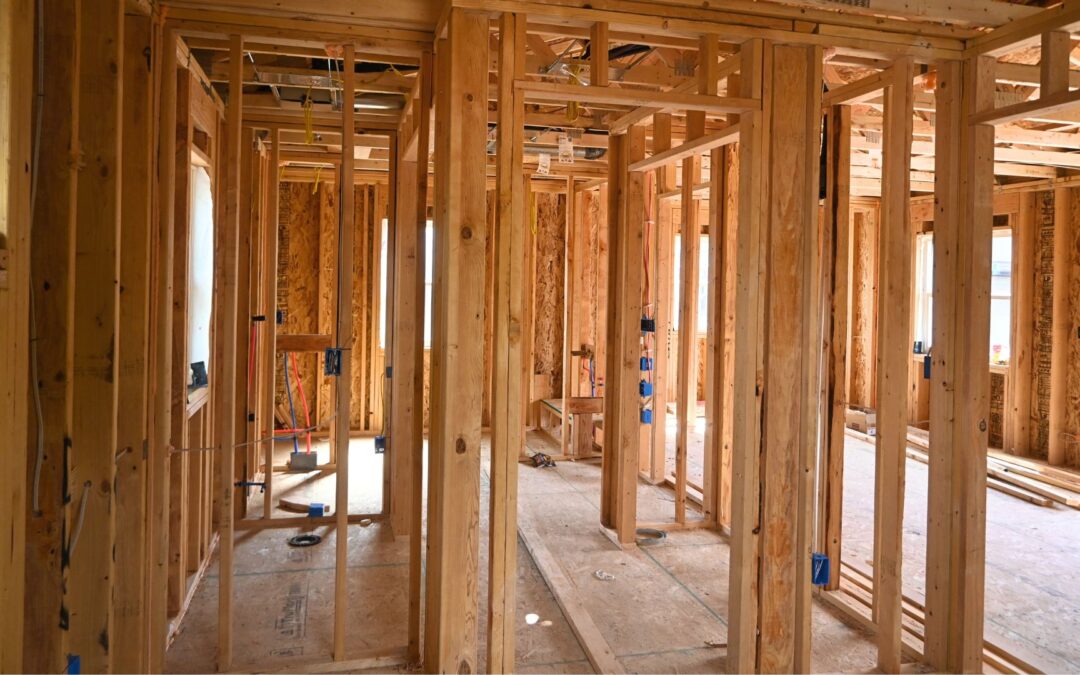
A mid-range home addition in Denver typically costs between $75,000 and $200,000, depending on the size of the addition, structural requirements, finish selections, and site conditions. Most projects range from 300 to 800 square feet and may include family rooms, primary suite expansions, home offices, kitchen enlargements, or flexible living spaces. Careful planning and professional design-build services help homeowners maximize value while creating a seamless extension of the existing home.
Jun 9, 2026 | Construction Progress
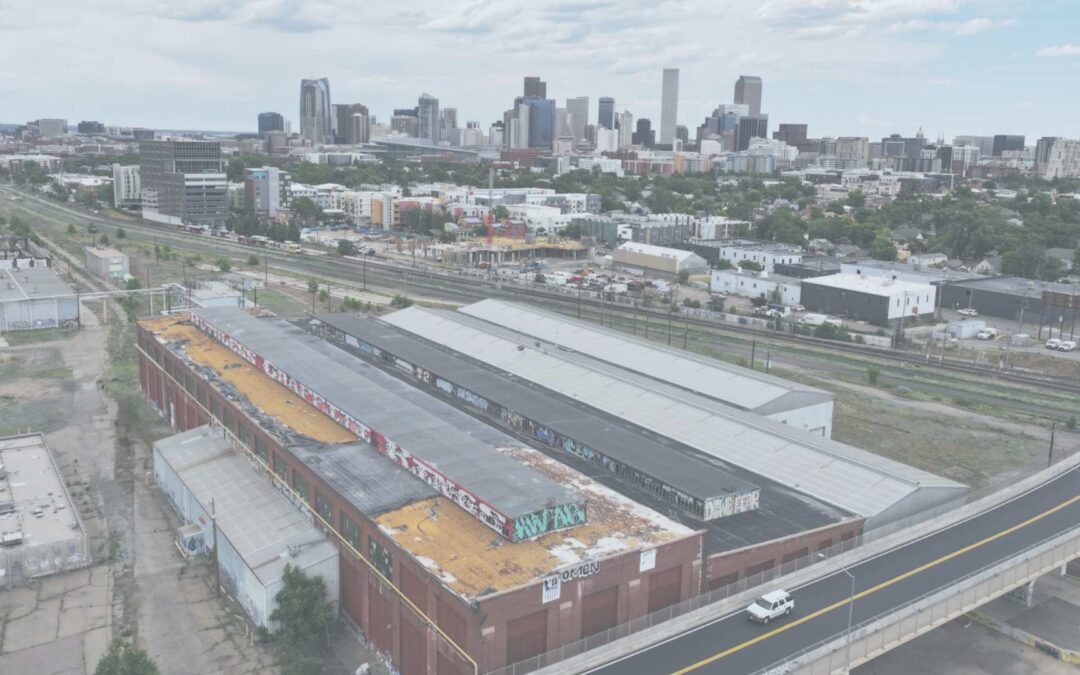
The Denver Broncos’ proposed move to Burnham Yard continues to advance, but several key decisions must be finalized in the coming months if the organization hopes to meet its target of opening a new stadium by the 2031 NFL season. While recent headlines have focused on disputes surrounding land acquisition and infrastructure relocation, the broader story is the transformative impact this project could have on Denver’s built environment and surrounding neighborhoods.
Jun 8, 2026 | Construction Progress
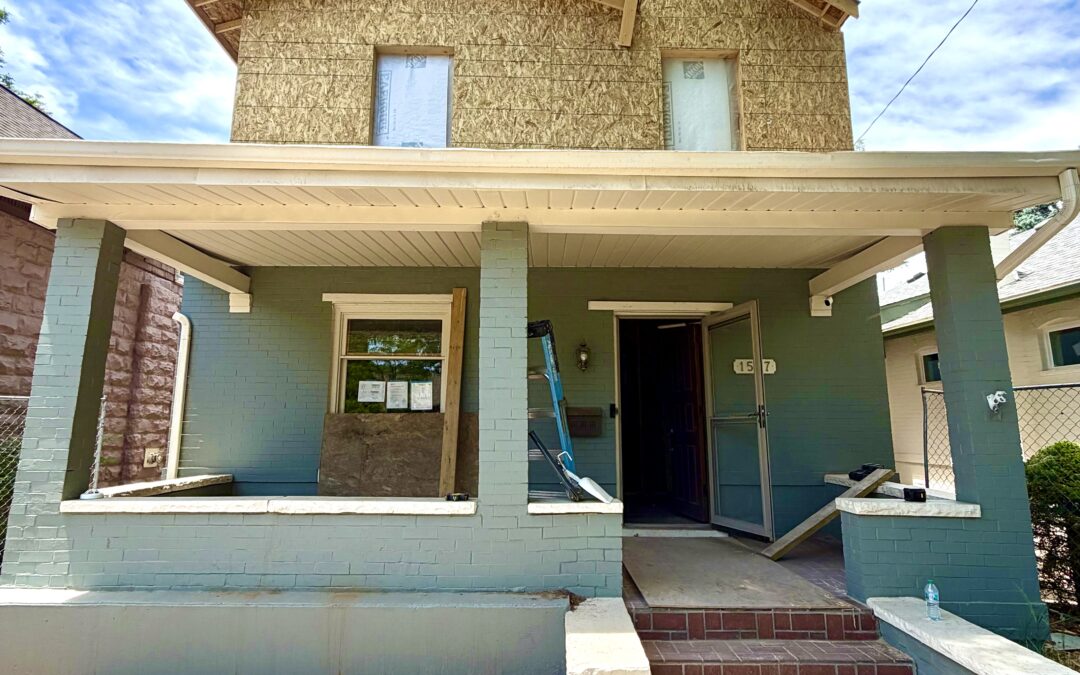
The cost to add onto a house typically ranges from $25,000 to $600,000+, depending on the size, complexity, structural requirements, and finish level of the project. Small bump-outs often cost between $10,000 and $50,000, mid-range room additions commonly range from $75,000 to $200,000, second-story or pop-top additions often fall between $200,000 and $500,000+, and high-end custom additions can exceed $600,000. Location, design complexity, permitting requirements, and material selections significantly influence final pricing.
Jun 4, 2026 | Construction Progress
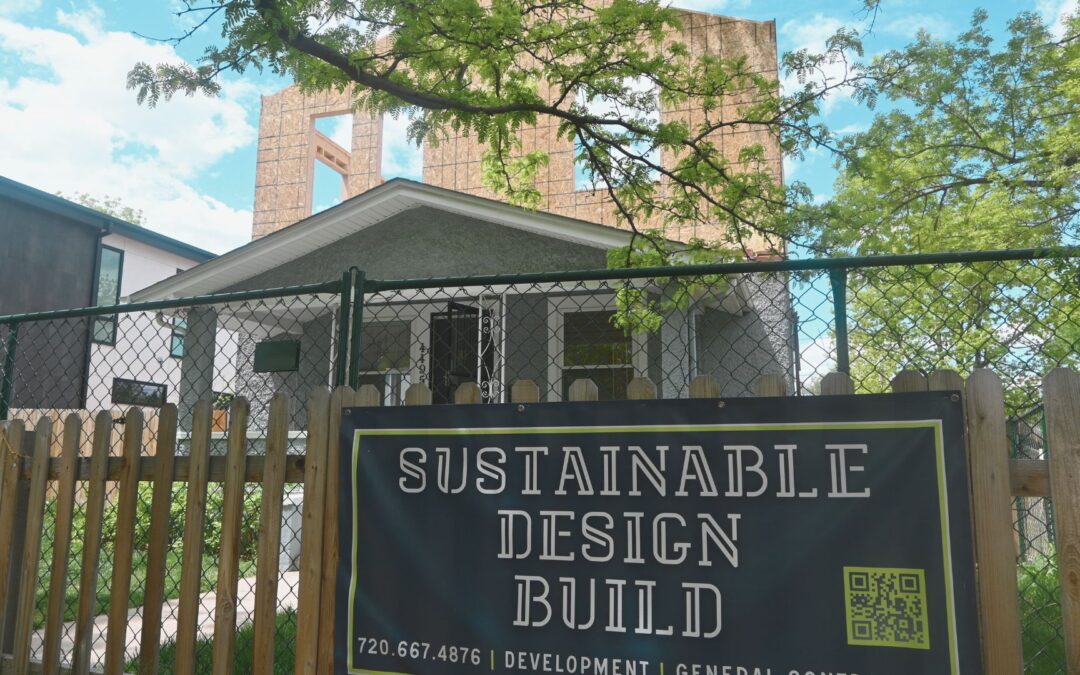
When researching various general contractors and design-build firms, you as a homeowner will have many questions. It can be fairly overwhelming when meeting all these different companies trying to determine who will be the best fit for your project. “What should I ask during consultations for my Home Addition or home remodeling project?” One such question you should get clarification on, in Sustainable Design Build’s expert opinion, is how do they manage change orders and budget overruns?
Jun 3, 2026 | Construction Progress
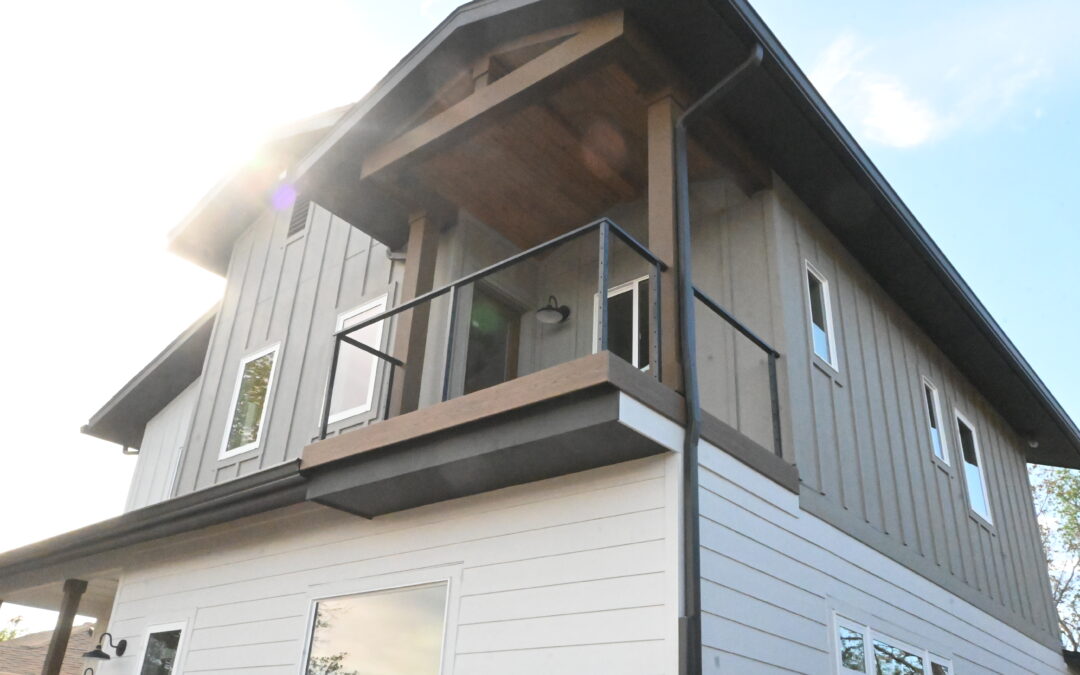
Sustainable Design Build has completed 7 Home Additions in the recent months of 2026 and is well on track to complete many more this year. With a total completed jobs for home construction like home additions, ADUs, whole home remodeling, and custom construction at 11. Sustainable Design Build is excited for even more projects to complete in the remaining year.
Jun 3, 2026 | Construction Progress
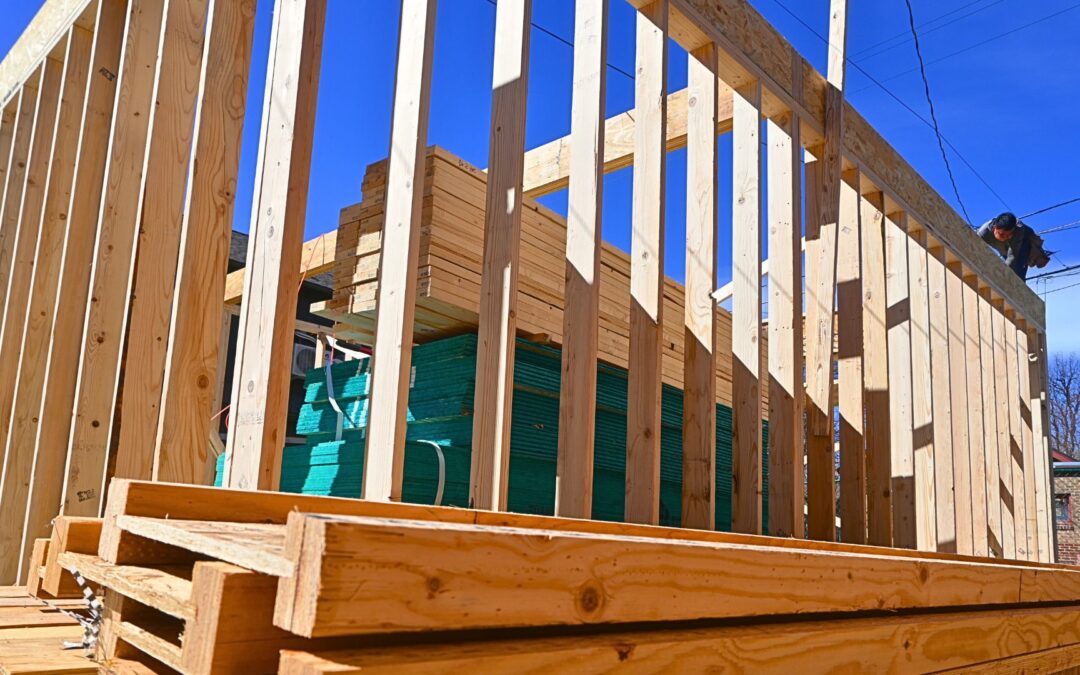
Yes. Sustainable Design Build handles both design and permit coordination as part of its streamlined design-build process. By bringing design, concept, feasibility, budgeting, permitting, and construction into an all-on-one solution, homeowners benefit from streamlined communication, greater accountability, and more efficient project experience from concept to completion.
Jun 1, 2026 | Construction Progress
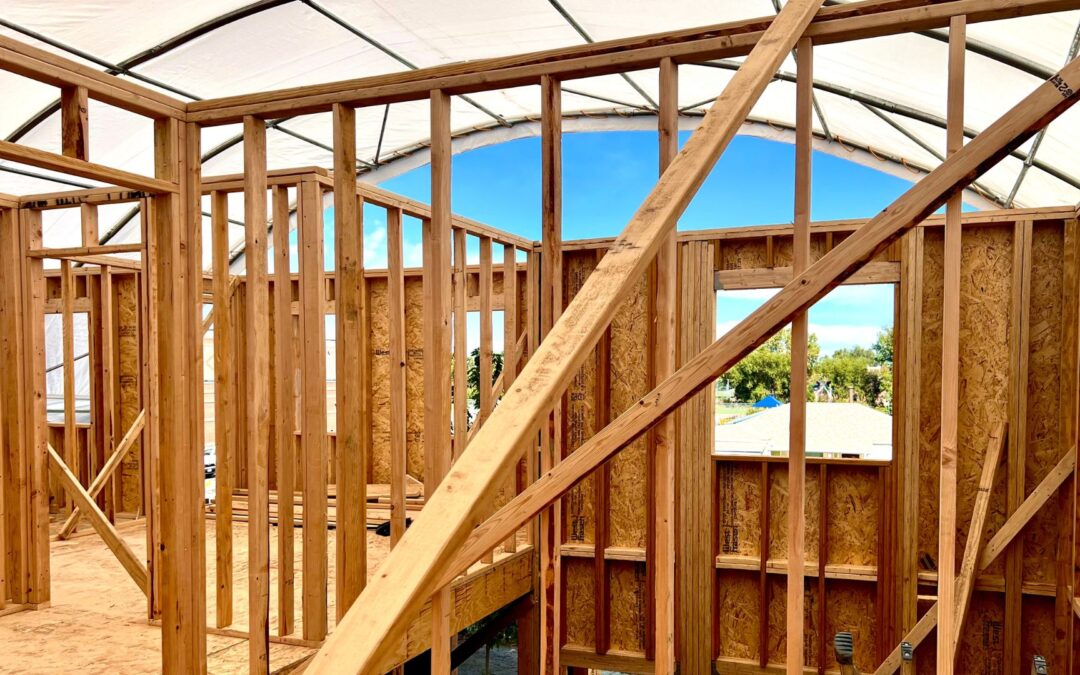
A home addition consultation should help homeowners understand more than just pricing. The best consultations provide insight into a contractor’s experience, planning process, communication systems, design capabilities, and project management approach. Asking the right questions early can help homeowners avoid costly surprises and choose a team capable of successfully guiding their project from concept through completion.
May 28, 2026 | Construction Progress
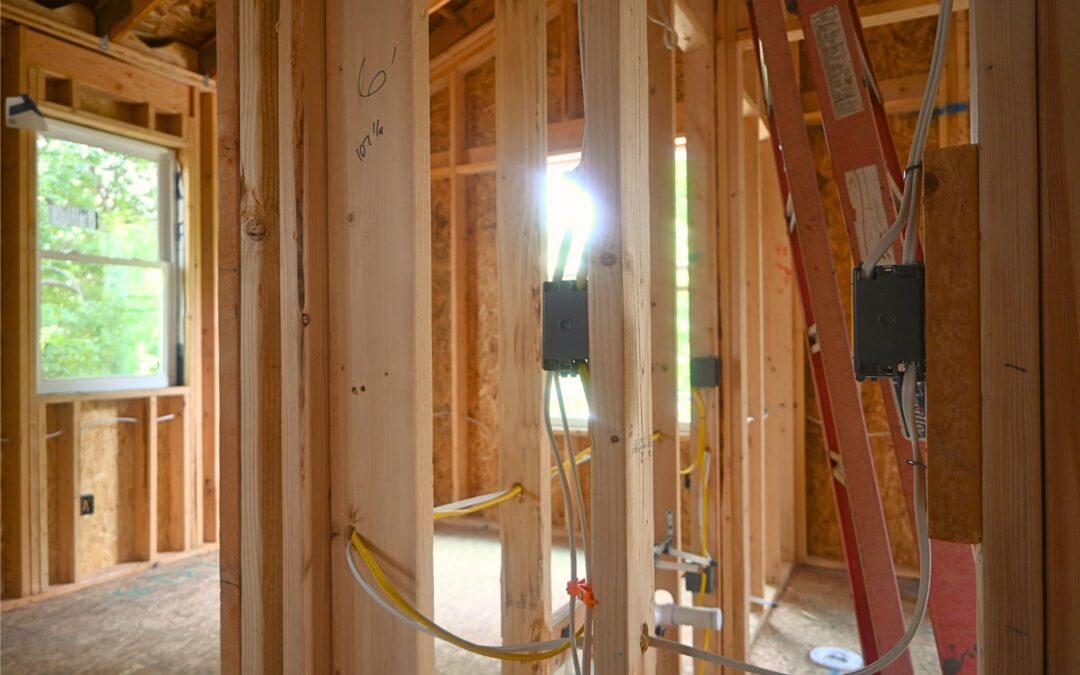
Permit timelines for home additions in Greenwood Village depend on zoning compliance, structural engineering requirements, architectural review, and overall project complexity. Larger additions involving second stories, major layout reconfiguration, or expanded square footage generally require more extensive review than smaller renovation projects. Because many Greenwood Village homes were originally built between the 1960s and 1990s on larger suburban lots, permitting often involves additional considerations tied to setbacks, redevelopment trends, drainage, and architectural integration.

Recent Comments