May 28, 2026 | Construction Progress
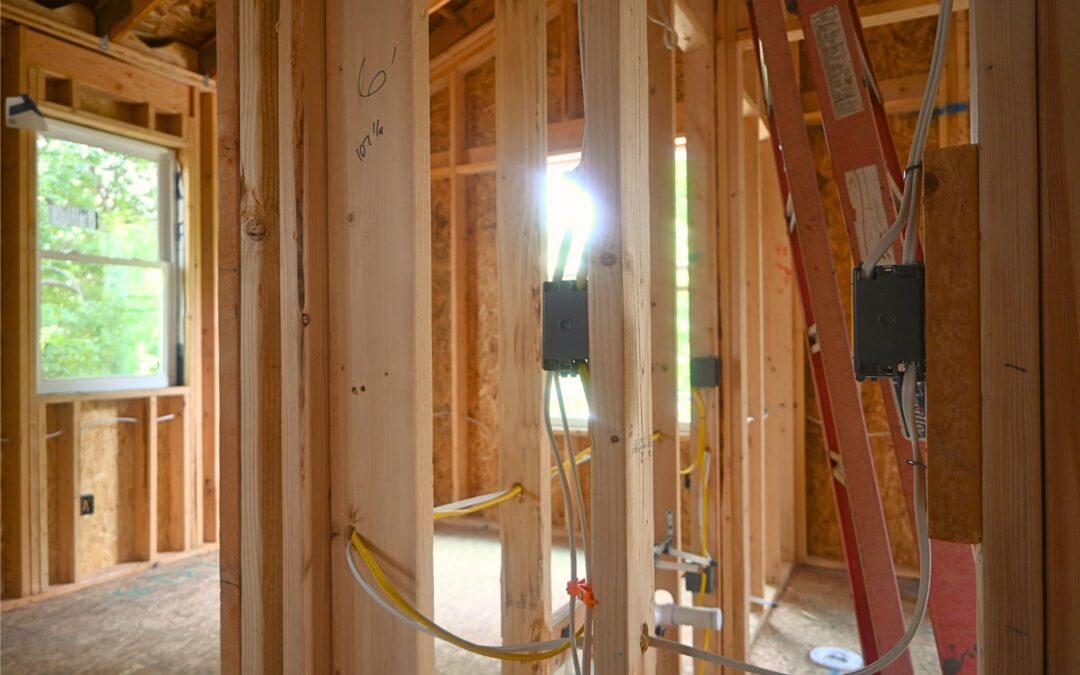
Permit timelines for home additions in Greenwood Village depend on zoning compliance, structural engineering requirements, architectural review, and overall project complexity. Larger additions involving second stories, major layout reconfiguration, or expanded square footage generally require more extensive review than smaller renovation projects. Because many Greenwood Village homes were originally built between the 1960s and 1990s on larger suburban lots, permitting often involves additional considerations tied to setbacks, redevelopment trends, drainage, and architectural integration.
May 27, 2026 | Construction Progress
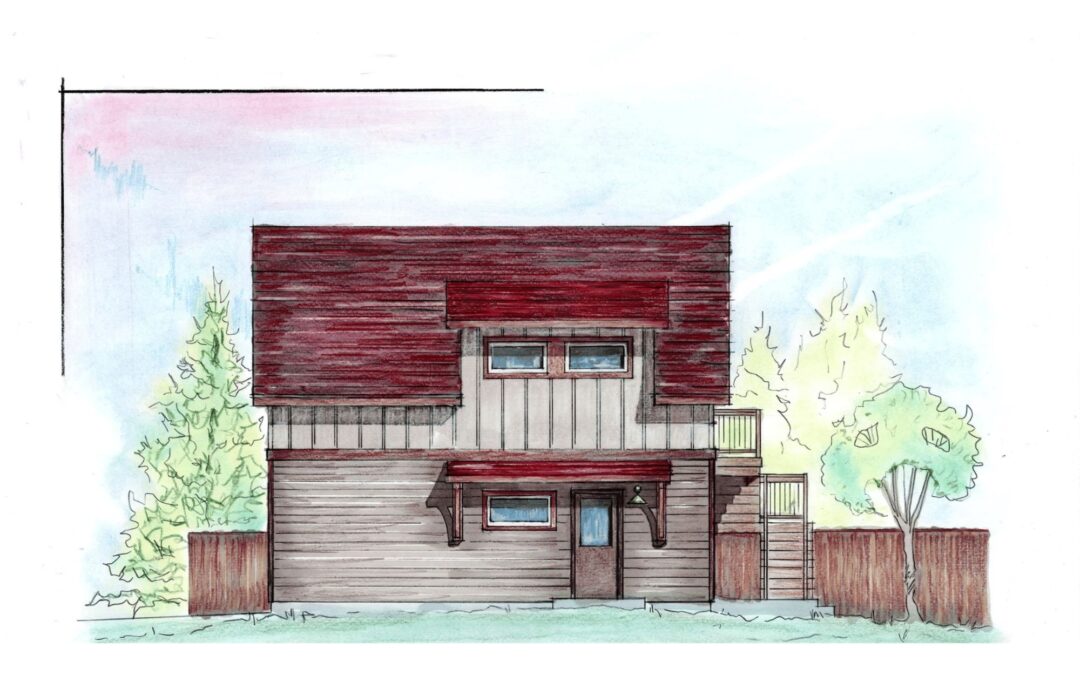
Many ranch homes in Greenwood Village can potentially support pop-top additions, but feasibility depends on structural engineering, zoning regulations, setback requirements, HOA review, and the condition of the original home. Because Greenwood Village contains a large inventory of mid-century and late-20th-century ranch properties on larger suburban lots, many homeowners are exploring second-story additions as an alternative to relocating or pursuing full teardown redevelopment.
May 26, 2026 | Construction Progress
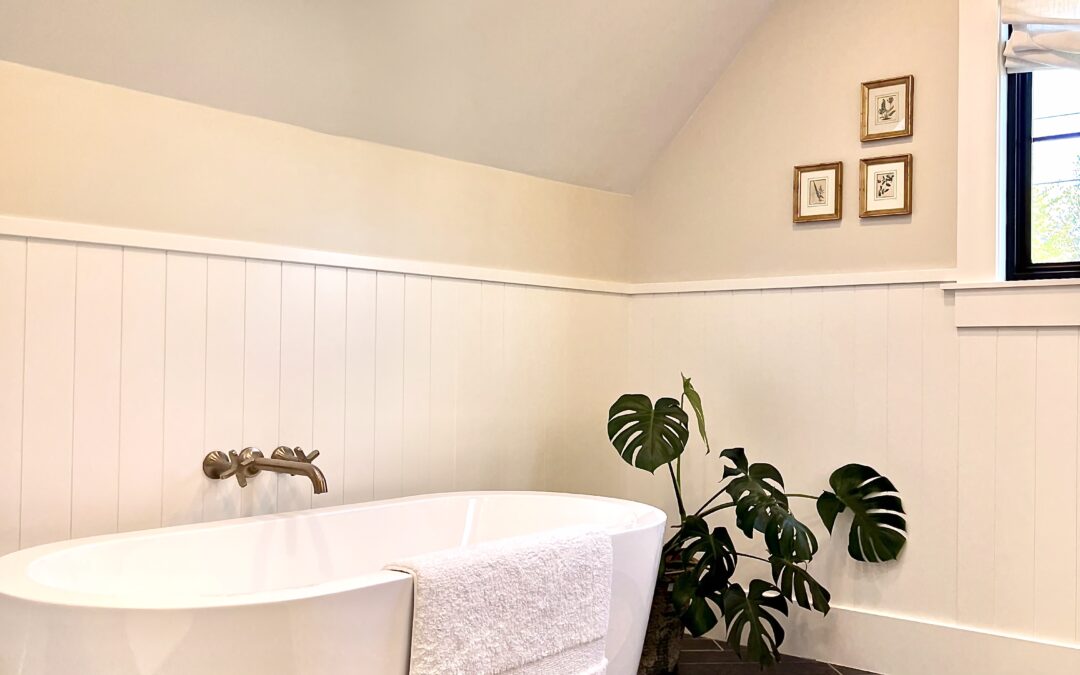
Platt Park continues to be one of Denver’s most desirable neighborhoods for home remodeling and home additions due to its historic charm, walkability, and strong long-term property value. As homeowners modernize older properties and expand existing homes, Sustainable Design Build (SDB) is actively working on multiple remodeling projects within the neighborhood while helping homeowners determine what can realistically be built through its streamlined Concept Development process.
May 22, 2026 | Construction Progress
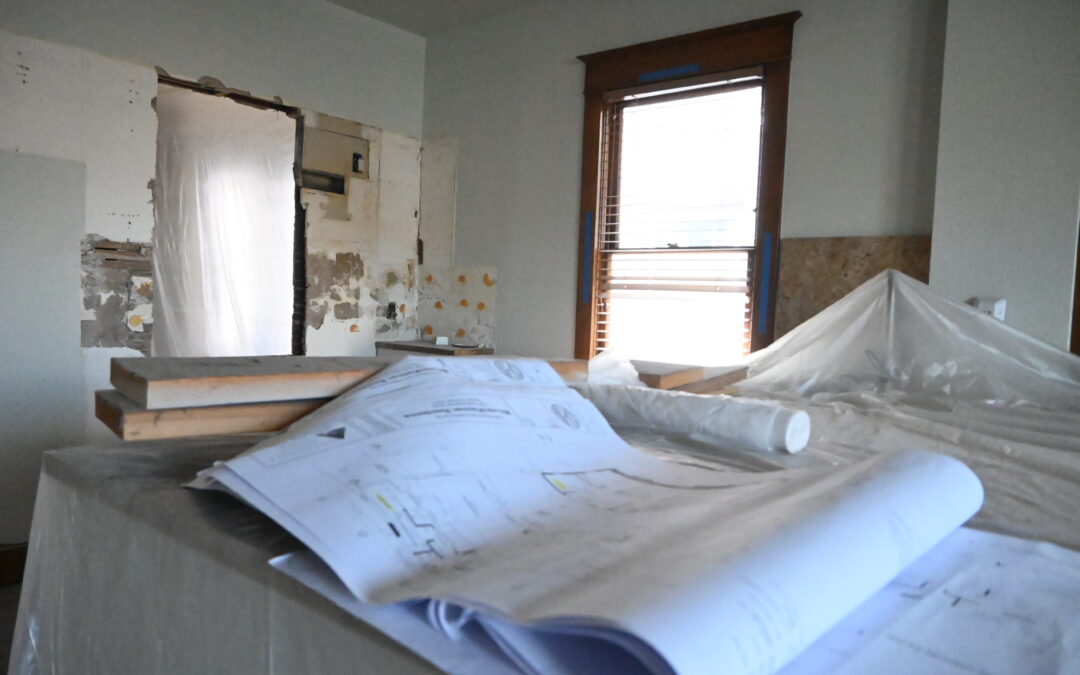
Many kitchen remodels look visually appealing but fail to improve how the space actually functions for daily living. Common kitchen remodeling mistakes include poor layout planning, inadequate lighting, limited storage, oversized islands without circulation space, and failing to connect the kitchen with surrounding living areas. In Denver homes, thoughtful renovation planning, architectural design, and interior design coordination can dramatically improve both functionality and long-term value.
May 21, 2026 | Construction Progress
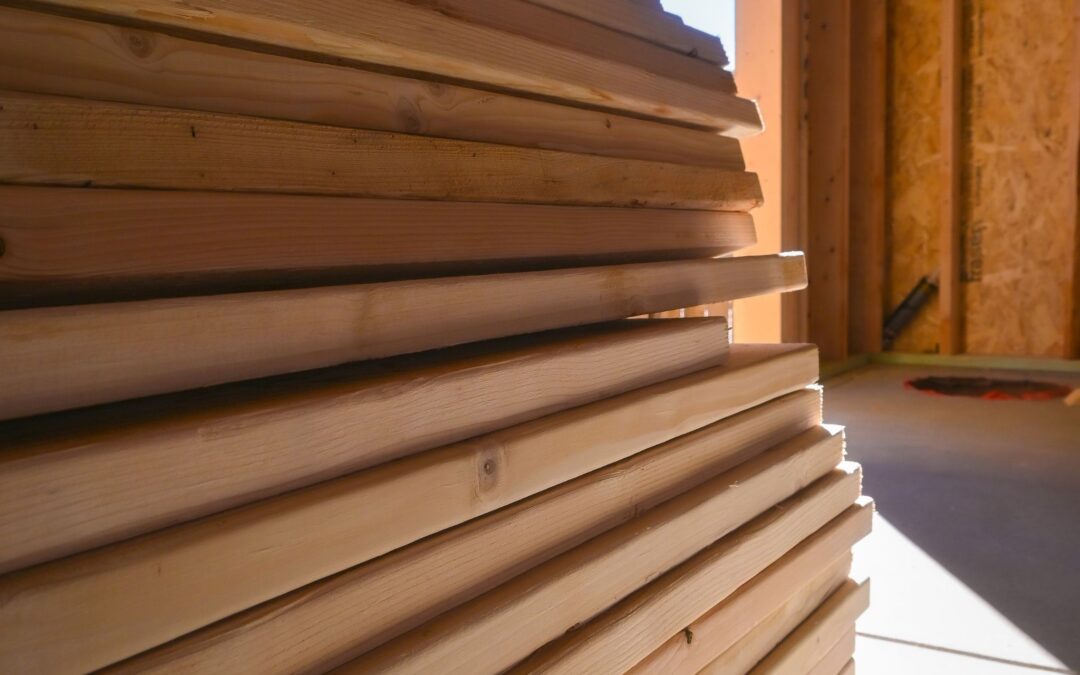
Many Denver homeowners are surprised to learn that building an Accessory Dwelling Unit (ADU) often requires a full concrete foundation instead of a simple slab. While slabs can work for garages and sheds, habitable ADUs typically require deeper structural support, frost protection, utilities integration, and compliance with Denver building codes. This becomes especially important during garage conversion ADU projects, where the existing slab may not meet structural or insulation requirements for legal residential living space.
May 20, 2026 | Construction Progress
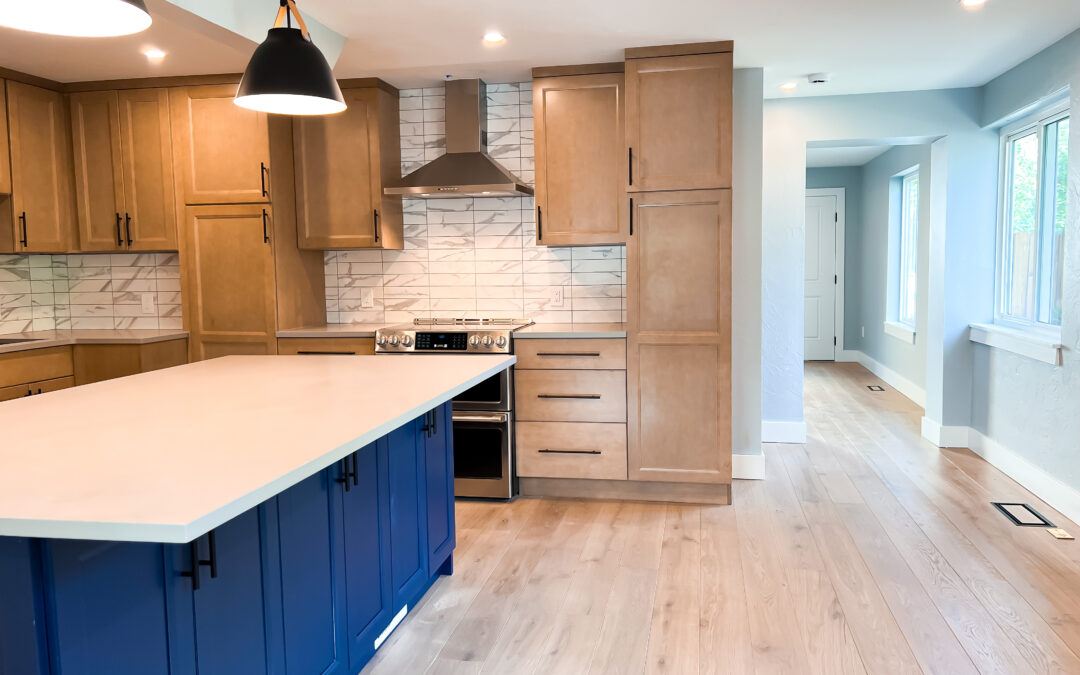
Open-concept kitchen remodels are one of the most popular renovation trends in Denver because they improve natural light, increase functionality, and make older homes feel significantly larger. Many homeowners are removing walls, expanding kitchens, adding vaulted ceilings, and creating stronger indoor-outdoor connections to modernize traditional layouts without moving.
May 19, 2026 | Construction Progress
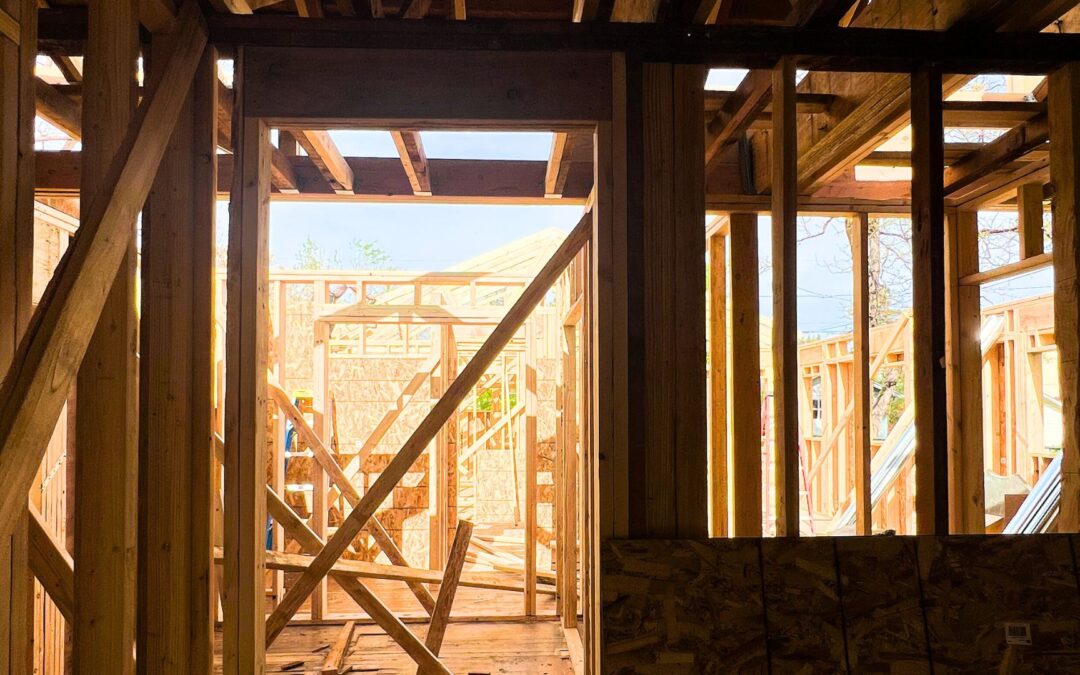
Many Denver homeowners are transforming older homes into brighter, more open living spaces without moving by using strategic home additions, vaulted ceilings, open-concept layouts, larger windows, and indoor-outdoor design elements. These renovations often combine structural remodeling, architectural planning, and interior design to dramatically improve how a home feels and functions.
May 14, 2026 | Construction Progress
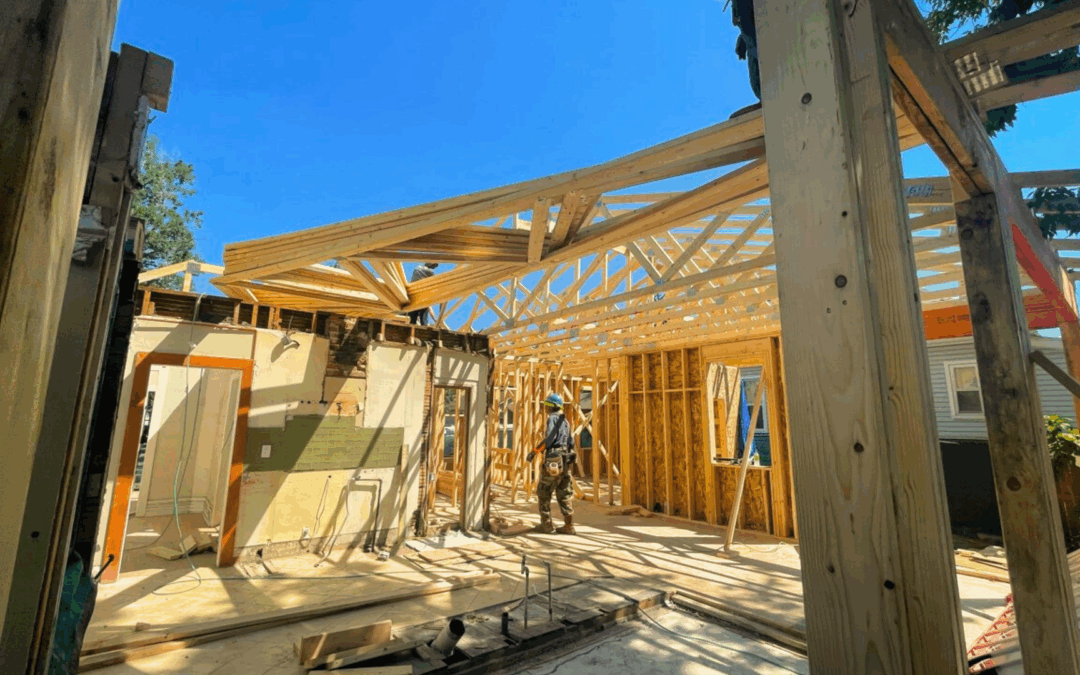
Home addition permit timelines in Denver can vary dramatically depending on project complexity, zoning conditions, structural modifications, and neighborhood restrictions. While some additions move through permitting relatively efficiently, projects involving pop tops, second-story additions, lot coverage issues, or older homes often require additional engineering review and coordination before approval.
May 12, 2026 | Construction Progress
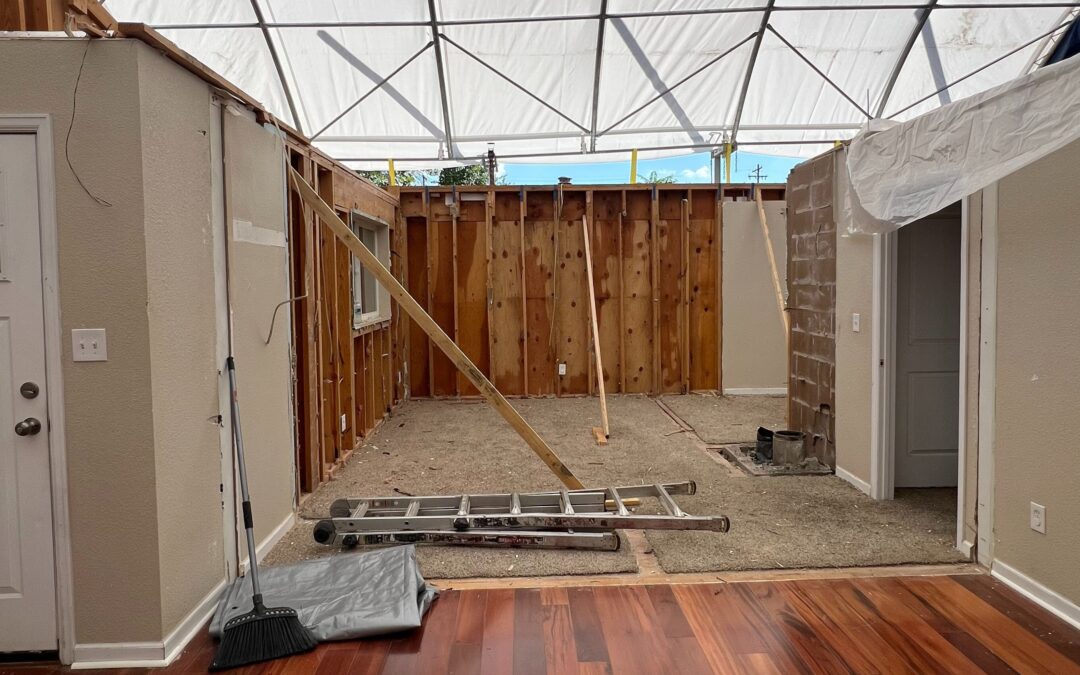
The cost of a pop top in Denver typically ranges from approximately $250,000 to $600,000 or more depending on structural modifications, square footage, design complexity, and finish selections. Pop tops are especially popular in Denver neighborhoods with smaller lots because they allow homeowners to build upward instead of outward, preserving valuable yard space while significantly increasing livable square footage.

May 11, 2026 | Construction Progress
Choosing between building up or building out in Denver depends on lot size, zoning restrictions, structural conditions, and project goals. In many cases, building out is initially less expensive per square foot, but building up can preserve yard space and increase long-term property value in Denver’s tighter urban neighborhoods. Homeowners should evaluate structural requirements, foundation capacity, zoning setbacks, and neighborhood conditions before deciding which approach makes the most financial sense.
May 8, 2026 | Construction Progress
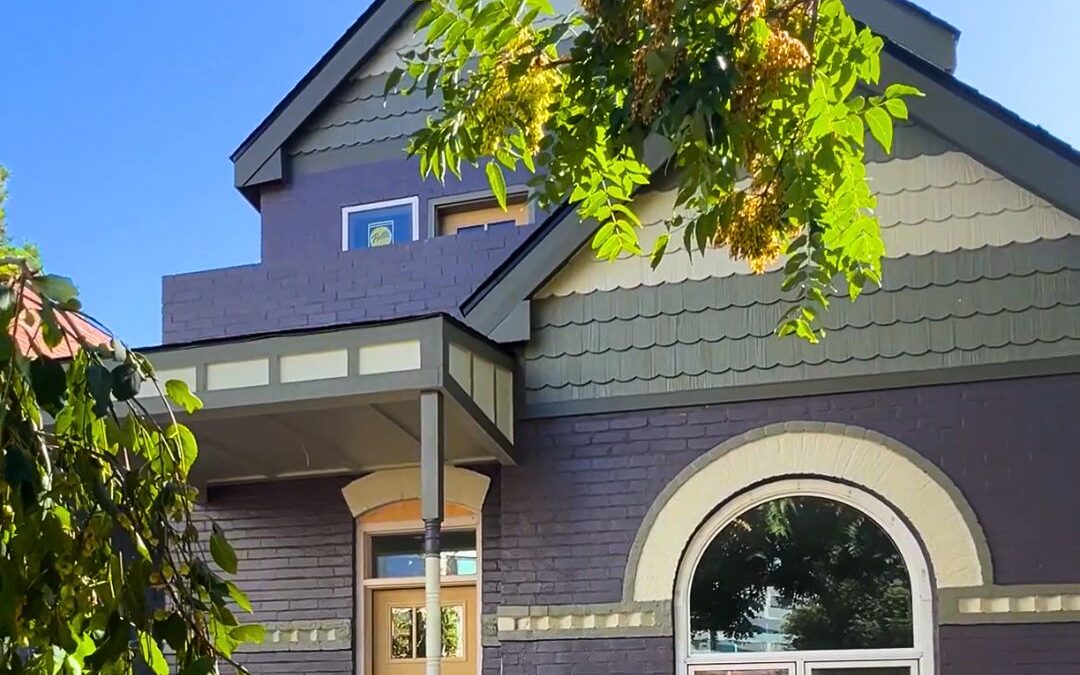
Denver Victorian home addition pop tops allow homeowners to expand living space while maintaining the historic character that makes these properties unique. Thoughtful design, zoning awareness, and craftsmanship are essential when adding square footage to older homes in Denver’s historic neighborhoods. With the right approach, homeowners can modernize functionality while preserving architectural integrity.
May 7, 2026 | Construction Progress
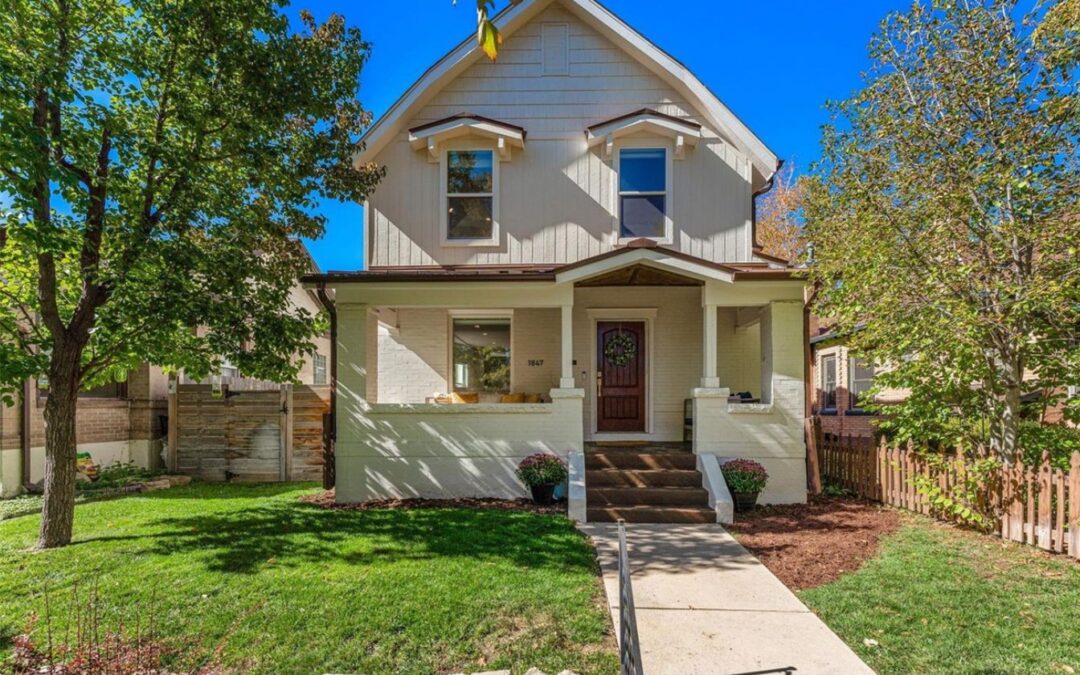
Yes, landmark designation can affect a Denver bungalow pop top addition by influencing design requirements, approval timelines, roof modifications, exterior materials, and overall project visibility from the street. Homes located within Denver historic districts or designated landmark properties often require additional review to ensure additions remain compatible with neighborhood character. Working with an experienced design-build contractor can help homeowners navigate these requirements more efficiently.
May 6, 2026 | Construction Progress
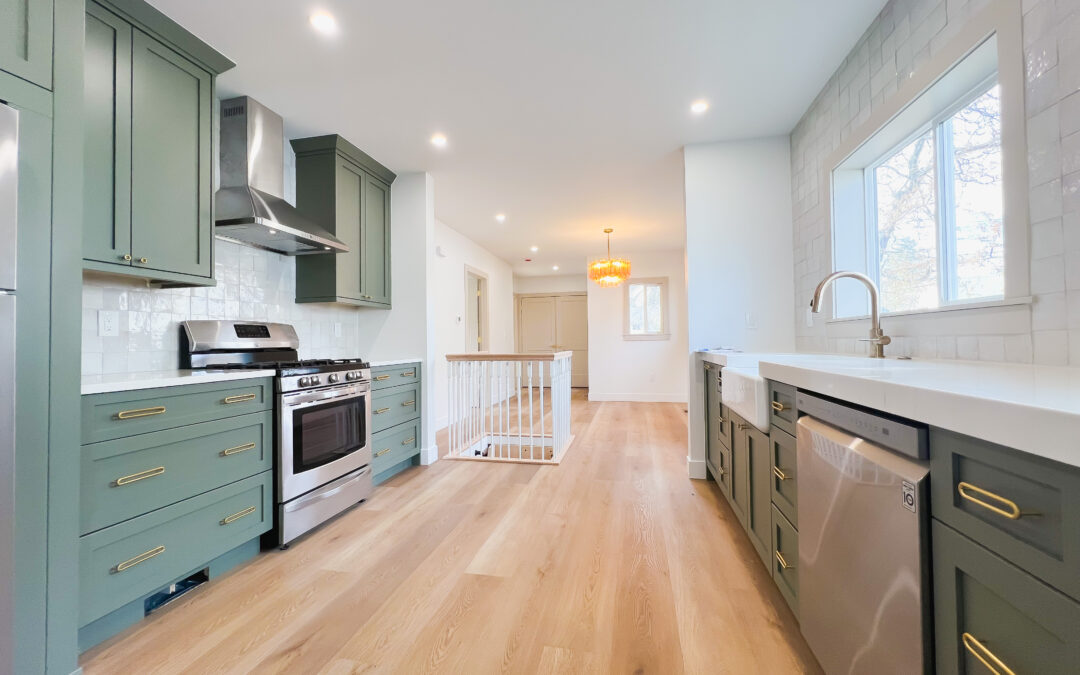
Architects and interior designers serve different but complementary roles during a home remodel or addition. Architects focus on structure, layout, and building systems, while interior designers concentrate on functionality, aesthetics, and how homeowners experience the space. Design-build firms like Sustainable Design Build combine both services in-house, creating a more collaborative and streamlined remodeling experience for homeowners.
May 5, 2026 | Interior Design
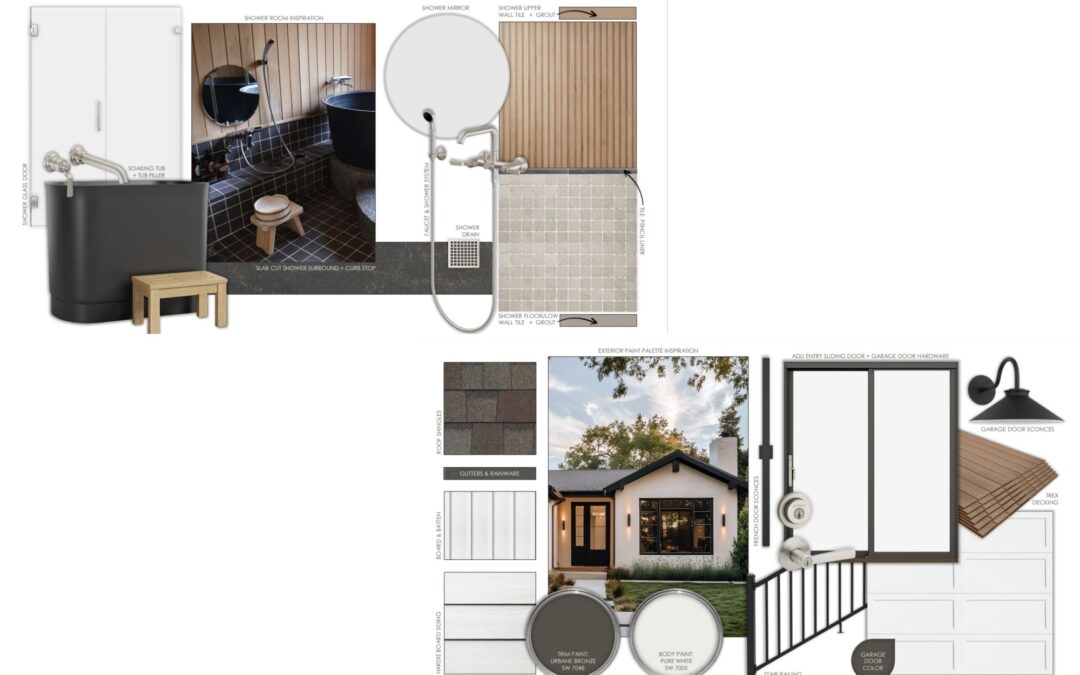
Interior design programming helps homeowners define how their new pop top addition should function before construction begins. By focusing on lifestyle needs, space planning, storage, lighting, and long-term usability, Sustainable Design Build’s in-house interior design process creates personalized home additions that feel intentional, cohesive, and highly functional.
May 4, 2026 | Construction Progress
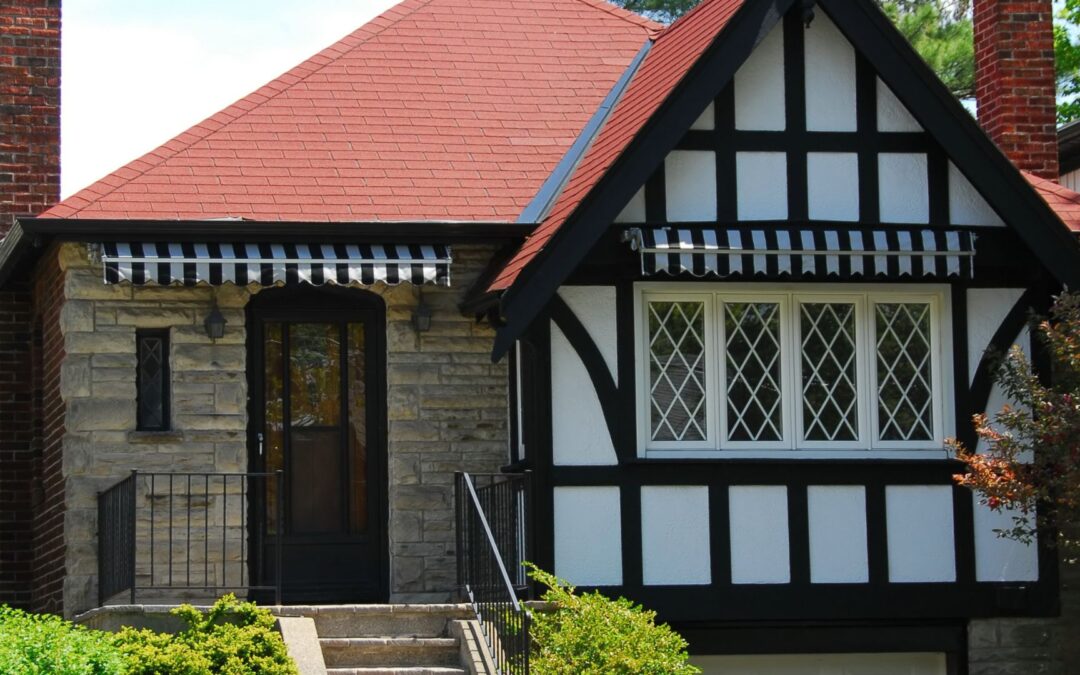
Tudor-style houses are defined by steep rooflines, decorative half-timbering, and a historic European aesthetic that became popular in early 20th-century America. In Denver, these homes remain highly desirable, and modern pop top additions can expand space while preserving architectural integrity through thoughtful design-build practices.
May 1, 2026 | The Construction Industry
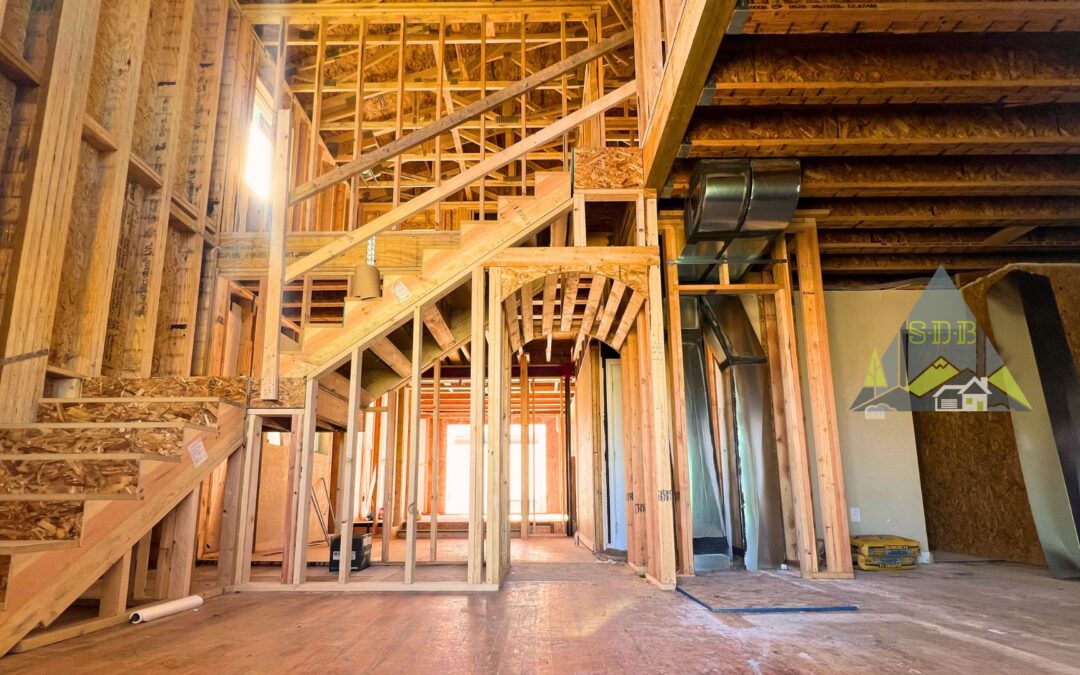
Homeowners often struggle with unclear pricing and timelines when starting a remodel. Sustainable Design Build addresses this by offering a Project Concept Service that delivers buildable plans, fixed costs, and realistic timelines early in the process. This approach reduces uncertainty and helps homeowners make informed decisions before construction begins.


Recent Comments