
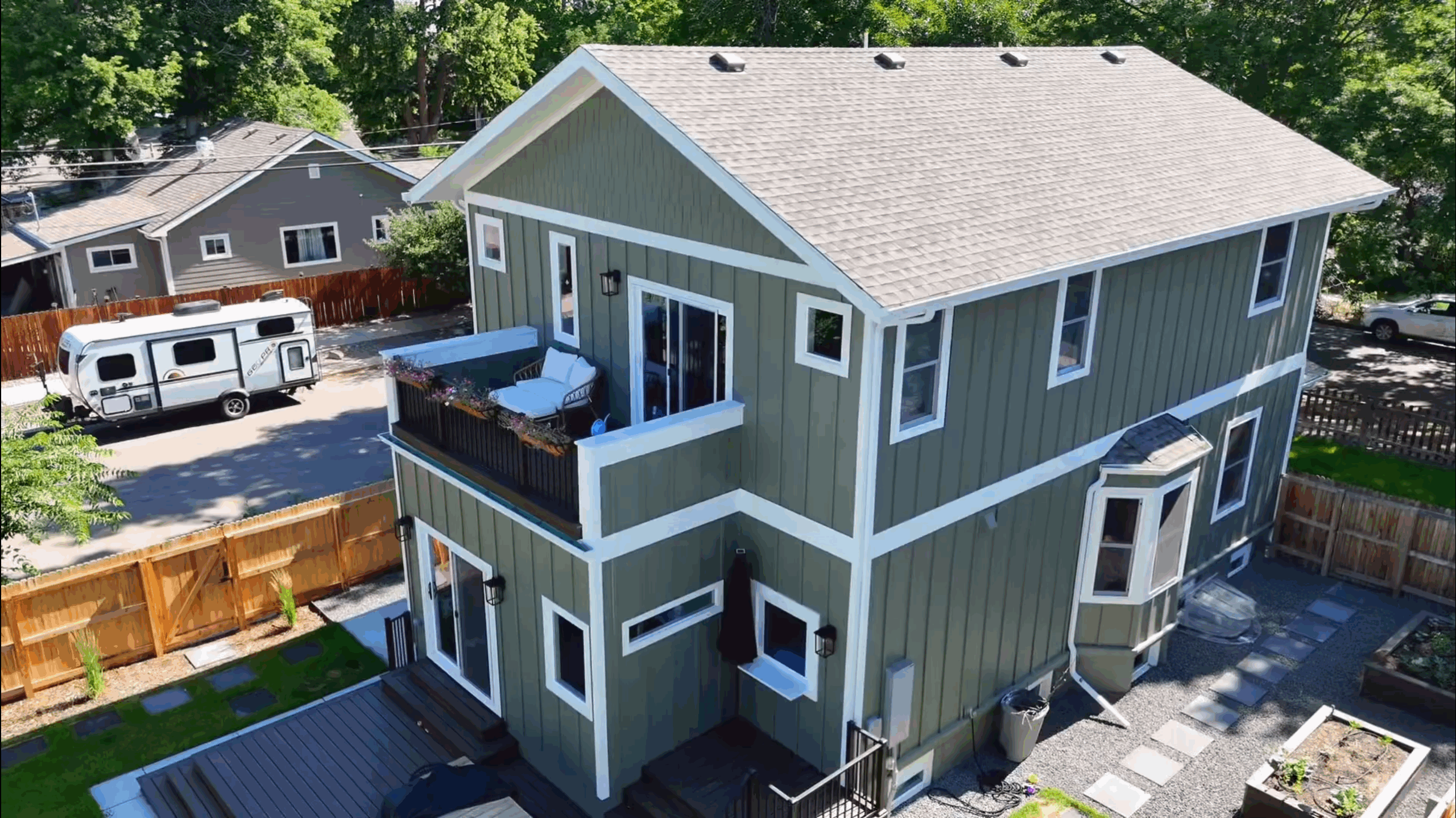
Completed Pop Top Home Addition in Berkely Neighborhood of Denver by Sustainable Design Build.
A home addition in Denver can take several months from initial planning to final completion depending on permitting, structural complexity, weather conditions, and project scope. While smaller additions may move faster, larger second-story additions, pop tops, and complex remodels often require extended architectural planning, engineering coordination, and phased construction scheduling.
Why Addition Timelines in Denver Vary So Much
One of the first questions homeowners ask during early planning is how long a home addition will actually take. While many people expect construction timelines to be relatively straightforward, the reality is that every property introduces different structural, zoning, permitting, and scheduling conditions.
In Denver, addition timelines are often influenced by:
- permitting and zoning reviews
- engineering requirements
- neighborhood conditions
- weather delays
- material lead times
- structural modifications
- project complexity
For homeowners researching the overall cost of a home addition in Denver, understanding realistic scheduling expectations is an important part of planning both financially and logistically.
What Factors Affect Home Addition Timelines?
No two additions follow the exact same schedule. Some projects involve relatively simple ground-level expansions, while others require major structural reconstruction and second-story framing.
The largest factors affecting timelines typically include:
- project size
- architectural planning
- permitting
- engineering complexity
- existing home conditions
- utility coordination
- contractor scheduling
- weather conditions
Homes located in older Denver neighborhoods may also introduce unforeseen structural conditions once construction begins.
Design and Planning Usually Take Longer Than Homeowners Expect
One of the most overlooked phases of an addition project is preconstruction planning.
Before construction begins, homeowners often need:
- architectural drawings
- structural engineering
- zoning reviews
- surveys
- feasibility analysis
- budgeting coordination
According to the City and County of Denver Community Planning & Development Department, permitting and development review timelines can vary depending on project scope, zoning conditions, and review requirements.
For larger additions, revisions and approvals can significantly extend the planning phase before construction even begins.
How Long Do Permits Take in Denver?
Permit timelines depend heavily on:
- project complexity
- neighborhood restrictions
- structural scope
- zoning reviews
- historic district requirements
Smaller projects may move through approvals faster, while larger additions involving structural changes, second stories, or major exterior modifications often require additional review and coordination.
Permitting can also take longer when projects involve:
- setback issues
- lot coverage limitations
- utility modifications
- stormwater requirements
- structural redesigns
Because of this, homeowners should avoid assuming construction can begin immediately after design completion.
Ground-Level Additions vs. Second-Story Additions
The type of addition significantly affects the construction timeline.
Ground-Level Additions
Ground-floor additions are often more straightforward because they usually avoid major roof removal and extensive structural reinforcement.
However, timelines can still increase due to:
- excavation
- foundation work
- drainage planning
- utility relocation
- weather conditions
Homes with difficult site access or older infrastructure may require additional coordination.
Second-Story Additions and Pop Tops
Second-story additions are generally more complex because they involve substantial structural modifications.
Homeowners considering vertical expansions often compare building up vs building out in Denver before finalizing project plans.
Projects involving pop tops or second-story additions frequently require:
- roof removal
- framing reinforcement
- foundation upgrades
- temporary structural support
- phased construction scheduling
For homeowners researching Denver pop top costs, understanding the additional structural coordination involved is an important part of setting realistic expectations.
Weather Can Affect Construction Schedules in Denver
Denver weather can influence construction timelines throughout the year.
Snow, rain, wind, and freeze-thaw conditions may affect:
- excavation
- concrete curing
- roofing schedules
- framing progress
- exterior finishes
Roof-open phases during second-story additions are especially sensitive to weather disruptions because temporary exposure must be carefully managed.
Material Availability and Scheduling Delays
Material lead times continue to affect many construction projects.
Depending on selections, homeowners may experience delays related to:
- windows
- custom doors
- cabinetry
- specialty finishes
- HVAC equipment
- electrical components
Scheduling coordination between multiple trades can also influence overall construction pacing.
Older Denver Homes Often Require Additional Work
Many homes throughout Denver were built decades ago and may contain:
- outdated electrical systems
- undersized HVAC equipment
- aging plumbing
- structural deficiencies
- foundation concerns
Once walls or roofs are opened during construction, previously hidden issues can sometimes require additional engineering or repairs.
According to the Colorado Geological Survey, expansive soils throughout portions of the Front Range can also influence foundation planning and structural considerations.
How Homeowners Can Help Projects Stay on Schedule
While some delays are unavoidable, homeowners can help improve scheduling efficiency by:
- finalizing selections early
- avoiding major design changes during construction
- completing feasibility evaluations early
- understanding permitting requirements
- establishing realistic expectations
Early planning is often one of the most important factors in maintaining a smoother construction process.
Are Larger Additions Worth the Longer Timeline?
For many homeowners, the answer depends on long-term goals.
Larger additions can significantly improve:
- functionality
- resale value
- livable square footage
- family flexibility
- overall property utility
According to Zillow housing market research, expanded square footage and modernized layouts remain major drivers of value in competitive urban housing markets.
In many Denver neighborhoods, homeowners ultimately decide the long-term benefits outweigh the extended planning and construction timeline.
What Should Homeowners Do Before Starting an Addition?
Before beginning an addition project, homeowners should evaluate:
- budget expectations
- structural feasibility
- zoning conditions
- scheduling flexibility
- neighborhood compatibility
Many homeowners begin by reviewing the broader Denver home addition cost guide alongside resources comparing building up vs building out in Denver and Denver pop top costs to better understand how project scope, structural conditions, and neighborhood limitations can affect both costs and timelines.
References
City and County of Denver Community Planning & Development. (2026). Development services and zoning resources. https://www.denvergov.org/Government/Agencies-Departments-Offices/Agencies-Departments-Offices-Directory/Community-Planning-and-Development
Colorado Geological Survey. (2026). Geologic hazards and expansive soils. https://coloradogeologicalsurvey.org/
Zillow Research. (2026). Housing market trends and home value insights. https://www.zillow.com/research/
Connect With Us
Planning your next renovation, or maybe you are looking to do a complete remodel for your home? Whatever the task, it can’t hurt to ask. Reach out to our team through this form.
We can schedule a free consultation and discuss everything you need to get your project moving in the right direction. Did we mention, it’s absolutely free?