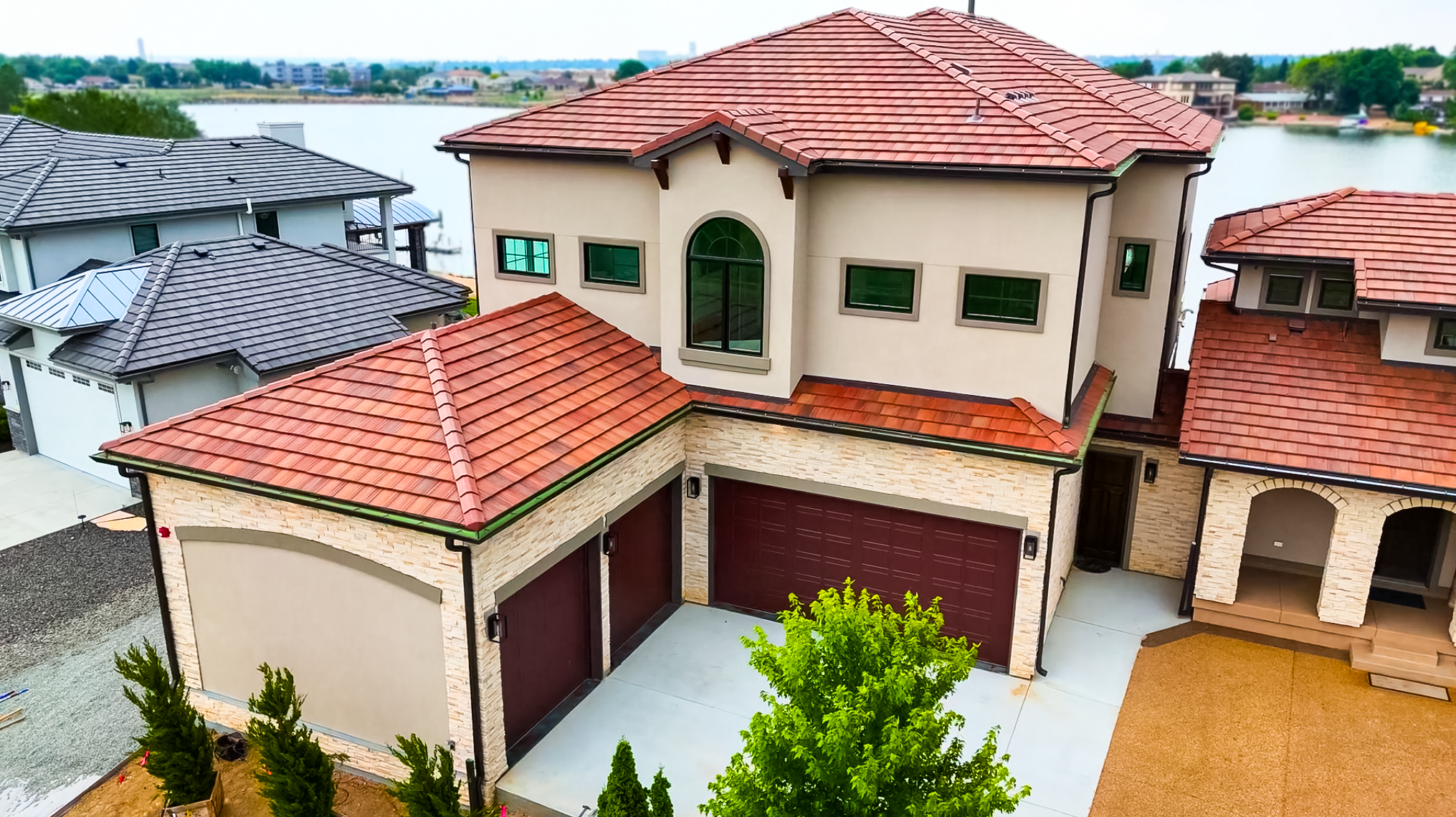
The cost to add a high-end custom addition typically ranges from $300,000 to $600,000+, with complex projects often exceeding $550 per square foot depending on architecture, structural requirements, material selections, and finish level. These additions may include large primary suites, expansive kitchen additions, indoor-outdoor living areas, multi-room expansions, wellness spaces, or highly customized living environments. Because these projects are deeply personalized, early planning, detailed design, and professional construction coordination are essential to establishing a realistic budget.
What Is the Cost to Add a High-End Custom Addition?
A high-end custom addition is one of the most personalized ways to expand a home. Unlike a standard room addition, these projects are designed around the homeowner’s specific lifestyle, property conditions, architectural goals, and long-term use of the home.
In Denver, the cost to add a high-end custom addition commonly ranges from $300,000 to $600,000+. Larger or more architecturally complex additions can exceed that range, especially when the project includes premium materials, extensive structural work, custom windows and doors, specialty millwork, advanced mechanical systems, or detailed interior design.
These projects often cost more than mid-range additions because the goal is not simply to add square footage. The goal is to create a fully integrated extension of the home that improves function, appearance, comfort, and long-term value.
What Counts as a High-End Custom Addition?
A high-end custom addition can take many forms depending on the home and the homeowner’s goals. Some projects expand the main living area, while others create entirely new spaces designed around comfort, entertaining, privacy, or daily convenience.
Common examples include large primary bedroom suites, expanded kitchens with connected dining or living areas, indoor-outdoor entertaining spaces, multi-room additions, guest suites, wellness rooms, home offices, custom family rooms, and additions that significantly alter the home’s overall layout.
What separates a custom addition from a more standard project is the level of detail. These additions often involve tailored floor plans, carefully matched exterior materials, specialty lighting, custom cabinetry, upgraded windows, refined interior finishes, and architectural details that make the new space feel original to the home.
Why Do High-End Custom Additions Cost More?
High-end custom additions cost more because nearly every part of the project requires additional planning, coordination, and craftsmanship. A basic addition may follow a relatively straightforward layout, while a custom addition often involves solving more complex design and construction challenges.
Structural work is one of the largest cost factors. Depending on the home, the project may require foundation upgrades, framing modifications, roofline changes, wall removals, or engineering support to create open spaces and seamless transitions.
Finish selections also have a major impact on cost. Flooring, tile, cabinetry, countertops, fixtures, windows, doors, trim, and lighting can vary widely in price. In a high-end custom addition, these selections are usually chosen not only for function but also for how they contribute to the overall design of the home.
Mechanical systems can also increase the budget. Larger additions may require expanded HVAC, plumbing, electrical, insulation, and ventilation systems. When the addition includes a kitchen, bathroom, laundry area, fireplace, or specialty space, these systems become even more important to plan correctly.
How Does a Custom Addition Compare to Other Addition Types?
Homeowners often compare high-end custom additions to other types of home expansions before deciding which path makes the most sense.
A smaller bump-out may be a good fit when the goal is to expand a single room. A mid-range addition may be ideal when the homeowner needs meaningful new living space with a more balanced investment. A second-story or pop-top may make sense when the homeowner needs substantial square footage but does not want to reduce yard space.
For a broader overview of addition costs, Sustainable Design Build’s guide on what it costs to add onto a house explains how bump-outs, mid-range additions, pop-tops, and custom additions compare. Homeowners considering a more moderate expansion may also benefit from reviewing what it costs to add a mid-range addition in Denver. For those evaluating whether to build upward instead of outward, SDB’s article on what it costs to add second-story/pop-top provides helpful context.
A high-end custom addition is typically the right fit when the homeowner wants more than additional space. It is best suited for projects where layout, finish quality, architectural integration, and long-term livability are all central to the decision.
What Factors Influence the Final Cost?
The final cost of a high-end custom addition depends on the relationship between design goals and existing conditions. Square footage matters, but it is only one part of the equation.
The condition of the existing home can significantly affect the budget. Older homes may require structural reinforcement, utility upgrades, roofing modifications, or code-related improvements before the new addition can be properly integrated.
Design complexity also plays a major role. Vaulted ceilings, large glass openings, custom staircases, specialty exterior materials, complex rooflines, and open-concept layouts can all increase construction costs.
Site access may also affect pricing. Tight urban lots, limited staging areas, mature landscaping, alley access, and neighborhood constraints can influence labor, scheduling, and construction logistics.
Finally, finish selections can move the budget substantially. A custom addition with premium cabinetry, detailed tile work, specialty lighting, designer fixtures, and high-performance windows will naturally cost more than a simpler addition with standard materials.
Why Planning Is So Important for a Custom Addition
Planning is especially important for high-end custom additions because small decisions made early can have major effects later. The most successful projects begin with a clear understanding of cost, layout, design direction, permitting requirements, and construction feasibility.
A well-planned custom addition should not feel separate from the original home. It should improve the entire property by creating better flow, stronger natural light, more functional rooms, and a cohesive architectural appearance.
This is where a design-build approach can provide significant value. When architecture, interior design, estimating, and construction planning are coordinated from the beginning, homeowners are better positioned to make informed decisions before construction begins.
What This Means for Denver Homeowners
For Denver homeowners, a high-end custom addition can be a meaningful alternative to moving. Instead of leaving a neighborhood, school district, or property they already value, homeowners can reimagine their current home around the way they actually want to live.
With costs commonly ranging from $300,000 to $600,000+, these projects require thoughtful budgeting and professional guidance. However, when designed and built correctly, a custom addition can create a more functional, comfortable, and cohesive home while strengthening long-term property value.
Where Sustainable Design Build Helps Homeowners
Sustainable Design Build has been operating and building throughout Denver for well over a decade. During that time, the company has developed a process that helps homeowners understand what is possible before committing to construction.
SDB’s Concept Service helps answer the major questions that shape every addition project: how much it may cost, how long it may take, and what the finished space could look like. This early planning process gives homeowners a clearer path forward and helps align design goals with realistic construction expectations.
As a design-build firm with in-house architects, interior designers, and general contractors, Sustainable Design Build provides coordinated support from early planning through construction. For homeowners considering a high-end custom addition, that integrated process can help turn a complex project into a well-organized and highly functional expansion of the home.
Connect With Us
Planning your next renovation, or maybe you are looking to do a complete remodel for your home? Whatever the task, it can’t hurt to ask. Reach out to our team through this form.
We can schedule a free consultation and discuss everything you need to get your project moving in the right direction. Did we mention, it’s absolutely free?