
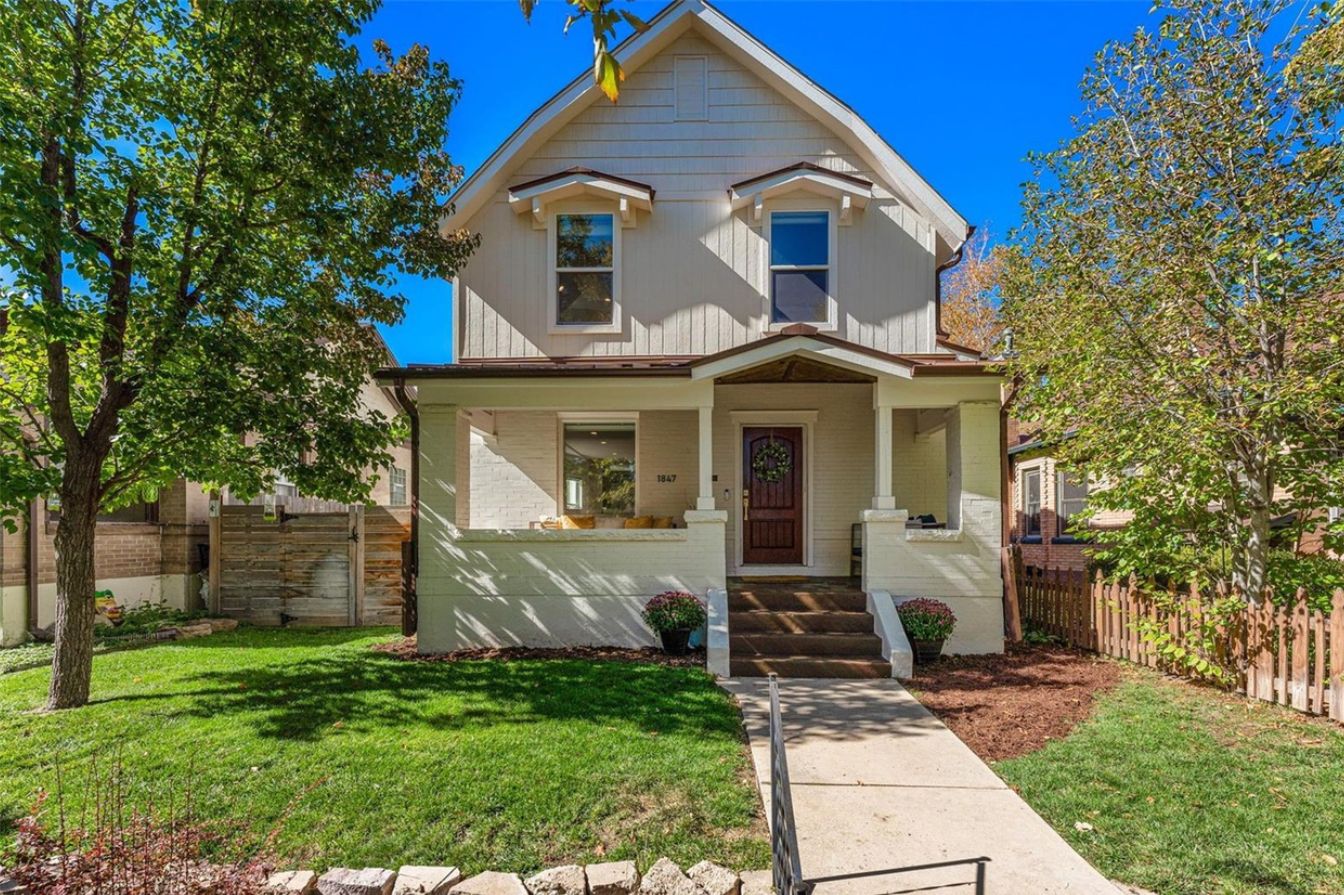
Historic homes are among Denver’s most desirable properties because they offer architectural character, established neighborhoods, and lasting craftsmanship. Successfully renovating or expanding these homes requires balancing modern functionality with historical integrity, ensuring additions and updates complement the original design rather than compete with it.
Historic & Architecturally Sensitive Homes
Denver’s oldest neighborhoods tell the story of the city’s growth through architecture. From early twentieth-century Denver Squares to elegant Craftsman bungalows and stately brick residences, historic homes contribute significantly to the identity and charm of communities throughout the city.
While these properties offer undeniable character, they often require updates to accommodate modern lifestyles. Homeowners may need additional living space, improved functionality, updated systems, or enhanced energy performance. The challenge lies in making these improvements while preserving the architectural features that make historic homes valuable and distinctive.
For homeowners considering a renovation, addition, or whole-home transformation, understanding how to respect a home’s original architecture is critical to maintaining both its character and long-term value.
Why Historic Denver Homes Continue to Be Highly Sought After
The demand for historic Denver homes remains strong because buyers increasingly value craftsmanship, mature neighborhoods, walkability, and architectural authenticity. According to the National Park Service, historic preservation contributes to community identity while supporting property values and neighborhood stability (National Park Service, 2025).
Many of Denver’s historic residences were constructed using materials and building techniques that are rarely replicated in modern production housing. For example, Denver Bungalow Homes are a recurring type of home throughout Denver’s neighborhoods. Features such as original brickwork, detailed millwork, hardwood flooring, custom built-ins, and handcrafted trim create a sense of permanence that homeowners continue to appreciate.
These homes also occupy some of Denver’s most established and desirable neighborhoods, where mature trees, pedestrian-friendly streets, and cohesive architectural styles contribute to a strong sense of place.
As a result, many homeowners choose renovation over relocation, investing in upgrades that allow them to remain in neighborhoods they love while adapting their homes to evolving needs.
Understanding Denver Squares
Among Denver’s most recognizable historic housing styles is the Denver Square, an architectural form that became popular between approximately 1890 and 1930.
Characterized by a simple box-shaped structure, symmetrical façade, prominent front porch, and efficient floor plan, Denver Squares were designed to maximize interior living space while maintaining elegant curb appeal. Many examples can still be found throughout Park Hill, Congress Park, Highlands, and other historic Denver neighborhoods.
Although Denver Squares typically offer generous square footage compared to bungalows of the same era, modern homeowners often seek additional amenities such as expanded kitchens, larger primary suites, mudrooms, home offices, and open-concept gathering spaces.
The key to a successful Denver Square renovation lies in understanding the home’s defining architectural elements. Preserving original proportions, window configurations, rooflines, and exterior detailing helps maintain authenticity while allowing for carefully integrated updates.
When executed thoughtfully, renovations can improve livability without diminishing the historic character that makes Denver Squares so desirable.
Blending Additions with Original Architecture
One of the most important considerations for historic home renovations is blending additions with original architecture.
Poorly designed additions often appear disconnected from the original structure, creating visual inconsistencies that can reduce curb appeal and impact property value. Conversely, well-designed additions feel as though they have always been part of the home.
Achieving this balance requires a deep understanding of architectural massing, scale, materials, proportions, and detailing. Successful additions typically incorporate elements such as:
- Roof forms that complement the original structure
- Window styles and proportions that align with existing architecture
- Exterior materials that create continuity
- Thoughtful transitions between old and new spaces
- Preservation of prominent street-facing architectural features
The Secretary of the Interior’s Standards for Rehabilitation emphasize that new additions should be differentiated from historic structures while remaining compatible with their character-defining features (National Park Service, 2025).
This approach allows homeowners to gain additional living space while preserving the architectural integrity that contributes to the home’s historical significance.
Renovating Historic Homes in Wash Park
Wash Park contains some of Denver’s most admired historic residences, ranging from classic Denver Squares to Craftsman and Tudor-style homes.
Because of the neighborhood’s popularity and limited housing inventory, many homeowners choose to renovate rather than move. Projects often focus on expanding kitchens, improving indoor-outdoor living spaces, updating aging systems, and creating more functional floor plans.
Preserving original façades while making strategic rear or side additions is a common approach that helps maintain neighborhood character while supporting contemporary living needs.
Preserving Character in the Highlands
The Highlands neighborhood showcases a diverse collection of Victorian, Queen Anne, Craftsman, and Denver Square architecture.
Many homes have undergone multiple renovations throughout their history, creating unique opportunities and challenges. Successful projects often involve uncovering original architectural details, restoring historic elements, and integrating modern design in a way that feels intentional rather than intrusive.
Given the neighborhood’s popularity and continued investment, thoughtful renovations frequently contribute to both improved functionality and long-term property value.
Respecting Architectural Heritage in Congress Park
Congress Park is known for its tree-lined streets, historic homes, and cohesive architectural character.
Homeowners in Congress Park often prioritize preserving original design features such as masonry details, decorative trim, built-in cabinetry, and traditional room layouts while introducing modern conveniences. Kitchen remodels, attic conversions, basement finish projects, and carefully planned additions are common ways to improve livability without compromising historic authenticity.
The goal is often evolution rather than transformation, allowing the home to function for modern life while maintaining its historical identity.
Modern Living in Historic Park Hill Homes
Park Hill remains one of Denver’s most architecturally significant neighborhoods, featuring a remarkable collection of Denver Squares, Tudors, and Craftsman-style homes.
As families grow and lifestyles evolve, many homeowners seek ways to expand living space while preserving the neighborhood’s historic character. Rear additions, detached structures, basement renovations, and interior reconfigurations can provide meaningful improvements without disrupting the architectural integrity of the original home.
Maintaining consistency in materials, scale, and design language ensures that renovations feel cohesive and respectful of the property’s history.
What This Means for Homeowners
Historic homes offer a unique opportunity to combine architectural heritage with modern comfort. However, successful projects require more than simply adding square footage or updating finishes.
Every renovation decision should consider how the change impacts the home’s architectural identity, neighborhood context, and long-term value. Thoughtful planning, architectural understanding, and quality craftsmanship help ensure improvements enhance rather than diminish what makes historic homes special.
For homeowners considering a renovation, addition, or whole-home transformation, working with an experienced Denver design build contractor can help navigate the complexities of preserving historic character while creating spaces that support contemporary living.
Key Takeaways
Historic homes remain some of Denver’s most desirable properties because of their craftsmanship, character, and neighborhood appeal.
Denver Squares continue to be among the city’s most recognizable architectural styles and often benefit from carefully planned modernization.
Blending additions with original architecture requires attention to scale, materials, proportions, and historic context.
Neighborhoods such as Wash Park, Highlands, Congress Park, and Park Hill demonstrate how thoughtful renovations can preserve architectural heritage while supporting modern lifestyles.
Working with professionals experienced in home additions and renovations can help homeowners balance preservation goals with practical living needs.
References
National Park Service. (2025). Historic Preservation Program. U.S. Department of the Interior. https://www.nps.gov/subjects/historicpreservation/index.htm
National Park Service. (2025). The Secretary of the Interior’s Standards for Rehabilitation. U.S. Department of the Interior. https://www.nps.gov/subjects/taxincentives/standards.htm
National Trust for Historic Preservation. (2025). Why Old Places Matter. https://savingplaces.org
City and County of Denver. (2025). Landmark Preservation. https://www.denvergov.org/Government/Agencies-Departments-Offices/Agencies-Departments-Offices-Directory/Community-Planning-and-Development/Landmark-Preservation
Connect With Us
Planning your next renovation, or maybe you are looking to do a complete remodel for your home? Whatever the task, it can’t hurt to ask. Reach out to our team through this form.
We can schedule a free consultation and discuss everything you need to get your project moving in the right direction. Did we mention, it’s absolutely free?