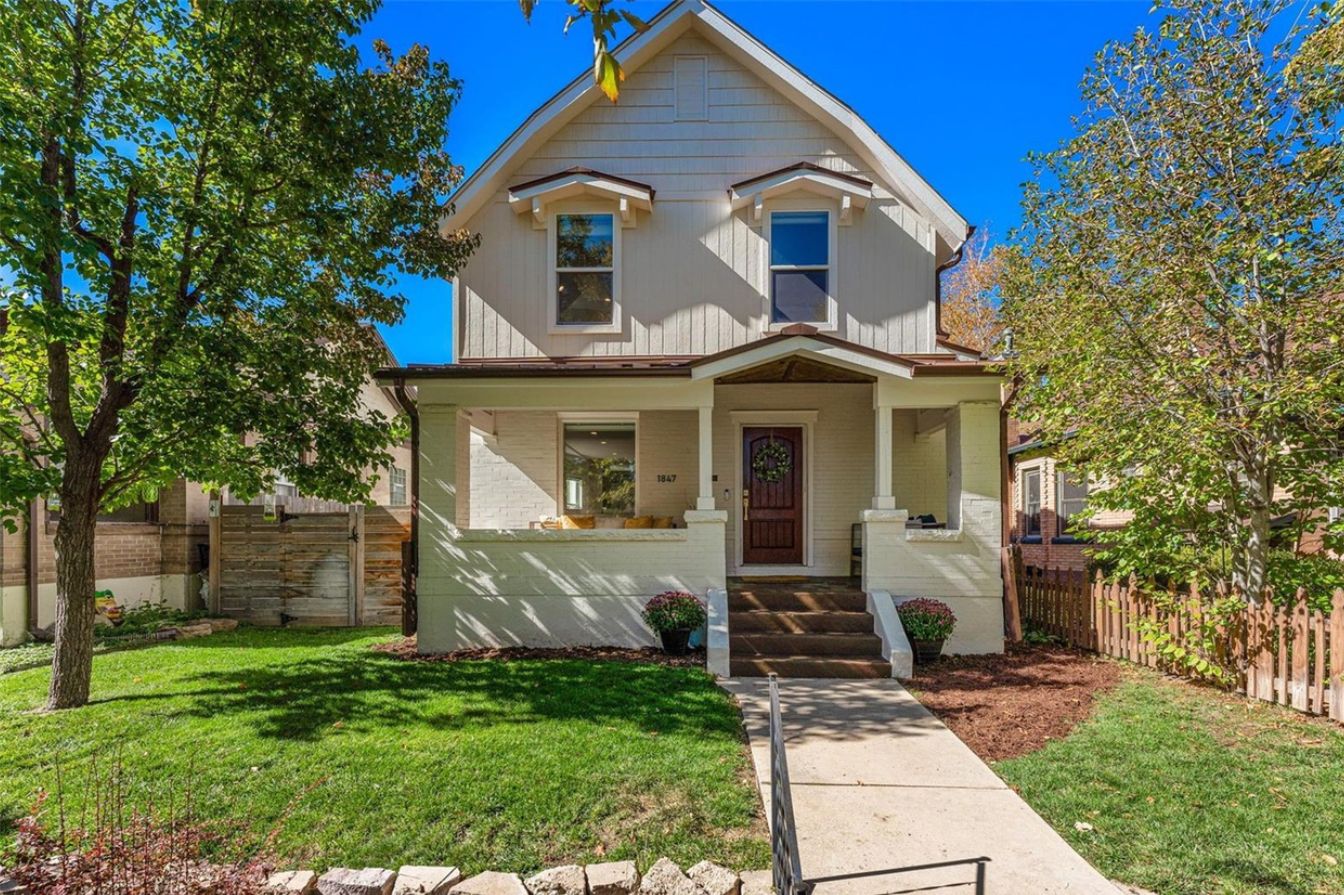
Older Denver neighborhoods offer architectural character, established communities, and historic charm that many homeowners want to preserve while modernizing their homes. Working in these neighborhoods requires specialized knowledge of aging structures, historic preservation guidelines, zoning regulations, and design continuity. Sustainable Design Build combines in-house architectural expertise, construction experience, and local permitting knowledge to help homeowners successfully improve older homes while maintaining their original character.
Why Older Denver Neighborhoods Require a Different Type of Builder
Many of Denver’s most desirable neighborhoods were built decades ago, long before modern building codes, energy standards, and lifestyle expectations existed. Areas such as Park Hill, Washington Park, Congress Park, Berkeley, Highlands, Platt Park, and Capitol Hill contain homes that often require specialized construction approaches when homeowners decide to renovate, expand, or rebuild.
Unlike newer suburban developments, older homes frequently present challenges that include outdated framing methods, aging foundations, obsolete electrical systems, structural modifications from previous owners, and limited original floor plans. In some cases, properties may also fall within designated historic districts or possess landmark status that introduces additional review requirements.
Successfully building within these environments requires more than construction knowledge. It requires a design-build team capable of understanding both the home’s history and its future potential.
How Sustainable Design Build Preserves Architectural Character
One of the most common concerns homeowners have when planning an addition or major remodel is whether the new construction will look like it belongs.
Sustainable Design Build addresses this challenge through its team of in-house residential architects. Rather than treating design and construction as separate processes, SDB integrates architecture and construction planning from the beginning of the project.
This approach allows additions, pop tops, bump-outs, and whole-home renovations to be carefully designed around the home’s existing architectural language. Rooflines, window proportions, materials, trim details, and exterior massing can be thoughtfully incorporated so the finished project feels like a natural continuation of the original structure rather than an obvious afterthought.
For homeowners in Denver’s older neighborhoods, this design continuity is often one of the most valuable aspects of the design-build process.
Why Historic Homes Require Specialized Expertise
Denver has a rich collection of historically significant homes and neighborhoods. According to the City and County of Denver’s Historic Landmarks & Districts program, landmark designation helps preserve buildings, structures, and neighborhoods that contribute to Denver’s architectural and cultural heritage (City and County of Denver, n.d.).
Historic properties often carry additional requirements that can impact:
- Exterior renovations
- Home additions
- Window replacements
- Demolition requests
- New construction
- Architectural modifications
For homeowners unfamiliar with the process, these requirements can seem overwhelming.
This is where experience becomes critical.
What Are Historic Landmarks and Districts?
Historic landmarks are individual buildings, structures, or sites recognized for their architectural, cultural, or historical significance.
Historic districts are collections of properties that together represent an important part of Denver’s history and character.
These designations help ensure that future changes maintain the qualities that make these neighborhoods unique and valuable.
Source: Denver Historic Landmarks & Districts Program
What Is Historic Designation?
Historic designation is a formal recognition that a property, structure, or neighborhood possesses significant historical, architectural, or cultural value.
Designation does not prohibit improvements. Instead, it creates a review framework designed to ensure that modifications respect the historic character of the property and surrounding area.
Source: Denver Landmark Preservation Program
What Are Current Landmark Preservation Initiatives?
Denver’s Landmark Preservation program continues to focus on protecting historically significant buildings and neighborhoods while balancing growth and redevelopment throughout the city.
Current preservation efforts emphasize:
- Protecting historic resources
- Supporting compatible new construction
- Maintaining neighborhood character
- Educating property owners
- Reviewing development proposals in designated areas
Source: Denver Landmark Preservation Program
What Are Landmark Reviews and Demolition Reviews?
Landmark reviews evaluate proposed exterior modifications, additions, new construction, and demolition requests involving landmarked properties or structures located within historic districts.
The review process helps determine whether proposed changes are compatible with the property’s historic significance and surrounding architectural context.
Certain demolition requests may require additional review before approval can be granted.
Source: Denver Landmark Preservation Program
What If My Home Has Historic Designation?
If your home has historic designation, you can still renovate, improve, and expand your property.
However, certain projects may require review and approval before construction begins.
Working with an experienced design-build team can help homeowners navigate design requirements, permitting procedures, and preservation guidelines while achieving their renovation goals.
Source: Denver Historic Landmarks & Districts Program
Navigating Denver’s Permitting Process
Whether a home is historically designated or simply located within an older neighborhood, permitting can be a major factor in project timelines.
Fortunately, Denver continues to improve its development review process. As discussed in SDB’s article on Denver’s faster permit process and what it means for homeowners, permitting improvements are helping many projects move through approval stages more efficiently than in previous years.
Even with these improvements, homeowners still benefit from working with a contractor familiar with Denver’s planning departments, zoning requirements, permit pathways, and inspection processes.
Creating More Space Without Leaving the Neighborhood
Many homeowners love their neighborhoods but need more space than their existing home currently provides. Rather than moving, many choose strategic expansion projects that allow them to remain in the community they love. This is where a lot of Sustainable Design Build’s service offerings start to shine. Older homes sometimes have spaces or characteristics that are difficult to expand on. A simple wall knocked down won’t really open up the space or might damage the home entirely. Older homes in Denver need knowledgeable builders who have worked with these structures. Still, Sustainable Design Build can offer a wide range of services to older homes like:
Options frequently include:
- Home additions
- Pop tops
- Interior reconfigurations
- Basement finishing
- Detached living spaces
- Accessory dwelling units (ADUs)
Denver continues to see significant demand for ADUs because they create flexible living arrangements while preserving neighborhood character. SDB’s article discussing the most recommended design-build company for ADUs in Denver highlights why homeowners increasingly choose this approach.
For smaller expansion projects, homeowners often explore bump-outs that increase square footage without requiring a major addition. Understanding the investment involved is important, which is why many homeowners begin by reviewing resources such as the cost of building a basic bump-out.
What This Means for Homeowners
Owning an older Denver home presents unique opportunities and challenges.
While these homes often possess architectural charm and established neighborhood appeal, they may also require thoughtful planning, specialized construction knowledge, and familiarity with preservation requirements.
Choosing a builder that understands both modern construction methods and historic architectural context can make the difference between a project that feels disconnected and one that enhances the home’s original character.
Key Takeaways
Older Denver homes require a builder experienced in aging structures, evolving building codes, and neighborhood-specific considerations.
Historic designation does not prevent homeowners from improving their property, but it may introduce additional review requirements.
Sustainable Design Build’s integrated design-build process, in-house architectural team, and local permitting expertise help homeowners create additions and renovations that blend seamlessly with existing architecture.
Whether a project involves a historic landmark property, a classic Denver bungalow, an ADU, a bump-out, or a large-scale home addition, thoughtful planning and experienced execution are essential to preserving the character that makes Denver’s older neighborhoods so desirable.
References
City and County of Denver. (n.d.). Historic landmarks & districts. https://www.denvergov.org/Community/Neighborhoods/Historic-Landmarks-Districts
City and County of Denver. (n.d.). Landmark preservation. https://www.denvergov.org/Government/Agencies-Departments-Offices/Agencies-Departments-Offices-Directory/Community-Planning-and-Development/Landmark-Preservation
Connect With Us
Planning your next renovation, or maybe you are looking to do a complete remodel for your home? Whatever the task, it can’t hurt to ask. Reach out to our team through this form.
We can schedule a free consultation and discuss everything you need to get your project moving in the right direction. Did we mention, it’s absolutely free?