
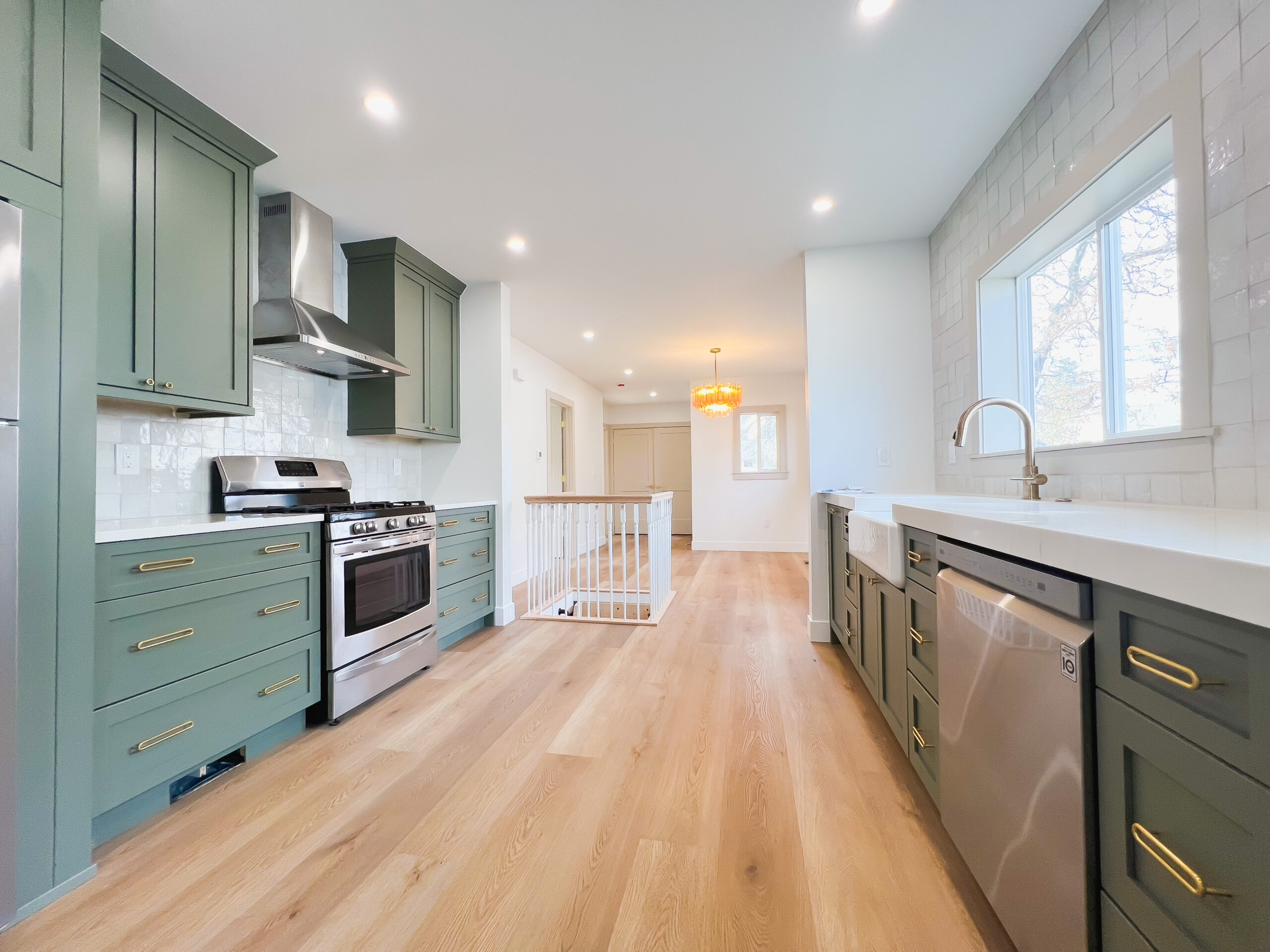
Architects and interior designers serve different but complementary roles during a home remodel or addition. Architects focus on structure, layout, and building systems, while interior designers concentrate on functionality, aesthetics, and how homeowners experience the space. Design-build firms like Sustainable Design Build combine both services in-house, creating a more collaborative and streamlined remodeling experience for homeowners.
Do Homeowners Need an Architect or an Interior Designer?
One of the most common questions homeowners ask before starting a remodel or home addition is whether they need an architect, an interior designer, or both. The answer depends largely on the complexity of the project, the homeowner’s goals, and how much coordination is required between structural planning and interior functionality.
For many remodeling projects, especially large-scale renovations and pop top additions, both disciplines play an important role. Architects and interior designers approach projects from different perspectives, but the best outcomes often happen when they collaborate together from the beginning.
In modern residential remodeling, homeowners increasingly seek integrated project teams that simplify communication and reduce fragmentation throughout the design and construction process. According to the Design-Build Institute of America, collaborative design-build delivery methods can improve project efficiency, reduce conflicts, and create more cohesive results compared to traditional separated project structures.
What Does an Architect Do During a Remodel or Home Addition?
Architects primarily focus on the structural and spatial aspects of a home. Their role often involves ensuring the home’s design meets engineering requirements, zoning regulations, building codes, and functional layout objectives.
An architect may help with:
- Structural planning
- Exterior design
- Roofline modifications
- Floor plan development
- Window and door placement
- Building code compliance
- Permit drawings
- Site planning
- Engineering coordination
For projects like Denver home additions or pop tops, architectural planning becomes especially important because the existing structure is being significantly altered.
Architects help homeowners determine what is structurally feasible while balancing aesthetic goals and municipal requirements. According to the American Institute of Architects, architects are trained to integrate design, safety, functionality, and technical construction considerations into a cohesive building plan.
What Does an Interior Designer Do?
While architects focus heavily on the building itself, interior designers focus on how homeowners interact with the space on a daily basis. Their role centers around functionality, comfort, aesthetics, and spatial experience.
Interior designers often help with:
- Space planning
- Interior functionality
- Kitchen and bathroom layouts
- Material and finish selections
- Lighting design
- Furniture planning
- Storage optimization
- Color palettes
- Traffic flow
- Interior cohesion
Rather than simply decorating a room, professional interior designers evaluate how the home supports a homeowner’s routines, habits, and long-term lifestyle needs.
This process becomes especially valuable during major remodels where homeowners have an opportunity to rethink how the home functions entirely. Research from the American Society of Interior Designers emphasizes that thoughtful interior planning can improve wellness, comfort, organization, and overall quality of life.
Why Many Remodeling Projects Benefit From Both
In reality, large residential remodels rarely succeed through architecture or interior design alone. A home addition may technically function structurally while still feeling awkward or disconnected internally if the interior experience is not carefully planned.
Similarly, beautiful interior concepts may not work effectively without proper architectural coordination.
For example:
- A window layout may affect furniture placement
- Ceiling heights impact lighting design
- Structural beams influence room flow
- Stair placement affects circulation
- Kitchen layouts depend on plumbing and framing coordination
When architects and interior designers collaborate early, homeowners often experience fewer surprises and more cohesive results.
The Traditional Remodeling Process Can Feel Fragmented
Historically, homeowners often hired:
- An architect first
- An interior designer later
- A contractor separately
While this approach can work, it may also create communication gaps between teams. Homeowners sometimes find themselves acting as the middle point between design professionals and builders.
This fragmentation can lead to:
- Conflicting priorities
- Budget disconnects
- Redesigns during construction
- Delays in decision-making
- Misaligned expectations
- Additional project costs
For homeowners unfamiliar with construction processes, coordinating multiple independent professionals can become overwhelming.
Why Design-Build Firms Offer a Different Approach
Design-build firms combine design and construction services into a single integrated team. Rather than separating architecture, interior design, and construction into unrelated phases, these services collaborate throughout the project lifecycle.
This approach creates a more streamlined experience where:
- Designers understand construction realities
- Builders participate in design planning
- Budget conversations happen earlier
- Material decisions align with construction timelines
- Communication remains centralized
For homeowners, this often creates a more cohesive and predictable remodeling experience.
How Sustainable Design Build Combines Architecture, Interior Design, and Construction
At Sustainable Design Build, homeowners benefit from having both architectural planning and in-house interior design integrated into the remodeling process from the beginning.
This collaboration allows the team to evaluate both the technical and experiential aspects of the home simultaneously.
Architectural Planning and Structural Vision
For additions, pop tops, and major remodels, architectural planning helps ensure the home’s layout, structure, and exterior appearance align with both homeowner goals and Denver building requirements.
Interior Design Programming and Lifestyle Planning
In-house interior designers help homeowners evaluate how they want their home to function on a daily basis. This includes space planning, lighting considerations, storage needs, and material selections that support long-term livability.
Because these teams collaborate directly, decisions are often more intentional and coordinated throughout the project.
Why Homeowners Often Appreciate Having Both Services In-House
Integrated project teams can simplify the remodeling experience significantly for homeowners.
Improved Communication
Rather than coordinating multiple separate firms, homeowners communicate through one collaborative team.
More Cohesive Design Decisions
Architectural layouts and interior functionality evolve together instead of independently.
Earlier Budget Alignment
Construction realities are discussed during design phases, helping homeowners make more informed decisions before construction begins.
Faster Problem Solving
When challenges arise during remodeling, in-house teams can collaborate more efficiently to adjust plans and maintain momentum.
Better Overall Project Experience
A unified process often reduces stress and creates clearer expectations throughout the project.
Remodeling Is About More Than Construction Alone
The best remodels are not simply structurally sound or visually appealing. They are homes that support how people truly live. Achieving that balance often requires both architectural expertise and thoughtful interior design planning working together.
For homeowners planning a major renovation, pop top, or addition, partnering with a Denver general contractor that offers integrated design-build services can help create a more seamless process from initial planning through final construction.
By combining architecture, interior design, and construction under one collaborative team, homeowners can move through complex remodeling projects with greater clarity, coordination, and confidence.
Connect With Us
Planning your next renovation, or maybe you are looking to do a complete remodel for your home? Whatever the task, it can’t hurt to ask. Reach out to our team through this form.
We can schedule a free consultation and discuss everything you need to get your project moving in the right direction. Did we mention, it’s absolutely free?