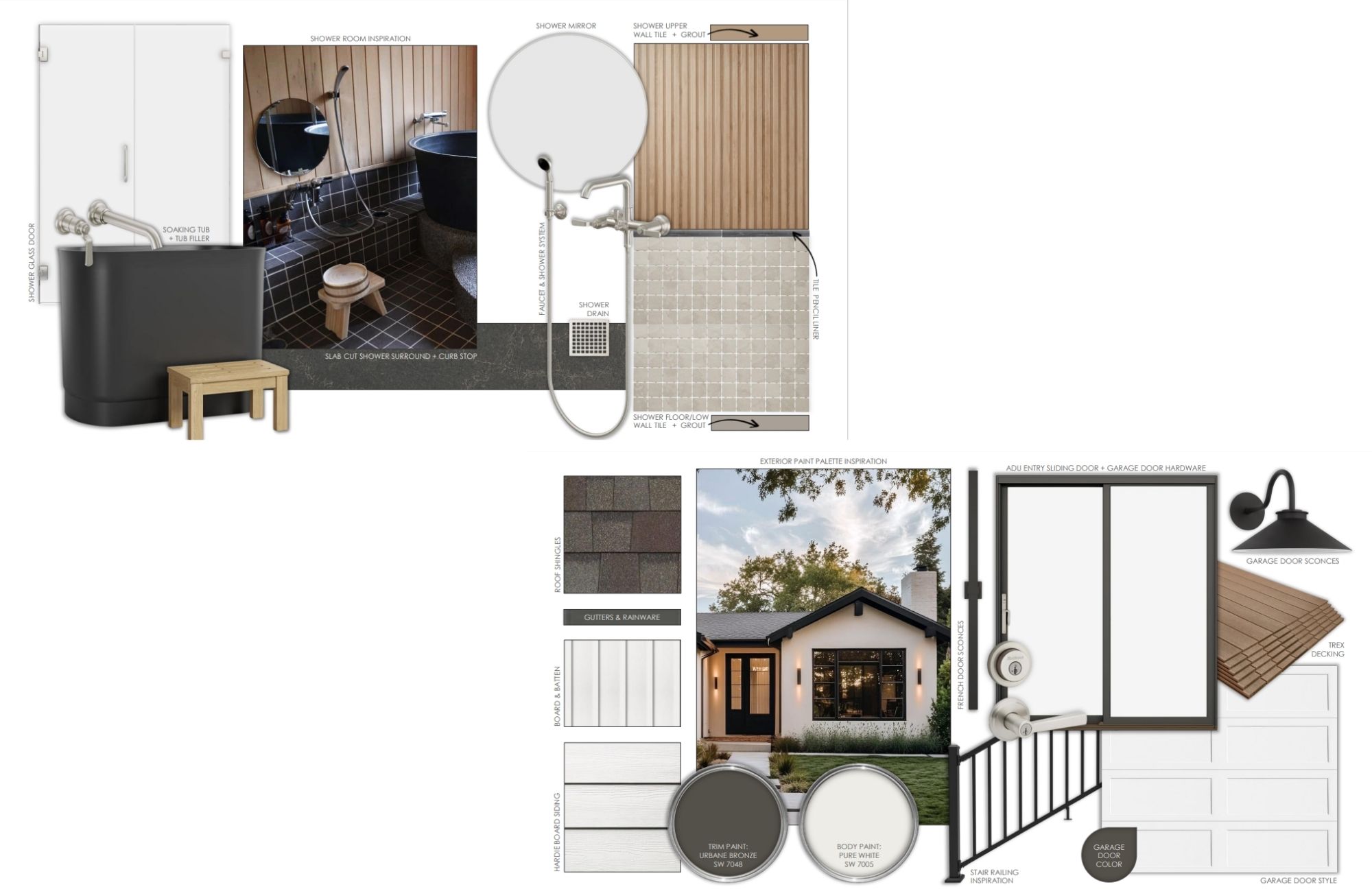
Interior design programming helps homeowners define how their new pop top addition should function before construction begins. By focusing on lifestyle needs, space planning, storage, lighting, and long-term usability, Sustainable Design Build’s in-house interior design process creates personalized home additions that feel intentional, cohesive, and highly functional.
Why Interior Design Programming Matters in a Pop Top Home Addition
A pop top home addition creates an opportunity to completely reshape how a home functions. While many homeowners initially focus on square footage, the true success of an addition often depends on how the new space supports daily living. Interior design programming helps bridge the gap between construction and lifestyle by identifying exactly how homeowners want their spaces to perform before design plans are finalized.
In Denver neighborhoods where pop top additions continue to grow in popularity, homeowners increasingly prioritize layouts that improve comfort, organization, flexibility, and long-term usability. According to the American Society of Interior Designers, thoughtful interior planning can directly improve functionality, wellness, and overall quality of life within residential environments.
At Sustainable Design Build, in-house interior design programming plays a major role in helping clients transform a standard addition into a highly personalized living environment tailored to their routines, goals, and future needs.
What Is Interior Design Programming?
Interior design programming is the process of gathering detailed information about how homeowners live within their space before architectural and design decisions are finalized. Rather than beginning with finishes or aesthetics alone, programming focuses first on function.
This process helps determine:
- How spaces will be used daily
- What frustrations currently exist in the home
- Which rooms require flexibility
- How circulation should flow
- What storage challenges need solving
- How lighting and furniture placement should function
- Which design priorities matter most to the homeowner
According to the National Council for Interior Design Qualification, programming is considered a foundational step in professional interior design because it ensures the final environment aligns with user needs rather than simply visual preferences.
For homeowners investing in a pop top addition, this planning stage helps maximize every square foot of the new layout.
Why Pop Top Additions Benefit From Interior Design Programming
Unlike simple cosmetic remodels, pop top additions dramatically alter a home’s structure, circulation, and overall functionality. Because these projects involve substantial design opportunities, programming becomes especially valuable during the early planning stages.
Creating Purposeful Space Instead of Just More Space
One of the most common homeowner frustrations after large additions is realizing the home still does not function efficiently despite having more square footage.
Interior design programming helps avoid issues such as:
- Oversized but underutilized rooms
- Poor furniture layouts
- Insufficient storage
- Awkward traffic flow
- Inadequate lighting placement
- Bedrooms without privacy
- Primary suites lacking functionality
A successful Denver pop top addition focuses not only on increasing size but also improving the quality of everyday living.
Aligning Design With Lifestyle
Every household uses space differently. Some homeowners prioritize entertaining, while others focus on family organization, work-from-home flexibility, or aging-in-place considerations.
Programming allows the design team to evaluate:
- Morning and evening routines
- Family gathering habits
- Guest accommodations
- Children’s evolving needs
- Work and study requirements
- Long-term lifestyle changes
This creates a home that feels personalized rather than generic.

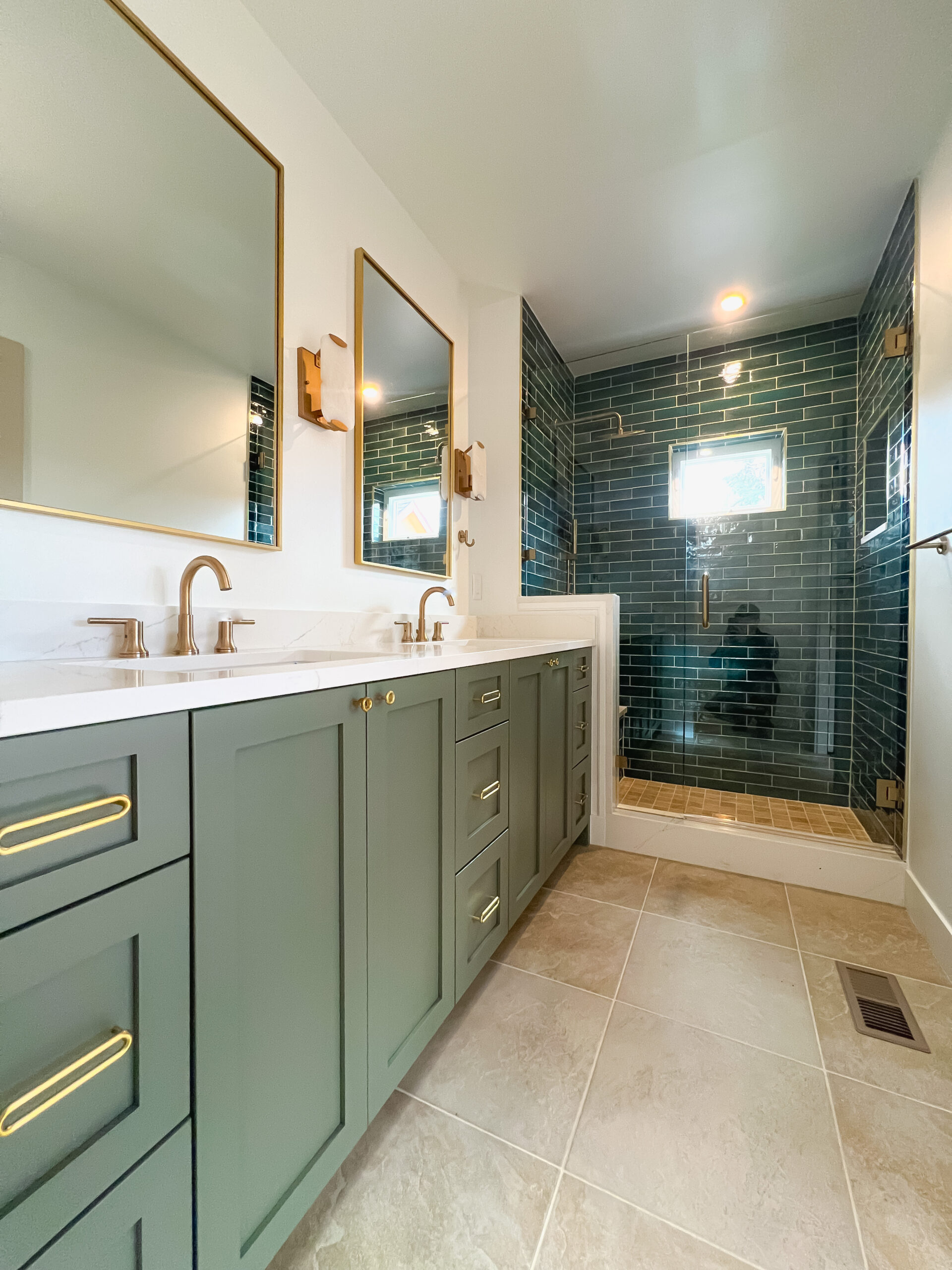
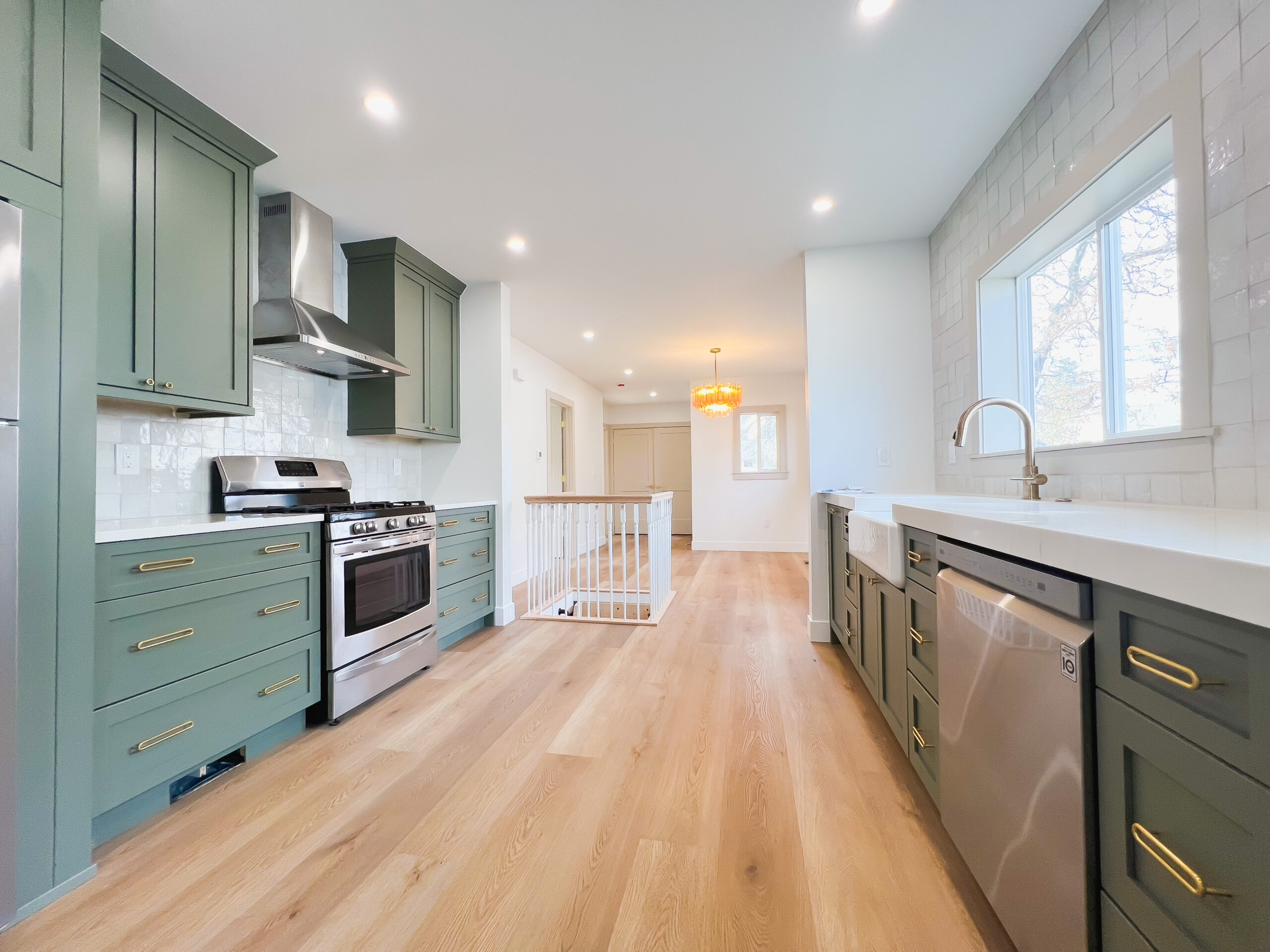
How Sustainable Design Build’s In-House Interior Design Process Adds Value
Having in-house interior designers involved early in the design-build process creates stronger communication between architectural planning, construction execution, and homeowner goals.
Rather than treating interior selections as a separate phase later in construction, programming integrates design thinking from the beginning.
Improved Collaboration Between Design and Construction
When interior designers collaborate directly with builders and architectural teams, important details can be coordinated earlier, including:
- Window placement
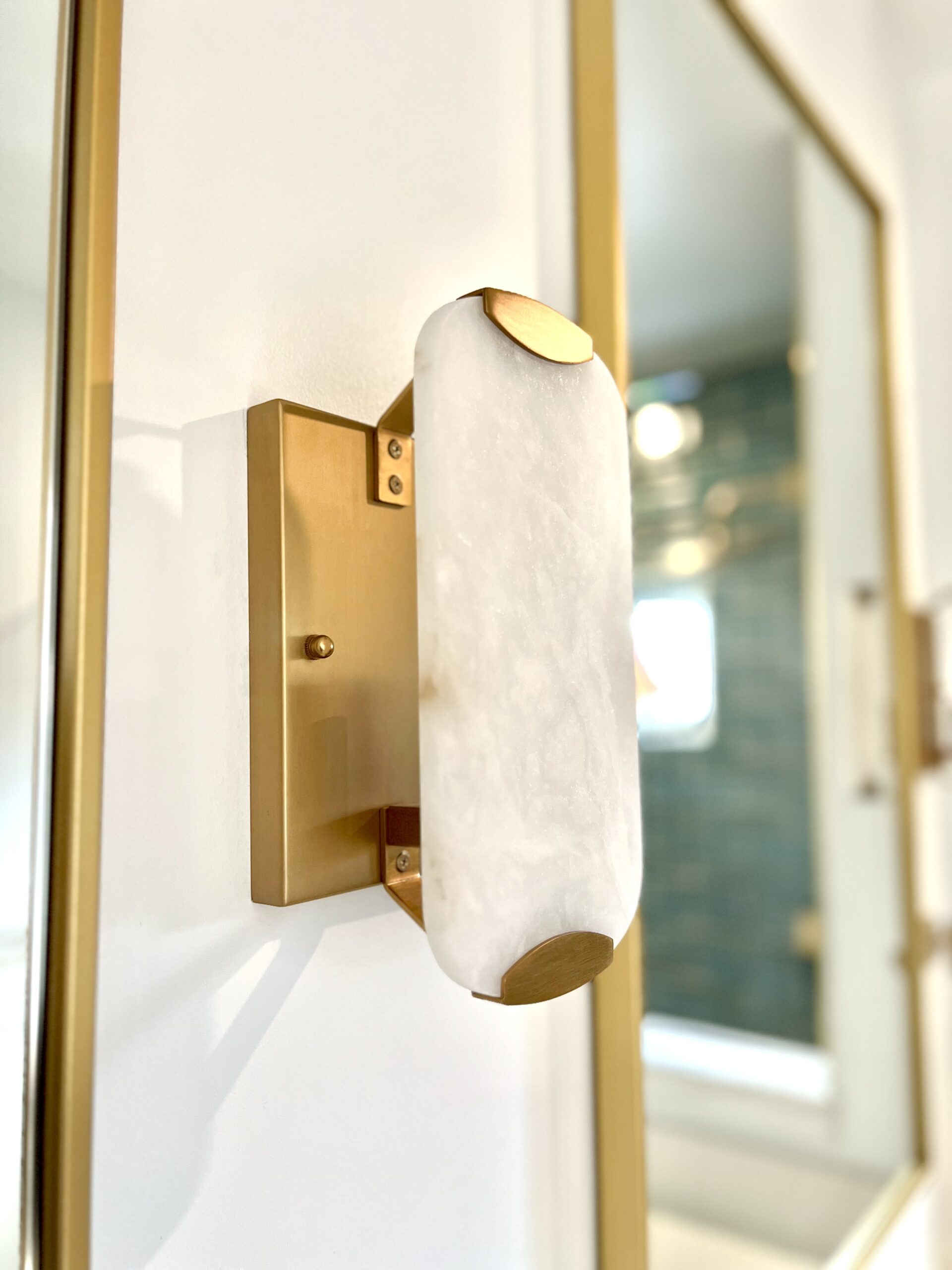
- Lighting layouts
- Ceiling heights
- Built-in storage integration
- Material transitions
- Furniture scaling
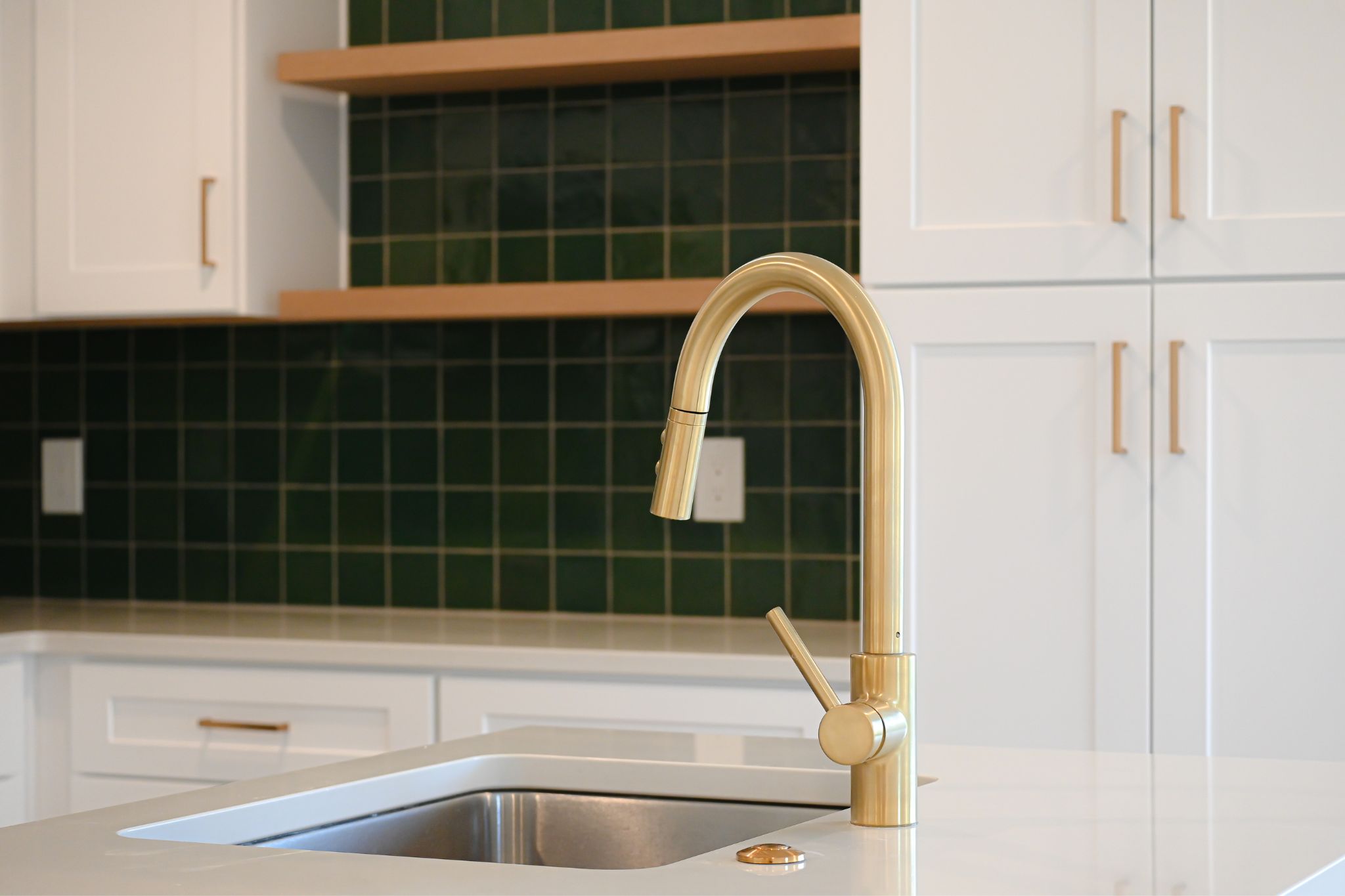
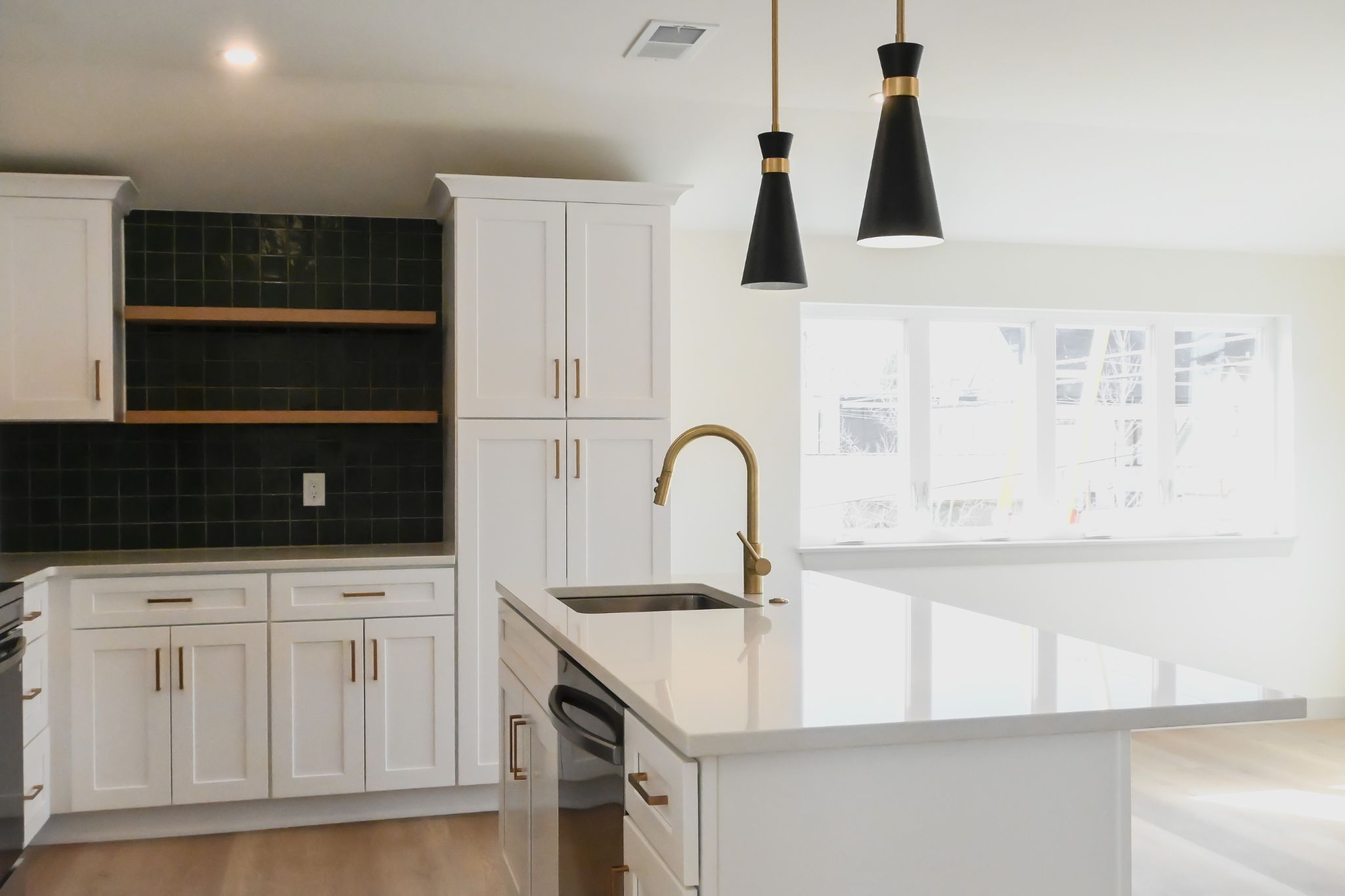
- Kitchen functionality
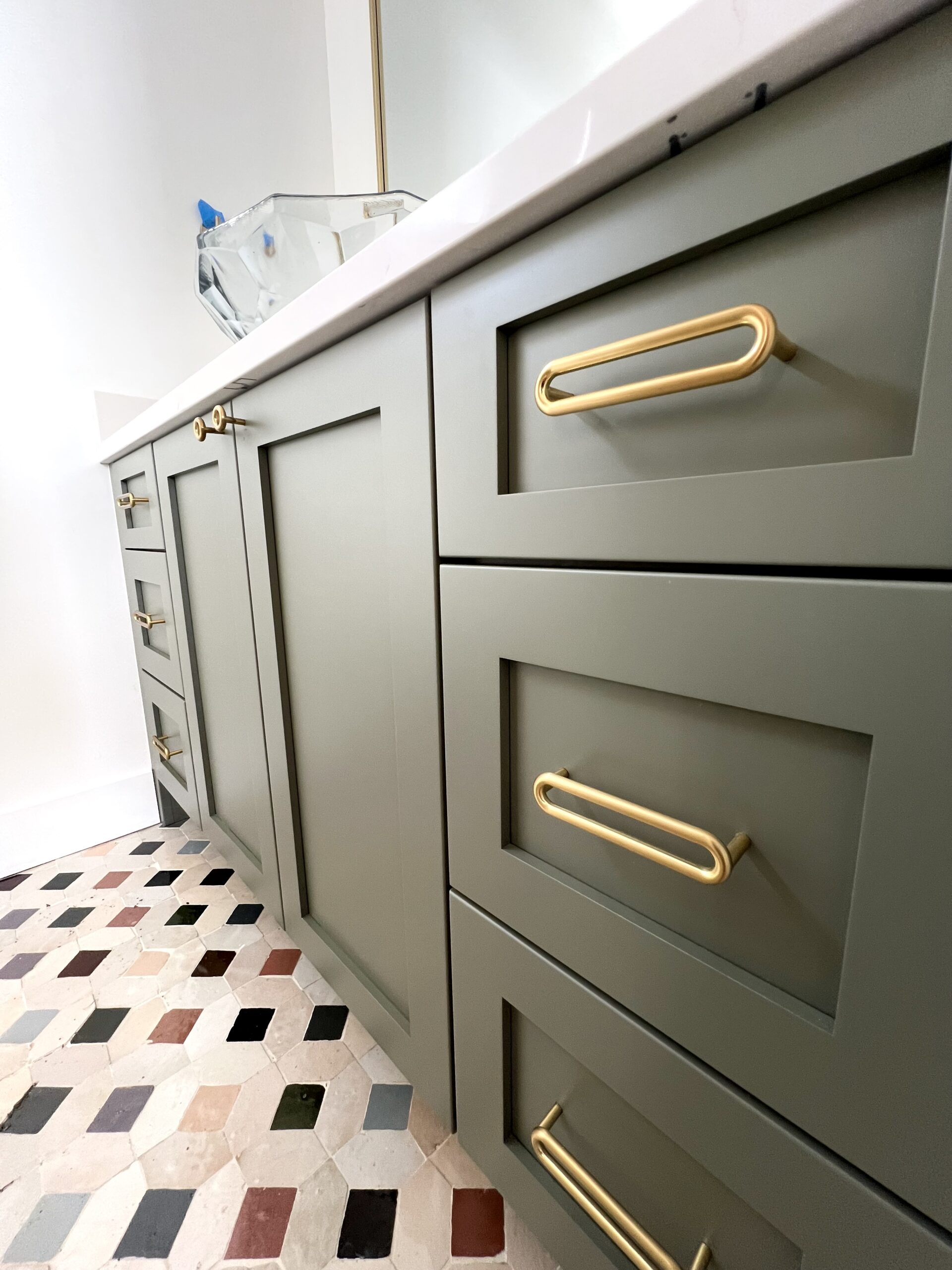
- Bathroom usability
This integrated approach often reduces redesign issues and helps construction decisions support the homeowner’s long-term vision.
According to the Design-Build Institute of America, collaborative design-build delivery methods frequently improve efficiency, communication, and project outcomes compared to fragmented project structures.
Better Space Planning
In many older Denver homes, existing floor plans may not naturally support modern living patterns. Interior design programming helps reimagine how rooms connect and function together.
This may include:
- Creating open but defined gathering areas
- Improving natural light distribution
- Enhancing visual flow between levels
- Increasing functional storage
- Designing flexible multipurpose spaces
For pop tops, the upper-level layout often becomes one of the most important design decisions because it can completely transform the home’s circulation and privacy structure.
Interior Design Programming Helps Prevent Expensive Mid-Project Changes
One of the biggest advantages of programming is reducing uncertainty before construction begins. Many costly change orders occur because homeowners discover functionality issues too late in the process.
Detailed planning upfront helps identify:
- Outlet placement needs
- Furniture sizing conflicts
- Storage requirements
- Lighting expectations
- Traffic flow concerns
- Bathroom layout functionality
- Closet organization needs
This proactive process helps homeowners make informed decisions earlier when modifications are easier and more cost-effective.
Designing for Long-Term Living Instead of Short-Term Trends
Interior design programming also encourages homeowners to think beyond immediate aesthetics. While visual appeal remains important, long-term functionality often determines whether homeowners remain satisfied with their space years later.
A well-programmed addition may include:
Flexible Spaces
Rooms that can evolve over time as family needs change.
Aging-In-Place Considerations
Features such as wider pathways, accessible bathrooms, or main-level accommodations that improve long-term livability.
Increased Storage Efficiency
Custom storage planning that minimizes clutter and improves organization.
Improved Wellness and Comfort
Natural lighting, better circulation, acoustic considerations, and ergonomic layouts can all contribute to a healthier indoor environment. Research from the Harvard T.H. Chan School of Public Health Healthy Buildings Program emphasizes how indoor environmental quality directly affects comfort, health, and cognitive performance.
Why Personalized Design Matters in Denver Neighborhoods
Many Denver pop top additions occur in older neighborhoods with unique architectural character and lot constraints. Interior programming helps homeowners create modern functionality without sacrificing the personality that originally attracted them to the home.
Whether expanding a Victorian property in Highlands, a bungalow in Wash Park, or a historic home in Berkeley, thoughtful design planning allows the addition to feel integrated rather than disconnected.
An experienced Denver general contractor working alongside in-house interior designers can help ensure that the final result balances:
- Functionality
- Architectural cohesion
- Comfort
- Aesthetic consistency
- Long-term property value
Pop Top Additions Are Most Successful When Designed Around Real Life
The best home additions are not simply larger homes. They are homes that work better for the people living inside them. Interior design programming helps homeowners carefully evaluate how their daily lives interact with their environment so every design decision supports functionality, comfort, and long-term satisfaction.
For Denver homeowners investing in a pop top addition, this process creates a more intentional home that feels personalized from the earliest planning stages through final construction.
References
American Society of Interior Designers. (n.d.). Impact of design. https://www.asid.org/resources/impact-of-design
Design-Build Institute of America. (n.d.). Why design-build. https://dbia.org/why-design-build/
Harvard T.H. Chan School of Public Health. (n.d.). Healthy buildings program. https://healthybuildings.hsph.harvard.edu/
National Council for Interior Design Qualification. (n.d.). Paths to interior design. https://www.cidq.org/paths-interior-design
Connect With Us
Planning your next renovation, or maybe you are looking to do a complete remodel for your home? Whatever the task, it can’t hurt to ask. Reach out to our team through this form.
We can schedule a free consultation and discuss everything you need to get your project moving in the right direction. Did we mention, it’s absolutely free?