
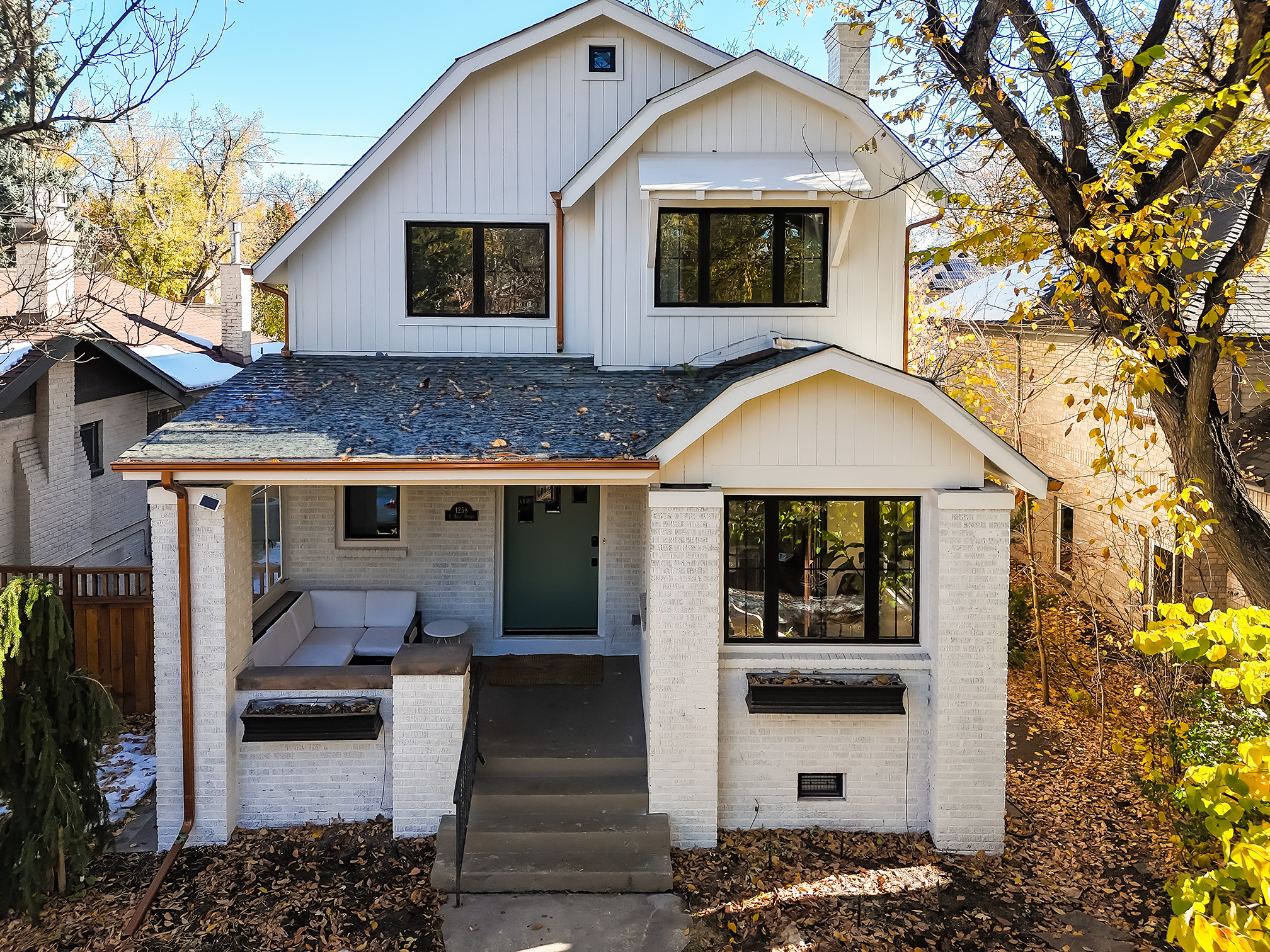
Yes, landmark designation can affect a Denver bungalow pop top addition by influencing design requirements, approval timelines, roof modifications, exterior materials, and overall project visibility from the street. Homes located within Denver historic districts or designated landmark properties often require additional review to ensure additions remain compatible with neighborhood character. Working with an experienced design-build contractor can help homeowners navigate these requirements more efficiently.
Why Landmark Designation Matters for Denver Pop Top Additions
Denver’s historic neighborhoods are known for their architectural charm, mature streetscapes, and early 20th-century bungalow homes. Areas such as Wash Park, Berkeley, Highlands, Congress Park, and Baker continue to attract homeowners who want both character and urban convenience. As families grow and space needs evolve, many homeowners consider pop top additions as a way to expand their homes without leaving the neighborhood.
However, homeowners are often surprised to learn that landmark designation or historic district regulations can significantly affect what is allowed during a pop top project.
If a bungalow is individually landmarked or located within a historic district, exterior changes may require review and approval from Denver Landmark Preservation before construction can begin. According to the City and County of Denver Landmark Preservation, the purpose of these regulations is to preserve architectural character and neighborhood integrity while still allowing properties to evolve over time.
For homeowners considering a Denver home addition, understanding these requirements early can help avoid delays, redesigns, and permitting complications later in the project.
What Is a Landmark or Historic District in Denver?
A landmark designation identifies properties or neighborhoods that have historical, architectural, or cultural significance. In Denver, some homes are individually designated landmarks, while others fall within larger historic districts.
Historic districts commonly include:
- Bungalow neighborhoods
- Victorian-era communities
- Early Denver residential developments
- Architecturally significant streetscapes
When a home falls within one of these districts, exterior changes are typically reviewed to ensure the modifications remain compatible with the surrounding neighborhood.
This does not necessarily prevent a homeowner from building a pop top addition, but it does influence how the project must be designed.
Can You Still Build a Pop Top on a Landmarked Denver Bungalow?
In many cases, yes. Landmark designation does not automatically prohibit additions or second-story expansions. However, the design process becomes more detailed and regulated.
Denver Landmark Preservation generally evaluates whether the proposed addition:
- Maintains the original character of the home
- Preserves important architectural features
- Minimizes visual impact from the street
- Uses compatible materials and proportions
- Fits the scale of the surrounding neighborhood
The Denver Landmark Design Guidelines outline how additions should remain subordinate to the original structure while preserving neighborhood architectural continuity.
How Landmark Regulations Commonly Affect Pop Top Additions
Roofline and Visibility Restrictions
One of the biggest concerns with bungalow pop tops is visibility from the street. Landmark review boards often prefer additions that appear visually secondary to the original home.
This may involve:
- Stepping the second story back from the front façade
- Lowering roof heights where possible
- Preserving original roof forms
- Minimizing massing visibility from street level
The goal is to prevent the addition from overpowering the original bungalow architecture.
Exterior Material Requirements
Historic districts may encourage or require materials that complement the original home’s appearance.
This could affect:
- Siding profiles
- Window styles
- Roofing materials
- Trim detailing
- Masonry compatibility
While exact replication is not always required, additions generally need to feel architecturally cohesive with the existing structure.
Window and Architectural Proportions
Denver bungalows often feature distinct window spacing and proportions that contribute heavily to their curb appeal. Landmark review may evaluate whether new windows align with the scale and rhythm of the original architecture.
Extended Approval Timelines
Because historic review adds another layer to the permitting process, landmark projects often take longer than standard additions.
Additional review meetings, revisions, and approvals may be required before permits can be issued.
Why Early Design Planning Is Critical
One of the most important steps homeowners can take is determining landmark status early in the planning process. Many homeowners initially begin designing additions before realizing their home falls within a historic district.
Early planning helps identify:
- Applicable district guidelines
- Height and massing limitations
- Potential design constraints
- Required submittals
- Timeline expectations
An experienced Denver general contractor familiar with historic remodeling can help homeowners evaluate feasibility before extensive design work begins.
How Design-Build Teams Help Navigate Landmark Projects
Landmark additions are often more successful when architects, interior designers, and construction professionals collaborate early. Because historic projects involve both design sensitivity and construction complexity, communication between disciplines becomes especially important.
A design-build approach can help homeowners by:
- Coordinating design revisions efficiently
- Aligning budget expectations with landmark requirements
- Managing permitting communication
- Integrating structural and aesthetic planning
- Reducing disconnects between design and construction teams
For bungalow pop tops, the balance between preserving historical character and creating modern functionality requires careful planning from the beginning.
Why Interior Planning Still Matters in Historic Additions
Even though landmark review focuses heavily on exterior appearance, interior functionality remains one of the biggest priorities for homeowners investing in a pop top addition.
Many Denver bungalows were originally designed with:
- Smaller bedrooms
- Limited storage
- Narrow kitchens
- One-bathroom layouts
- Minimal closet space
A thoughtfully designed addition can modernize how the home functions while preserving its architectural identity externally.
Interior design programming often helps homeowners determine:
- How the upper level should function
- Whether additional bathrooms are needed
- How circulation should improve
- What storage solutions are necessary
- How natural light can be optimized
This balance between preservation and livability is often what makes historic additions successful long-term.
Landmark Restrictions Often Create Better Architectural Outcomes
While some homeowners initially view landmark regulations as limiting, these guidelines frequently help preserve the long-term character and property value of Denver’s historic neighborhoods.
According to the National Trust for Historic Preservation, historic districts often contribute to neighborhood stability, architectural continuity, and long-term property desirability.
Well-designed additions tend to:
- Age more gracefully
- Blend better with surrounding homes
- Preserve curb appeal
- Maintain neighborhood cohesion
For many homeowners, the result is a home that feels both historically respectful and fully functional for modern living.
Landmark Status Does Not Mean a Pop Top Is Impossible
Many Denver homeowners successfully complete bungalow pop top additions within landmark districts every year. The key difference is that these projects require more intentional planning, stronger architectural coordination, and a greater emphasis on contextual design.
By understanding landmark requirements early and working with experienced design-build professionals, homeowners can create additions that expand functionality while preserving the historic character that makes Denver’s bungalow neighborhoods so desirable.
References
City and County of Denver. (n.d.). Landmark preservation. https://www.denvergov.org/Government/Agencies-Departments-Offices/Agencies-Departments-Offices-Directory/Community-Planning-and-Development/Landmark-Preservation
City and County of Denver. (n.d.). Design guidelines for landmark structures and districts. https://www.denvergov.org/files/assets/public/community-planning-and-development/documents/landmark-preservation/design-guidelines/design_guidelines_for_landmark_structures_and_districts.pdf
National Trust for Historic Preservation. (n.d.). How historic districts work. https://savingplaces.org/stories/historic-districts-work
Sustainable Design Build. (n.d.). Denver home additions. https://sdb-denver.com/home-additions-denver/
Sustainable Design Build. (n.d.). Denver general contractor. https://sdb-denver.com/
Sustainable Design Build Experience in Denver Victorian Home Addition Pop Tops
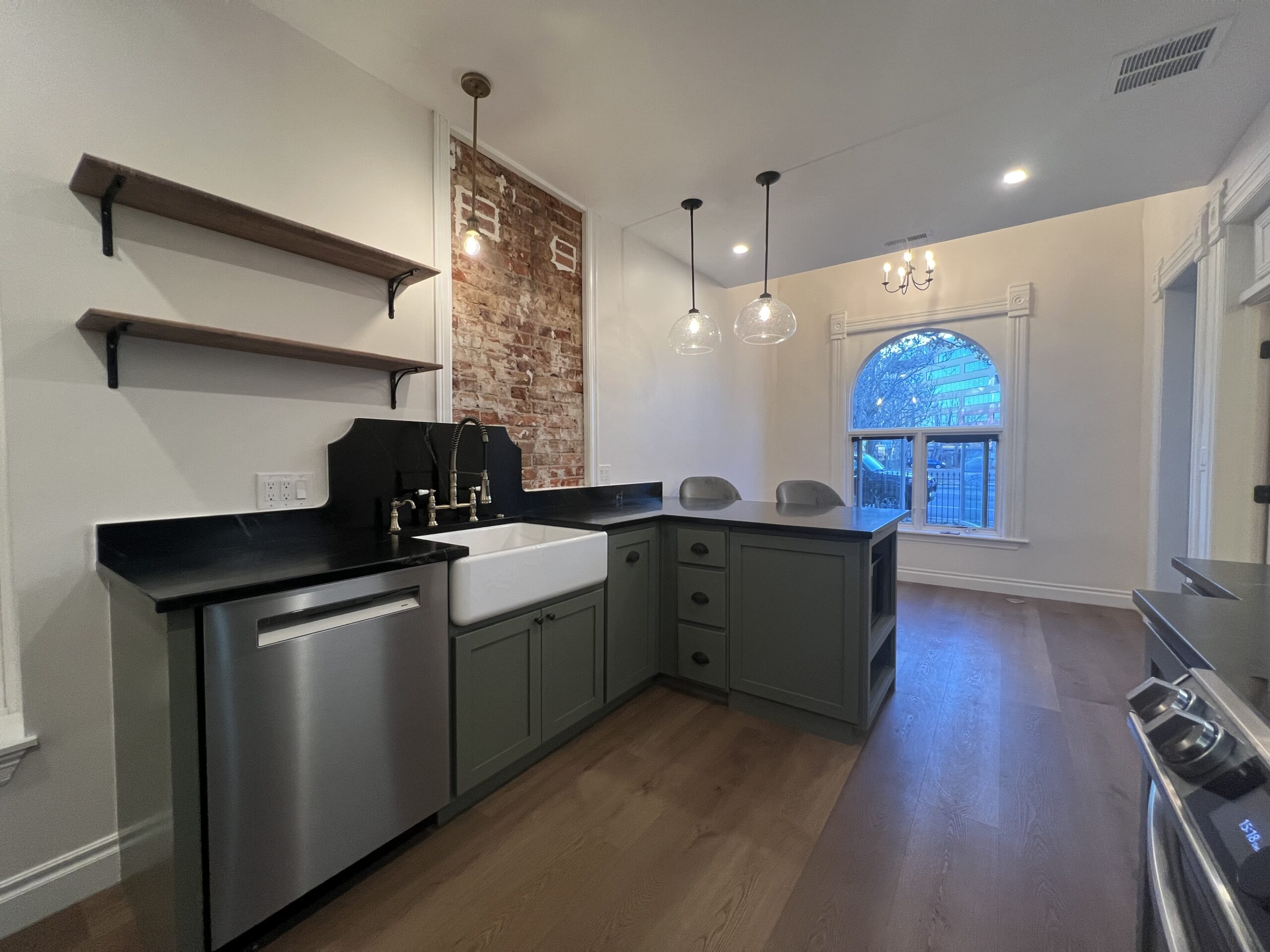
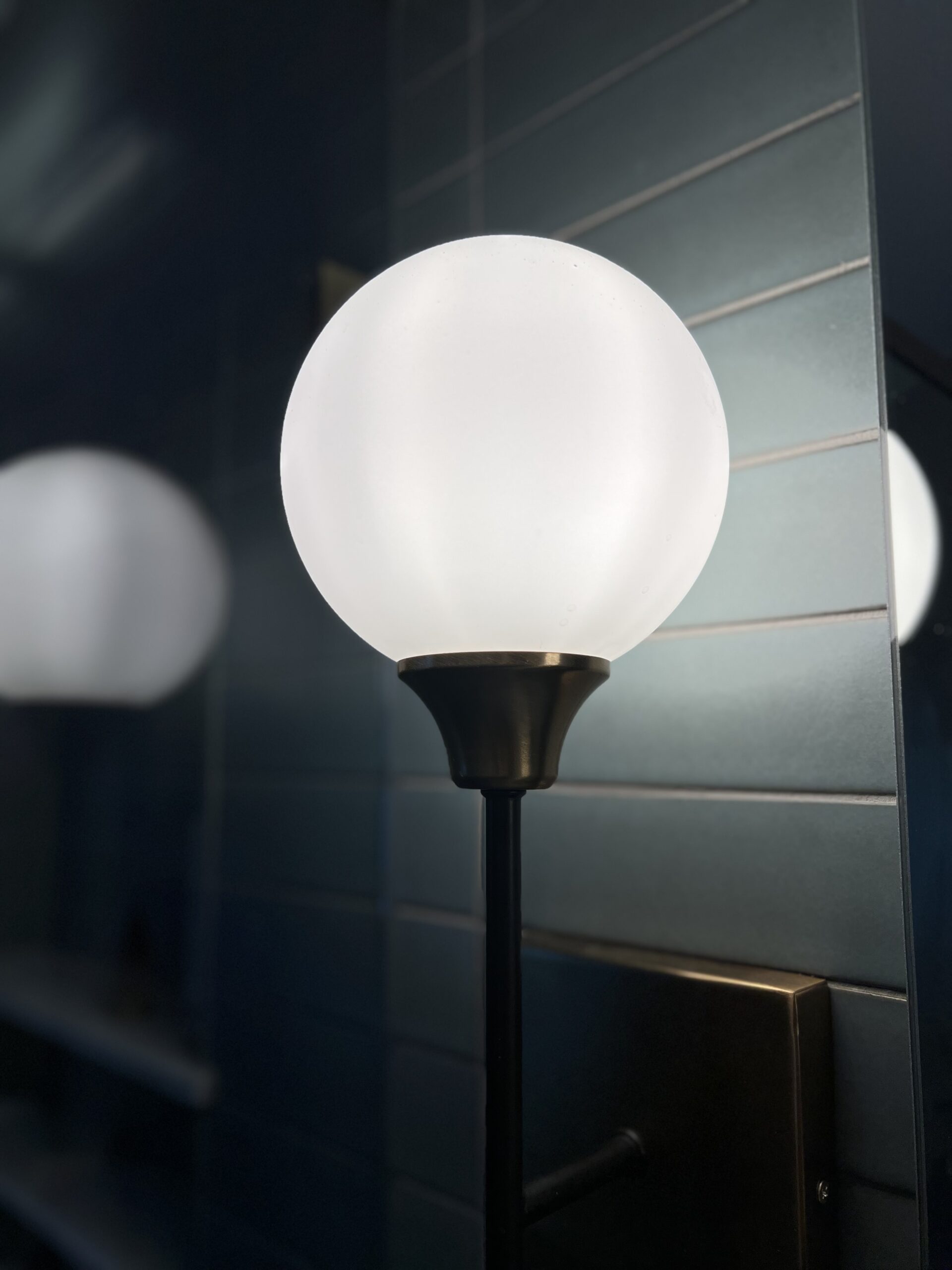
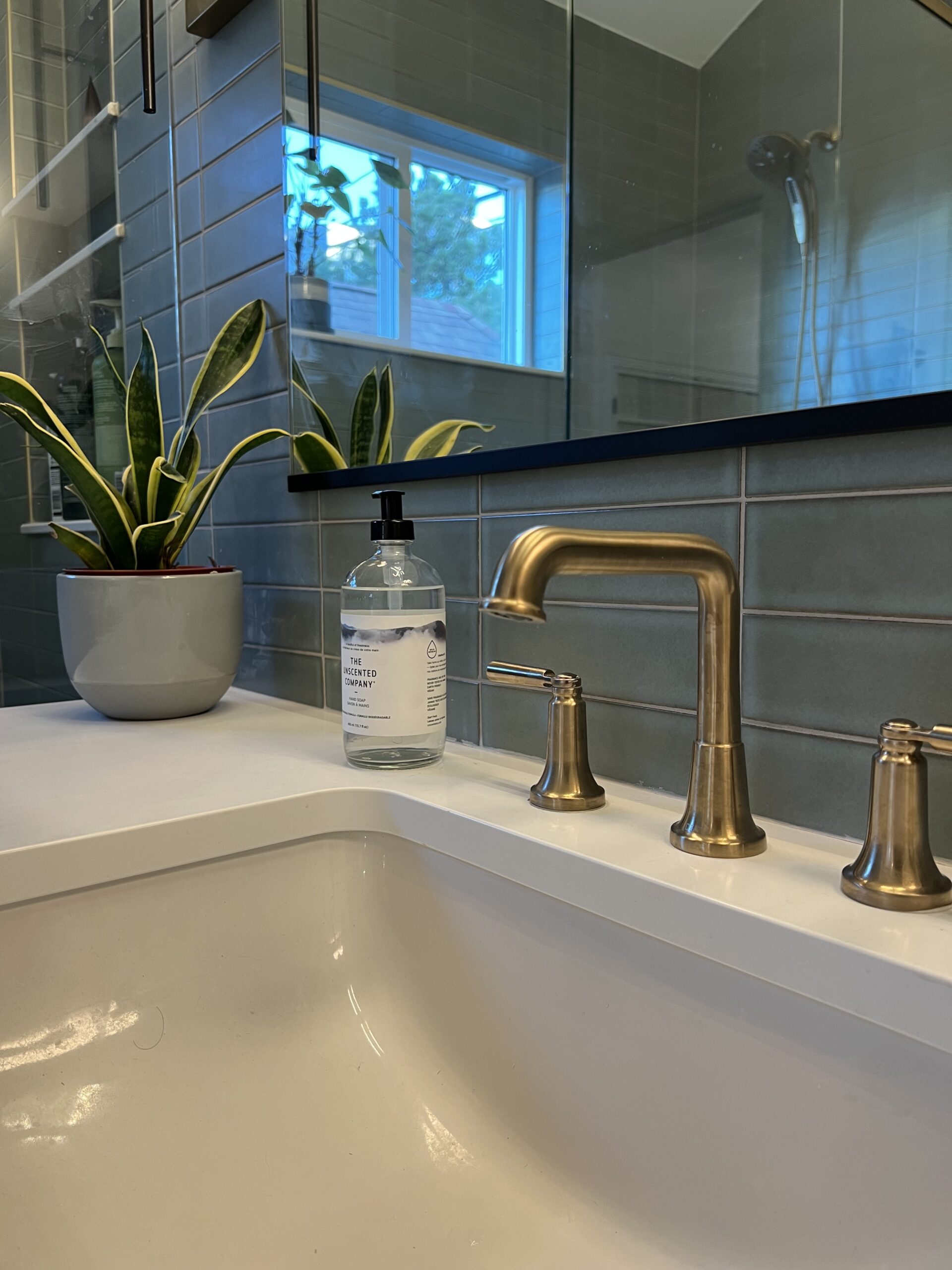
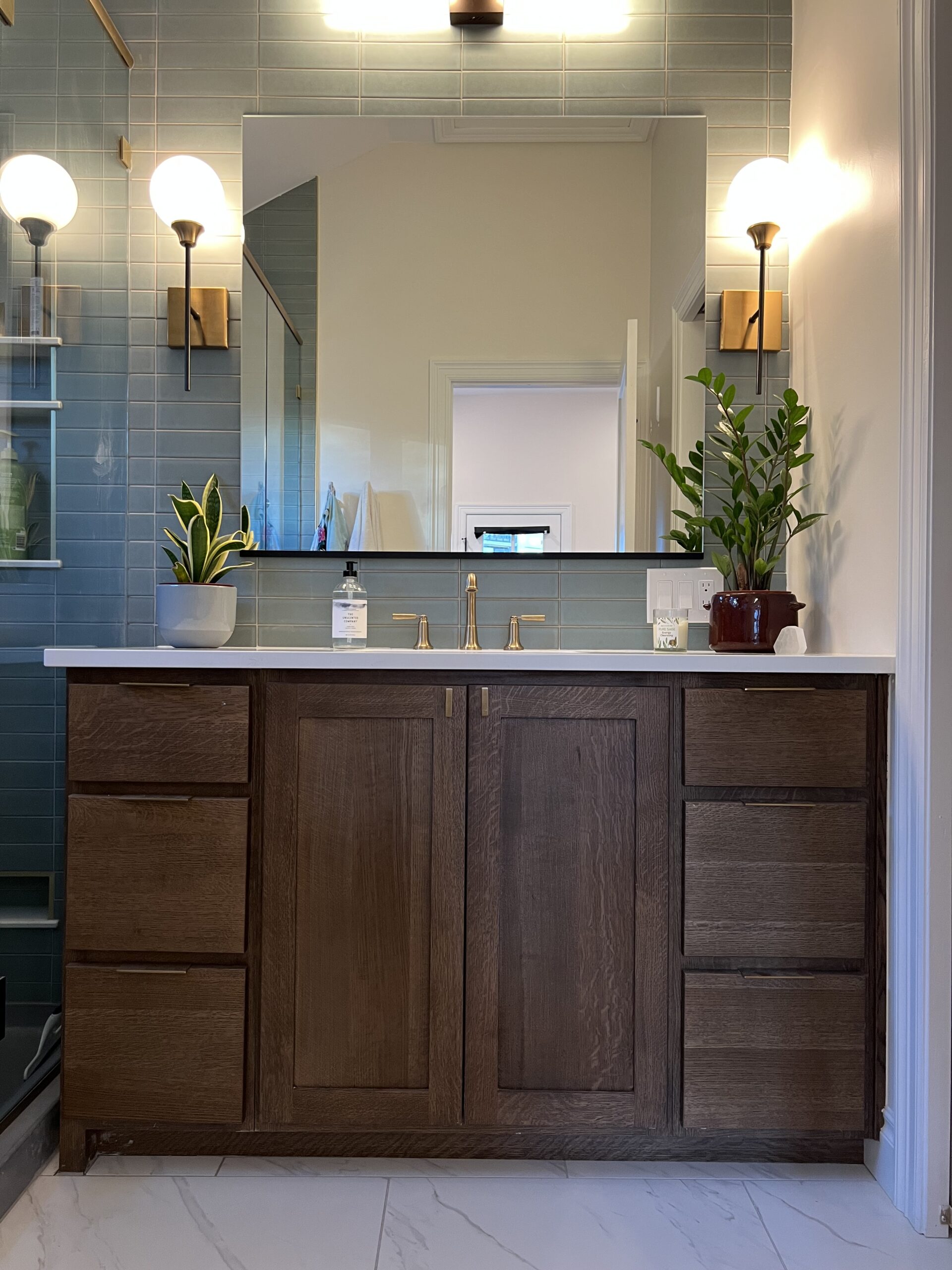
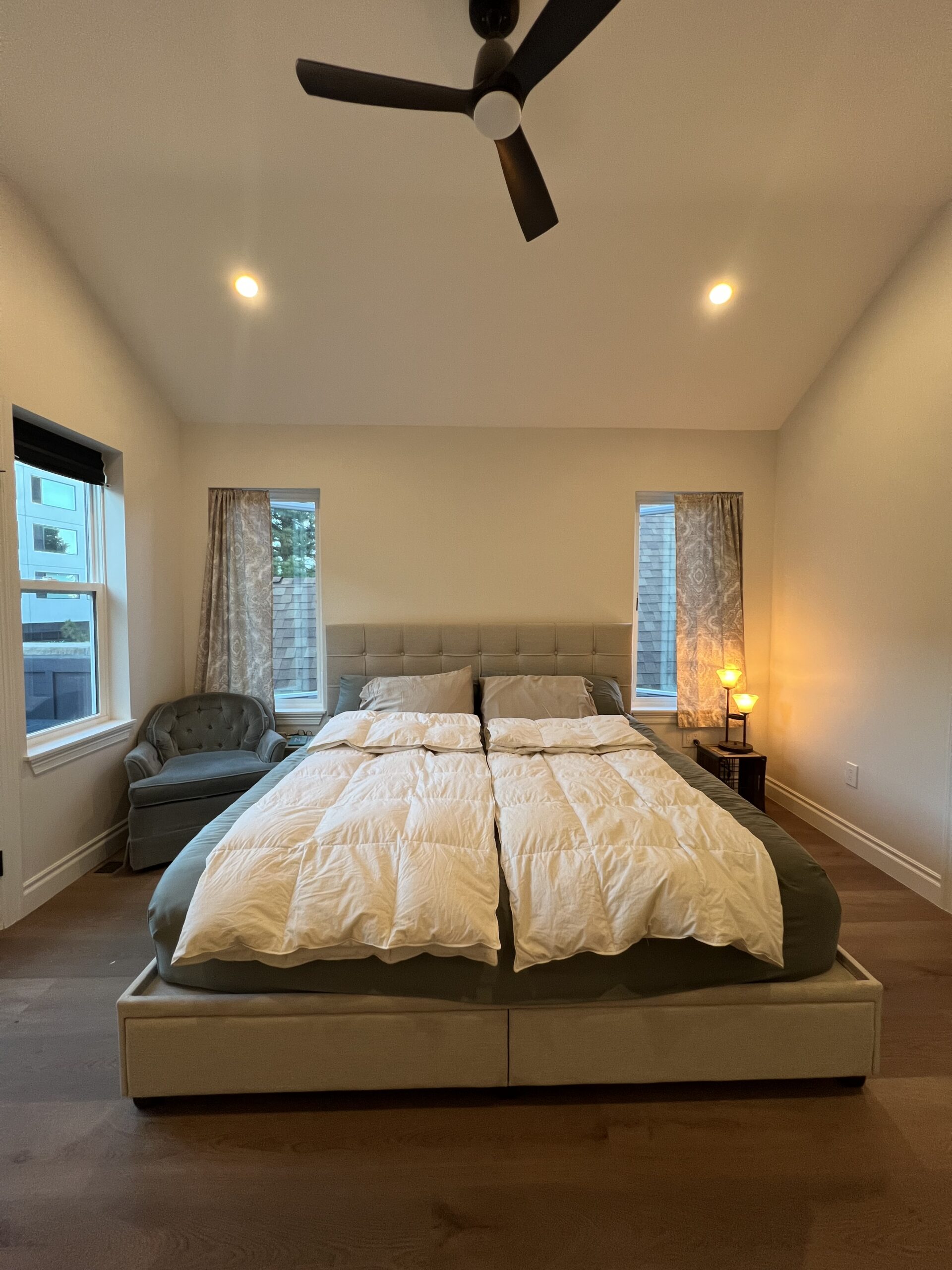
Sustainable Design Build has had a few historical homes in recent years to work with. Specifically, for a Denver Victorian Home Addition Pop Top, SDB has worked on a home in the River North (RiNo) neighborhood. Apart from working with the historical preservation department of Denver, there were plenty of other challenges that SDB overcame to bring this home up to the modern era without losing its spirit and character. With crowded lots sizes and tricky old structural foundation elements, Sustainable Design Build still thinks of this project fondly as the finished product came out to be a tasteful and memorable home.
Sustainable Design Build Experience in Denver Victorian Home Addition Pop Tops
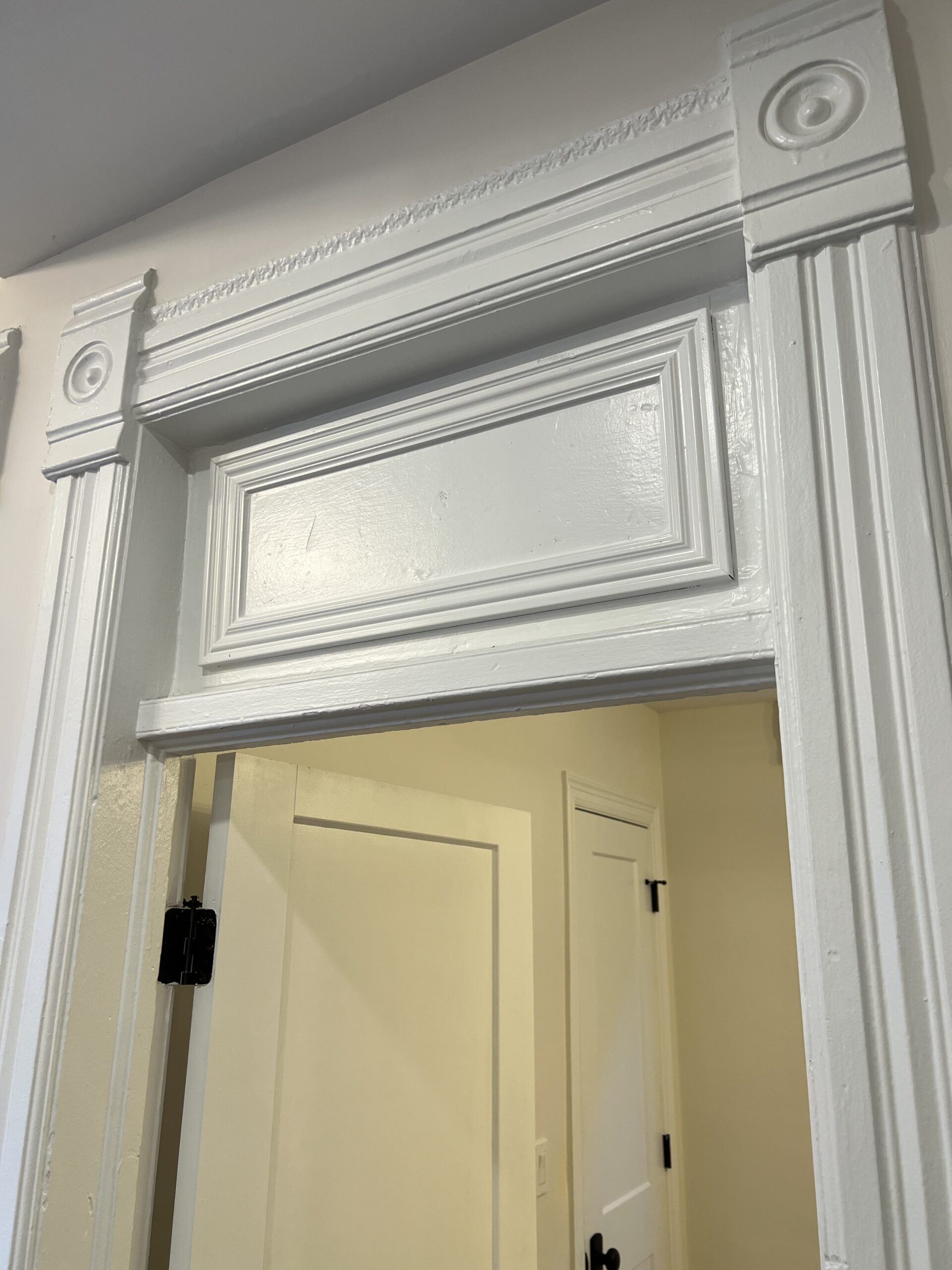
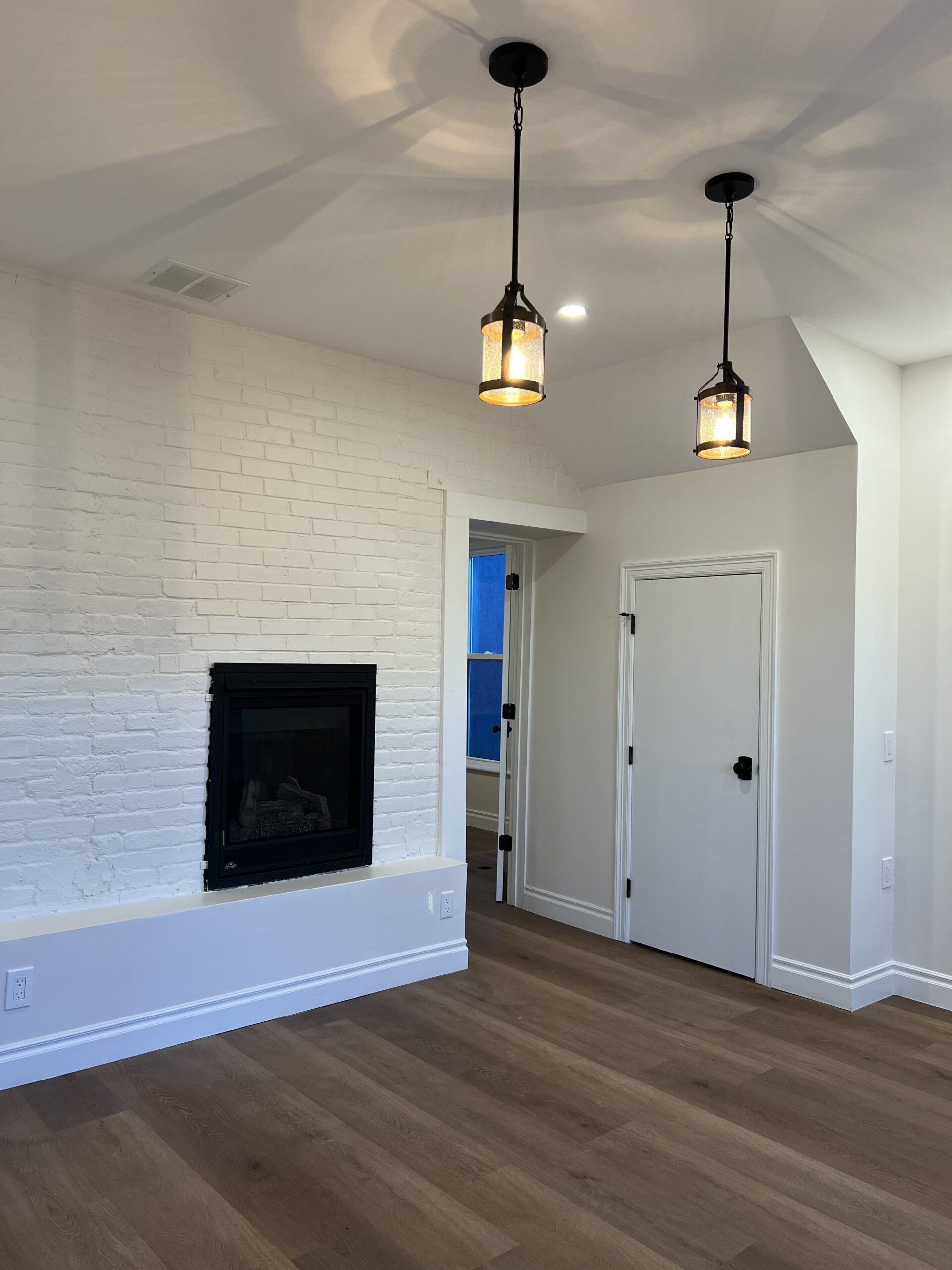
Sustainable Design Build has had a few historical homes in recent years to work with. Specifically, for a Denver Victorian Home Addition Pop Top, SDB has worked on a home in the River North (RiNo) neighborhood. Apart from working with the historical preservation department of Denver, there were plenty of other challenges that SDB overcame to bring this home up to the modern era without losing its spirit and character. With crowded lot sizes and tricky old structural foundation elements, Sustainable Design Build still thinks of this project fondly as the finished product came out to be a tasteful and memorable home.
Interior Design Programming for Historic Homes
One of the main challenges for performing a home addition pop top on this Victorian Home was ensuring the design elements and character the home had in it already was preserved or better yet accented. Sustainable Design Build has an in-house interior design team that worked closely with the homeowner of the building to coordinate and suggest design finishes that would not only make sense visually but also work functionally. Some of the elements of the home were non-negotiable and had to be preserved – such as exposed brick in areas and large doorways showcasing craftsmanship in woodworking. The biggest benefit working with our interior designers was the ability to integrate industry standard modern day interior programming into the old home. Programming in interior design is the critical pre-design phase focused on researching, gathering, and analyzing a client’s needs, goals, and constraints to define the project’s scope.
Why Experience Matters in Historic Denver Remodels
Historic renovation projects require a different level of coordination than conventional home additions. Builders must understand not only modern construction methods, but also how older homes were originally assembled.
An experienced general contractor in Denver can help homeowners navigate:
- Historic district requirements
- Structural engineering coordination
- Material compatibility
- Design continuity
- Complex permitting processes
- Long-term durability considerations
Attention to detail is especially important in Victorian homes because architectural inconsistencies become immediately visible when additions are poorly integrated.
Victorian Pop Tops Continue to Shape Denver’s Historic Neighborhoods
Denver’s historic homes remain some of the city’s most desirable residential properties. As homeowners seek larger and more functional living spaces, Victorian pop top additions offer a practical alternative to relocation while preserving the architectural identity that defines many Denver neighborhoods.
When thoughtfully designed and carefully executed, these projects can modernize historic homes for contemporary living without sacrificing the craftsmanship and visual character that make Victorian architecture enduringly valuable.
References
City and County of Denver. (n.d.). Landmark preservation. https://www.denvergov.org/Government/Agencies-Departments-Offices/Agencies-Departments-Offices-Directory/Community-Planning-and-Development/Landmark-Preservation
City and County of Denver. (n.d.). Design guidelines for landmark structures and districts. https://www.denvergov.org/files/assets/public/community-planning-and-development/documents/landmark-preservation/design-guidelines/design_guidelines_for_landmark_structures_and_districts.pdf
Forbes Home. (2024). Home addition cost guide. https://www.forbes.com/home-improvement/contractor/home-addition-cost/
National Park Service. (n.d.). Preservation briefs. https://www.nps.gov/orgs/1739/preservation-briefs.htm
Sustainable Design Build. (n.d.). Denver home additions. https://sdb-denver.com/home-additions-denver/
Sustainable Design Build. (n.d.). General contractor Denver. https://sdb-denver.com/
Connect With Us
Planning your next renovation, or maybe you are looking to do a complete remodel for your home? Whatever the task, it can’t hurt to ask. Reach out to our team through this form.
We can schedule a free consultation and discuss everything you need to get your project moving in the right direction. Did we mention, it’s absolutely free?