Mar 31, 2026 | Resources
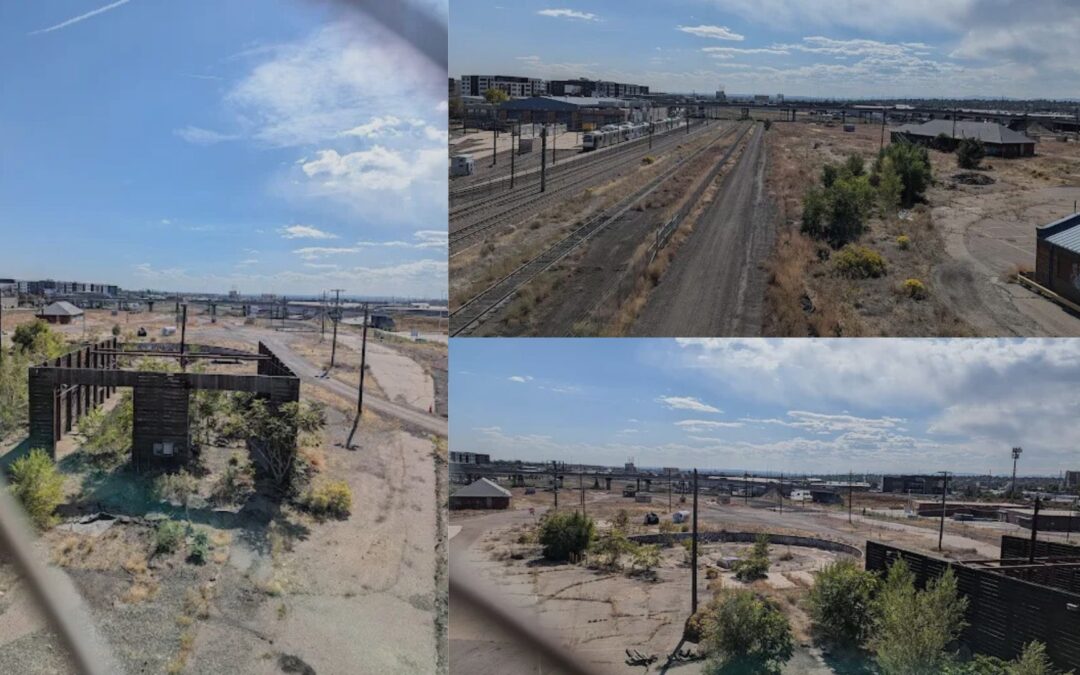
The Burnham Yard Denver stadium development is expected to increase nearby property values through infrastructure investment, economic growth, and neighborhood revitalization. Homeowners can capitalize by building pop top additions or ADUs to increase square footage, generate income, and maximize long-term equity.
Mar 17, 2026 | Architecture, Resources
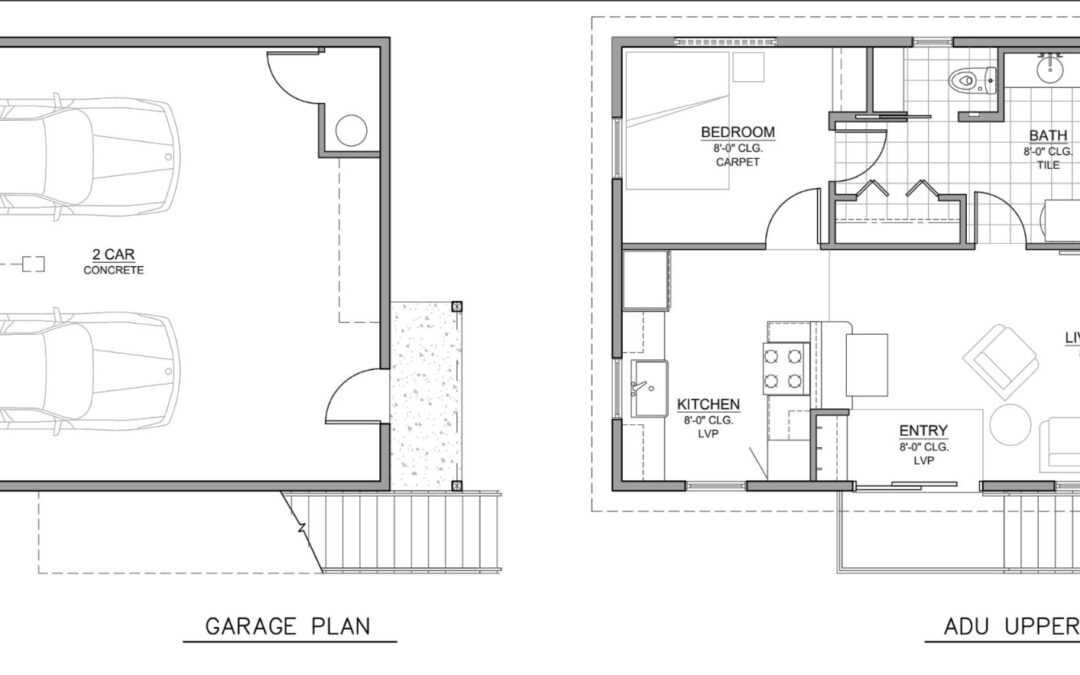
Working with an in-house architect through a design-build firm streamlines communication, aligns budget with design, and improves project efficiency from concept to construction.
Feb 6, 2026 | Golden, Resources
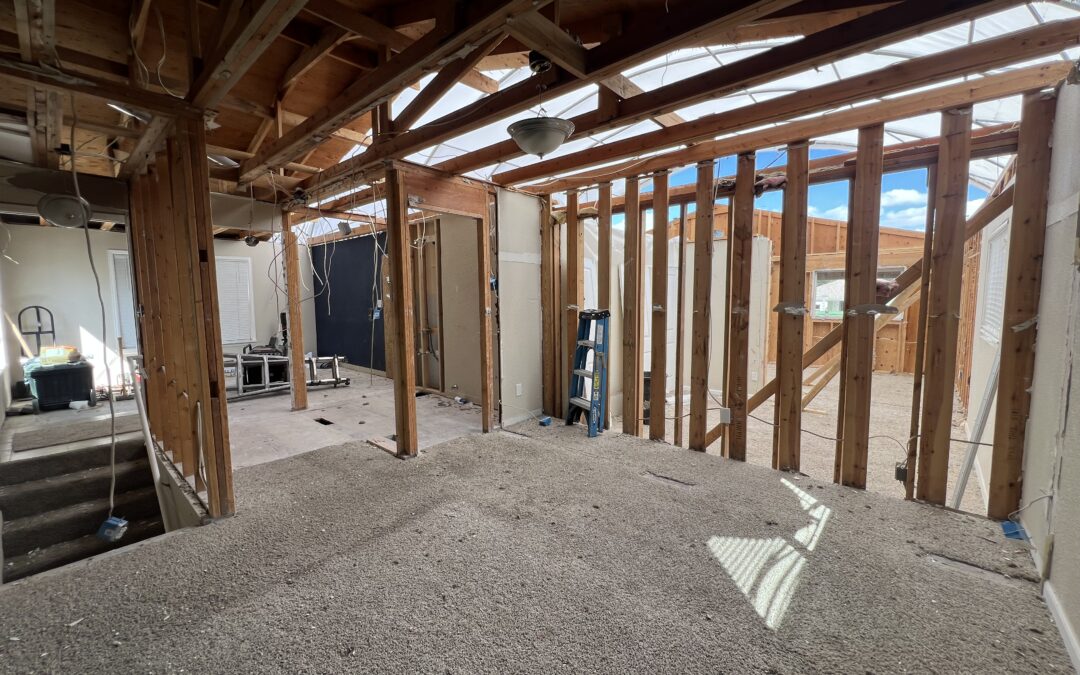
Golden homeowners are often surprised by how site conditions, permitting complexity, and evolving project scope influence renovation timelines and costs. Early coordination reduces redesign and delays.
Jan 30, 2026 | Resources, Wheat Ridge
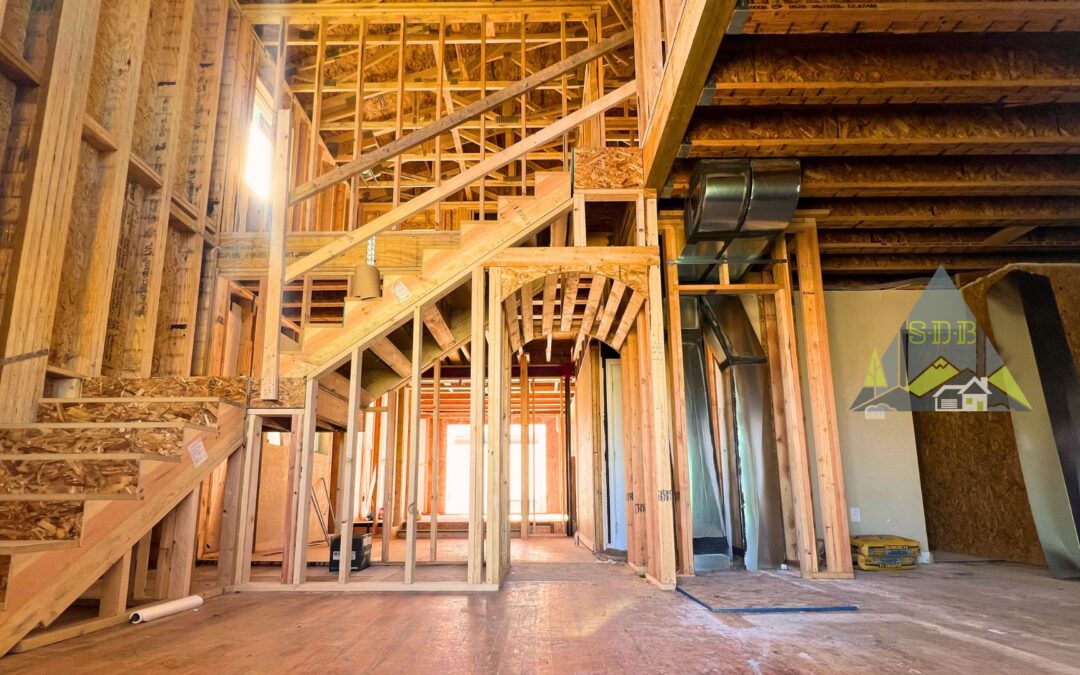
Wheat Ridge homes often require additions rather than remodels because original footprints were modest and layouts were not designed for modern living. Remodeling alone cannot create new bedrooms, expand living areas, or meaningfully improve function when square footage is limited.
Jan 29, 2026 | Resources, Wheat Ridge
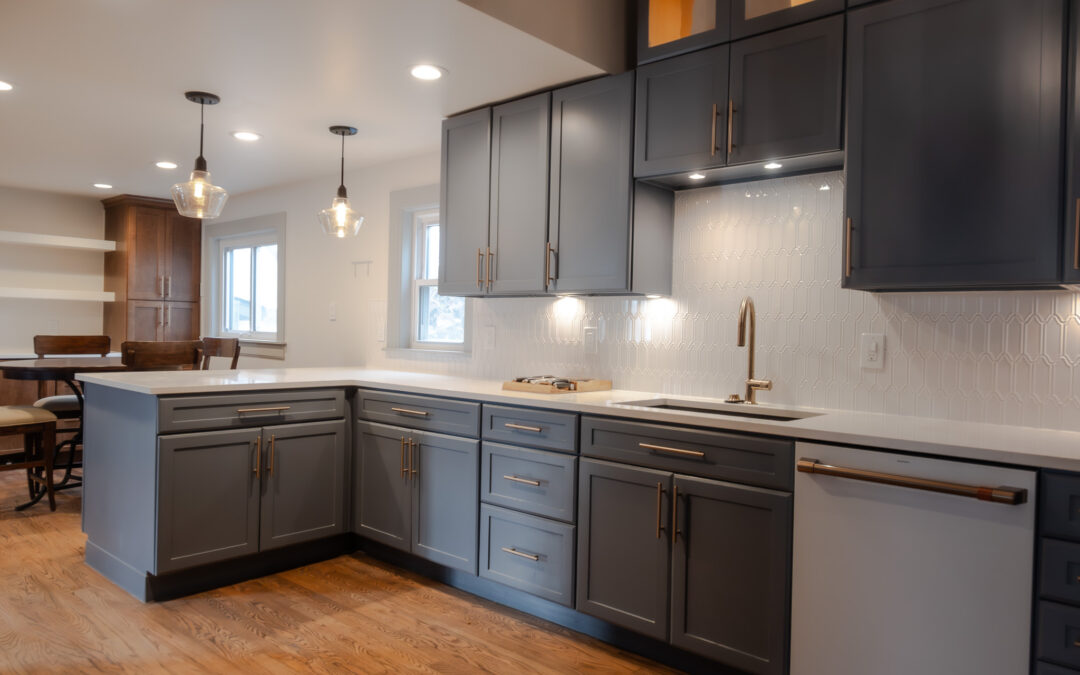
Wheat Ridge homeowners are often surprised by plan review requirements, permitting timelines, and hidden structural conditions in older homes during major renovations.
Jan 28, 2026 | Resources
Littleton homes often require additions rather than remodels because many properties lack the baseline square footage needed for modern layouts. Remodeling redistributes existing space, but it cannot solve fundamental size limitations. When kitchens, bedrooms, and living areas are undersized, additions become the only way to improve function without sacrificing other rooms.
Jan 14, 2026 | Wheat Ridge
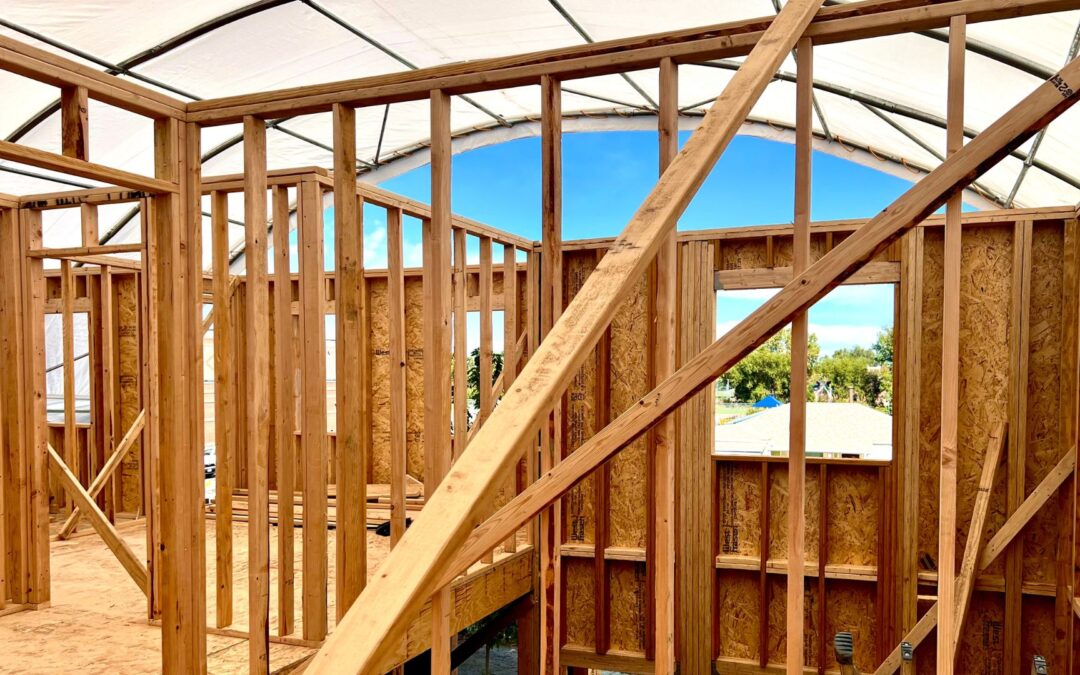
Accessory Dwelling Units (ADUs) in Wheat Ridge require careful review of zoning, lot eligibility, and Jefferson County permitting standards. Homeowners must confirm whether their property allows ADUs, understand size and setback limits, and comply with owner-occupancy and rental regulations. Working with an experienced design-build contractor helps streamline approvals and ensures ADUs are designed and built in compliance with local requirements.
Jan 14, 2026 | Centennial, Resources
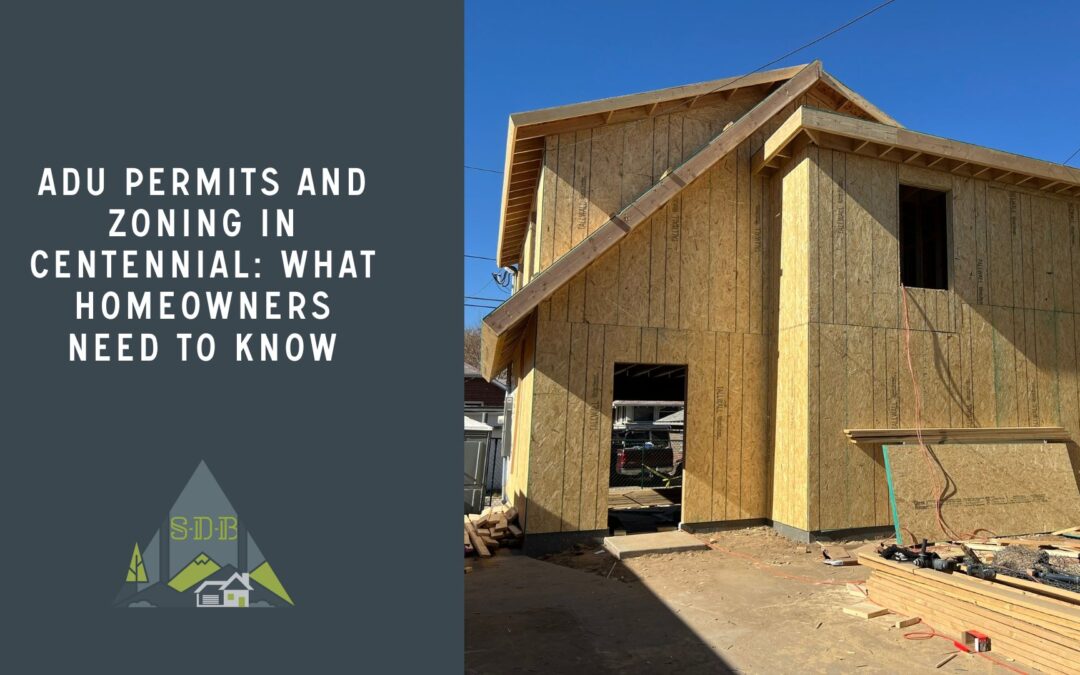
Accessory Dwelling Units (ADUs) in Centennial require careful review of zoning regulations, lot eligibility, and permitting standards set by the City of Centennial and Arapahoe County. Homeowners must verify whether ADUs are allowed in their zoning district, understand size and setback limits, and comply with occupancy and rental rules. Working with an experienced design-build contractor helps ensure compliance and a smoother approval process.
Dec 29, 2025 | Golden
Home Additions Builder in Golden by a design-build can help expand their home thoughtfully while preserving the character of their neighborhood. By adding square footage through well-designed room additions, second-story expansions, or custom remodels, homeowners in Golden can enhance comfort, increase property value, and adapt their homes to evolving lifestyle needs — all with guidance from a contractor who understands the community, permitting challenges, and architectural context of this historic foothills town.
Dec 26, 2025 | Arvada
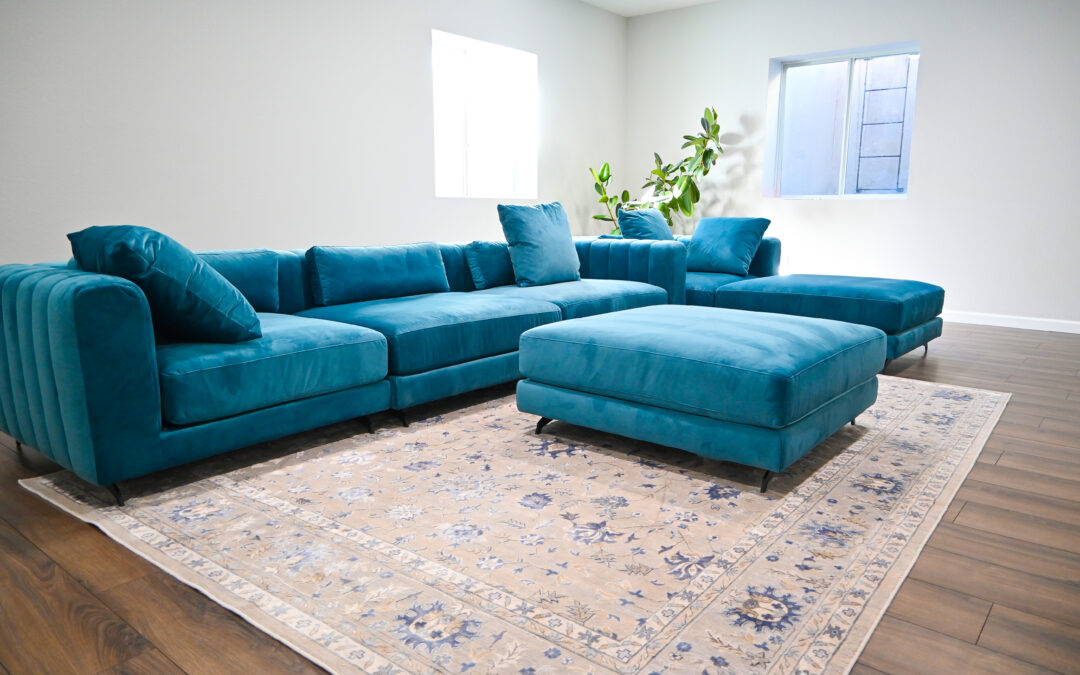
Arvada basement remodeling allows homeowners to transform unused space into functional living areas while increasing home value and long-term usability. By finishing or upgrading a basement, homeowners in Arvada can add bedrooms, family rooms, home offices, or rental-ready spaces without expanding the home’s footprint, making basement remodeling one of the most cost-effective renovation options in the area.

Dec 24, 2025 | ADU, Wheat Ridge
A Wheat Ridge ADU offers homeowners a practical way to create flexible living space while increasing long-term property value. With updated zoning regulations and a more accessible permitting process, building an accessory dwelling unit in Wheat Ridge is now a viable option for families seeking multigenerational housing, rental income potential, or future-ready living without leaving their established neighborhood.
Dec 5, 2025 | Resources
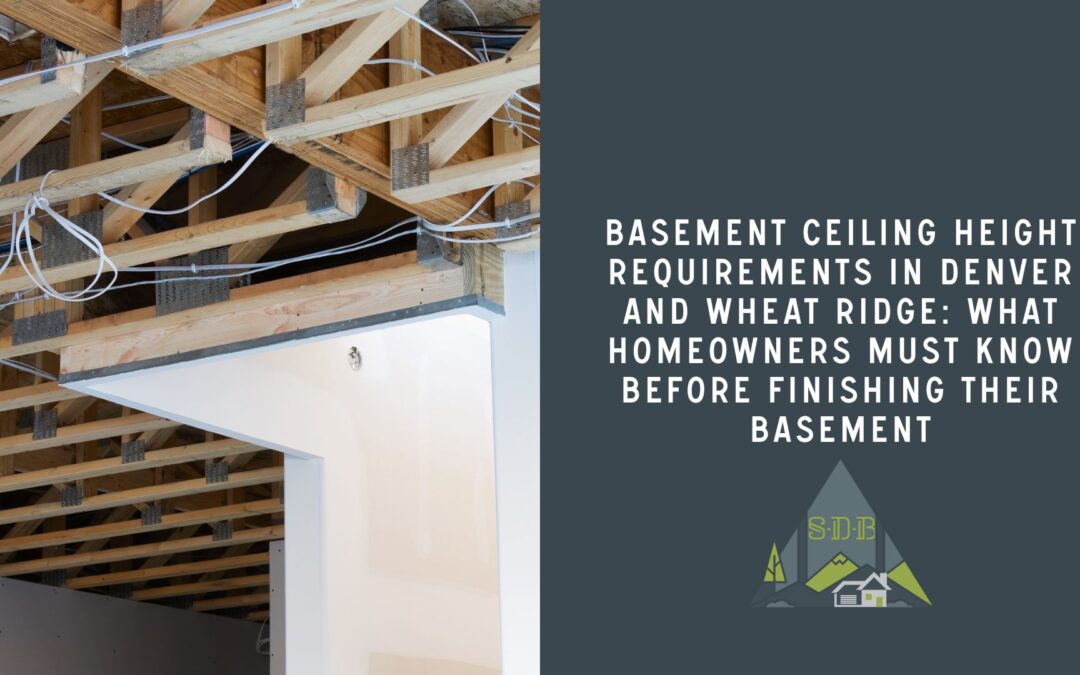
Basements in Colorado must meet specific ceiling height requirements before they can be legally finished or used as habitable space. Under current building codes, most finished basements must maintain a minimum ceiling height of 7 feet, with limited allowances for beams, ducts, or structural projections. Older homes may qualify for certain exceptions, but modifications such as structural adjustments, slab lowering, or duct reconfiguration are often required to meet code. Knowing these requirements early helps homeowners understand feasibility, permitting, and design options for a successful basement remodel.
Dec 4, 2025 | Resources
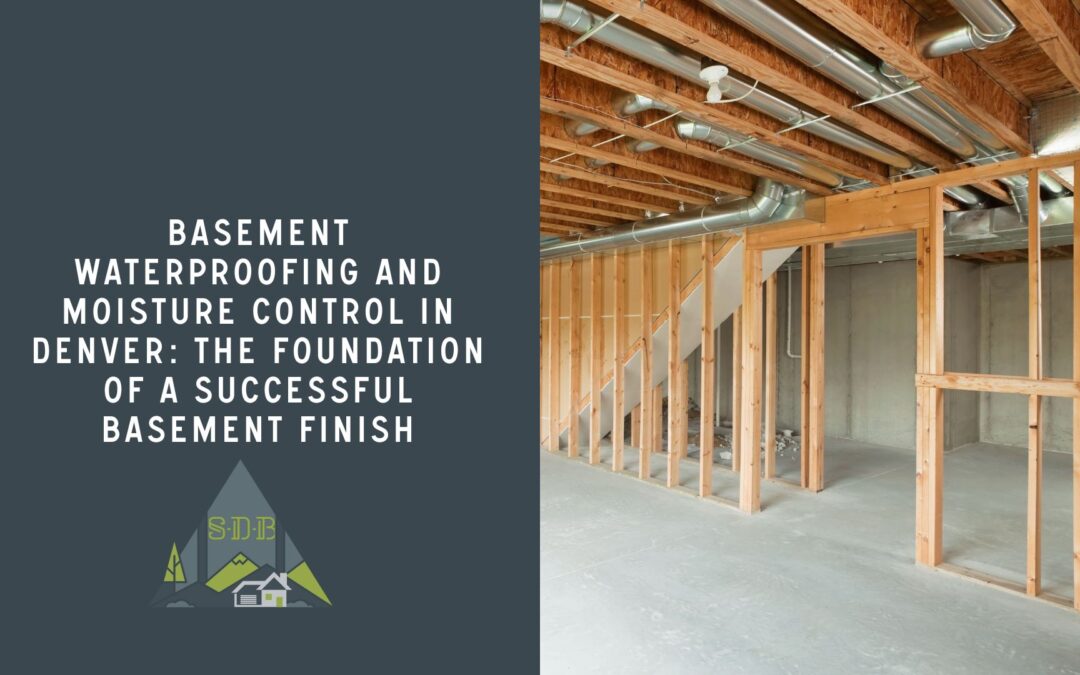
Basement waterproofing and moisture control are essential steps before any basement finishing project in Denver. Because Colorado soils experience seasonal expansion, snowmelt, and inconsistent moisture levels, basements are especially vulnerable to seepage, humidity, and foundation movement. Effective basement waterproofing includes drainage improvements, vapor barriers, sump pump systems, grading corrections, and proper insulation. Addressing moisture early protects finishes, prevents mold, and ensures long-term durability for a finished basement.
Dec 2, 2025 | Resources
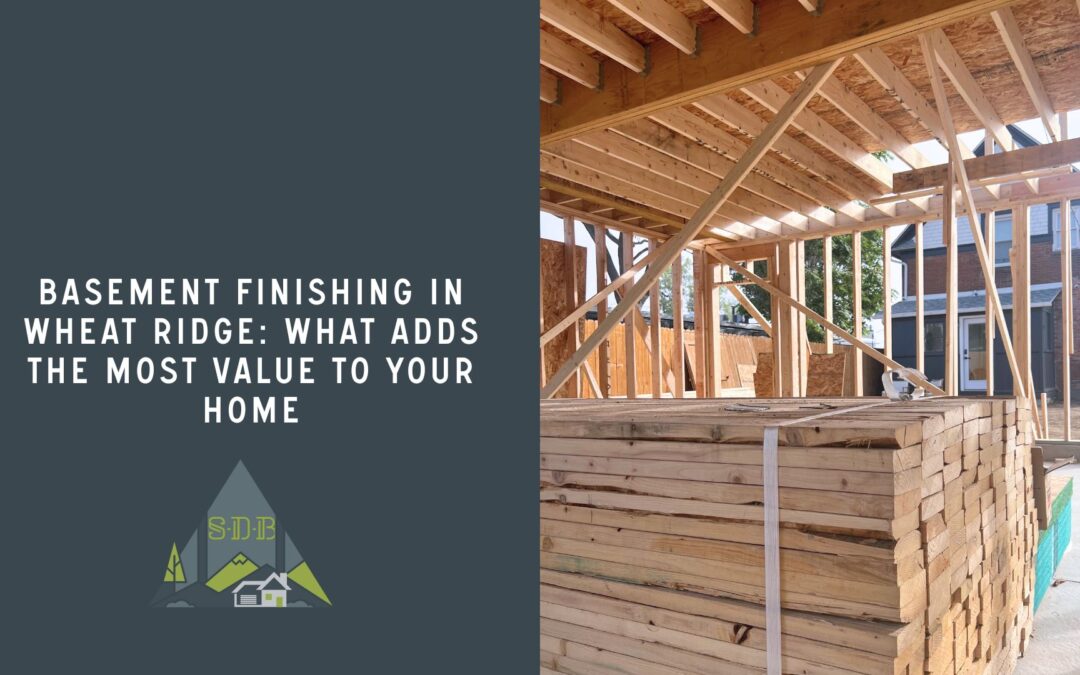
Finishing a basement in Wheat Ridge is one of the most cost-effective ways to add usable square footage and increase home value. High-impact upgrades such as adding a bedroom with egress, building a modern bathroom, creating flexible living areas, and improving natural light provide the strongest return on investment. In 2025, thoughtfully designed basement finishing projects typically increase home value by up to 20 percent, especially when completed with quality construction and clear permitting.
Nov 28, 2025 | Resources
Learn what affects how long a basement remodel takes and why most projects require 4 to 8 weeks depending on scope and existing conditions.
Nov 27, 2025 | Resources
How long should you expect a basement renovation to take? Discover why most projects require 4 to 8 weeks and how professionals maintain schedule efficiency.
Nov 25, 2025 | Resources
The typical timeline for a basement remodel is four to eight weeks, depending on permitting, design, upgrades, and finishing materials.
Nov 22, 2025 | Resources
A basement remodel in Denver typically takes four to eight weeks, although the total duration depends on permitting, scope, mechanical upgrades, and finish selections. Construction includes framing, rough-ins, drywall, and interior finishes. Working with a professional contractor like Sustainable Design Build helps keep schedules predictable.
Nov 14, 2025 | Resources
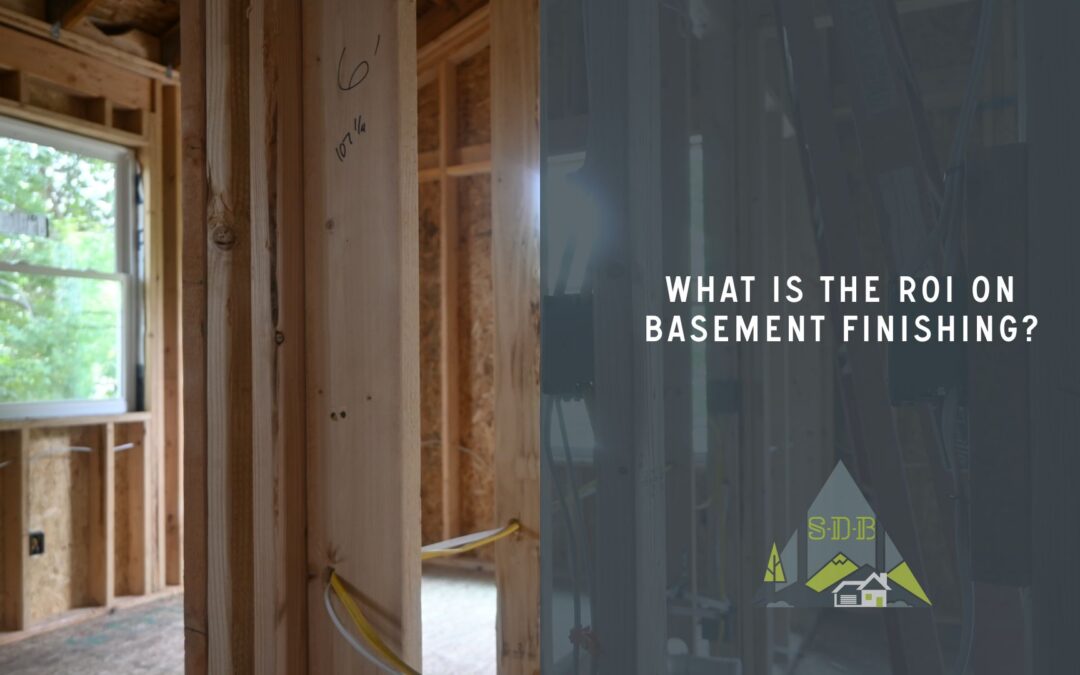
Basement finishing projects offer an average 70% return on investment (ROI), making them one of the most profitable home improvements in the Denver metro area. Homeowners typically spend $30,000 to $70,000, with resale value and livability gains that significantly enhance long-term property worth.
Nov 14, 2025 | Resources
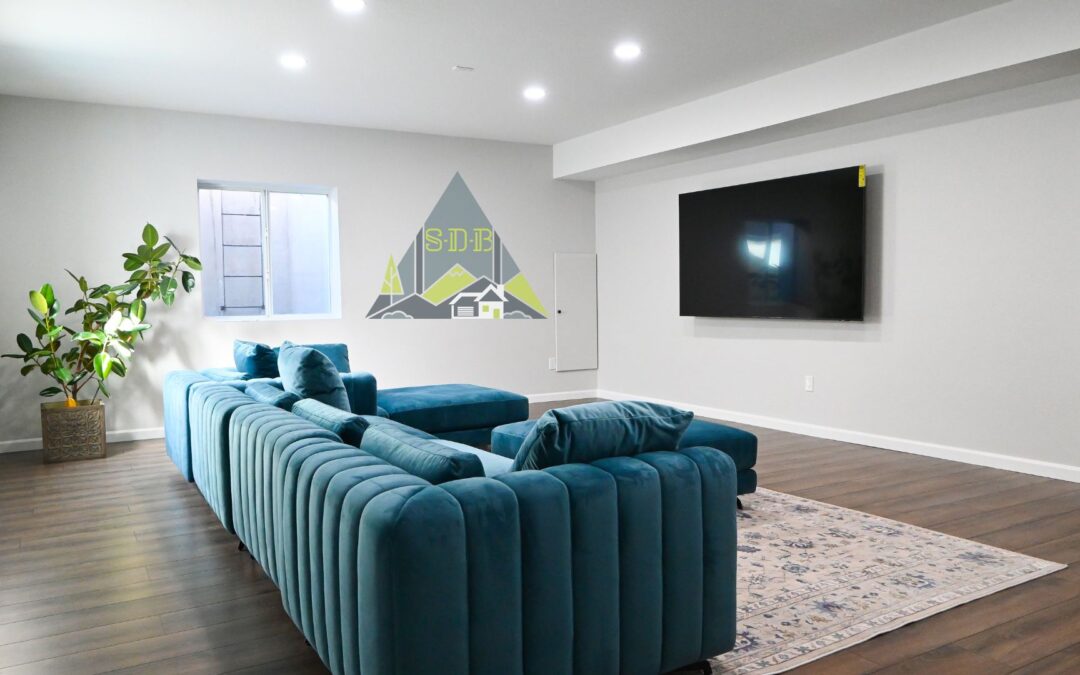
A basement remodel typically costs 30–50% less than a home addition, averaging $25,000 to $70,000 depending on design scope, finishes, and layout. Because the structure already exists, basement renovations offer one of the best returns on investment among major remodeling projects.
Nov 13, 2025 | Resources
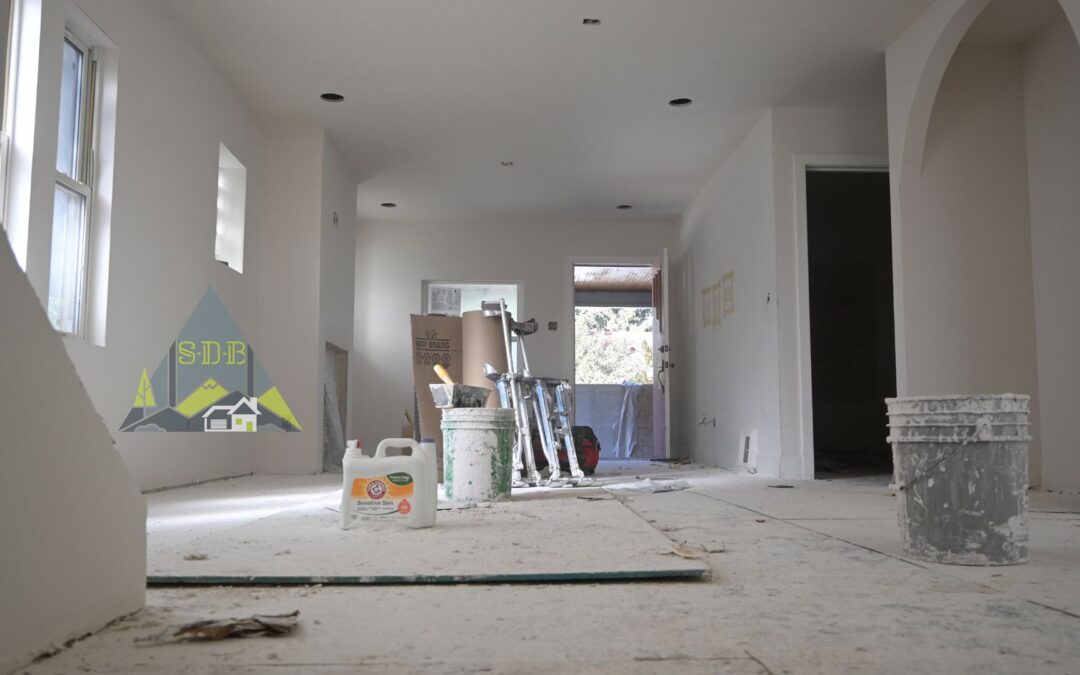
Converting a basement into a rental suite or ADU typically costs $40,000 to $120,000, depending on layout, plumbing, and finishes. The average price per square foot ranges from $20 to $45, and rental income can offset costs within five to seven years.

Nov 12, 2025 | Resources
The average cost to finish a basement ranges from $7 to $23 per square foot, depending on materials, design complexity, and contractor rates. In Denver, homeowners typically spend $40,000–$70,000 for a finished basement with livable amenities like bathrooms, offices, or media rooms.

Nov 11, 2025 | Resources
To finish a basement adds valuable living space and boosts property value, but the cost can vary widely on design and materials. According to sources and trends, the average cost to finish a basement ranges between $7 and $23 per square foot. For a 2,500-square-foot basement, homeowners can expect to invest between $17,500 and $57,500 on average.

Nov 7, 2025 | Resources
In early November 2025, Littleton voters approved Ballot Question 3A by a margin of approximately 55 percent, enshrining single-family zoning protections into the city’s charter. (The Colorado Sun) The new amendment freezes zoning rules in most residential districts as of January 1, 2025, and requires voter approval for city-initiated rezoning of those districts. (littletonco.gov)
Nov 6, 2025 | Resources
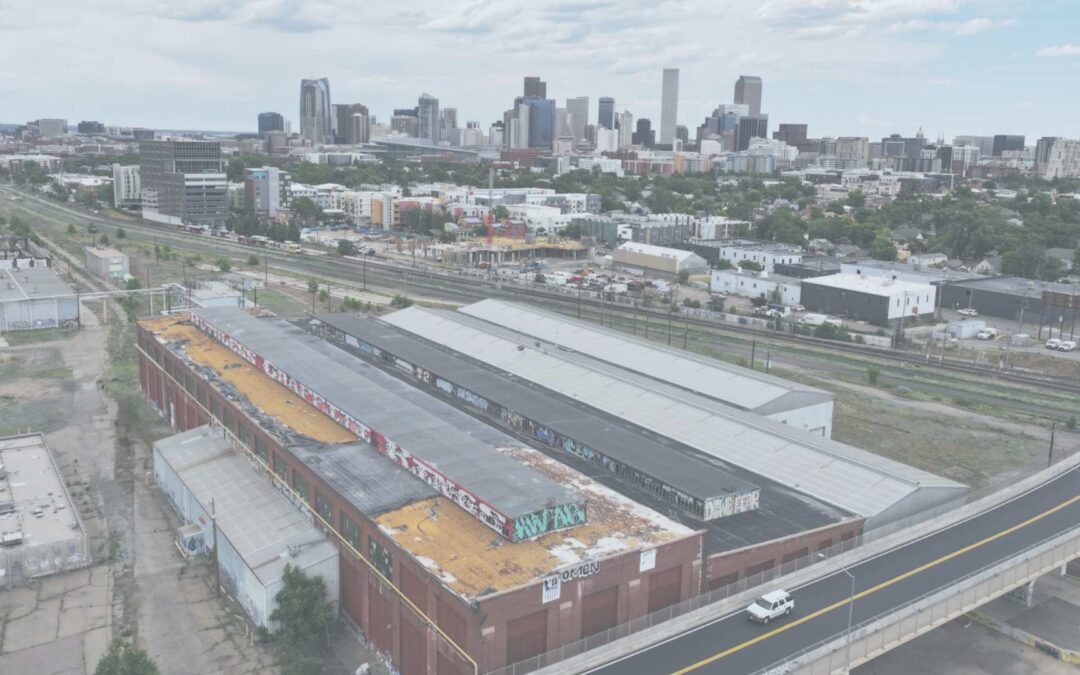
In recent weeks, the Denver Broncos submitted a formal redevelopment plan for their next home at Burnham Yard, a long-vacant industrial site just south of downtown Denver. The proposal envisions a new stadium surrounded by a walkable, mixed-use entertainment district—complete with housing, retail, and public green space.

Nov 6, 2025 | Resources
After sitting empty for more than two decades, the long-vacant lot at 5555 Greenwood Plaza Blvd is finally on its way to becoming a new residential community. Earlier this fall, the Greenwood Village City Council voted 8–0 to approve Century Communities’ plans for 90 single-family homes on 13 acres just south of The Landmark development — a mixed-use area featuring shops, restaurants, and two condominium towers.
Oct 21, 2025 | Resources
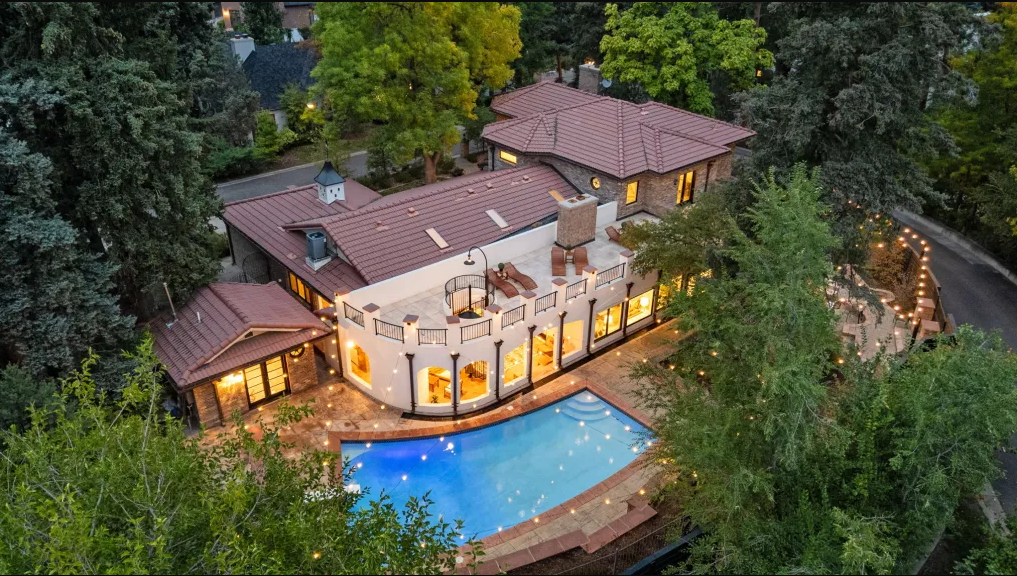
A recent Denver Post article highlighted a remarkable property in the Washington Park neighborhood: a six-bedroom, six-bathroom estate at 2111 E. Alameda Ave., listed for $4.2 million.
Sep 23, 2025 | Resources
When considering building a new home in Denver, most people expect the largest expenses to come from land, labor, and materials. Yet, a fourth factor — development fees charged by local governments — has become a significant cost driver, pushing prices higher for new home construction. A recent study by the Home Builders Association of Metro Denver found that these fees account for more than 10% of the total cost of a single-family home (Svaldi, 2025).

Sep 18, 2025 | Resources
Redevelopment in Denver continues to reshape neighborhoods while balancing preservation with innovation. A recent decision by the Denver City Council highlights this balance as the former Denver Rock Drill Manufacturing Co. site prepares for a $585 million transformation into a vibrant mixed-use development (Wenzler, 2025). For residents and design enthusiasts, projects like these illustrate how thoughtful planning, historic preservation, and modern design can coexist to strengthen community identity.
Sep 11, 2025 | Resources
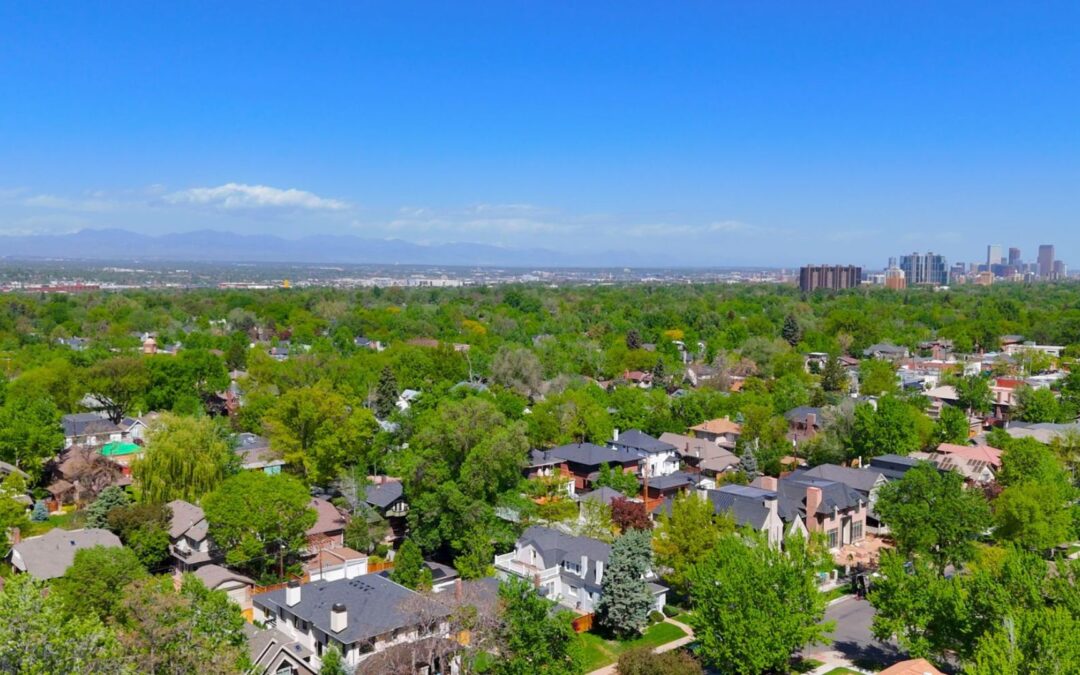
Just twelve miles southwest of downtown Denver lies Bow Mar, a one-square-mile statutory town nestled between Denver and Littleton. Recently profiled by The Wall Street Journal and highlighted by Westword, the community has been described as a “well-kept secret” and a “mythical land” where children fish in the neighborhood lake and residents live with such a sense of security that curtains and blinds often seem unnecessary (Metzger, 2025).


Recent Comments