Mar 24, 2026 | ADU
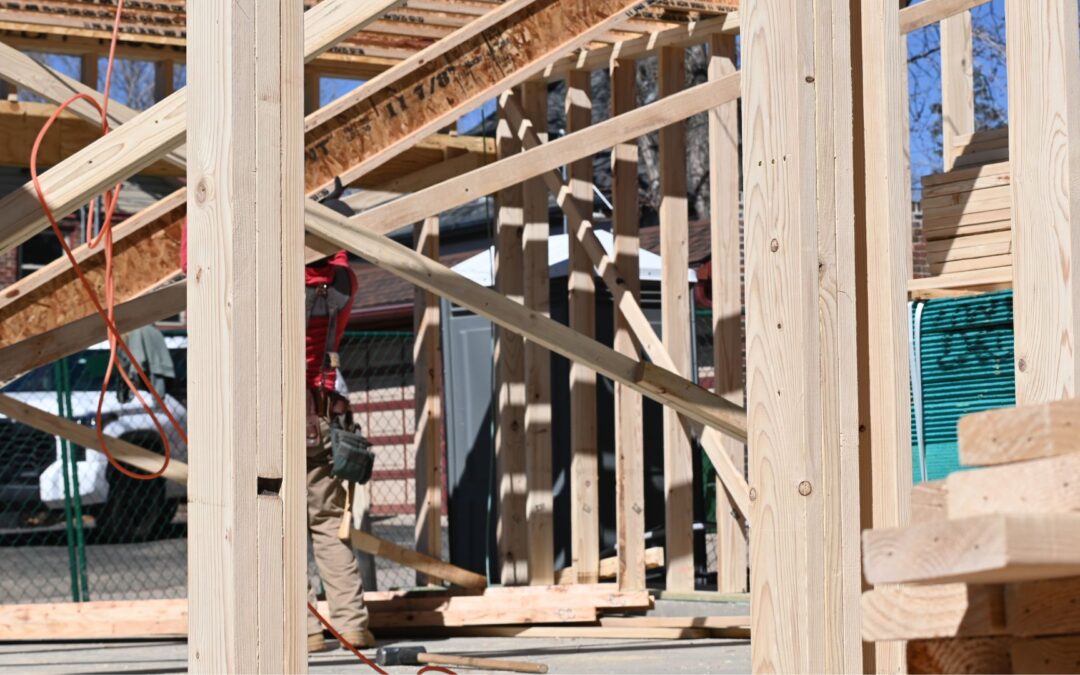
Building an ADU in Denver allows homeowners to increase property value, create rental income, and support multi-generational living. With updated zoning laws and growing housing demand, ADU construction has become one of the most effective ways to maximize property potential while maintaining flexibility for future use.
Mar 23, 2026 | ADU
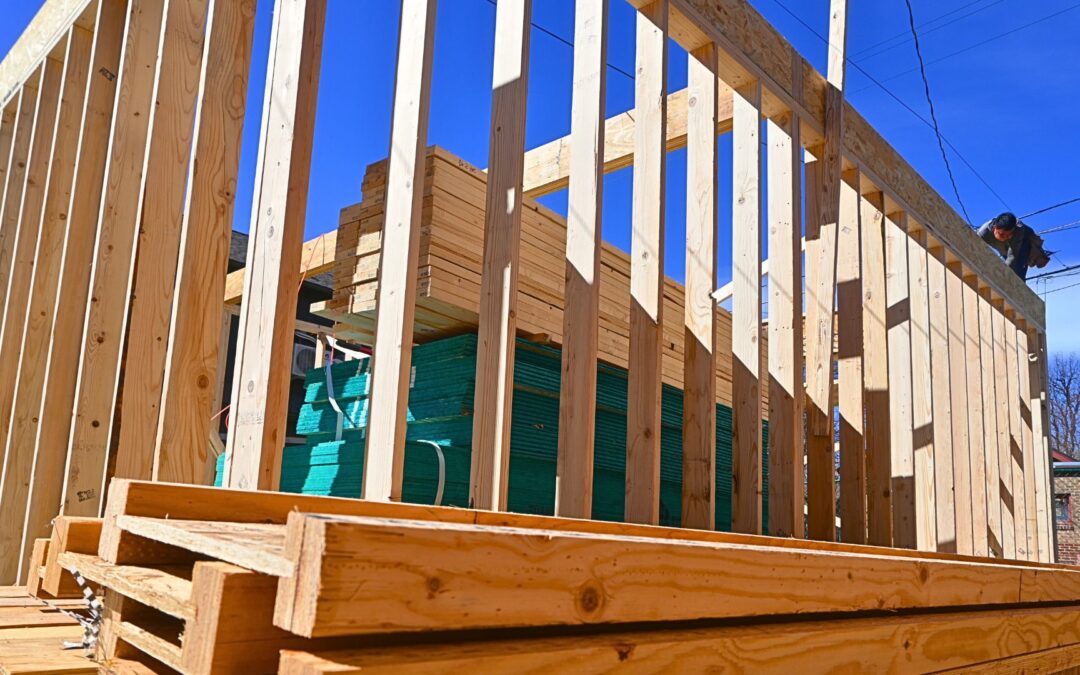
Building an ADU in Denver allows homeowners to increase property value, create rental income, and support multi-generational living. With updated zoning laws and growing housing demand, ADU construction has become one of the most effective ways to maximize property potential while maintaining flexibility for future use.
Mar 20, 2026 | ADU
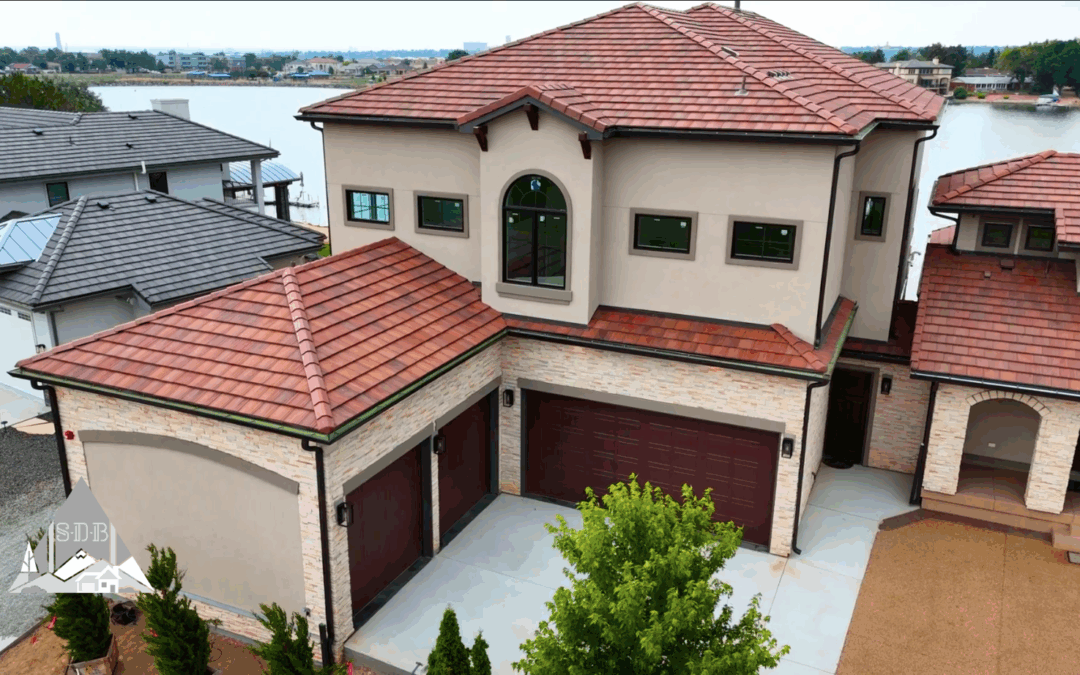
Planning an ADU in Denver is more efficient with a design-build approach that integrates architecture, interior design, and construction under one team. Sustainable Design Build uses a contractor-led process to align design decisions with real-world construction, helping homeowners reduce delays, control costs, and achieve a more predictable, coordinated build from concept through completion.
Mar 19, 2026 | ADU
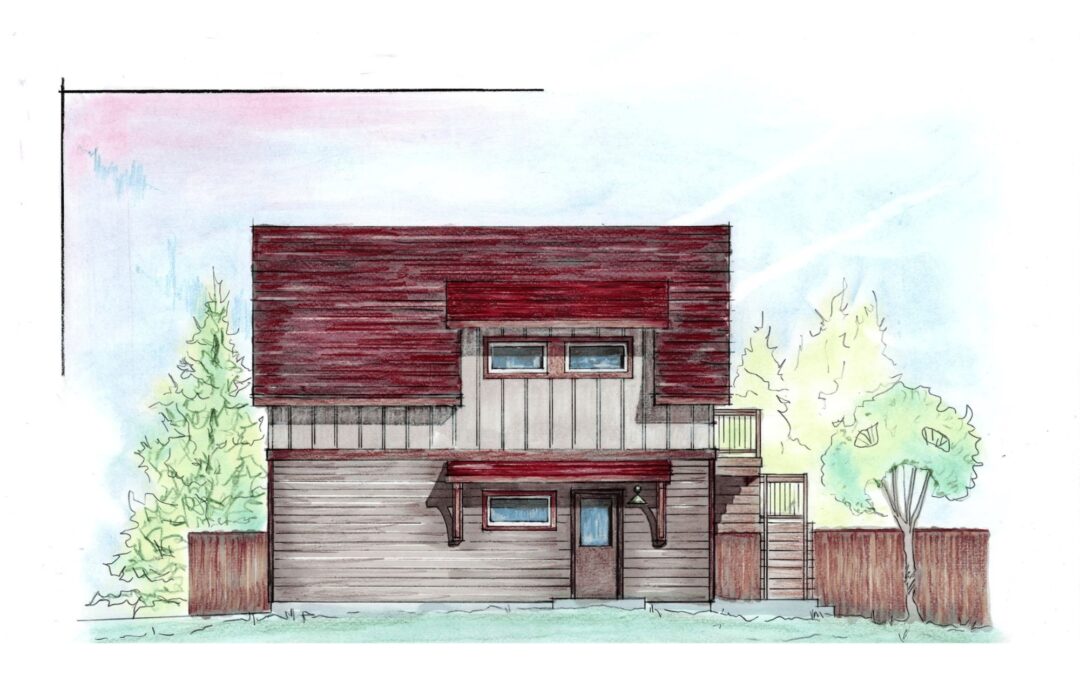
Building an Accessory Dwelling Unit (ADU) in Denver can add flexibility, value, and long-term income potential to a property. However, zoning regulations, design considerations, permitting timelines, and construction costs require careful planning. Understanding Denver’s ADU requirements and working with an experienced design-build team can streamline the process and help homeowners avoid costly missteps.
Mar 18, 2026 | ADU
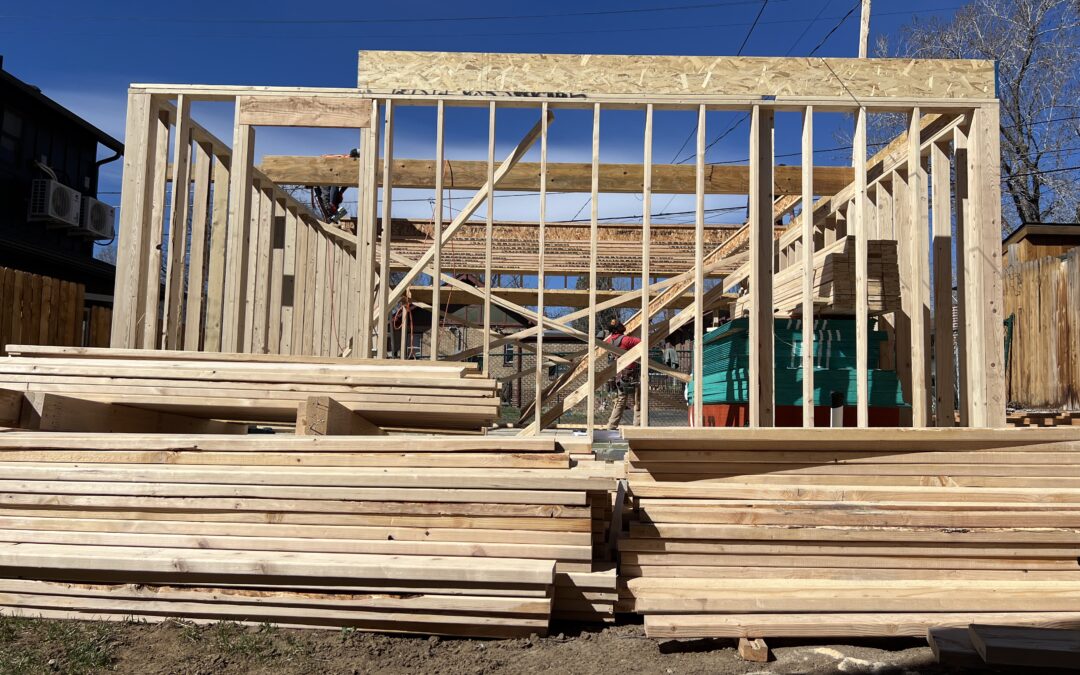
Accessory Dwelling Units (ADUs) continue to gain traction across Denver as homeowners look for flexible living solutions, rental income opportunities, and ways to maximize their property. At Sustainable Design Build, ADU projects are approached with a clear understanding that zoning is often the most critical first step. Before design begins, it is essential to understand how Denver’s zoning code shapes what is actually possible on a given lot.
Mar 17, 2026 | The Construction Industry
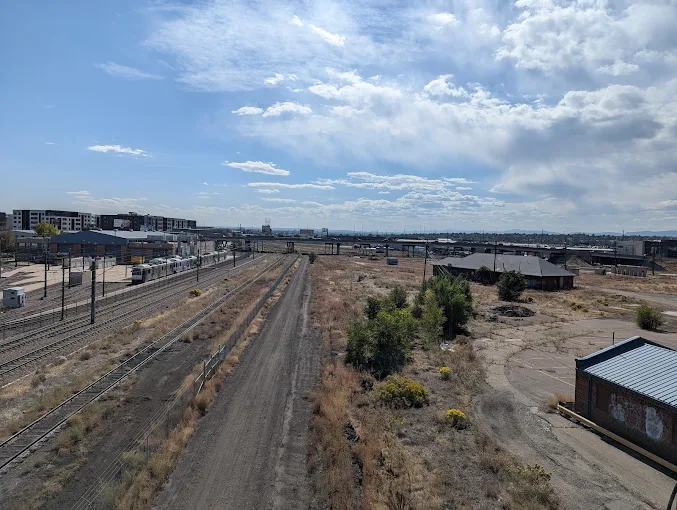
Converting a garage ADU is one of the most efficient ways to add rental income or additional living space to a property. Garage ADU projects typically cost $100,000 to $150,000+, take 5 to 9 months, and require zoning approval, structural upgrades, and building permits. When completed properly, a garage ADU can significantly increase property value while maintaining the existing building footprint.
Mar 17, 2026 | Architecture, Resources
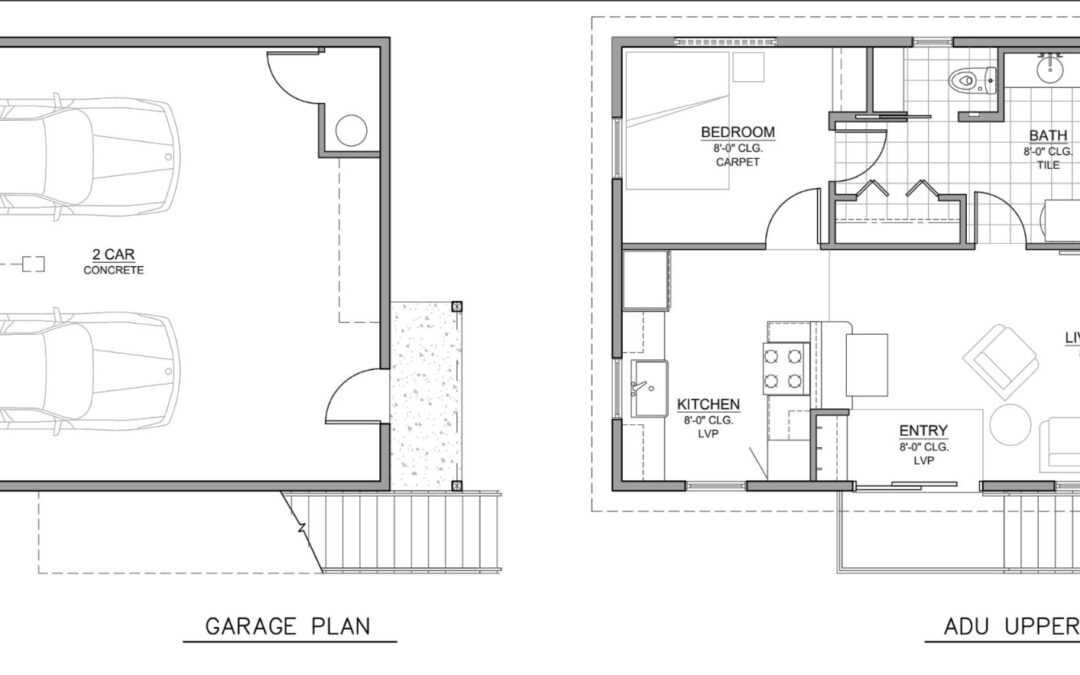
Working with an in-house architect through a design-build firm streamlines communication, aligns budget with design, and improves project efficiency from concept to construction.
Mar 16, 2026 | ADU
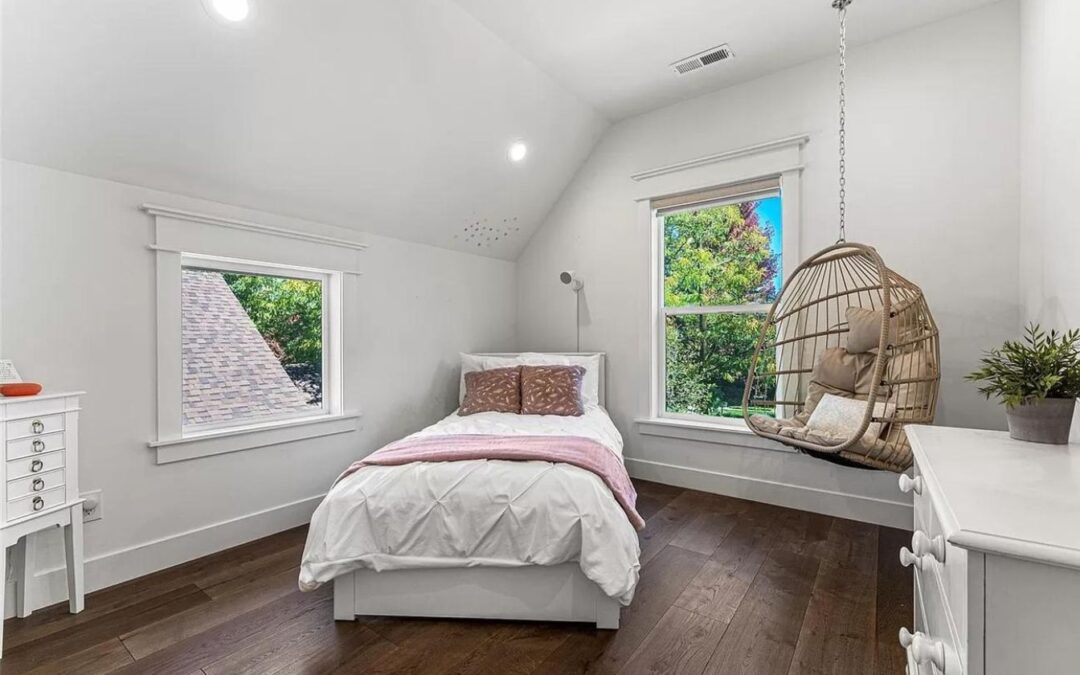
Denver’s recent enforcement on short-term rental permits for accessory dwelling units (ADUs) highlights a key reality. Homeowners benefit most from ADUs when they are properly designed, permitted, and built for long-term flexibility. While short-term rental potential exists, the true value of an ADU lies in multigenerational living, passive income, and future property adaptability.
Mar 13, 2026 | ADU, Home Addition
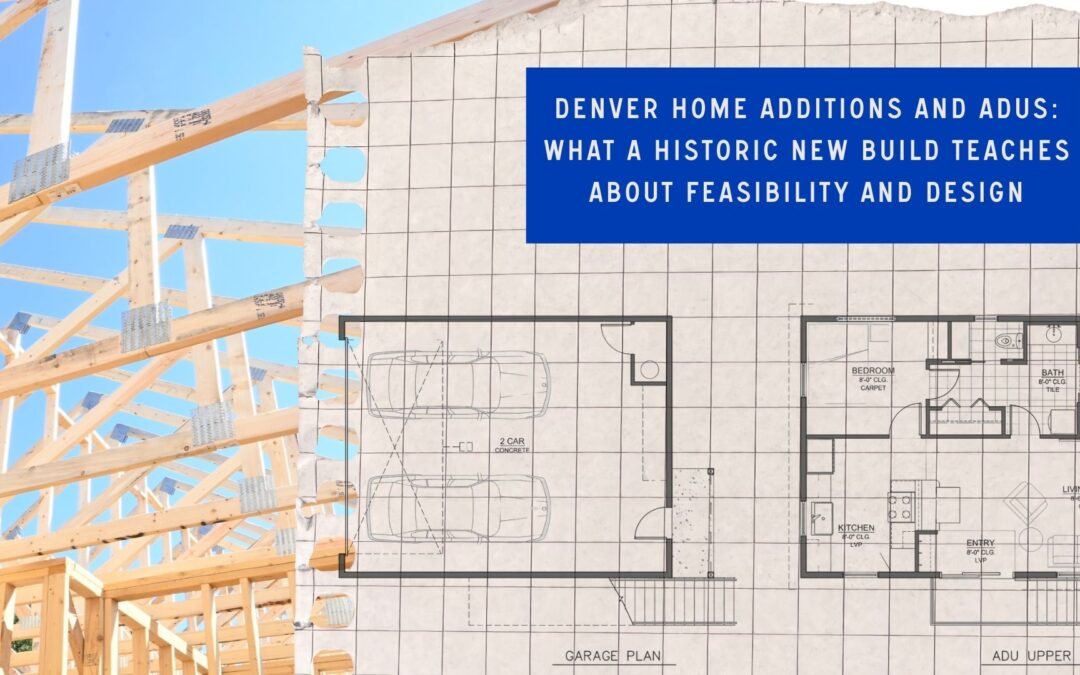
Denver home additions and ADUs require more than design ideas. Successful projects depend on feasibility, zoning, and early planning. A concept-driven approach helps homeowners understand what is possible, what it will cost, and how to move forward with confidence.
Mar 4, 2026 | ADU
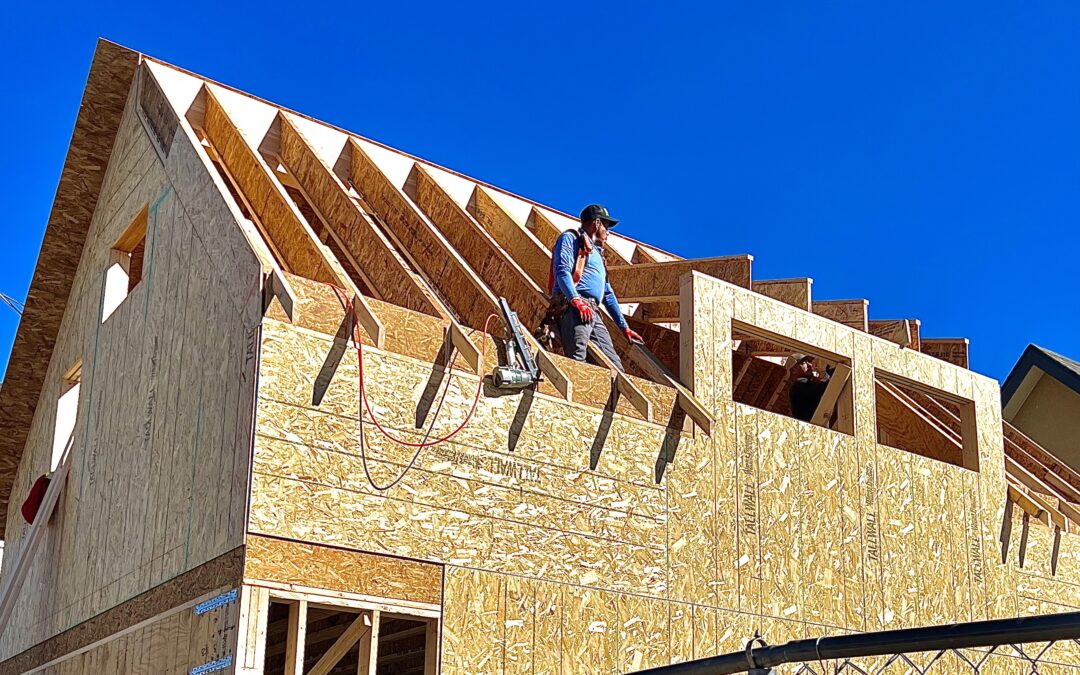
Converting a garage ADU is one of the most efficient ways to add rental income or additional living space to a property. Garage ADU projects typically cost $100,000 to $150,000+, take 5 to 9 months, and require zoning approval, structural upgrades, and building permits. When completed properly, a garage ADU can significantly increase property value while maintaining the existing building footprint.


Recent Comments