
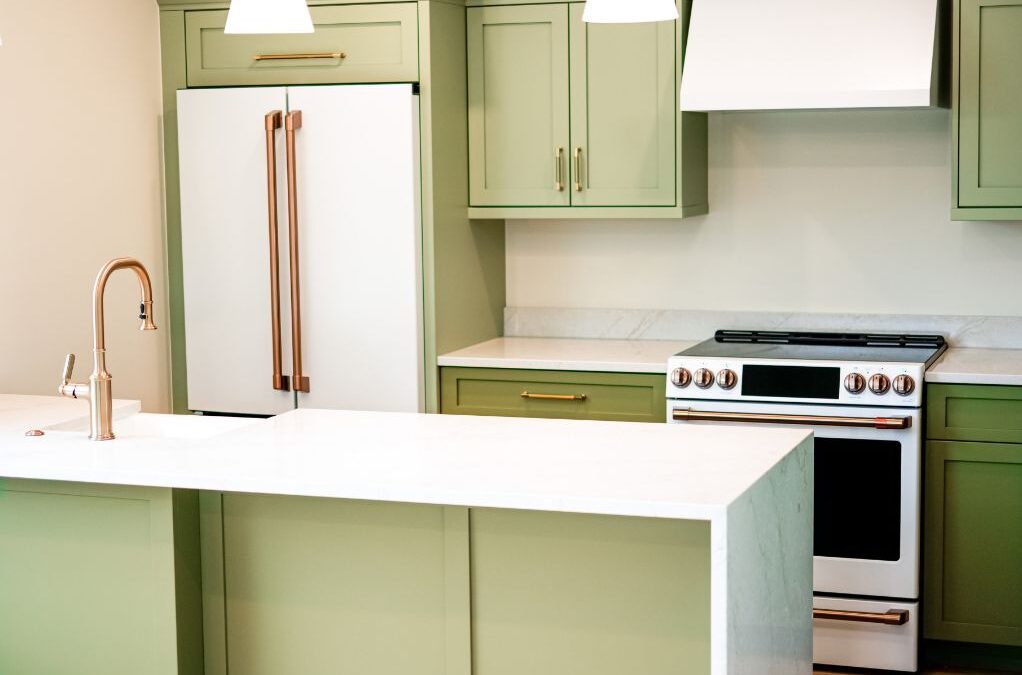
Building an ADU for Family: Creating a Support System for New Mothers and Growing Families
An accessory dwelling unit (ADU) can help new and expecting parents build a stronger family support system by providing independent housing for grandparents or other relatives on the same property. For a new mother, having trusted family members living steps away can make everyday support more accessible during pregnancy, postpartum recovery, and the first years of raising a child. Unlike simply adding another bedroom to a home, an ADU gives extended family a private residence with its own living space, kitchen, bathroom, and entrance while keeping them close enough to help with childcare, meals, errands, household responsibilities, and the everyday demands of a growing family.
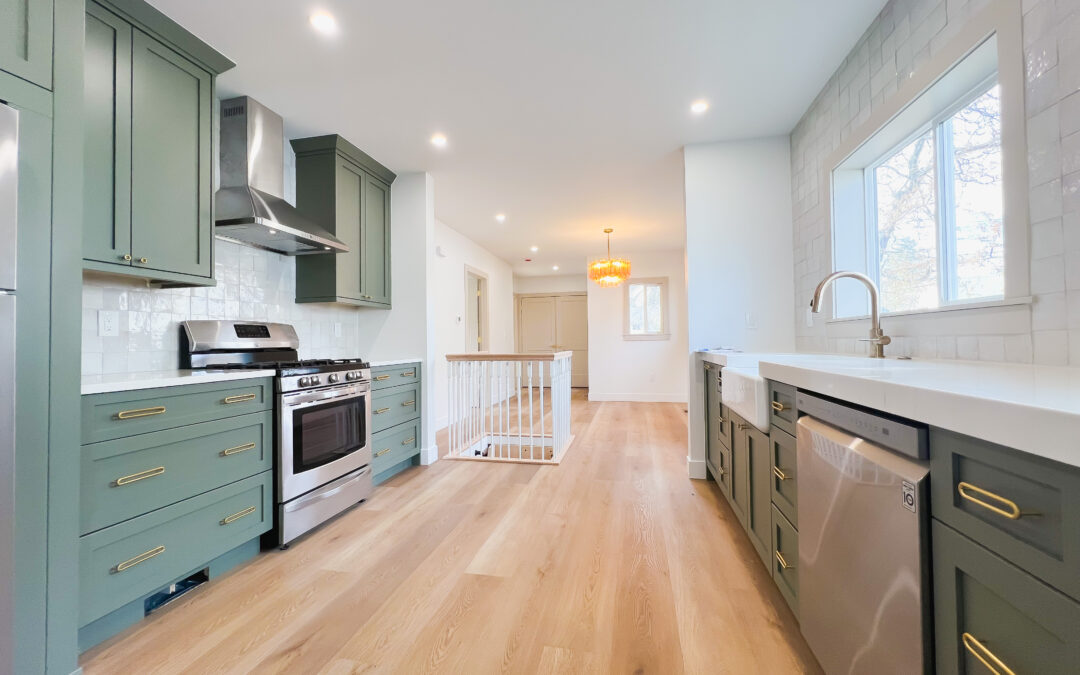
Why Warm Natural Kitchens Are Becoming One of the Most Popular Remodeling Trends in Denver
Warm natural kitchens are becoming one of the most popular remodeling trends in Denver as homeowners move away from overly sterile designs and prioritize organic materials, layered lighting, natural wood tones, and functional layouts. These kitchens combine modern functionality with timeless interior design elements that improve both everyday living and long-term home value.
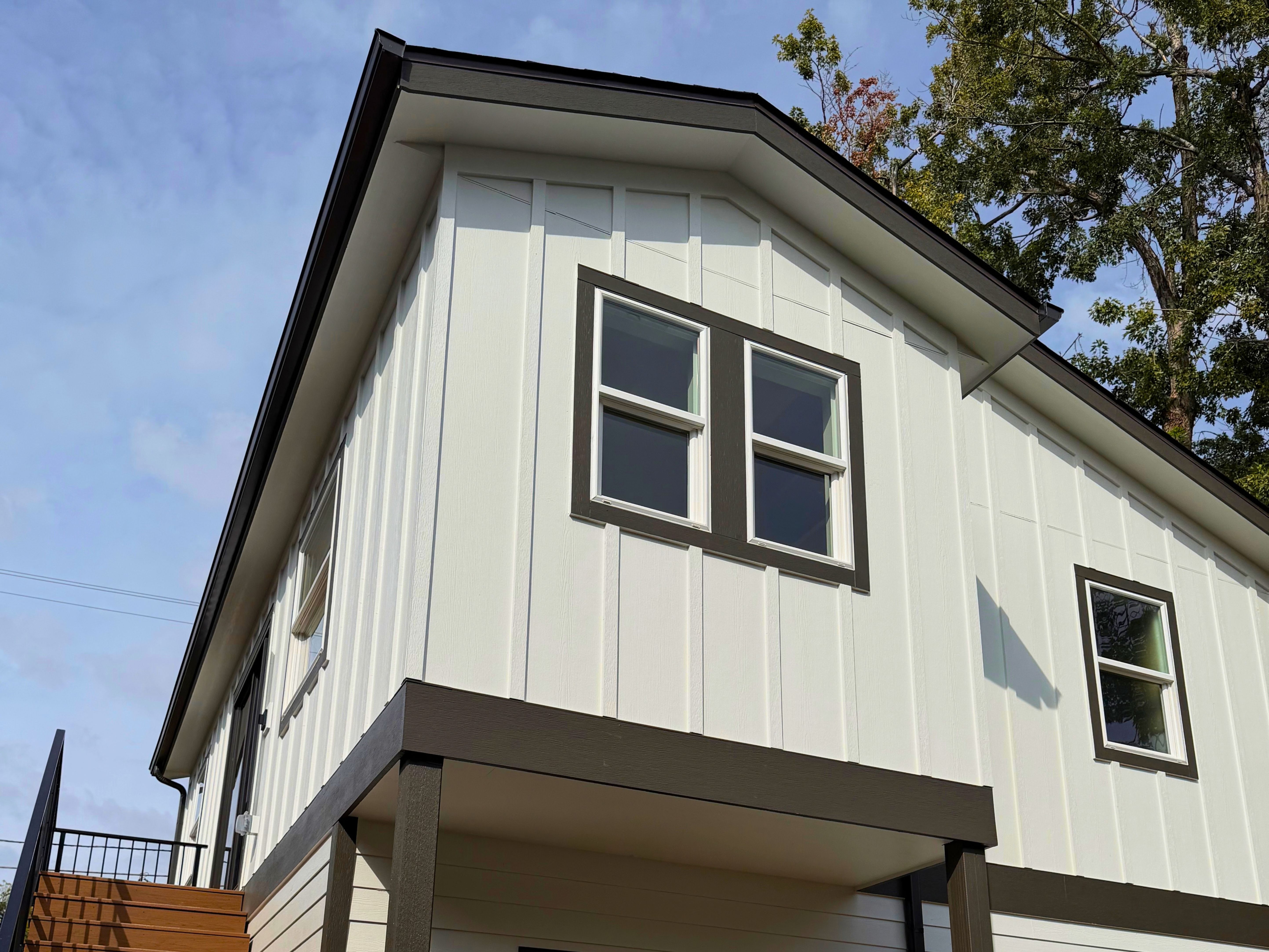
The Complete Guide to Building an ADU in Denver
Accessory Dwelling Units have become one of the most practical ways Denver homeowners can add functional living space, increase the usefulness of their property, and create flexible housing for family, guests, work, or long-term rental use. But just because these projects are well known and growing in popularity, does not mean that they are easy. Building an ADU is a large home remodeling project and comes with numerous steps all of which need to be considered carefully. Which is why Sustainable Design Build wants to provide an updated and complete guide to building an ADU in Denver.
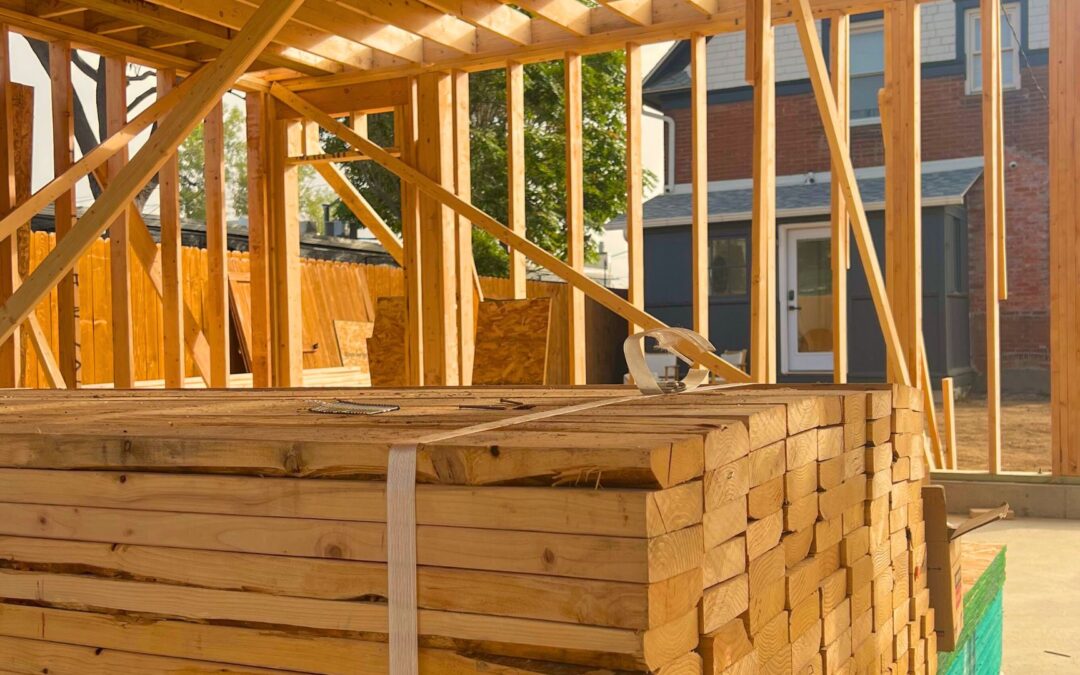
What Is the Most Common Delay in Home Remodeling? A General Contractor’s Perspective
What Is the Most Common Delay in Home Remodeling? A General Contractor’s Perspective can let you know what to watch out for.

Colorado Avalanche Defenseman Cherry Hills Village Estate Returns to Market at $14.5 Million After Extensive Renovation
A Cherry Hills Village estate once purchased by former Colorado Avalanche defenseman Erik Johnson has returned to the market following several years of extensive renovation, offering a striking example of how an established luxury property can be transformed through thoughtful residential design and construction.
Connect With Us
Planning your next renovation, or maybe you are looking to do a complete remodel for your home? Whatever the task, it can’t hurt to ask. Reach out to our team through this form.
We can schedule a free consultation and discuss everything you need to get your project moving in the right direction. Did we mention, it’s absolutely free?
No time like the present to get started on turning your house into the home of your dreams.