
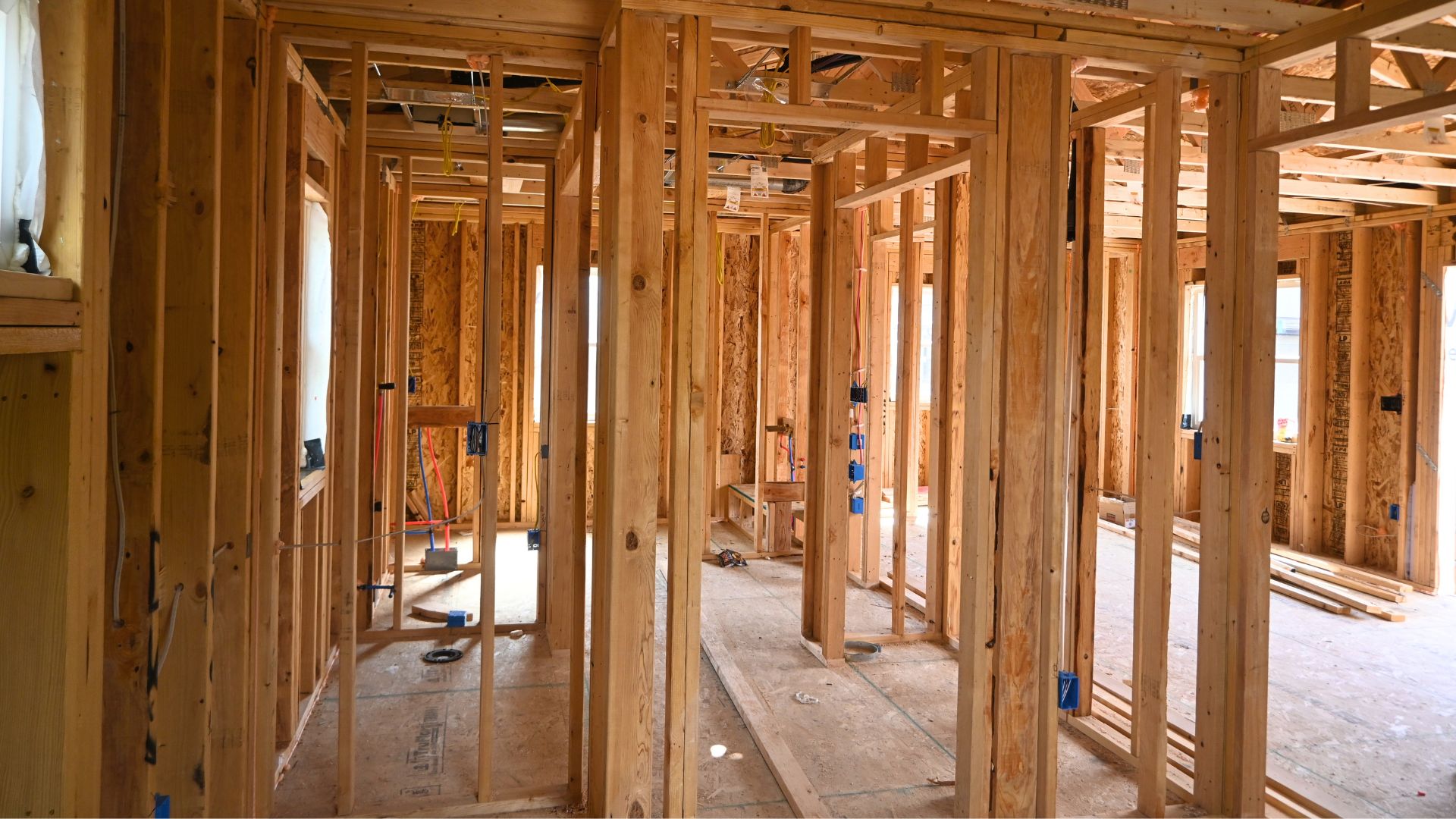
Homeowners in Denver are choosing home additions over moving to gain more functional space without leaving their neighborhood. A design-build approach simplifies the process by combining design and construction into one streamlined system, reducing costs, timelines, and miscommunication. Pop tops and bump-out additions are among the most effective ways to modernize older homes.
Why Are Denver Homeowners Choosing Additions Instead of Moving?
Across the U.S., homebuyers are prioritizing function, comfort, and lifestyle over simply increasing square footage. In Denver, this trend is even more pronounced due to rising home prices and limited inventory.
According to the Denver Community Planning and Development Department, the city has seen consistent demand for residential permits, reflecting ongoing investment in existing homes rather than relocation.
For many homeowners, moving means:
- Higher mortgage rates
- Competitive bidding environments
- Compromising on location or lot size
As a result, more families are choosing to upgrade their current home instead of replacing it.
What Do Modern Homeowners Actually Want From Their Space?
Today’s homeowners are not just looking for more space, they are looking for better-performing space. This includes:
- Open layouts that improve flow
- Multi-functional rooms for work and living
- Private retreats like primary suites
- Indoor-outdoor connectivity
This shift reflects what industry experts call “emotional ROI,” where the daily experience of a home carries as much weight as its resale value.
Older Denver homes, particularly those built before the 1980s, often lack these features. However, they offer strong foundations and desirable locations, making them ideal candidates for transformation through additions.
Is It More Cost-Effective to Build a Home Addition in Denver?
While costs vary depending on scope, building an addition can often provide better long-term value than moving.
According to Remodeling Magazine’s Cost vs. Value Report, major home improvement projects, including additions, can retain a significant portion of their value while improving daily livability.
When comparing options:
Moving Costs:
- Realtor commissions (5–6%)
- Closing costs
- Higher purchase price in competitive markets
- Moving and transition expenses
Building an Addition:
- Targeted investment in usable space
- Increased property value
- No loss of location advantages
For many Denver homeowners, the math and lifestyle benefits both point toward building.
What Types of Home Additions Work Best in Denver Neighborhoods?
Denver’s zoning and lot configurations make two addition types especially effective.
Pop Top Additions (Second-Story Expansions)
Pop tops are one of the most popular solutions in neighborhoods like Berkeley, Sloan’s Lake, and Wash Park. By building upward, homeowners can double their living space without sacrificing yard area.
These additions are ideal for:
- Adding bedrooms and bathrooms
- Creating a primary suite
- Expanding family living areas
Bump-Out and Rear Additions
For homes with available lot space, expanding outward provides highly functional upgrades.
Common uses include:
- Enlarged kitchens
- Open-concept living spaces
- Main-floor primary suites
Both strategies allow homeowners to adapt older homes to modern expectations while preserving neighborhood character.
For those considering this route, working with a team experienced in Denver home additions and ADU construction helps ensure alignment with zoning, structural requirements, and long-term goals.
What Is Design-Build and Why Does It Matter for Home Additions?
The process used to complete a home addition can significantly impact the outcome.
Traditional Method (Architect First)
In a traditional approach, homeowners hire an architect to design the project, then bid it out to contractors. While this can work, it often leads to:
- Designs that exceed budget
- Multiple revisions and delays
- Misalignment between vision and construction
Design-Build Method
The design-build model integrates design and construction into one unified process.
According to the Design-Build Institute of America, this approach results in better cost control, faster delivery, and improved collaboration.
How Does Design-Build Improve Cost, Timeline, and Quality?
With design-build, every decision is made with both aesthetics and construction in mind.
Cost Accuracy From Day One
Budgets are developed alongside the design, reducing surprises later.
Streamlined Communication
A single team manages the entire project, eliminating miscommunication between separate parties.
Faster Project Delivery
Design and construction phases can overlap, reducing overall timelines.
Higher Quality Outcomes
Because the same team is accountable from start to finish, execution aligns closely with the original vision.
This approach is particularly valuable for complex projects like pop tops and structural additions.
What Are the Pros and Cons of Building a Home Addition?
Pros:
- Stay in your current neighborhood
- Customize your home to fit your lifestyle
- Increase usable space and home value
- Avoid the uncertainty of the housing market
Cons:
- Requires upfront planning and investment
- Temporary disruption during construction
- Must comply with zoning and permitting requirements
What Is the Best Way to Add Space Without Leaving Your Neighborhood?
For many Denver homeowners, the answer is not to move, but to build smarter.
A thoughtfully designed home addition allows families to:
- Maintain their location
- Improve how their home functions daily
- Create spaces tailored to their needs
When combined with a design-build approach, the process becomes more efficient, predictable, and aligned with real-world expectations.
What This Means for Homeowners
The decision between moving and building is no longer just financial, it is lifestyle-driven. In a city like Denver, where location plays a major role in quality of life, staying and improving often provides the best overall outcome.
Home additions are not just about adding space. They are about creating a home that works better for the way people live today.
Key Takeaways
- Functionality is now more important than total square footage
- Denver homeowners are increasingly choosing to build instead of move
- Pop tops and bump-out additions offer practical expansion options
- Design-build simplifies the process and improves outcomes
- Home additions allow families to upgrade their lifestyle without relocating
Connect With Us
Planning your next renovation, or maybe you are looking to do a complete remodel for your home? Whatever the task, it can’t hurt to ask. Reach out to our team through this form.
We can schedule a free consultation and discuss everything you need to get your project moving in the right direction. Did we mention, it’s absolutely free?