The most desirable home features in 2026 include exposed beams, brick accents, and character-driven design elements. However, incorporating these features into a remodel requires early planning, realistic budgeting, and structural feasibility. Sustainable Design Build’s Project Concept Service helps homeowners turn these ideas into buildable, clearly defined projects before construction begins.
Homebuyers in 2026 are no longer drawn to generic, uniform spaces. Instead, they are prioritizing homes with character, texture, and architectural personality. Recent housing trend data shows that features like exposed beams, brick accents, and historically inspired details are driving significantly higher buyer interest .
While these features can elevate a home’s appeal and long-term value, incorporating them into a remodel is not as simple as adding them during design. Many of these elements require structural planning, budget alignment, and construction feasibility from the very beginning.
This is where many remodeling projects fall short, and where a more intentional approach becomes essential.
Why Design Trends Often Clash With Construction Reality
In traditional remodeling processes, design is often prioritized before cost and feasibility are fully understood. Homeowners may fall in love with features like vaulted ceilings with exposed beams or custom brick walls, only to discover later that the budget, structure, or timeline does not support them.
This disconnect can lead to redesigns, cost increases, or compromises that dilute the original vision.
A more effective approach aligns design inspiration with real-world construction constraints from the start, ensuring that what is planned can actually be built.
Exposed Beams: Character That Requires Structural Planning
Exposed beams are one of the most sought-after architectural features, adding warmth and depth while creating a strong visual focal point. Homes with this feature have seen a notable increase in buyer interest due to their ability to bring character into otherwise modern spaces .
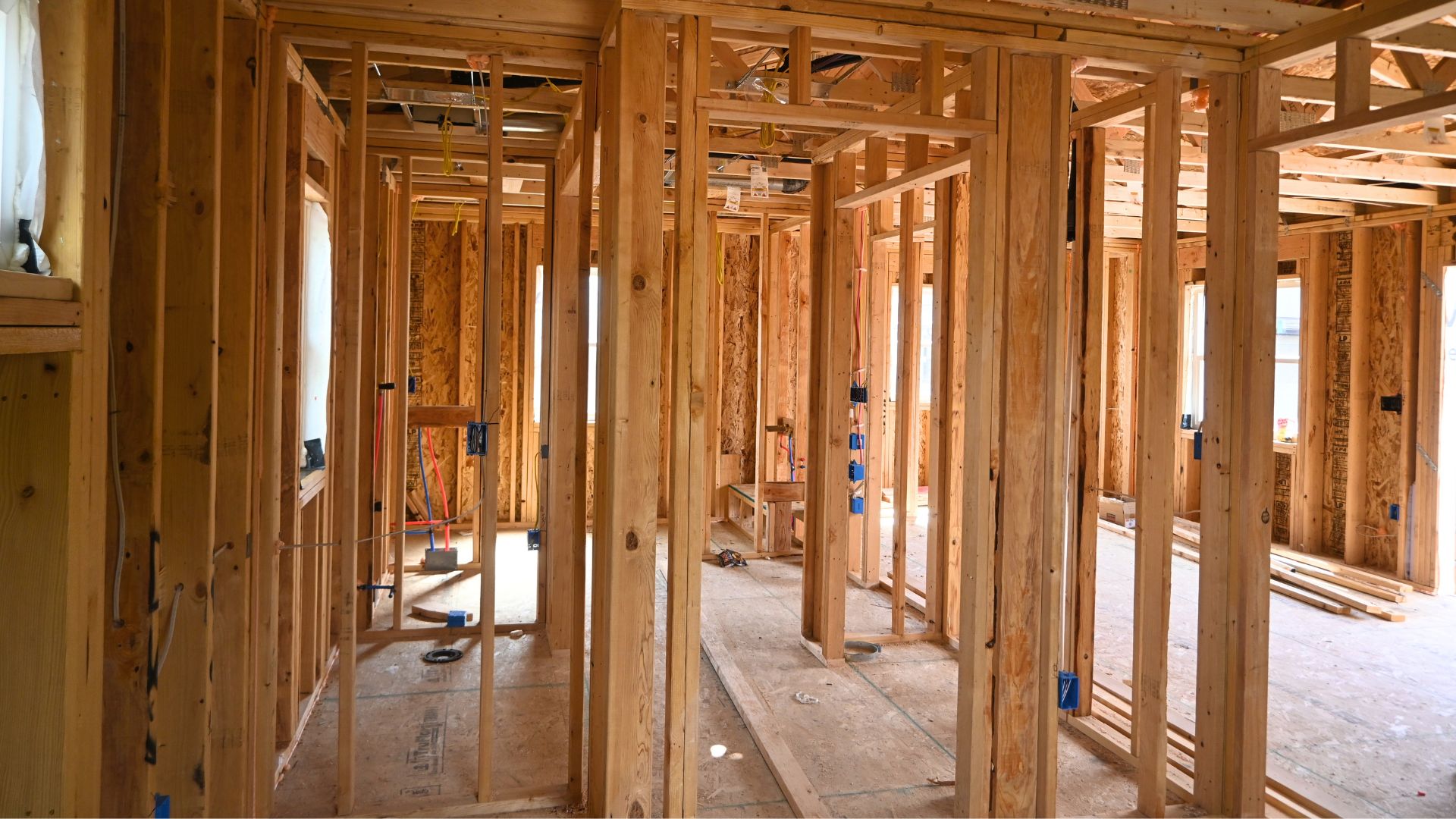
However, adding exposed beams is not purely aesthetic. It often involves structural modifications, ceiling adjustments, or engineered support systems. Without early planning, this feature can quickly become cost-prohibitive or structurally complex.
With a clear upfront process, homeowners can understand whether exposed beams are feasible in their home and how they impact the overall scope.
Exposed Brick: Texture That Impacts Budget and Scope
Exposed brick adds texture and authenticity, making it a popular choice for both modern and traditional homes. Whether used for accent walls or fireplaces, it introduces a level of depth that resonates strongly with today’s buyers .
However, achieving this look can vary widely in cost depending on whether existing brick can be uncovered or new materials must be installed. Structural integrity, insulation, and finishing details all play a role in determining feasibility.
Planning for these factors early ensures that the feature enhances the home without creating unexpected expenses.
Victorian and Historic Details: Design That Requires Precision
Architectural elements inspired by historic styles, such as Victorian design, are seeing renewed interest due to their distinct character and craftsmanship. Features like bay windows, intricate trim, and higher ceilings contribute to a sense of uniqueness that stands out in today’s market .
These details, however, require precise execution. They often involve custom materials, specialized labor, and careful integration into existing structures.
Without early alignment between design and construction, these features can extend timelines and increase costs beyond expectations.
Open Shelving: Simple Design With Functional Considerations
Open shelving has become a widely adopted feature due to its blend of functionality and visual appeal. It allows homeowners to create flexible storage while contributing to a more open, personalized kitchen or living space .
While simpler than structural features, open shelving still requires thoughtful planning. Load-bearing considerations, wall reinforcement, and layout integration all influence how well it performs over time.
Even smaller design elements benefit from being incorporated into a clear, buildable plan.
Treehouse-Inspired Spaces: Lifestyle Features With Complex Requirements
Treehouse-style designs and nature-integrated spaces are gaining attention for their uniqueness and experiential value. These features often include elevated structures, wood-heavy finishes, and seamless indoor-outdoor connections .
Although visually appealing, these designs come with significant considerations. Structural engineering, zoning regulations, and site-specific conditions all influence what is possible.
Without early feasibility analysis, these ideas can remain conceptual rather than achievable.
How Sustainable Design Build Turns These Ideas Into Reality
Incorporating high-demand features into a remodel requires more than inspiration. It requires a process that aligns design, cost, and feasibility from the start.
Sustainable Design Build addresses this through its Project Concept Service, which provides homeowners with clarity early in the process.
Within just a few weeks, clients receive:
- Buildable drawings tailored to their property
- A fixed project cost based on real construction conditions
- A defined timeline grounded in what can realistically be built
Unlike traditional design packages that can leave key questions unanswered, this approach ensures that every feature, whether structural or aesthetic, is evaluated within real-world constraints.
For homeowners exploring projects like ADU construction, additions, or full remodels, this level of clarity allows for more confident decision-making before construction begins.
What This Means for Homeowners
Design trends can inspire powerful transformations, but without proper planning, they can also introduce uncertainty. Aligning design intent with construction feasibility from the beginning creates a more predictable and efficient remodeling experience.
By understanding costs, timelines, and structural requirements upfront, homeowners can move forward with confidence, knowing that their vision is grounded in reality.
Key Takeaways
The most desirable home features in today’s market emphasize character, texture, and individuality. However, bringing these features to life requires more than design alone.
A process that integrates feasibility, budgeting, and planning early ensures that these ideas can be executed successfully. Sustainable Design Build’s Project Concept Service provides that clarity, helping homeowners transform inspiration into a well-defined, buildable project.
Connect With Us
Planning your next renovation, or maybe you are looking to do a complete remodel for your home? Whatever the task, it can’t hurt to ask. Reach out to our team through this form.
We can schedule a free consultation and discuss everything you need to get your project moving in the right direction. Did we mention, it’s absolutely free?