Wheat Ridge redevelopment transforms former hospital site into housing and retail, shaping Denver-area construction trends.
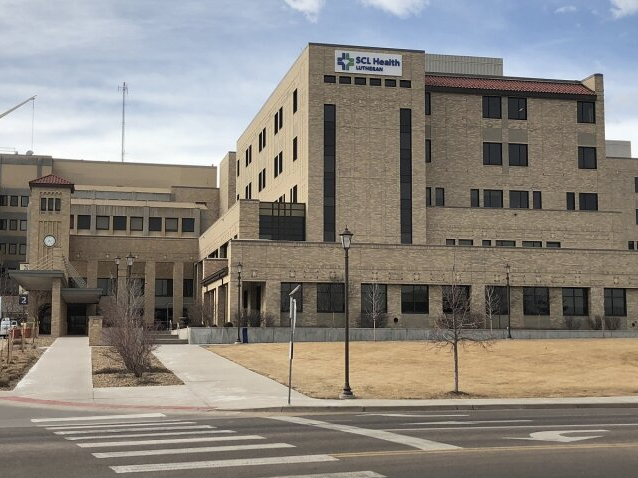
The former Lutheran Medical Center site in Wheat Ridge is being redeveloped into a large-scale mixed-use community with 1,500 housing units and retail space. This transformation reflects broader Denver-area demand for housing density, adaptive reuse, and master-planned community development.
What Is Happening at the Former Lutheran Medical Center Site?
The 89-acre former Lutheran Medical Center campus in Wheat Ridge is undergoing full-scale demolition and redevelopment led by E5x Management. The 385,000-square-foot hospital and surrounding structures are being cleared to make way for a mixed-use community that will include approximately 1,500 residential units, retail space, and potentially a new civic facility.
The site, located along 38th Avenue and bordered by 32nd Avenue, Dudley Street, and Allison Street, represents one of the most significant redevelopment opportunities in the Denver metro area.
Why This Project Matters for Denver-Area Construction Trends
This redevelopment aligns with broader housing and urban planning trends across the Front Range, including increased density and mixed-use integration. According to the U.S. Department of Housing and Urban Development, growing metropolitan areas are prioritizing higher-density housing solutions to address supply shortages and affordability pressures.
The project reflects three key trends shaping Denver home renovation and construction:
- Transition from single-use institutional land to mixed-use communities
- Emphasis on walkable neighborhoods with integrated retail
- Strategic land reuse rather than outward urban sprawl
How the Site Will Be Designed
The development will follow a transitional density model. Lower-density housing will be placed along the outer edges of the property, gradually increasing to multi-family apartment buildings toward the center. This approach mirrors best practices in master-planned communities, balancing neighborhood scale with urban density.
E5x Management, known for similar developments in Parker and Erie, is maintaining alignment with previously approved community plans, ensuring continuity with public expectations.
What This Means for Homeowners
For homeowners and prospective buyers in the Denver metro area, this project signals continued growth in thoughtfully planned residential communities.
This type of redevelopment often leads to:
- Increased property values in surrounding neighborhoods
- Expanded access to nearby retail and amenities
- More diverse housing options, including multi-family and attached homes
It also reinforces the importance of working with experienced professionals in Denver home renovation and construction, as evolving zoning and density trends influence both new builds and remodel opportunities.
Preservation and Adaptive Reuse Elements
While most of the site is being demolished, three historic structures will remain: a chapel, an early 1900s residence, and a former tuberculosis treatment tent. These elements will be incorporated into future retail or amenity spaces, reflecting a growing emphasis on adaptive reuse.
Preserving historic structures within new developments can enhance community identity and long-term property value.
Key Takeaways
The Wheat Ridge redevelopment project highlights a major shift in how large institutional sites are being repurposed across the Denver region. With a focus on housing density, mixed-use design, and community integration, the project reflects both current market demand and future urban development patterns.
Pros and Cons of Large-Scale Redevelopment Projects
Pros:
- Expands housing availability in high-demand areas
- Activates underutilized land
- Supports local economic growth through retail integration
Cons:
- Potential construction disruption during multi-year build timelines
- Increased traffic and infrastructure demands
- Shifts in neighborhood character over time
The Bigger Picture for Residential Construction
Projects like this reinforce the importance of adaptable design strategies in residential construction. As land becomes more limited, redevelopment and infill projects will continue to shape the future of housing in the Denver area. For builders, developers, and homeowners, staying aligned with these trends is essential for long-term value and functionality in both new construction and remodeling projects.
Connect With Us
Planning your next renovation, or maybe you are looking to do a complete remodel for your home? Whatever the task, it can’t hurt to ask. Reach out to our team through this form.
We can schedule a free consultation and discuss everything you need to get your project moving in the right direction. Did we mention, it’s absolutely free?