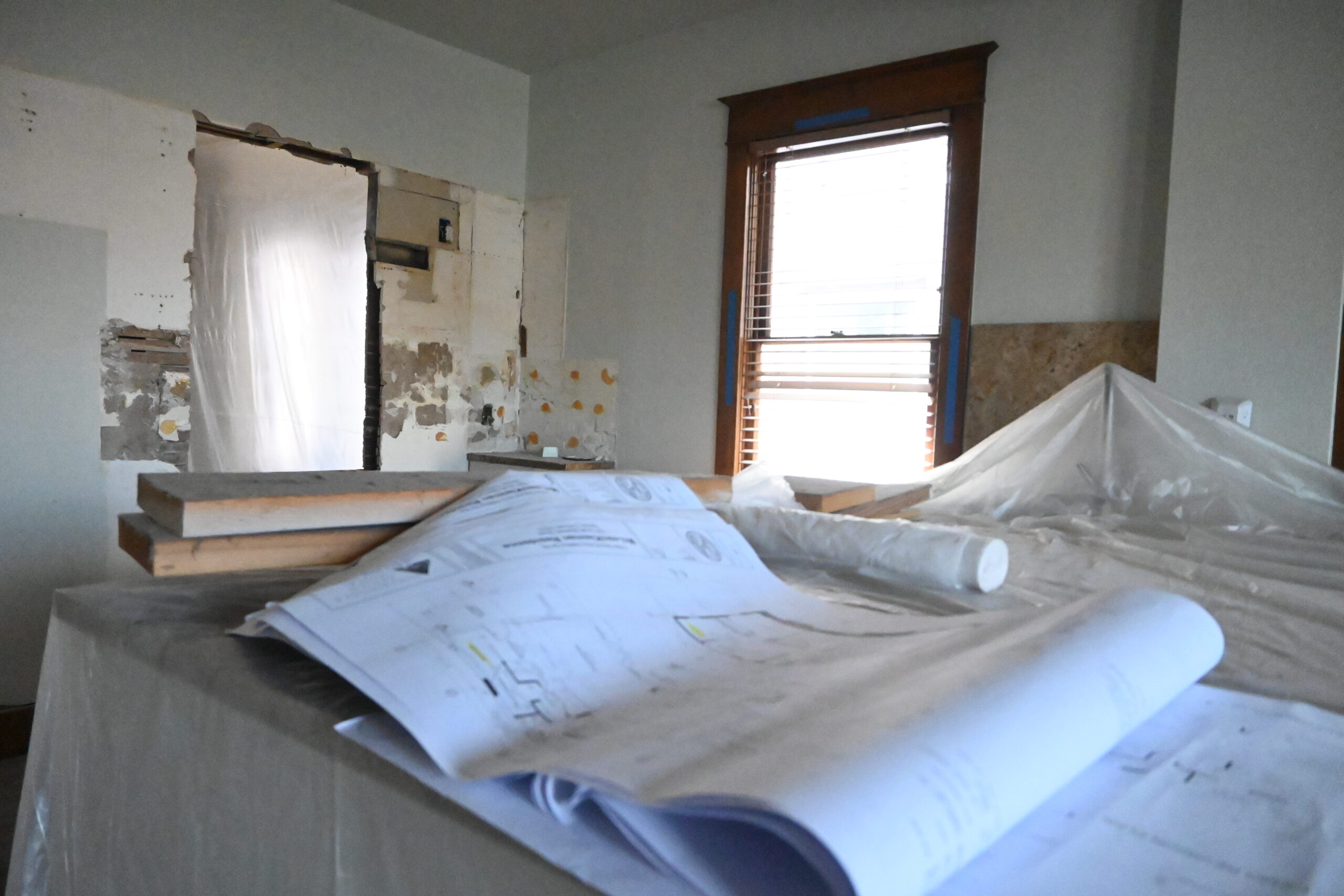
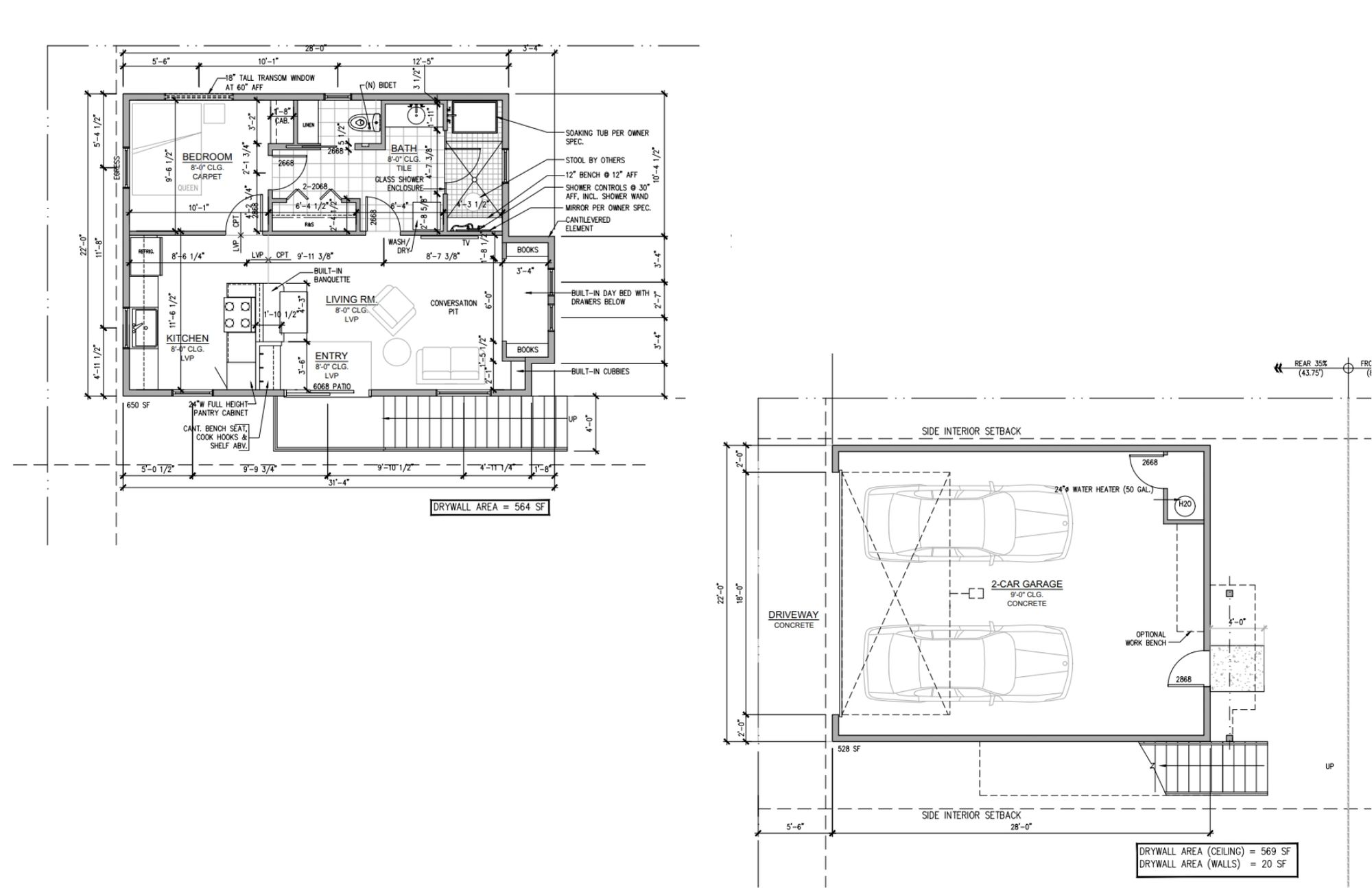
Plans of a home remodeling project with Sustainable Design Build.
Value engineering in residential construction is the process of improving a project’s design, materials, and methods to increase value without sacrificing quality. It helps homeowners balance cost, performance, and long-term durability. In Denver and similar markets, it plays a critical role in making construction projects more efficient and financially sustainable.
What Is Value Engineering in Residential Construction and Why Does It Matter?
Value engineering is a structured process that evaluates every phase of a construction project to identify ways to improve efficiency, functionality, and overall value. Rather than simply cutting costs, it focuses on refining design decisions, construction methods, and material selections to achieve better outcomes.
According to insights from , this process involves reviewing the full lifecycle of a project, including planning, design, purchasing, construction, and final delivery.
This matters because it directly affects how well a home performs over time, how efficiently it is built, and how effectively a budget is used.
Why Is Value Engineering Becoming More Important Now?
The growing importance of value engineering is driven by several factors, including rising material costs, labor shortages, and increased homeowner expectations.
Today’s homeowners are more informed and design-aware than ever. With access to platforms like Houzz and Pinterest, expectations for both aesthetics and functionality have increased. At the same time, budget constraints remain a key consideration.
This combination creates a need for a more strategic approach, where design and construction decisions are carefully evaluated to deliver both performance and visual appeal without unnecessary expense.
What This Means for Homeowners
Value engineering directly impacts how a project is planned, designed, and executed.
For homeowners, it means:
- Better alignment between budget and design goals
- More efficient use of materials and labor
- Fewer costly changes during construction
- Improved long-term performance and durability
Instead of reacting to cost overruns mid-project, value engineering allows decisions to be made proactively, creating a more predictable and controlled building process.
What Are the Main Benefits of Value Engineering?
The primary advantages of value engineering include improved efficiency, stronger cost control, and better overall project outcomes.
When applied correctly, it can:
- Reduce unnecessary construction complexity
- Minimize material waste
- Improve buildability and construction timelines
- Maintain or enhance design quality
In many cases, these improvements lead to cost savings, but the larger benefit is achieving a more balanced and well-executed project.
What Are the Main Challenges or Drawbacks?
While value engineering offers significant benefits, it can also present challenges if not approached correctly.
Common concerns include:
- Misinterpreting value engineering as simple cost-cutting
- Reducing quality instead of improving efficiency
- Lack of collaboration between design and construction teams
- Overlooking long-term performance in favor of short-term savings
Without a clear strategy and team alignment, value engineering can lead to decisions that compromise the integrity of the project.
Pros and Cons
The strongest advantage of value engineering is its ability to improve project efficiency while maintaining design quality. It creates opportunities to refine construction methods, reduce waste, and align costs with project goals.
The primary drawback is the risk of misapplication. If treated as a cost-cutting exercise rather than a value-driven process, it can lead to reduced quality and missed opportunities for long-term performance.
What Should Homeowners Consider Before Applying Value Engineering?
Before incorporating value engineering into a project, homeowners should evaluate several key factors.
These include:
- Project priorities, such as budget versus design flexibility
- The experience and collaboration of the project team
- Material availability and long-term performance
- Local zoning and design constraints
A successful value engineering process depends on clear goals and open communication between architects, builders, and subcontractors. Through traditional construction methods, there can be gaps and misunderstandings between disciplines. Architects can specify high-end materials or implement designs that are costly when cheaper solutions are just as effective. Or general contractors fail to account for certain conditions on site which leads to increased cost or surprises.
Design-Build firms like Sustainable Design Build bring confidence into every project so homeowners can be assured that they are getting the highest quality of service and oversight for their home remodeling project. While other methods might be cheaper upfront, the quality and execution of the project might lead to more costs at the end. Sustainable Design Build along with other design builds aim for one thing, accuracy. Value Engineering is not just a tool for saving money, it is a method designed to bring clarity.
How Does Value Engineering Apply to Denver Remodeling and Construction Projects?
In Denver, value engineering is especially relevant due to rising home values, evolving zoning regulations, and increasing demand for high-quality renovations and additions.
For projects like home additions or accessory dwelling units, working with a team that understands both design and construction is critical. Exploring services such as ADU construction in Denver highlights how thoughtful planning and efficient design can create flexible, high-performing living spaces.
Local conditions, including permitting requirements and neighborhood guidelines, make early-stage planning and evaluation even more important.
Key Takeaways
Value engineering is not about building cheaper homes, it is about building smarter ones. For homeowners, the biggest advantage is improved alignment between budget, design, and long-term performance. The most successful projects use value engineering early in the process to guide decisions rather than react to problems later.
Conclusion: A Smarter Approach to Building and Remodeling
Value engineering offers a more strategic way to approach residential construction. By focusing on efficiency, collaboration, and thoughtful decision-making, homeowners can achieve better results without unnecessary costs or compromises.
In markets like Denver, where expectations and costs are both high, this approach is becoming an essential part of successful project planning.
Connect With Us
Planning your next renovation, or maybe you are looking to do a complete remodel for your home? Whatever the task, it can’t hurt to ask. Reach out to our team through this form.
We can schedule a free consultation and discuss everything you need to get your project moving in the right direction. Did we mention, it’s absolutely free?