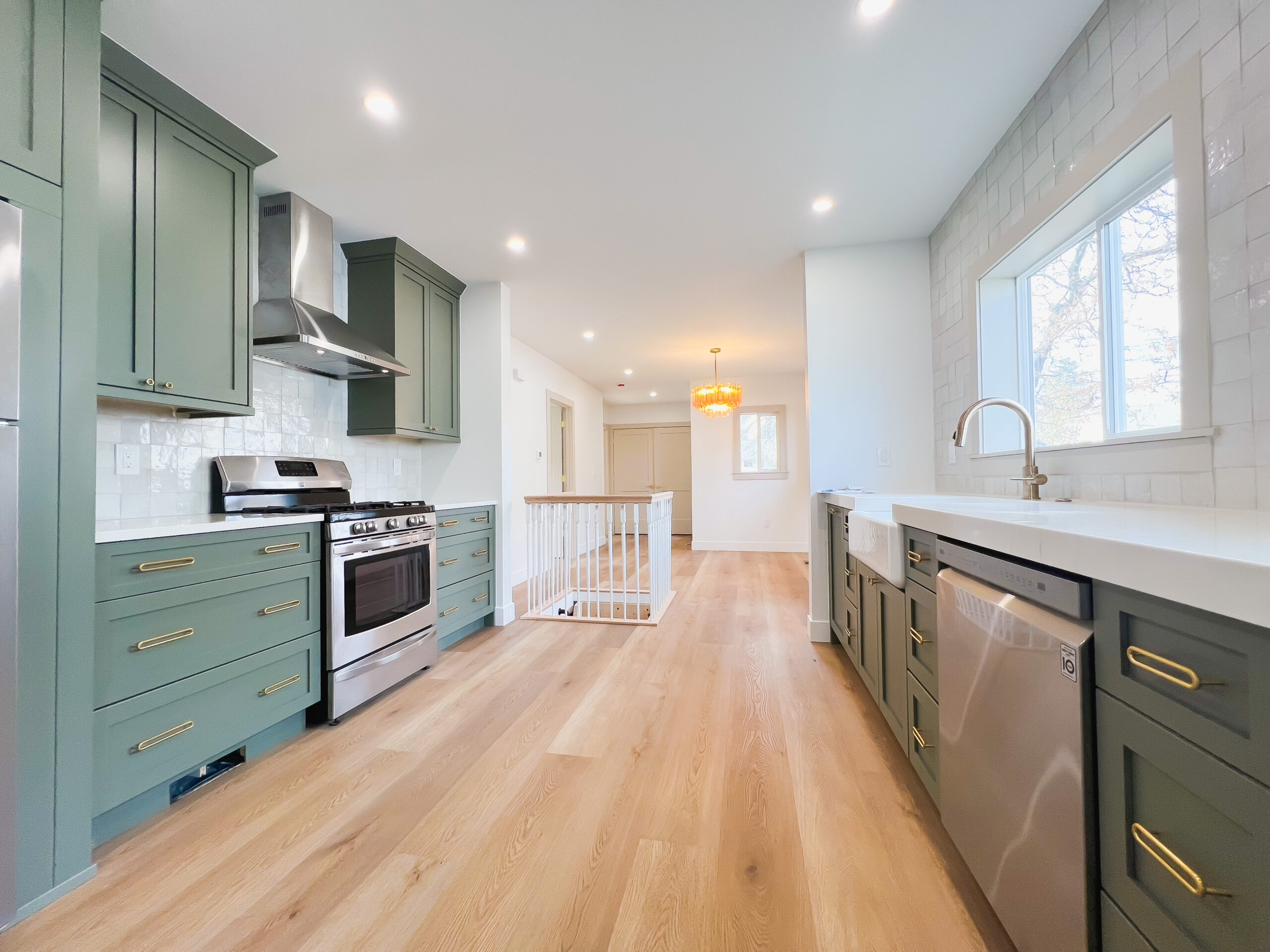
ADU Design can vary from space to space but utlimately relies on what the homeowner is needing for function.
ADU design in Denver combines efficient layouts, thoughtful interior design, and long-term planning to create flexible living spaces. A well-designed ADU maximizes small square footage while improving property value and usability.
Why ADU Design Matters More Than Size
When homeowners begin planning an ADU in Denver, the focus often starts with square footage and cost. However, the success of an ADU is determined far more by design than by size alone.
A 600-square-foot unit can feel open, functional, and comfortable, or cramped and inefficient, depending entirely on how it is designed. This is why ADU projects require a thoughtful approach that integrates layout, interior design, and long-term usability from the very beginning.
According to the U.S. Department of Housing and Urban Development’s research on accessory dwelling units, well-designed ADUs play a critical role in improving housing flexibility while maintaining livability in compact spaces.
Layout Planning: The Foundation of ADU Design
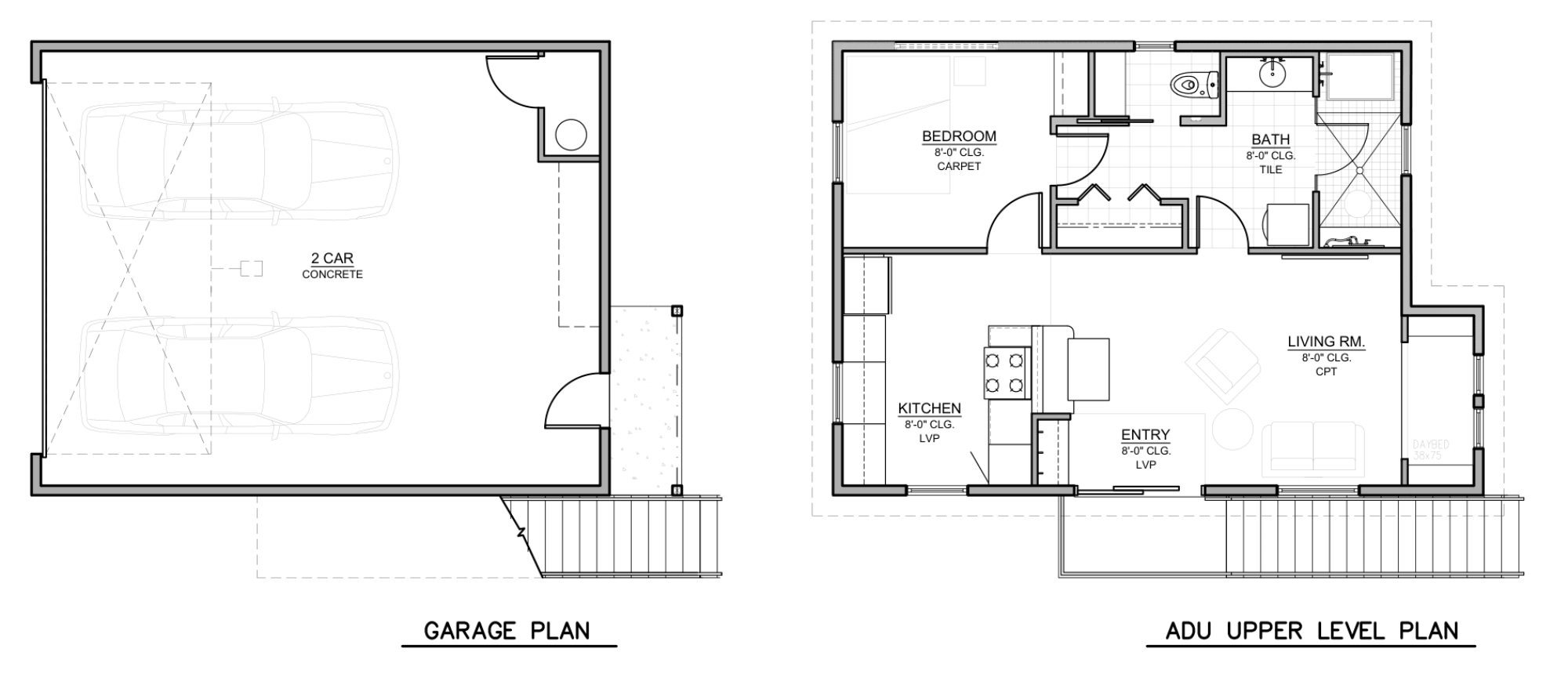
The layout is the most important decision in any ADU project. Because space is limited, every square foot must serve a purpose.
Open-concept layouts are commonly used in ADUs to allow the kitchen, living, and dining areas to function as a single continuous space. This approach improves flow and allows natural light to travel throughout the unit.
Efficient circulation is also key. Minimizing hallways and unused transitional space ensures that more of the square footage is dedicated to living areas.
Homeowners exploring ADU construction in Denver should begin with layout planning to ensure the design supports both current and future use.
Interior Design: Making Small Spaces Feel Larger
Interior design plays a major role in how an ADU feels. Strategic design choices can significantly expand the perception of space.
Natural light is one of the most effective tools. Larger windows, glass doors, and open sightlines help create a sense of openness. Research from Houzz on small space design highlights how light and layout work together to make compact interiors feel larger.
Material consistency is equally important. Using continuous flooring and a cohesive color palette reduces visual breaks and enhances flow.
Multi-functional elements, such as built-in storage and flexible furniture, also improve usability without adding clutter.
Designing for Multi-Generational Living
Many Denver homeowners build ADUs to support multi-generational living. In these cases, design should prioritize both connection and independence.
Separate entrances, sound separation, and clear spatial boundaries help maintain privacy while keeping family members close.
According to Pew Research on multi-generational households, this type of living arrangement continues to grow, making ADUs a practical long-term solution.
Designing for Rental Income
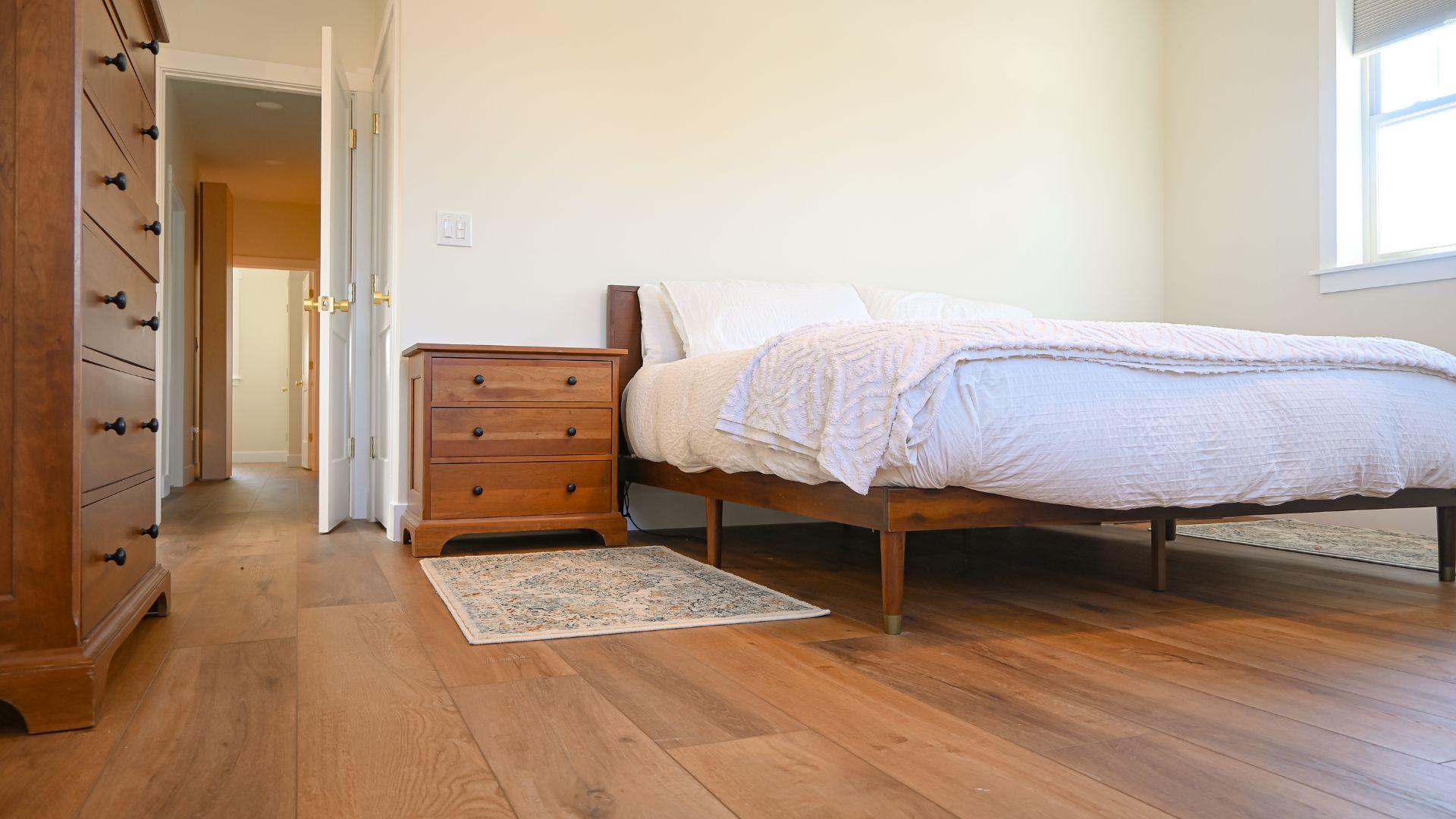
If the ADU may be used as a rental, design decisions should support durability and broad appeal.
Neutral finishes, efficient layouts, and long-lasting materials help attract tenants while minimizing maintenance. As noted in Forbes Home’s ADU guide, functional design directly impacts rental performance and long-term return.
Accessibility and Aging-in-Place Design
ADUs are often designed with long-term use in mind. Accessibility features can improve comfort and usability for a wide range of occupants.
Zero-step entry, wider doorways, and walk-in showers are common design elements that support aging in place. Guidance from the National Institute on Aging emphasizes the importance of these features for safety and independence.
Balancing ADU Denver Cost with Design Quality
Design decisions directly impact cost. However, reducing cost at the expense of functionality can limit the long-term value of the ADU.
A well-designed unit can serve multiple purposes over time, making it a more effective investment. Aligning design with budget early in the process helps ensure the final result meets both financial and functional goals.
Why the Design-Build Approach Works Best for ADUs
ADU projects require coordination between design, permitting, and construction. A design-build approach simplifies this process by bringing everything under one team.
This allows for better alignment between layout, budget, and construction feasibility. It also reduces miscommunication and helps streamline the project timeline.
Sustainable Design Build works with homeowners to ensure that ADU design is not only visually appealing but also practical, buildable, and aligned with long-term goals.
Design First, Build Smarter
ADU design is what ultimately determines the success of the project. A thoughtful approach to layout, interior design, and long-term planning ensures that the space remains functional, comfortable, and valuable over time.
For Denver homeowners, investing in good design is one of the most important steps in building an ADU that truly works.
Connect With Us
Planning your next renovation, or maybe you are looking to do a complete remodel for your home? Whatever the task, it can’t hurt to ask. Reach out to our team through this form.
We can schedule a free consultation and discuss everything you need to get your project moving in the right direction. Did we mention, it’s absolutely free?