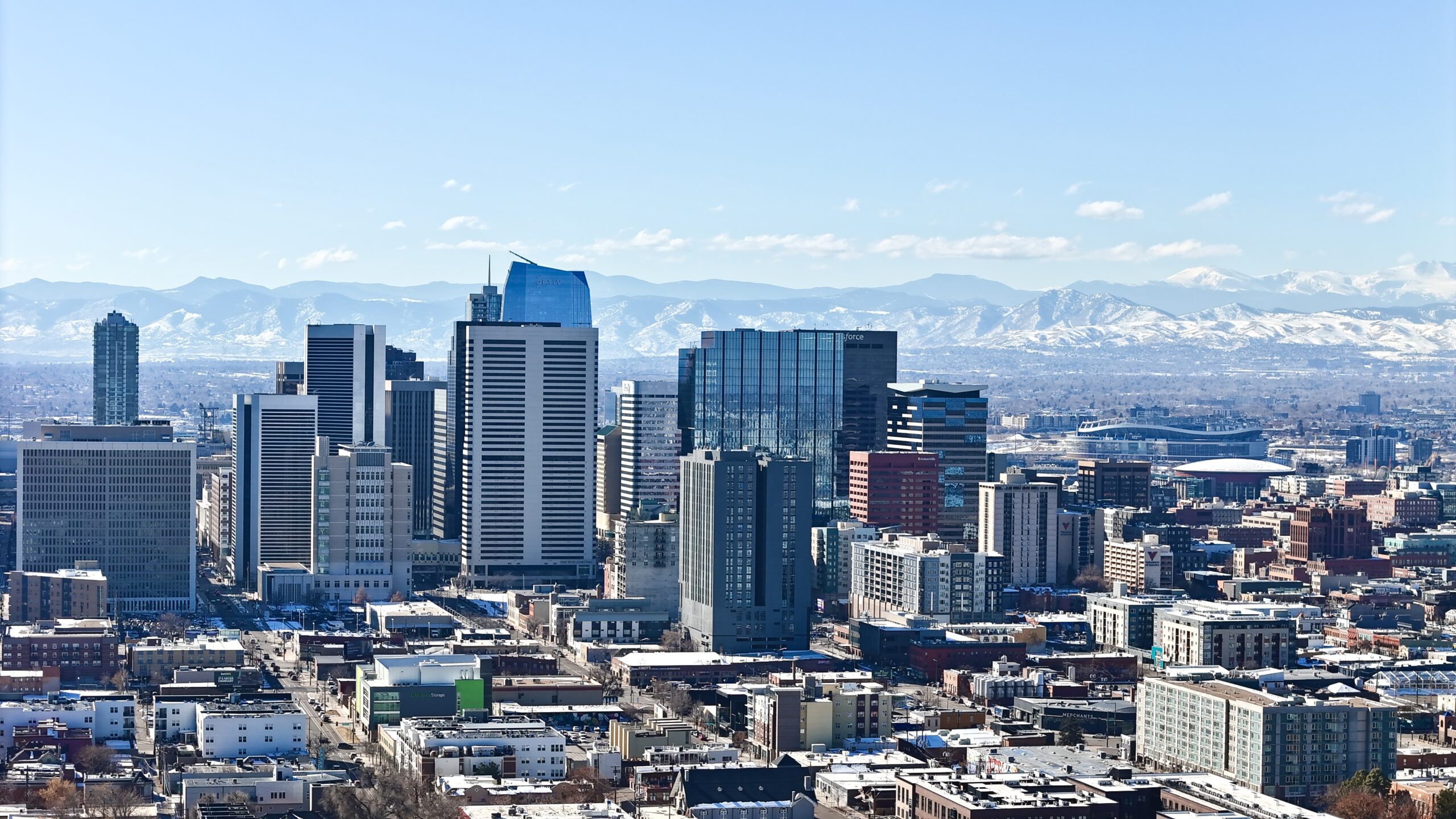
Rockies ownership investment could reshape Denver neighborhoods, driving growth, property value increases, and home renovation demand.
The Colorado Rockies’ new ownership investment signals more than a shift in baseball operations. It has the potential to drive long-term growth in surrounding Denver neighborhoods, increasing property values, development activity, and demand for residential upgrades. As areas near Coors Field evolve, homeowners may see new opportunities to remodel, expand, or rebuild to match rising market expectations.
How Will the Rockies’ Ownership Change Impact Denver Neighborhoods?
The Colorado Rockies’ decision to sell a 40% stake to the Penner Sports Group represents a major financial and strategic shift for the franchise. With an investment of roughly $672 million, the move introduces new capital, leadership experience, and long-term vision into an organization that has struggled to remain competitive in recent years.
While much of the conversation centers on baseball performance, the broader implications extend well beyond Coors Field. In cities across the United States, professional sports investments often serve as catalysts for neighborhood growth, economic development, and increased residential demand.
Why Do Sports Investments Influence Neighborhood Growth?
Major sports franchises act as economic anchors within urban environments. When ownership groups invest heavily in infrastructure, branding, and long-term success, surrounding areas tend to benefit from increased activity and visibility.
According to the Brookings Institution, stadium districts can stimulate localized development, particularly when paired with private investment and improved team performance. Increased attendance and visitor traffic often lead to growth in nearby restaurants, retail, and housing demand.
In Denver, Coors Field already serves as a destination, but sustained team success and ownership investment could amplify its impact. As more people are drawn to the area, the surrounding neighborhoods may experience increased redevelopment, higher property values, and stronger long-term demand.
What This Means for Homeowners Near Coors Field
As investment flows into a district, residential properties often follow a predictable pattern of change. Older homes may be renovated, expanded, or replaced to align with rising expectations and property values.
Data from the Urban Land Institute shows that areas near revitalized stadiums frequently experience increased interest in housing improvements, particularly in walkable, centrally located neighborhoods.
For Denver homeowners, this can translate into:
- Increased home values over time
- Greater incentive to invest in renovations
- More demand for modernized living spaces
- Opportunities to expand or reconfigure existing homes
These shifts are especially relevant in neighborhoods surrounding downtown, where land is limited and redevelopment often happens through strategic remodeling rather than new large-scale subdivisions.
How Neighborhood Evolution Drives Remodeling Demand
As neighborhoods evolve, homes that once met market expectations can quickly feel outdated. Layouts, finishes, and overall functionality may no longer align with what buyers or homeowners want in a growing urban environment.
This is where design-build construction plays a critical role. Instead of relocating, many homeowners choose to adapt their existing property through additions, pop tops, or full interior transformations. These projects allow homeowners to remain in desirable locations while updating their space to match the trajectory of the neighborhood.
According to the National Association of Home Builders, remodeling activity tends to rise in areas experiencing economic growth, as homeowners invest in improving their properties rather than moving.
What This Means for Homeowners
The Rockies’ ownership change is part of a larger pattern of investment that can influence how entire neighborhoods grow and develop over time. For homeowners, this creates both opportunity and decision points.
Staying ahead of neighborhood changes often means evaluating whether a home still aligns with future expectations. In many cases, strategic remodeling can significantly increase both functionality and long-term value.
How Sustainable Design Build Fits Into This Growth
As Denver neighborhoods continue to evolve, companies like Sustainable Design Build play a key role in helping homeowners adapt to changing conditions.
Through services such as home additions, ADU construction, and whole home remodels, design-build teams provide a way to reimagine existing properties without leaving established neighborhoods. This approach allows homeowners to respond to rising demand and shifting market conditions with thoughtful, well-executed improvements.
Rather than viewing neighborhood change as a reason to move, many homeowners are choosing to invest in their current homes, creating spaces that better reflect both their needs and the future of the surrounding area.
Key Takeaways
- The Rockies’ new ownership investment introduces significant capital and long-term vision
- Stronger franchises often drive increased activity in surrounding neighborhoods
- Areas near Coors Field may see rising property values and redevelopment interest
- Homeowners can benefit by investing in renovations, additions, or redesigns
- Design-build solutions offer a practical way to stay in evolving neighborhoods while improving livability
Connect With Us
Planning your next renovation, or maybe you are looking to do a complete remodel for your home? Whatever the task, it can’t hurt to ask. Reach out to our team through this form.
We can schedule a free consultation and discuss everything you need to get your project moving in the right direction. Did we mention, it’s absolutely free?