A Denver pop top project in 2026 typically takes 10 to 18 months from concept to completion, with permitting now the most unpredictable phase. New AI-driven systems and a 180-day review mandate aim to reduce delays, but homeowners should still plan for variability.
How Long Does a Denver Pop Top Take in 2026?
A realistic timeline today is:
- 3 to 6 months: design and planning
- 3 to 8+ months: permitting and approvals
- 6 to 10 months: construction
Total: 10 to 18+ months
The biggest shift compared to previous years is clear: permitting now dictates the timeline more than construction.
Why Permitting Is the Bottleneck Right Now
Denver’s permitting system has been under pressure for years, but 2026 marks a turning point.
The city recently approved a $4.6 million contract for an AI-powered platform (CivCheck) designed to streamline application intake and plan review (Denver Gazette)
This system aims to:
- Flag missing information before submission
- Improve first-round approval rates (currently around 37%) (Denver Gazette)
- Reduce back-and-forth revisions
At the same time, Denver has implemented a 180-day “shot clock”, committing to review permits within that timeframe or potentially issue refunds (Denver Gazette)
What this means for homeowners
- The city is actively trying to speed things up
- But the system is still in transition
- Timelines may improve, but not immediately
In short: permitting is evolving, not solved.
Phase 1: Pre-Design and Feasibility (1 to 2 Months)
This is where the project either gains momentum or gets delayed early.
Key steps:
- Site evaluation and zoning review
- Structural feasibility for a second story
- Budget alignment
In older Denver neighborhoods, hidden structural conditions can extend this phase. Early collaboration between builder and designer is critical to avoid redesign later.
Phase 2: Design and Architectural Planning (2 to 4 Months)
This phase includes:
- Floor plan development
- Exterior design integration
- Engineering coordination
For pop tops, design complexity is higher than standard remodels because:
- Structural loads must be recalculated
- Existing systems often need reconfiguration
- Neighborhood character may influence design approvals
What this means for homeowners
The more complete and coordinated the design, the smoother the permitting phase will be. This matters more now than ever.
Phase 3: Permitting and City Review (3 to 8+ Months)
This is the most variable phase in 2026.
What happens during permitting:
- Plan submission to Denver’s permitting office
- Multi-department review (zoning, structural, fire, etc.)
- Revision cycles based on feedback
Even with new technology, delays often come from incomplete or inconsistent submissions, which is exactly what the new AI system is trying to fix (Valley City Times-Record)
The role of AI (CivCheck)
The new system acts as:
- A “smart checklist” for applications
- A pre-review filter to catch errors early
- A tool to reduce repeated resubmittals (Denver 7 Colorado News (KMGH))
However:
- It is being rolled out gradually
- Human reviewers still make final decisions
- Some officials have raised concerns about accuracy and complexity handling (Denver Gazette)
What this means for homeowners
- Best-case timelines may improve
- Worst-case timelines still exist
- Quality of submission will matter more than ever
Phase 4: Pre-Construction and Mobilization (1 to 2 Months)
Once permits are approved:
- Final pricing and contracts are completed
- Materials are ordered
- Construction schedule is locked
This phase is often underestimated but critical for avoiding delays during the build.
Phase 5: Construction (6 to 10 Months)
Typical pop top construction includes:
- Structural reinforcement of the existing home
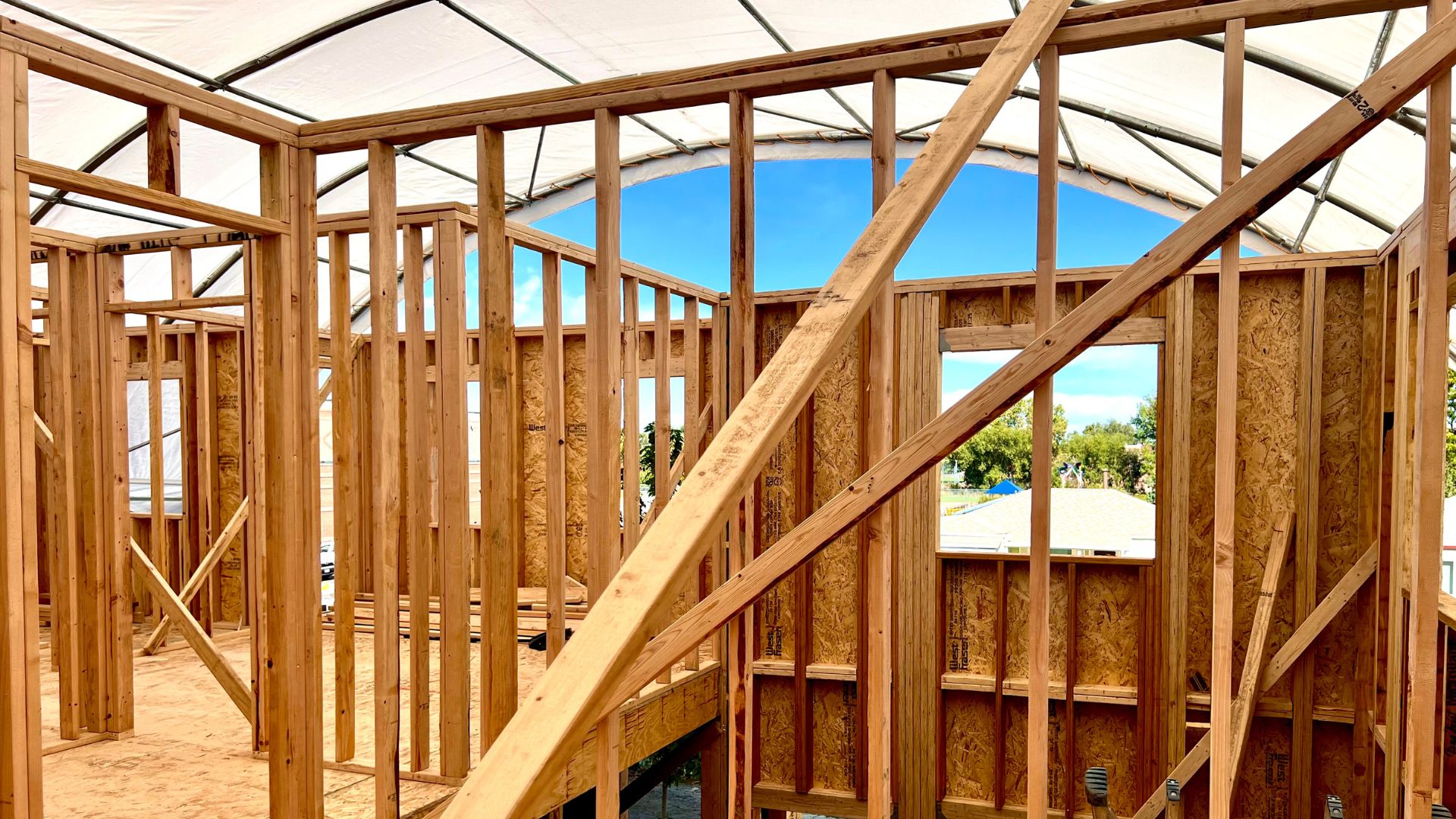
- Framing of the new second story
- Mechanical, electrical, and plumbing updates
- Interior and exterior finishes
Most homeowners will need to relocate temporarily during structural phases.
Where Timelines Are Improving (and Where They’re Not)
Key Takeaways
- The city is investing heavily in faster permitting systems
- AI tools are expected to reduce early-stage errors
- A 180-day review target adds accountability
However:
- Implementation is still in progress
- Backlogs and staffing limitations still exist
- Complex projects will continue to take longer
Even with improvements, timeline certainty has not fully caught up with policy changes.
Pros and Cons of Building in Today’s Permitting Environment
Pros
- New systems may reduce delays over time
- More transparency in the process
- Potential for faster approvals with strong submissions
Cons
- Transition period creates unpredictability
- Technology adoption may introduce new learning curves
- Not all projects benefit equally from automation
How to Stay on Schedule in 2026
What this means for homeowners
The most effective way to control your timeline is not by waiting on the city, it is by controlling what you can.
Projects move faster when:
- Plans are complete and coordinated before submission
- Builders understand Denver-specific permitting pathways
- Communication between design and construction teams is tight
The new reality is simple:
better preparation = faster approvals
The Bottom Line: Expect Progress, Plan for Flexibility
Denver is clearly investing in fixing its permitting system. The introduction of AI tools, stricter timelines, and increased oversight signals real change.
But in 2026, the system is still mid-transition.
For homeowners planning a pop top:
- Expect improvements
- Plan for delays
- Prioritize preparation
Because right now, the difference between a 10-month project and an 18-month project often comes down to one thing:
how smoothly you get through permitting.
Connect With Us
Planning your next renovation, or maybe you are looking to do a complete remodel for your home? Whatever the task, it can’t hurt to ask. Reach out to our team through this form.
We can schedule a free consultation and discuss everything you need to get your project moving in the right direction. Did we mention, it’s absolutely free?