Explore ADU interior design tips in Denver that improve space, comfort, and long-term property value with smart planning.
Interior design for ADUs focuses on making compact spaces feel functional, open, and comfortable. In Denver, successful ADU interiors balance layout efficiency, natural light, and durable materials that support daily living and long-term value. The best designs prioritize how the space is actually used while aligning with site conditions and the overall home design.
Designing an ADU interior involves more than selecting finishes or furniture. Homeowners need to balance functionality, comfort, durability, and how the space will be used over time. In Denver, those decisions are often shaped by lot size, natural light conditions, and how the ADU connects to the primary residence.
This guide explains practical interior design strategies that consistently perform well in ADUs, along with key considerations that help avoid common planning mistakes and improve long-term livability within a well-planned ADU construction project.
What Interior Design for ADUs Means
Interior design for ADUs is the process of planning layouts, finishes, and functional elements to make smaller living spaces feel comfortable, efficient, and visually open. Because ADUs typically range from a few hundred to around 1,200 square feet, every design decision directly affects how the space performs day to day.
In practice, this means prioritizing layout efficiency, natural light, storage integration, and material choices that support long-term use, especially when applying proven small space design strategies.
Why ADU Interior Design Matters
A well-designed ADU can feel significantly larger than its square footage suggests, while a poorly planned one can feel cramped even if it meets all code requirements.
Interior design impacts how the space functions daily, how flexible it is for different uses, and how it performs over time. Thoughtful planning aligns with principles outlined in energy-efficient home design, where layout and lighting directly influence comfort and usability.
For homeowners considering a home addition in Denver, these same design principles apply at every scale.
Key Interior Design Tips for ADUs
Prioritize Layout Before Finishes
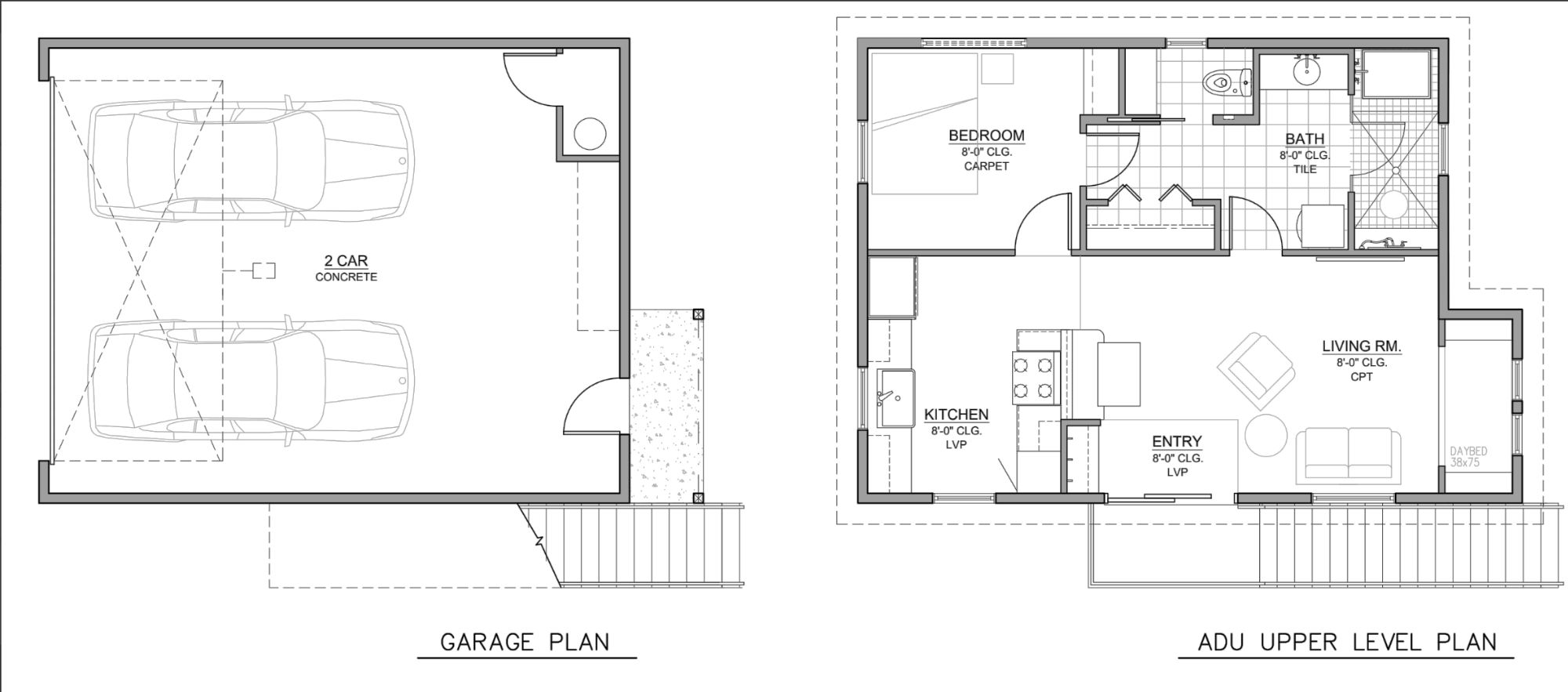
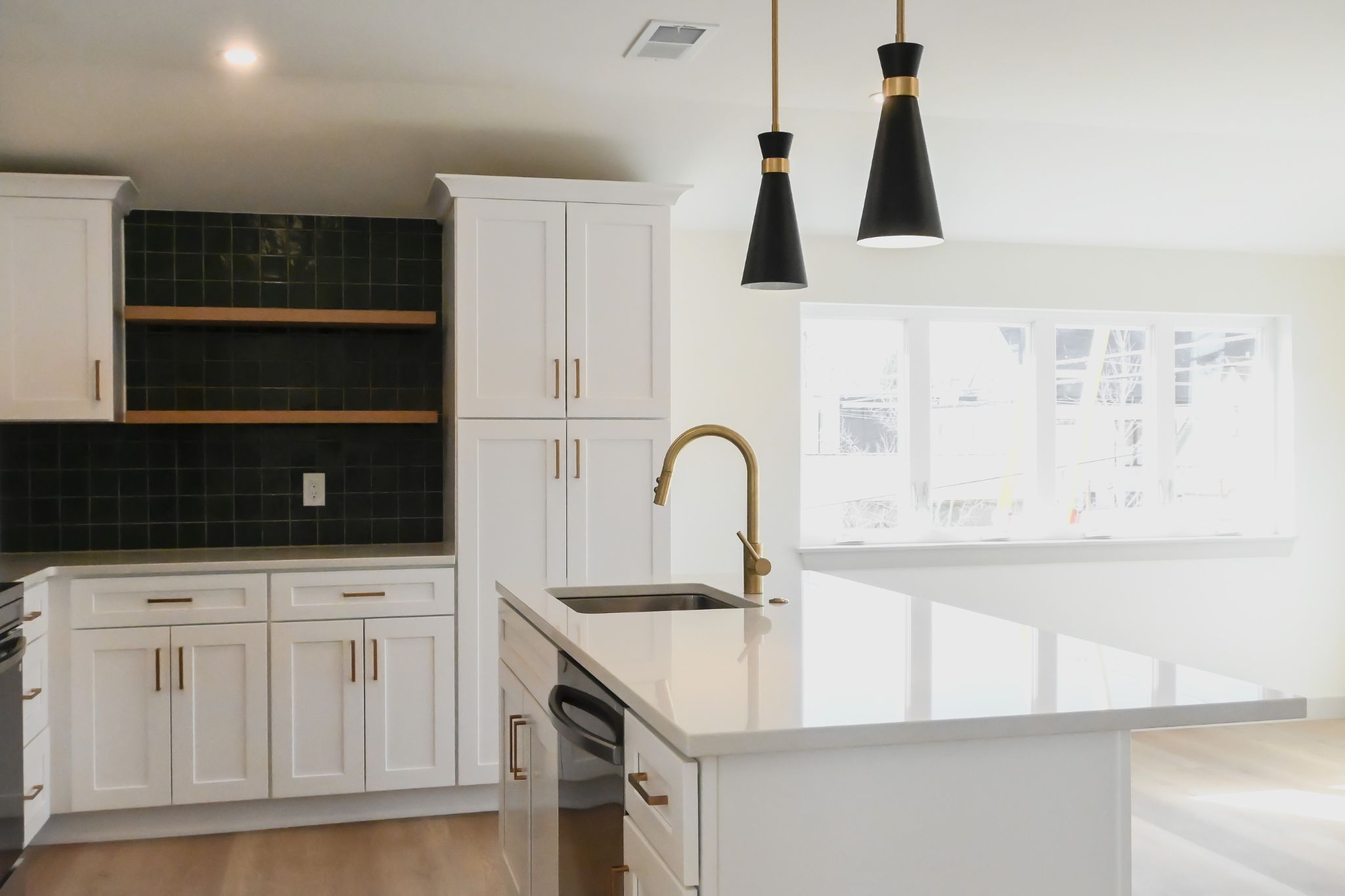
The layout is the foundation of a successful ADU interior. Open-concept designs often work well because they reduce visual barriers and improve flow, but they must be carefully planned to avoid wasted space.
This approach is consistent with design-build project planning principles, where function leads design.
Maximize Natural Light
Natural light is one of the most effective ways to make a small space feel larger. Larger windows, glass doors, and unobstructed sightlines help create openness.
In Denver, applying techniques from natural light interior design can significantly enhance livability.
Use Consistent Materials to Create Visual Flow
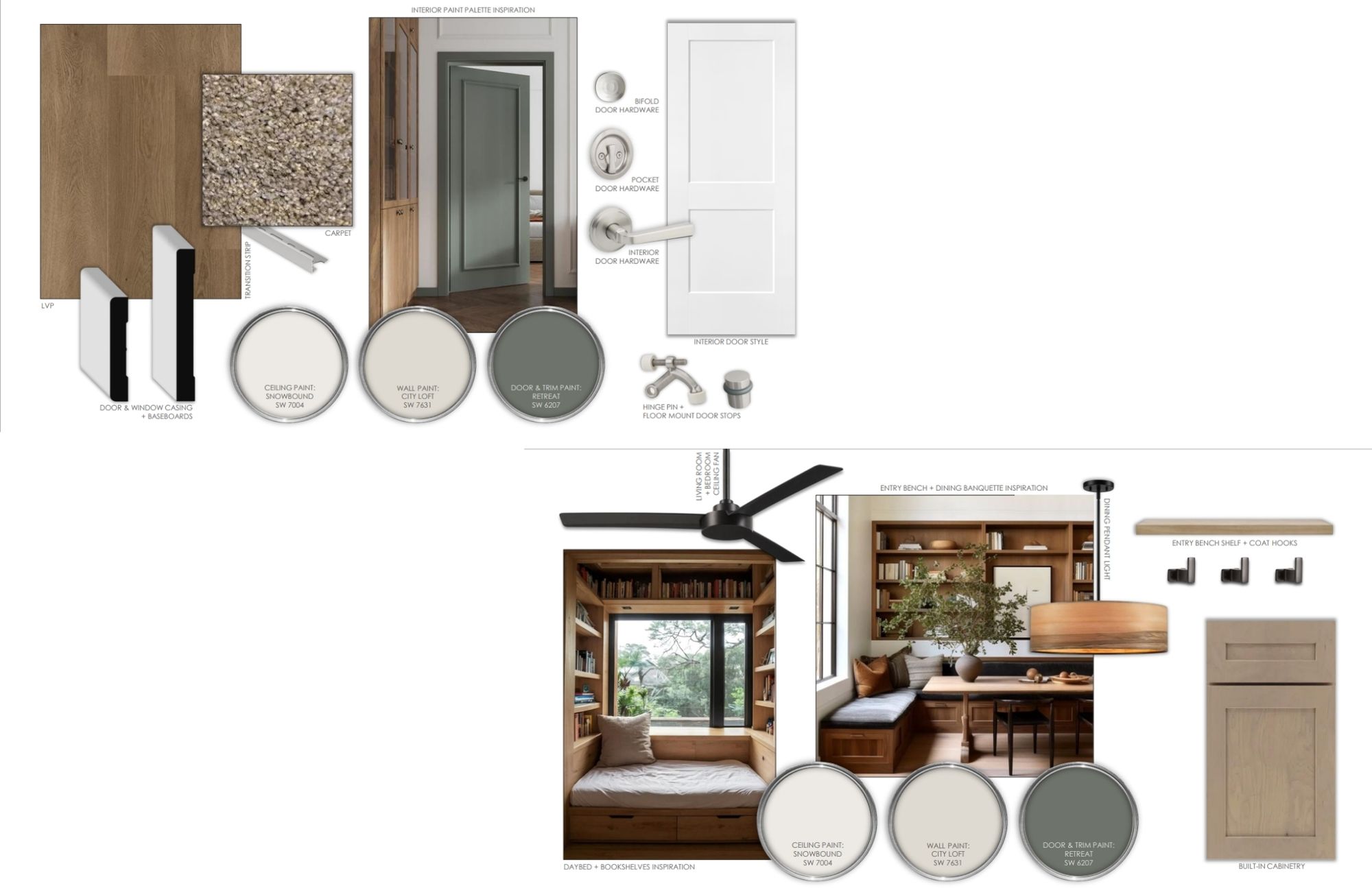
Using consistent flooring, cabinetry tones, and finishes throughout the ADU helps reduce visual fragmentation and makes the space feel larger.
This is a core principle in open-concept home design, where continuity improves spatial perception.
Integrate Storage Into the Design
Storage should be built into the design rather than added later. Vertical cabinetry and built-ins improve usability without taking up additional space.
Many small space storage ideas emphasize vertical integration as a key strategy.
Choose Materials That Support Daily Use
ADUs are often used as rentals or long-term living spaces, so materials should be durable and easy to maintain.
This aligns with residential building durability practices, especially for high-use environments.
Use Scale-Appropriate Design Elements
Furniture scale plays a major role in how spacious an ADU feels. Oversized or poorly proportioned pieces can make a space feel cramped.
Designers rely on furniture scale and proportion principles to maintain balance.
What Denver Homeowners Should Consider
Climate and Seasonal Light
Denver’s dry climate and strong sunlight affect how materials perform over time. Choosing the right finishes is similar to guidance in home insulation and material performance.
Neighborhood and Property Context
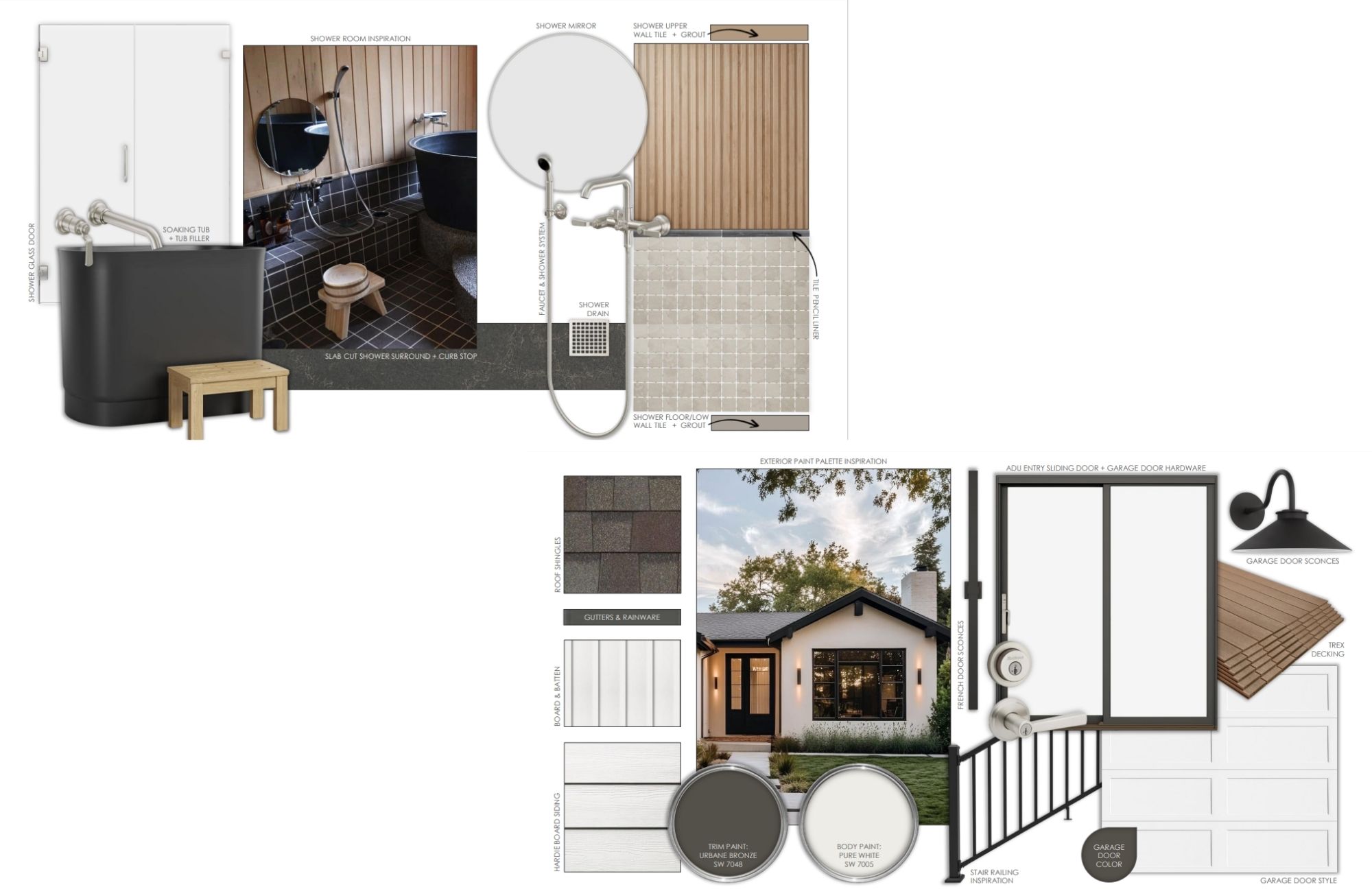
ADUs should visually connect to the main home. This is especially important when planning projects like whole home remodels in Denver, where consistency matters.
Zoning and Space Constraints
Local regulations influence ADU size and layout. Understanding Denver ADU zoning requirements early helps guide better design decisions.
Common ADU Design Mistakes to Avoid
Overcomplicating the design often leads to cluttered spaces. Ignoring storage needs reduces functionality. Prioritizing aesthetics over usability can create long-term issues. Poor lighting planning can make interiors feel flat, and disconnecting the ADU from the main home can impact overall property cohesion.
How Interior Design Impacts Long-Term Value
Interior design decisions directly influence how an ADU performs over time. Well-designed spaces feel larger, require less maintenance, and adapt more easily to changing needs.
Research from the U.S. Department of Housing and Urban Development highlights how flexible housing solutions like ADUs contribute to long-term property value.
For homeowners investing in custom residential construction, these decisions are critical.
How Sustainable Design Build Approaches ADU Interiors
Interior design works best when it is aligned with construction, layout, and long-term use from the beginning. Sustainable Design Build approaches ADU projects by focusing on planning clarity, material selection, and how the space will function in real life.
Homeowners exploring ADU construction services in Denver benefit most from early coordination between design and build decisions.
Final Thoughts
Interior design has a direct impact on how an ADU feels, functions, and holds value over time. Focusing on layout, light, material consistency, and storage creates spaces that are both practical and comfortable.
In Denver, where constraints and conditions shape every project, thoughtful design is what turns a small footprint into a highly functional living space.
Connect With Us
Planning your next renovation, or maybe you are looking to do a complete remodel for your home? Whatever the task, it can’t hurt to ask. Reach out to our team through this form.
We can schedule a free consultation and discuss everything you need to get your project moving in the right direction. Did we mention, it’s absolutely free?