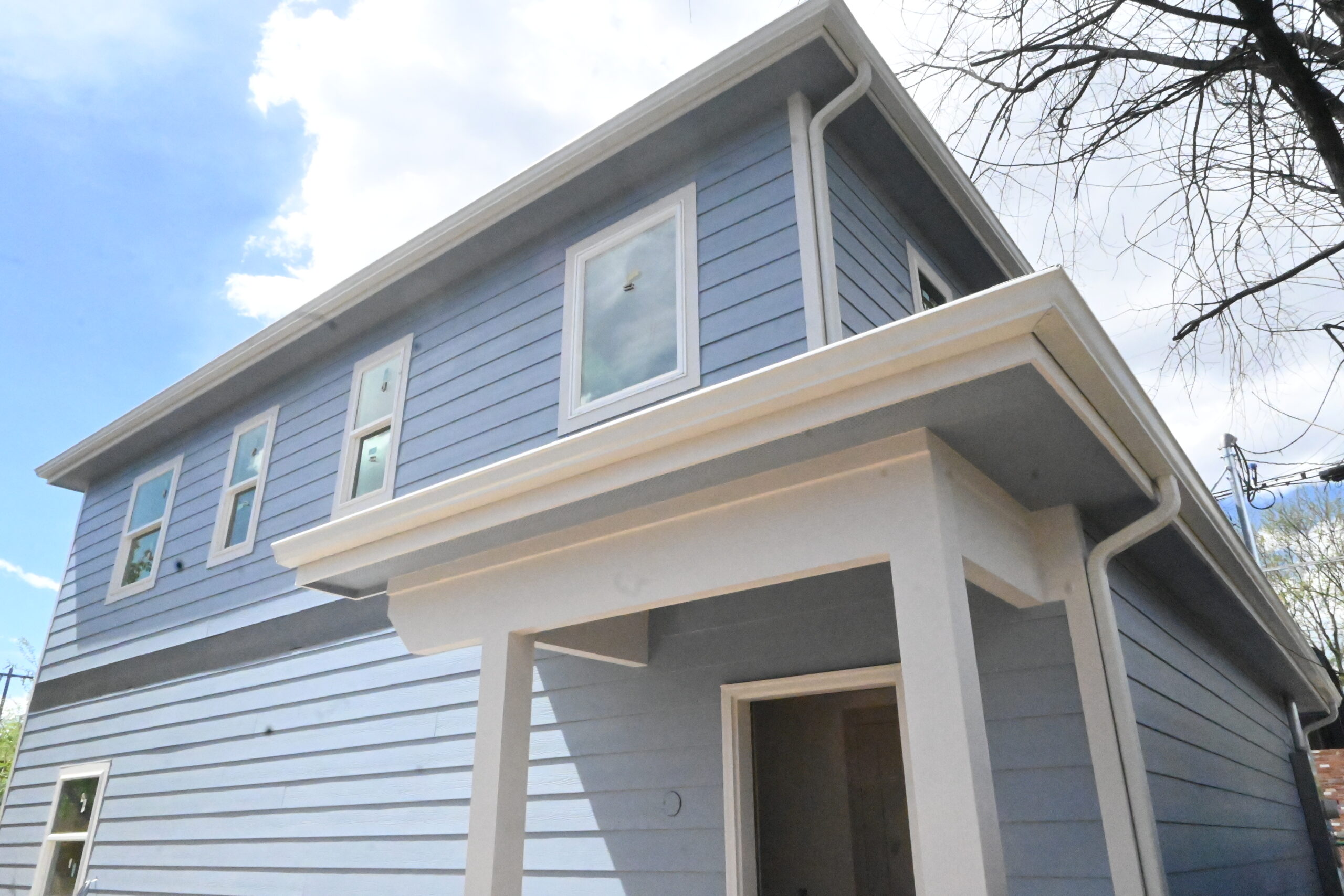
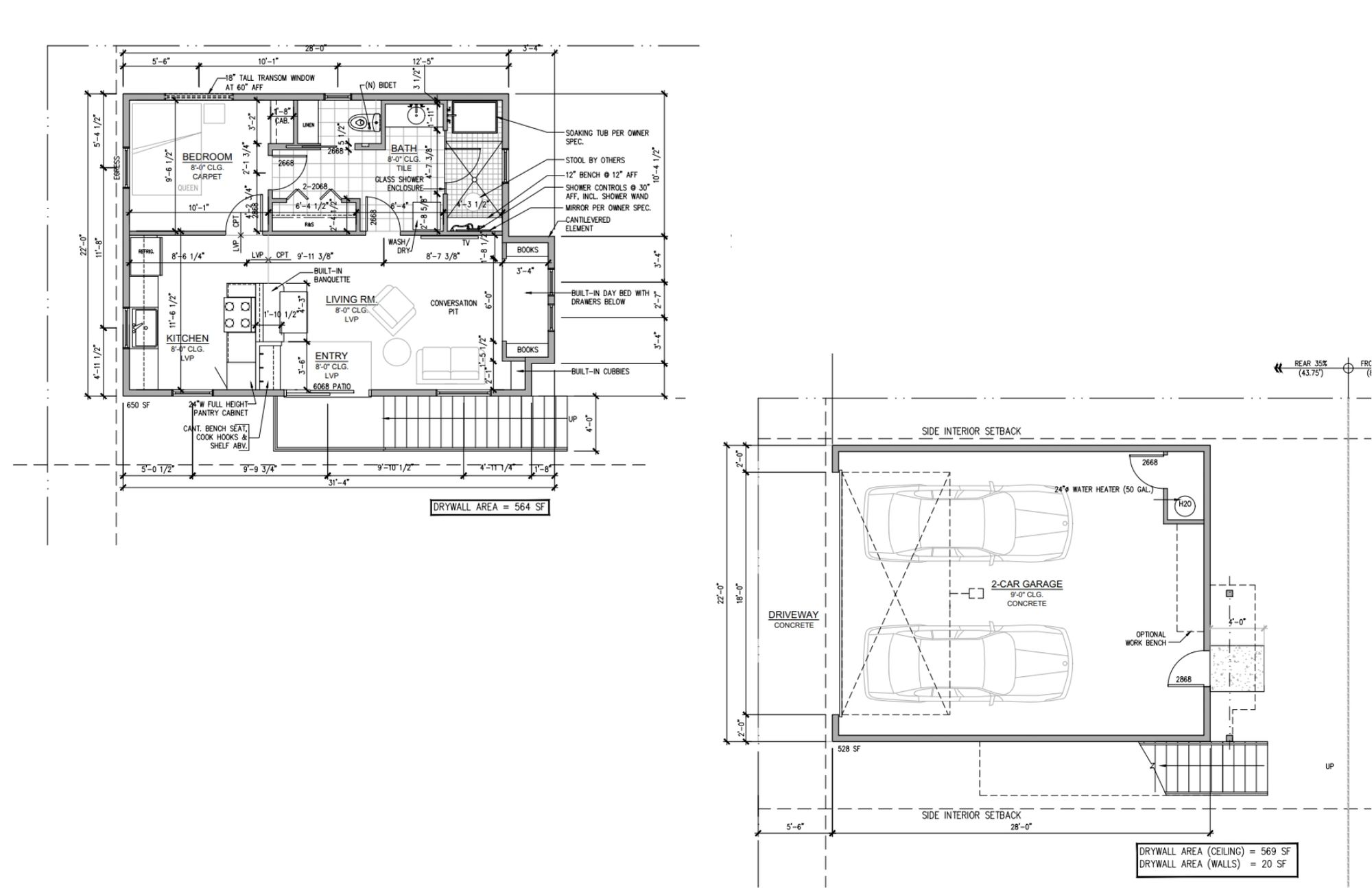
Sustainable Design Build working on a Denver ADU project.
Aging-in-place ADU design in Denver with thoughtful planning, accessibility, and a trusted design-build approach.
Why Homeowners Are Building ADUs for Aging Family Members
For many homeowners, the decision to build an Accessory Dwelling Unit is not just about adding space, it is about planning for the future in a way that supports family, flexibility, and independence.
As parents age, families are often faced with a difficult choice between maintaining proximity and ensuring proper care. ADUs offer a solution that bridges this gap. They provide a private, self-contained living environment while keeping loved ones close, allowing for support without sacrificing autonomy.
This approach is often preferred over traditional assisted living options, as it allows individuals to remain in a familiar setting while staying connected to family. It also creates long-term flexibility, giving homeowners the ability to adapt the space over time, whether for aging relatives, guests, or future lifestyle changes.
Designing with this intent from the beginning ensures the ADU is not just functional today, but continues to serve a meaningful purpose for years to come.
Designing an ADU for Long-Term Comfort
Accessory Dwelling Units (ADUs) are increasingly being designed with long-term livability in mind, whether to support aging family members, create flexible housing options, or plan for future lifestyle changes. In these cases, design decisions go beyond aesthetics and focus on how the space will perform over time.
Thoughtful aging-in-place design allows homeowners to avoid costly renovations later while ensuring the space remains functional as mobility, vision, and daily routines evolve. According to the National Institute on Aging, adapting the home environment plays a critical role in maintaining independence and reducing fall-related injuries (National Institute on Aging, n.d.).
Rather than feeling clinical, these spaces can be designed to feel warm, modern, and fully integrated into the overall home.
Zero-Step Entry and Seamless Movement
One of the most important foundations of an aging-in-place ADU is eliminating physical barriers. A zero-step entry removes the need to navigate stairs at the main entrance, creating immediate accessibility for all users.
Inside the home, maintaining flush transitions between rooms and minimizing thresholds helps prevent tripping hazards and supports smooth movement throughout the space. Wider hallways and doorways, typically 36 inches or more, allow for comfortable navigation and future adaptability.
These features not only improve accessibility but also contribute to a more open, intentional layout that feels aligned with modern residential design trends.
Bathrooms Designed for Safety and Longevity
Bathrooms are often the highest-risk area in any home, making them a priority in aging-in-place design. A well-designed bathroom balances safety, durability, and aesthetics without feeling institutional.
Key considerations include curbless or roll-in showers, strategically reinforced walls for grab bars, and slip-resistant flooring materials that perform well in wet conditions. Comfort-height toilets and wider clearances around fixtures also improve usability.
Planning for these elements during construction allows them to be seamlessly integrated, rather than added later as visible modifications.
Functional Kitchens with Smart, Adaptable Layouts
Kitchens in aging-in-place ADUs benefit from layouts that prioritize accessibility and ease of use. This includes thoughtful placement of appliances, clear circulation space, and storage solutions that reduce the need for bending or reaching overhead.
Incorporating varied counter heights or pull-out shelving can significantly improve usability without altering the overall design aesthetic. Lever-style hardware, drawer-based storage, and well-organized work zones all contribute to a kitchen that remains practical over time.
These decisions ensure the space continues to function efficiently, regardless of changing physical needs.
Lighting and Visibility as a Design Priority
Lighting is often overlooked, yet it plays a major role in both safety and comfort. Proper illumination reduces eye strain, improves depth perception, and helps prevent accidents.
A layered lighting approach that combines ambient, task, and accent lighting ensures consistent visibility throughout the ADU. Under-cabinet lighting in kitchens, well-lit pathways, and evenly distributed fixtures eliminate shadows and dark corners.
In addition, maximizing natural light through window placement and layout design enhances overall well-being and creates a more inviting living environment.

Material Selection and Long-Term Durability
Beyond layout, material choices have a lasting impact on how well an ADU performs over time. Durable, low-maintenance materials reduce upkeep while supporting long-term usability.
Flooring selections such as luxury vinyl plank or matte-finish tile can provide slip resistance while maintaining a refined appearance. Cabinet finishes, hardware, and surfaces should be selected for both durability and ease of cleaning.
These decisions help ensure the ADU remains practical and visually consistent for years to come.
Why Sustainable Design Build Is the Right Partner for Aging-in-Place ADUs
Designing an ADU for aging in place is not just about adding a small structure to a property. It is about solving a long-term living challenge with precision, foresight, and a clear understanding of how the space will be used over time.
Sustainable Design Build approaches this differently than a typical contractor. Instead of separating design and construction, the entire process is handled as a cohesive system. This means accessibility features, layout decisions, and long-term usability are considered from the very beginning, not added later as adjustments.
For homeowners planning an ADU for aging parents or future use, this integrated approach eliminates common gaps between design intent and final construction. Every decision, from doorway widths to bathroom layouts to material selection, is aligned with how the space will actually function years down the line.
SDB’s experience with ADUs, additions, and whole home remodels throughout Denver allows the team to anticipate challenges early, streamline the build process, and deliver spaces that feel intentional rather than pieced together.
More importantly, the focus is not just on building an ADU. It is on creating a space that supports independence, preserves dignity, and remains comfortable long after the project is complete.
Homeowners exploring this type of project can learn more about ADU construction in Denver and how a design-build approach leads to better long-term results.
Planning Ahead for a Space That Evolves
The most successful aging-in-place ADUs are those that are planned with the future in mind. Integrating accessibility features during the initial build is more efficient, more cost-effective, and results in a more cohesive design.
By thinking ahead, homeowners avoid reactive decisions later and instead create a space that adapts naturally over time.
Building for What Comes Next
An ADU designed for aging in place is not just about today’s needs. It is about creating a space that continues to work five, ten, or twenty years from now without requiring major changes.
That level of foresight requires the right balance of design, construction expertise, and understanding of how people actually live in their homes. When those pieces come together, the result is a space that feels intentional from day one and continues to perform long after it is built.
For homeowners in Denver considering this type of project, working with a team that understands both the technical details and the long-term vision makes all the difference.
Connect With Us
Planning your next renovation, or maybe you are looking to do a complete remodel for your home? Whatever the task, it can’t hurt to ask. Reach out to our team through this form.
We can schedule a free consultation and discuss everything you need to get your project moving in the right direction. Did we mention, it’s absolutely free?