
Resources
Find Sustainable Design Build’s various resources related to everything that is construction. Whether it be about home building, architecture, interior design, construction industry, local happenings, and more.

Why a Wheat Ridge ADU Is Becoming a Smart Housing Choice
A Wheat Ridge ADU offers homeowners a practical way to create flexible living space while increasing long-term property value. With updated zoning regulations and a more accessible permitting process, building an accessory dwelling unit in Wheat Ridge is now a viable option for families seeking multigenerational housing, rental income potential, or future-ready living without leaving their established neighborhood.
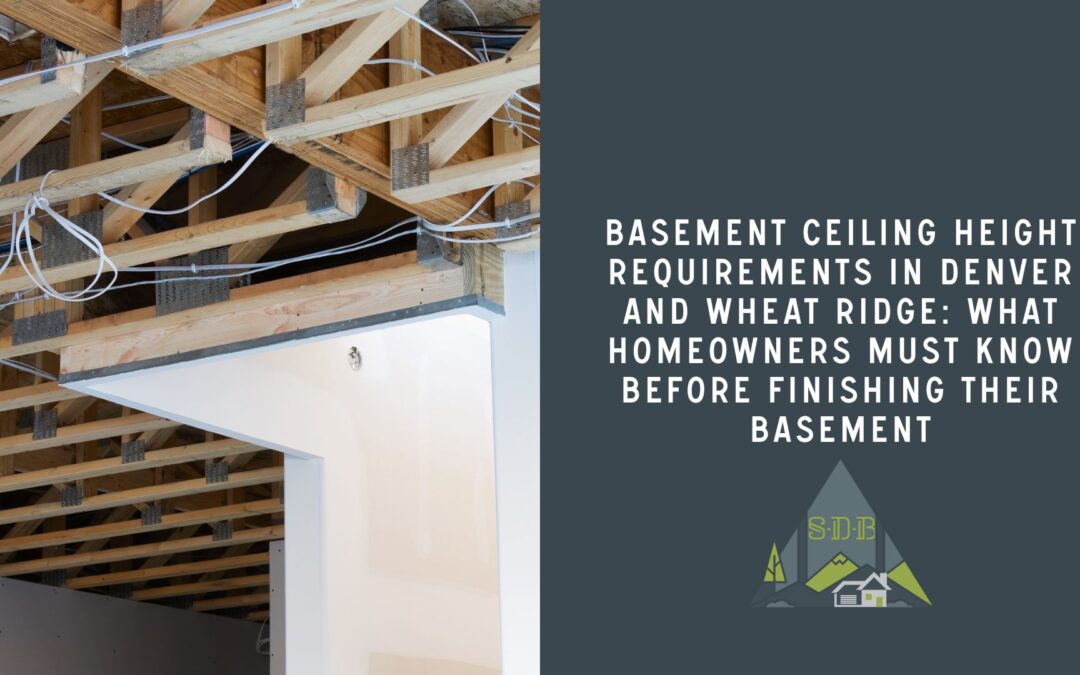
Basement Ceiling Height Requirements in Denver and Wheat Ridge: What Homeowners Must Know Before Finishing Their Basement
Basements in Colorado must meet specific ceiling height requirements before they can be legally finished or used as habitable space. Under current building codes, most finished basements must maintain a minimum ceiling height of 7 feet, with limited allowances for beams, ducts, or structural projections. Older homes may qualify for certain exceptions, but modifications such as structural adjustments, slab lowering, or duct reconfiguration are often required to meet code. Knowing these requirements early helps homeowners understand feasibility, permitting, and design options for a successful basement remodel.
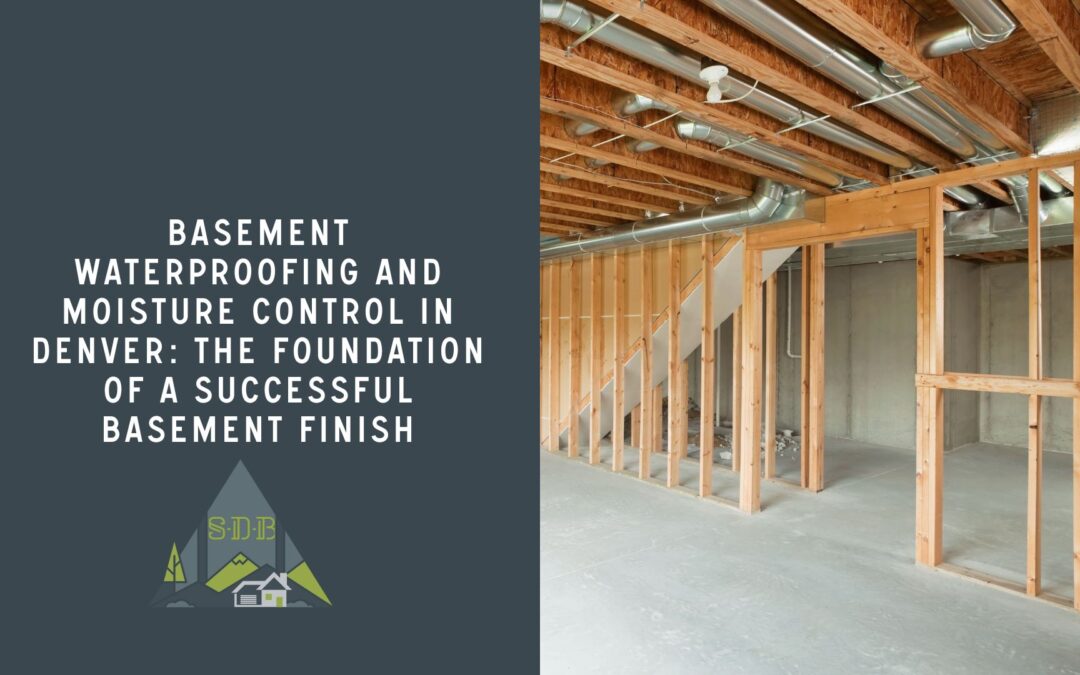
Basement Waterproofing and Moisture Control in Denver: The Foundation of a Successful Basement Finish
Basement waterproofing and moisture control are essential steps before any basement finishing project in Denver. Because Colorado soils experience seasonal expansion, snowmelt, and inconsistent moisture levels, basements are especially vulnerable to seepage, humidity, and foundation movement. Effective basement waterproofing includes drainage improvements, vapor barriers, sump pump systems, grading corrections, and proper insulation. Addressing moisture early protects finishes, prevents mold, and ensures long-term durability for a finished basement.
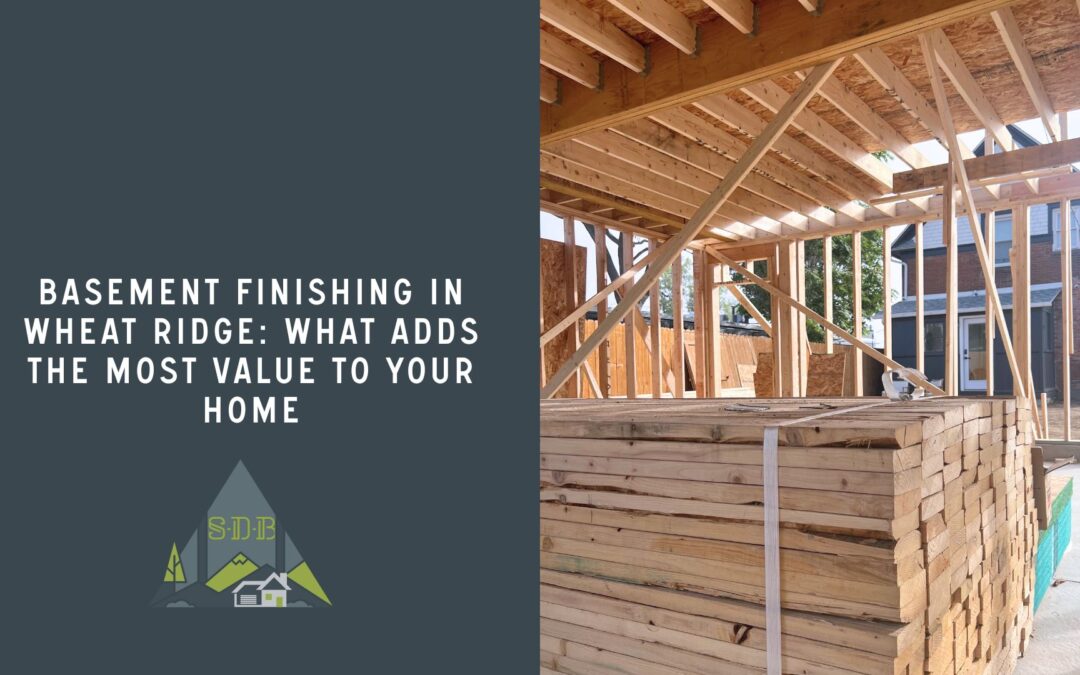
Basement Finishing in Wheat Ridge: What Adds the Most Value to Your Home
Finishing a basement in Wheat Ridge is one of the most cost-effective ways to add usable square footage and increase home value. High-impact upgrades such as adding a bedroom with egress, building a modern bathroom, creating flexible living areas, and improving natural light provide the strongest return on investment. In 2025, thoughtfully designed basement finishing projects typically increase home value by up to 20 percent, especially when completed with quality construction and clear permitting.
What Affects How Long a Basement Remodel Takes?
Learn what affects how long a basement remodel takes and why most projects require 4 to 8 weeks depending on scope and existing conditions.
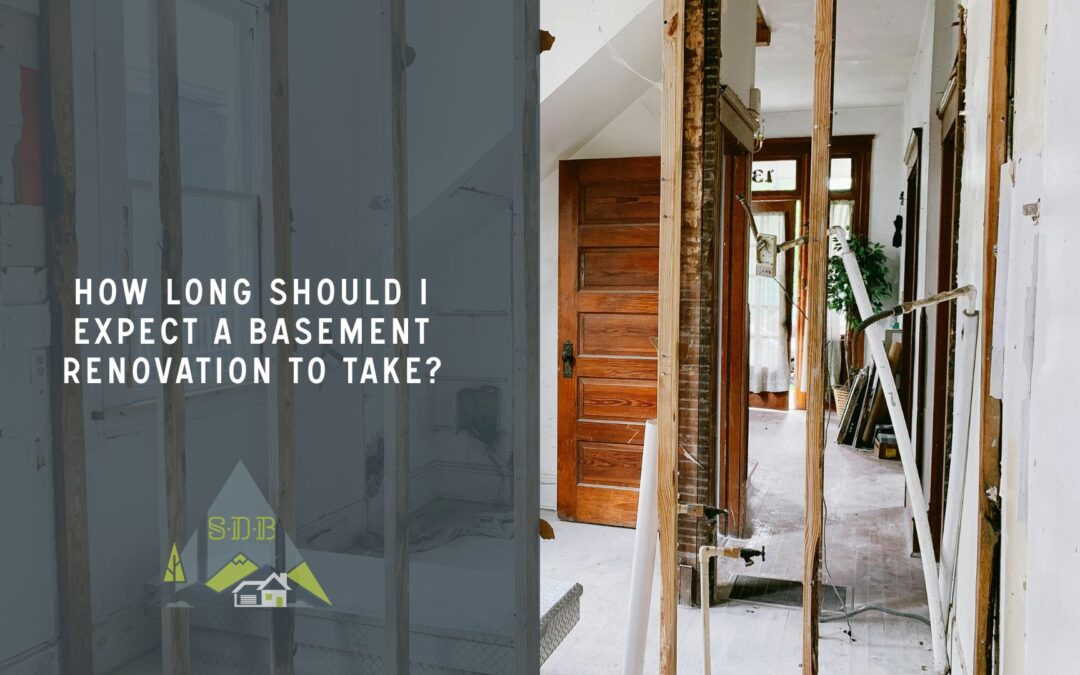
How Long Should I Expect a Basement Renovation to Take?
How long should you expect a basement renovation to take? Discover why most projects require 4 to 8 weeks and how professionals maintain schedule efficiency.
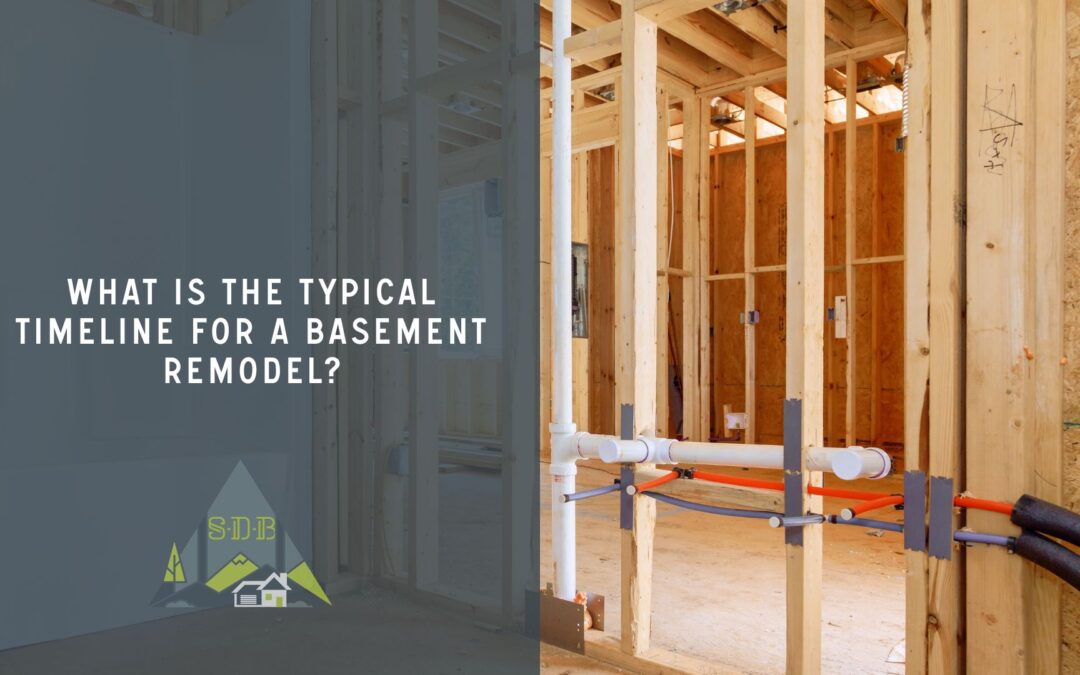
What Is the Typical Timeline for a Basement Remodel?
The typical timeline for a basement remodel is four to eight weeks, depending on permitting, design, upgrades, and finishing materials.
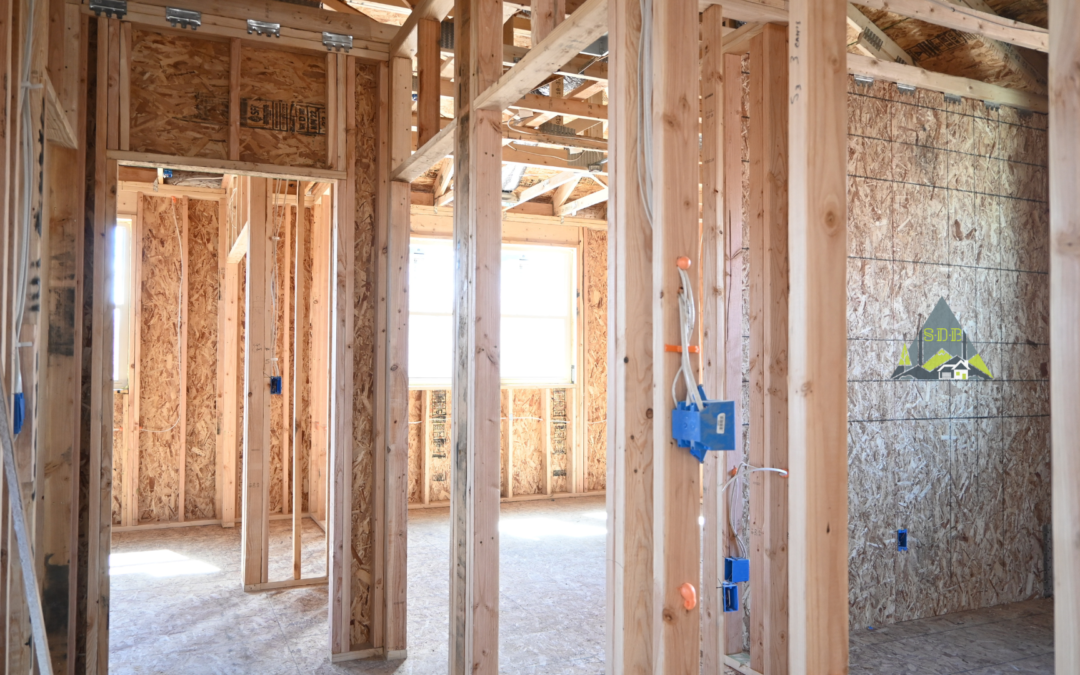
How Long Does a Basement Remodel Take in Denver?
A basement remodel in Denver typically takes four to eight weeks, although the total duration depends on permitting, scope, mechanical upgrades, and finish selections. Construction includes framing, rough-ins, drywall, and interior finishes. Working with a professional contractor like Sustainable Design Build helps keep schedules predictable.
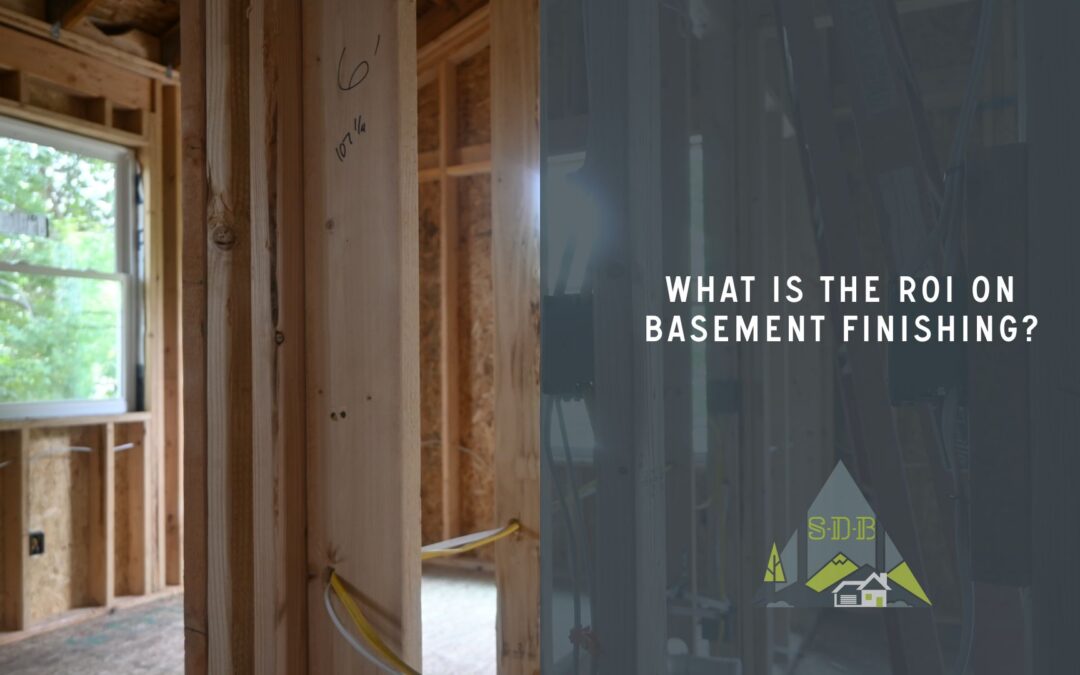
What Is the ROI on Basement Finishing
Basement finishing projects offer an average 70% return on investment (ROI), making them one of the most profitable home improvements in the Denver metro area. Homeowners typically spend $30,000 to $70,000, with resale value and livability gains that significantly enhance long-term property worth.
How Much Does a Basement Remodel Cost Compared to Other Home Projects
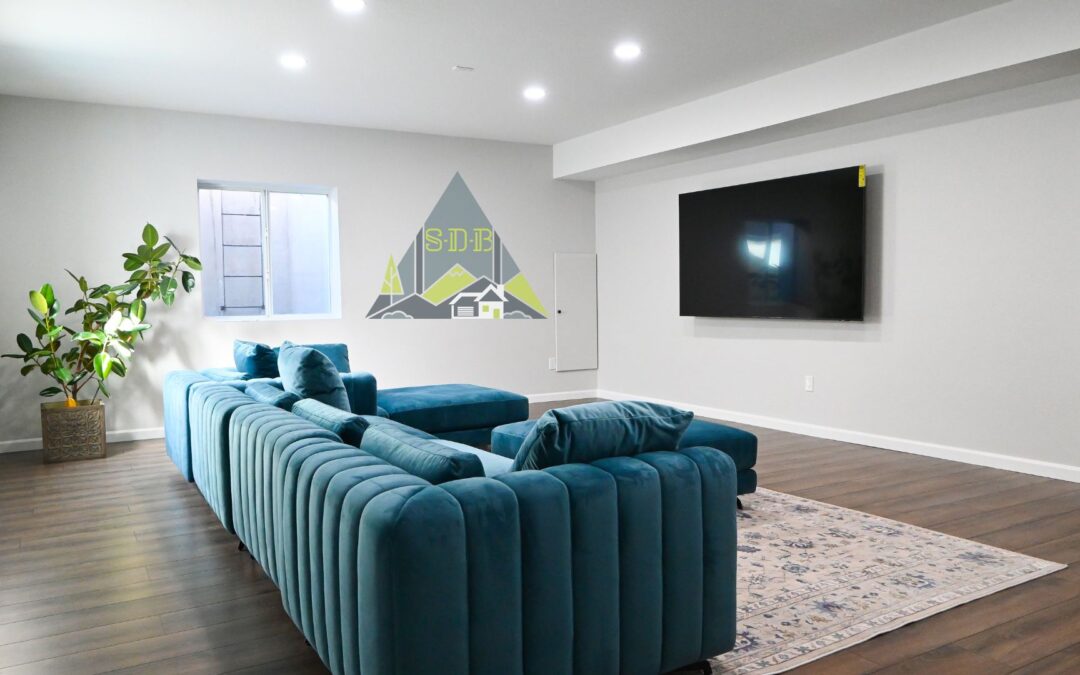
A basement remodel typically costs 30–50% less than a home addition, averaging $25,000 to $70,000 depending on design scope, finishes, and layout. Because the structure already exists, basement renovations offer one of the best returns on investment among major remodeling projects.