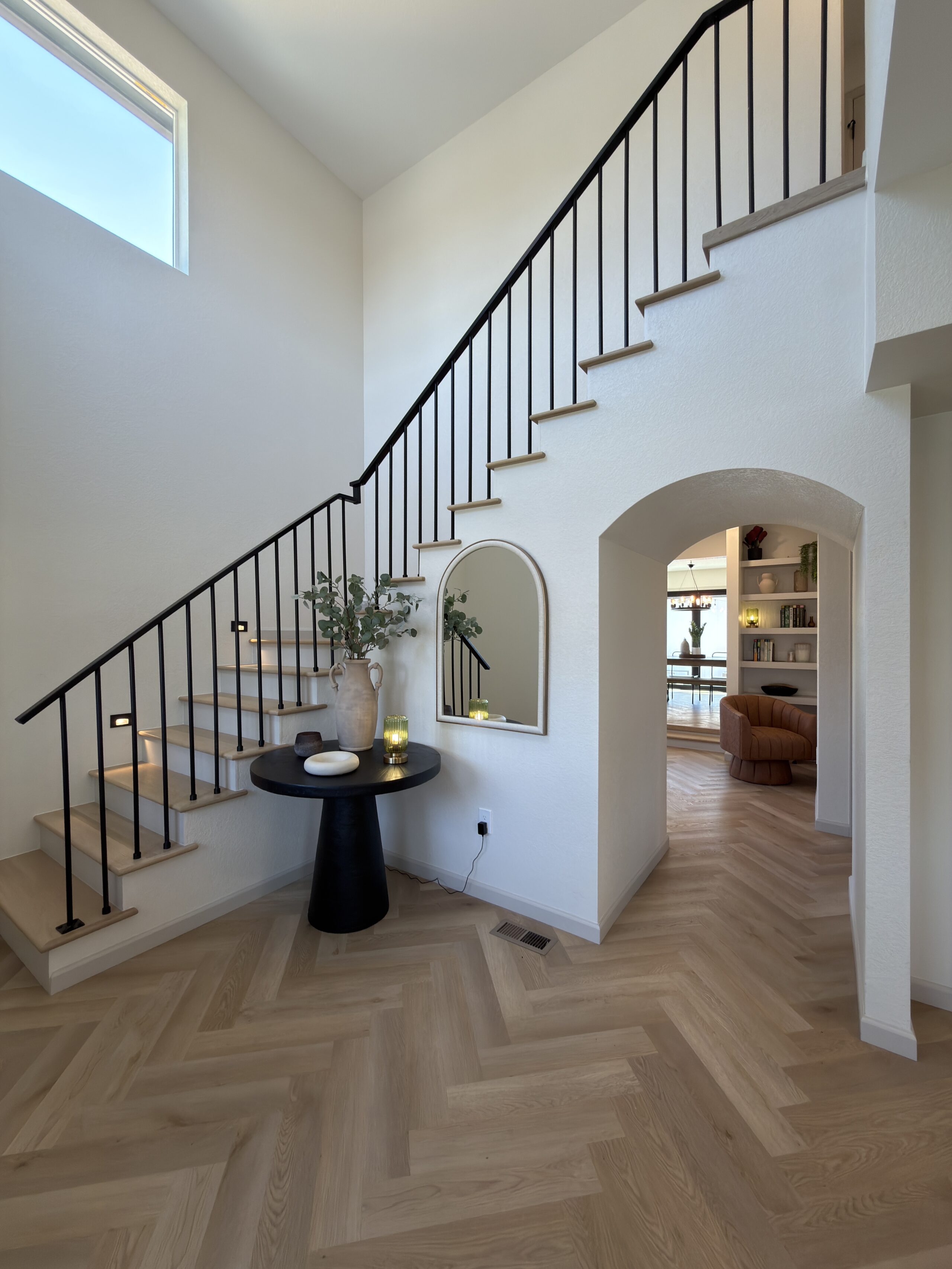
Building a custom home is about more than creating a beautiful residence. It’s about designing a home around the way you live, your property, and your long-term goals. Sustainable Design Build’s integrated Design-Build process brings architecture, interior design, estimating, permitting, and construction together under one team, allowing every decision to be made collaboratively from the very beginning. The result is a more coordinated experience, greater budget transparency, and a custom home designed with purpose from concept through completion.
For many homeowners, building a custom home represents one of the most significant investments they will ever make.
Unlike purchasing an existing house, every major decision is made from the ground up. The orientation of the home, the floor plan, the architectural style, natural lighting, structural systems, interior finishes, outdoor living spaces, and countless other details all contribute to how the home will function for decades to come.
Because there are so many interconnected decisions, communication becomes just as important as craftsmanship.
This is where the Design-Build process creates a meaningful advantage.
Rather than dividing responsibility among separate architects, designers, engineers, consultants, and contractors, Sustainable Design Build brings these disciplines together into one collaborative team. From the first conversation through final construction, each decision is evaluated through the lens of design, functionality, constructability, investment, and long-term performance.
The result is not simply a more efficient process.
It creates better homes.
Every Custom Home Begins With Your Lifestyle
The best custom homes are not designed around trends.
They are designed around people.
Every family uses their home differently. Some homeowners love entertaining large groups, while others prioritize quiet gathering spaces for everyday living. Some need dedicated offices for remote work, flexible guest accommodations, wellness spaces, or multigenerational living arrangements. Others want to maximize mountain views, create stronger indoor-outdoor connections, or build a home that will comfortably support aging in place.
Before discussing square footage or architectural styles, Sustainable Design Build begins by understanding how you want your home to function.
Questions often include:
- How does your family spend time together?
- What spaces do you use the most?
- How do you entertain?
- What frustrations have you experienced in previous homes?
- What features are essential today?
- What flexibility will you need ten or twenty years from now?
These conversations become the foundation of the design process.
Rather than forcing your lifestyle into a predetermined floor plan, the home is intentionally designed around the way you live.
Architecture, Interior Design, and Construction Should Never Be Separate Conversations
One of the greatest strengths of Design-Build is collaboration.
Traditional project delivery often places architecture, interior design, estimating, and construction into separate phases managed by different companies.
While each professional brings valuable expertise, homeowners frequently become responsible for coordinating communication between them.
That fragmented process can lead to unnecessary redesign, conflicting recommendations, scheduling challenges, and budget revisions after significant design work has already been completed.
At Sustainable Design Build, these conversations happen together.
Architectural planning considers construction methods from the beginning.
Interior design influences room proportions rather than simply decorating completed spaces.
Estimating evolves alongside the design, helping homeowners understand investment decisions as the project develops instead of after drawings are complete.
Construction professionals contribute practical insight before plans are finalized, ensuring the vision developed during design can be executed efficiently in the field.
Because every discipline is involved throughout the process, decisions become more informed and better coordinated.
Designing for the Property Instead of Around It
A custom home offers a unique opportunity that renovations and additions often cannot.
Instead of adapting to an existing structure, the home can be designed specifically for the characteristics of the site.
Every lot presents opportunities.
Some capture mountain views.
Others receive exceptional morning light.
Some have mature trees worth preserving.
Corner lots create different design possibilities than interior lots.
Sloping sites may naturally accommodate walkout basements or terraced outdoor living spaces.
A thoughtful custom home responds to these conditions instead of ignoring them.
Window placement, outdoor living areas, roof forms, and overall building orientation are carefully considered so the home feels connected to its surroundings rather than simply placed upon the property.
Good architecture doesn’t compete with the site.
It complements it.
Budget Transparency Throughout the Design Process
One of the most common concerns homeowners have when building a custom home is uncertainty around cost.
Many fear investing months into architectural design only to discover that the finished plans exceed their intended budget.
The Design-Build process helps address this concern by integrating budgeting into the planning process itself.
As design evolves, estimating evolves alongside it.
Rather than treating pricing as the final step, investment discussions become part of the design conversation.
This allows homeowners to evaluate meaningful trade-offs before construction documents are finalized.
Would larger windows improve natural light enough to justify the investment?
Would adjusting the footprint slightly create more functional living space while improving construction efficiency?
Should investment be prioritized toward architectural detailing, interior finishes, outdoor living, or long-term energy performance?
These are collaborative decisions made with complete information rather than surprises discovered after bidding.
The goal is not simply to reduce costs.
It is to help homeowners invest where it creates the greatest long-term value.
Interior Design Shapes How a Home Feels
Exceptional custom homes are remembered not because of individual finishes, but because of how the spaces feel to live in.
Natural light.
Proportion.
Sightlines.
Flow.
Comfort.
Storage.
Connection.
These qualities are established long before flooring, cabinetry, or countertops are selected.
Interior design influences how rooms relate to one another, how families move throughout the home, and how spaces support everyday routines.
Whether designing a warm transitional residence, a contemporary custom home, or a timeless traditional architecture, Sustainable Design Build integrates interior design throughout the planning process to create homes that are both beautiful and highly functional.
Rather than selecting finishes after architecture is complete, the home’s interior character develops alongside the architectural vision.
Planning for Construction Before Ground Is Broken
A successful custom home isn’t created by reacting to challenges during construction.
It is created by identifying opportunities before construction begins.
During pre-construction, the Sustainable Design Build team coordinates architectural documentation, engineering, permitting, estimating, scheduling, and material planning so the project enters construction with a strong foundation.
This preparation helps establish:
- A coordinated construction strategy.
- Clear project scope.
- Realistic scheduling expectations.
- Permit readiness.
- Material selection timelines.
- Budget alignment.
- Communication milestones.
Investing in thorough pre-construction planning often reduces uncertainty later, allowing construction to progress with greater confidence and fewer unexpected changes.
One Team From Concept Through Completion
Perhaps the greatest advantage of the Design-Build approach is continuity.
The professionals helping shape your vision during the earliest design meetings remain engaged throughout construction.
Questions can be answered with the original design intent in mind.
Adjustments can be evaluated collaboratively.
Communication remains consistent because everyone is working toward the same objective.
Rather than managing multiple contracts and coordinating separate consultants, homeowners work with one integrated team focused on delivering a cohesive result.
That continuity creates confidence throughout every stage of the project.
Building a Home Designed for the Next Generation of Your Life
A truly successful custom home is not measured solely by its square footage or architectural style.
It is measured by how well it supports the people living inside it.
The best homes anticipate change.
They provide flexibility for growing families, evolving careers, entertaining friends, welcoming grandchildren, or enjoying retirement. They balance beauty with practicality, architectural character with everyday comfort, and timeless design with modern performance.
At Sustainable Design Build, our Design-Build process exists to make those outcomes possible.
By bringing architecture, interior design, estimating, permitting, and construction together from the very beginning, we’re able to create custom homes that are thoughtfully planned, carefully executed, and designed to serve homeowners for decades to come.
Whether you’re building your forever home, replacing an aging residence, or creating a home uniquely tailored to your property and lifestyle, our integrated approach helps transform a vision into a place you’ll be proud to call home.
Connect With Us
Planning your next renovation, or maybe you are looking to do a complete remodel for your home? Whatever the task, it can’t hurt to ask. Reach out to our team through this form.
We can schedule a free consultation and discuss everything you need to get your project moving in the right direction. Did we mention, it’s absolutely free?