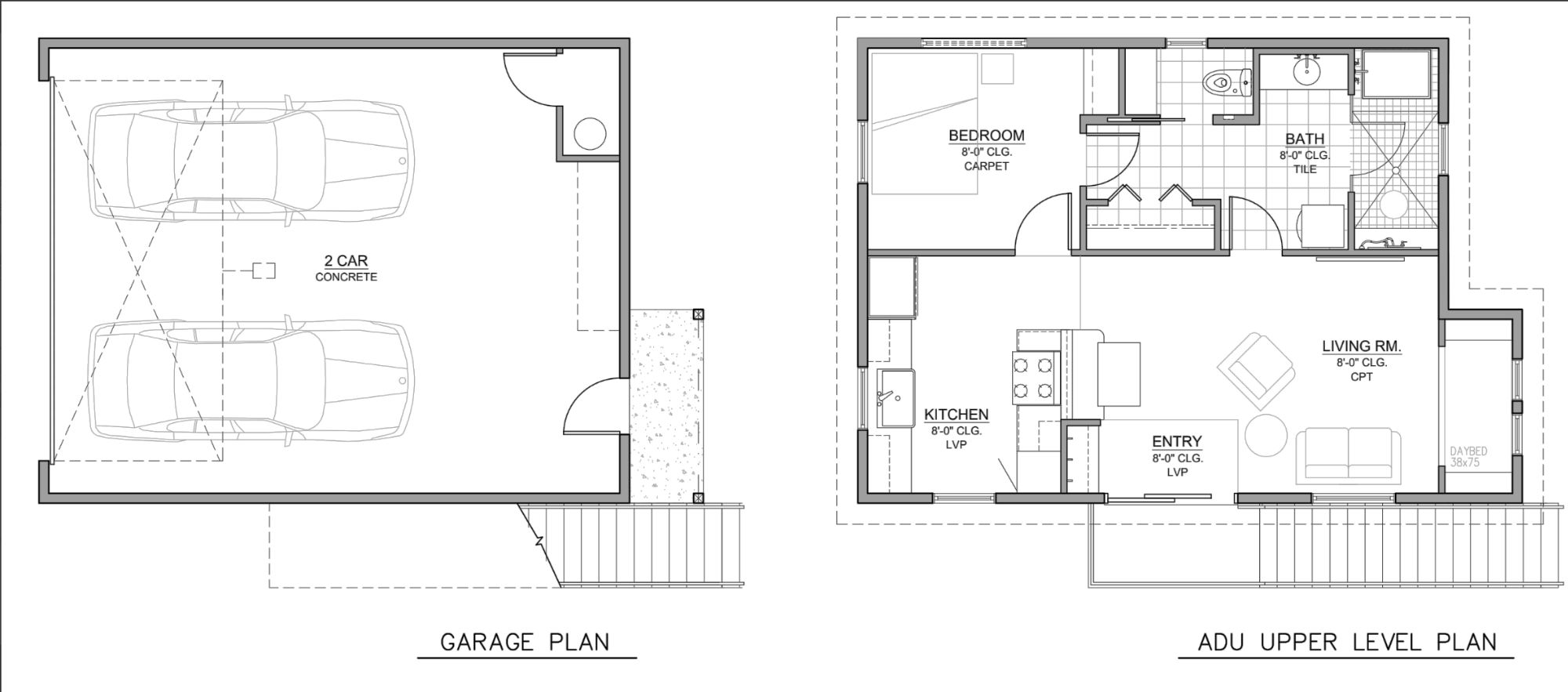
Sustainable Design Build architect team sketch of an ADU build in Denver.
Working with an in-house architect through a design-build firm streamlines communication, aligns budget with design, and improves project efficiency from concept to construction.
The Problem With the Traditional Build Process
Many homeowners begin their project journey by hiring an architect first, followed by a general contractor once plans are complete. While this approach has been standard for decades, it often introduces unnecessary complexity into what is already a highly detailed and multi-phase process. From the earliest conceptual drawings to final construction, a residential project involves constant coordination between design intent, structural feasibility, permitting requirements, and real-world budget constraints. When these elements are handled by separate entities that are not inherently aligned, gaps begin to form.
These gaps typically show up in the form of miscommunication, unrealistic expectations, and costly revisions. Architects, operating independently, may design a home or addition based purely on vision and spatial creativity without full visibility into current material costs, labor conditions, or site-specific construction challenges. As a result, homeowners are often presented with plans that look exceptional on paper but prove to be financially unworkable or structurally inefficient once a contractor begins pricing the build.
This disconnect leads to a frustrating cycle. Plans are revised, timelines are pushed back, and budgets expand beyond initial expectations. In some cases, design elements must be removed or significantly altered after emotional and financial investment has already been made. What began as an exciting process can quickly become stressful and unpredictable.
The design-build process was developed as a direct solution to these challenges. By integrating architecture, design, and construction into a single, unified team, design-build firms eliminate the fragmentation that causes so many issues in traditional project delivery. Instead of multiple parties working in sequence, all stakeholders collaborate from the very beginning. This alignment creates a more efficient, transparent, and ultimately more successful building experience for homeowners.
What Is Design-Build and Why It Works
Design-build is a project delivery method where one cohesive team manages both the design and construction phases under a single contract. Rather than acting as separate entities, architects, designers, and builders work together from day one, sharing information, solving problems collaboratively, and maintaining a unified vision throughout the project lifecycle.
This structure fundamentally changes how decisions are made. Instead of design being completed in isolation and handed off for execution, construction expertise is introduced early in the process. This ensures that every design choice is informed by real-world feasibility, cost considerations, and scheduling implications.
The result is a process that is more efficient, more predictable, and far less prone to costly surprises. Homeowners benefit from having a single point of contact, clear accountability, and a team that is aligned in both goals and execution.
The Advantage of an In-House Architect
At the center of a successful design-build process is the in-house architect. This role is not simply about creating drawings, it is about bridging the gap between vision and execution.
An in-house architect operates within the same ecosystem as the construction team. This proximity allows for constant communication and immediate feedback during the design phase. Instead of designing in a vacuum, the architect is actively collaborating with project managers, estimators, and builders to ensure that every element of the plan is practical, efficient, and aligned with the project’s goals.
This integration eliminates one of the most common issues in traditional construction: designing something that cannot realistically be built within the desired budget or timeline. With an in-house architect, feasibility is built into the design process itself, not evaluated after the fact.
Better Budget Alignment From Day One
One of the most significant advantages of working with an in-house architect is early and accurate budget alignment. In traditional models, cost estimation often occurs after design completion, which is precisely when changes become more difficult and expensive.
In a design-build environment, budgeting is an ongoing conversation. As the design evolves, cost implications are evaluated in real time. This allows homeowners to make informed decisions throughout the process rather than being forced into reactive changes later.
Materials, layout adjustments, and structural decisions can all be optimized to balance aesthetics and cost without compromising the overall vision. This proactive approach reduces financial surprises and creates a more controlled and transparent experience.
Faster Timelines and Fewer Delays
Time efficiency is another major benefit of integrating architecture and construction under one roof. When teams are separated, even minor questions can lead to delays as communication moves back and forth between parties.
With an in-house architect, those conversations happen instantly. Adjustments can be made quickly, approvals are streamlined, and potential issues are resolved before they escalate into larger problems.
This level of coordination significantly reduces downtime between phases, allowing projects to move forward with greater momentum and fewer interruptions.
Improved Design Quality Through Collaboration
Collaboration is not just about efficiency, it also leads to better outcomes. When architects, designers, and builders contribute their expertise throughout the process, the final design benefits from multiple perspectives.
Aesthetic goals are balanced with structural integrity, functionality, and long-term durability. This is especially important in projects such as ADU construction, home additions, and full-scale remodels, where space constraints, zoning requirements, and existing structures must all be carefully considered.
The result is a design that not only looks good but also performs well in real-world conditions.
A More Transparent and Predictable Process
One of the most common frustrations homeowners face in construction is uncertainty. Unclear timelines, shifting budgets, and inconsistent communication can make the process feel overwhelming.
Design-build addresses this by creating a clear and unified structure. With a single team responsible for the entire project, accountability is straightforward. Homeowners know exactly who to communicate with, and expectations are established early and maintained throughout.
This transparency builds trust and allows homeowners to feel more confident and informed at every stage of the project.
Why Homeowners Choose a Design-Build Approach
Homeowners increasingly recognize that the success of a project is not just about the final product, it is about the experience of getting there. A fragmented process often leads to stress, delays, and unexpected costs, while an integrated approach provides clarity, efficiency, and consistency.
By combining architecture, design, and construction into one cohesive team, design-build firms create a more streamlined path from concept to completion. The inclusion of an in-house architect further strengthens this process by ensuring that design decisions are always grounded in practicality and aligned with the overall project goals.
A Smarter Way to Build
The design-build process represents a more modern and effective approach to residential construction. By eliminating the disconnect between design and execution, it allows projects to move forward with greater precision, fewer obstacles, and better overall results. Sustainable Design Build offers this all-in-one solution to Denver residents and beyond so that they can benefit from a stress-free and streamlined experience to building their home.
For homeowners planning ADUs, additions, or full home renovations in Denver, working with a team that includes an in-house architect is not just a convenience, it is a strategic advantage. It ensures that every aspect of the project is aligned from the start, leading to a smoother process and a more successful outcome.
Connect With Us
Planning your next renovation, or maybe you are looking to do a complete remodel for your home? Whatever the task, it can’t hurt to ask. Reach out to our team through this form.
We can schedule a free consultation and discuss everything you need to get your project moving in the right direction. Did we mention, it’s absolutely free?