
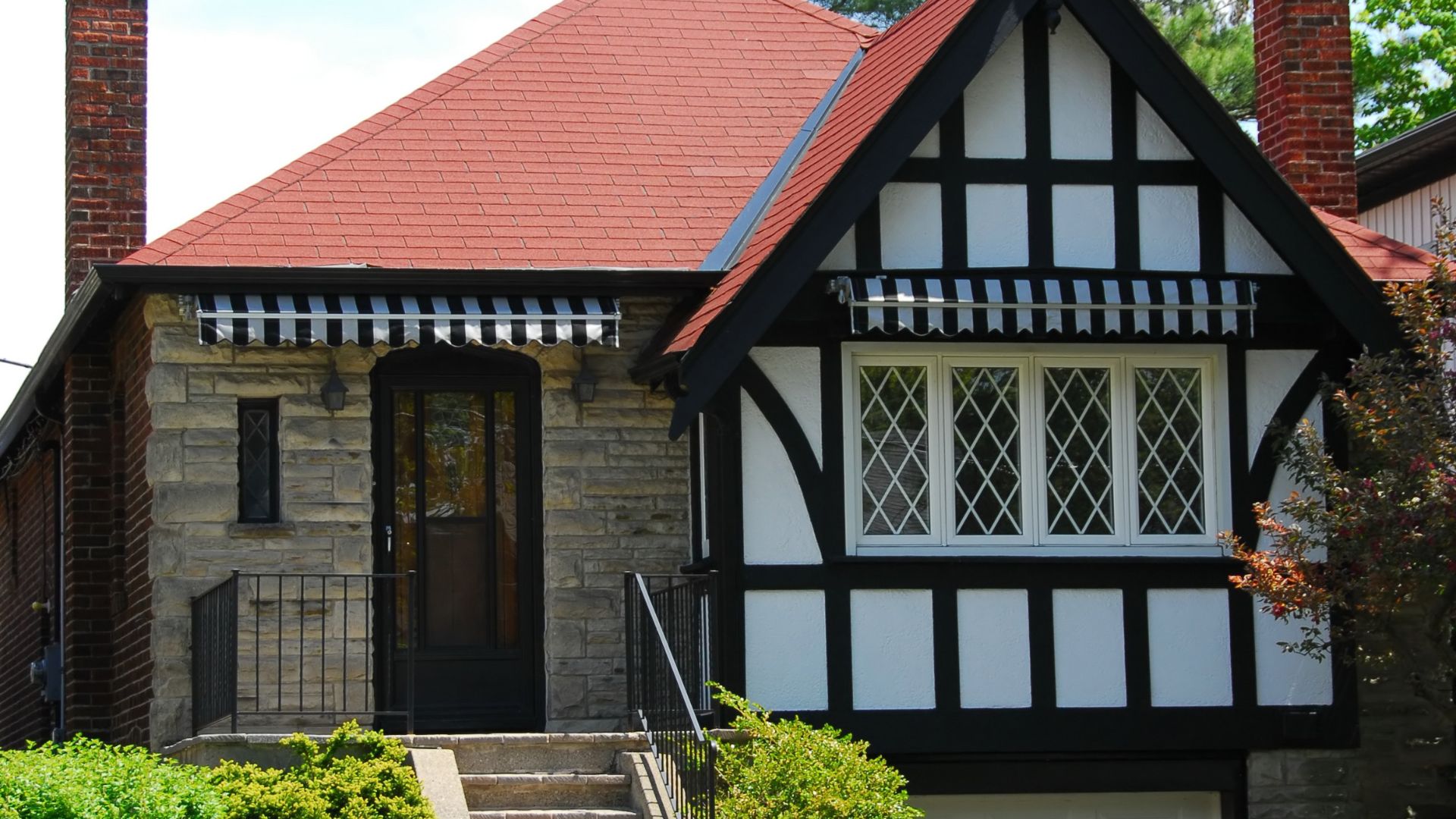
Tudor-style houses are defined by steep rooflines, decorative half-timbering, and a historic European aesthetic that became popular in early 20th-century America. In Denver, these homes remain highly desirable, and modern pop top additions can expand space while preserving architectural integrity through thoughtful design-build practices.
What Are Tudor-Style Houses?
Tudor-style houses are a residential architectural style inspired by late medieval English design, particularly from the Tudor period (1485 to 1603). These homes gained popularity in the United States during the early 1900s, especially between 1910 and 1940, as part of the broader revivalist movement that sought to emulate historic European architecture (McAlester, 2015). Characterized by steeply pitched gable roofs, narrow windows, and decorative half-timbering set against stucco or masonry, Tudor homes evoke a sense of craftsmanship and permanence.
The defining feature of Tudor design is its visual complexity. Exposed wood framing, often filled with brick or stucco panels, creates a textured exterior that contrasts with more minimal architectural styles. According to the National Park Service’s overview of Tudor Revival architecture, these homes were often designed to appear handcrafted, emphasizing irregularity and charm rather than symmetry. This approach contributes to their enduring appeal among homeowners who value character and historical connection.
In Colorado specifically, the style gained traction as cities like Denver expanded in the early 20th century. The History Colorado overview of Tudor Revival homes notes that these houses were often associated with established neighborhoods and conveyed a sense of tradition and stability, which continues to influence buyer demand today.
Why Tudor Homes Are Popular in Denver
Denver has a notable collection of Tudor-style homes, particularly in neighborhoods developed during the early 20th century. Areas like Washington Park, Park Hill, and Bonnie Brae showcase well-preserved examples that reflect the city’s architectural diversity. These homes stand out in the Denver market for their distinct identity, often contrasting with more contemporary construction.
The appeal of Tudor homes lies in both aesthetics and perceived quality. Their solid construction, combined with intricate detailing, creates a sense of longevity that resonates with homeowners seeking something beyond standard modern builds. As noted by Historic Denver, preservation of architectural character plays a significant role in maintaining neighborhood identity and property value.
However, many of these homes were built for smaller households and do not always meet the spatial needs of today’s families. This has led to a growing interest in expanding these homes without compromising their defining features.
Can Tudor Homes Be Expanded Without Losing Their Character?
Expanding a Tudor-style home presents a unique challenge. The architectural elements that define the style must be carefully replicated or thoughtfully adapted to avoid visual inconsistency. This is where design-build firms play a critical role.
A pop top addition, which involves adding a second story or expanding the upper level, is one of the most effective ways to increase living space while maintaining the home’s footprint. When executed correctly, a pop top can seamlessly integrate with the original structure, preserving the steep rooflines, window proportions, and exterior materials that define Tudor architecture.
Design-build firms approach this process holistically. Instead of treating design and construction as separate phases, they coordinate both from the beginning. This allows for precise alignment between structural requirements and architectural detailing, which is essential for historically inspired homes.
How Pop Top Additions Align With Tudor Design
A successful Tudor-style pop top addition requires more than structural expansion. It demands a deep understanding of proportion, material selection, and historical context. Key considerations include maintaining the roof’s steep pitch, continuing the visual rhythm of windows, and matching exterior finishes such as brick, stone, or stucco with timber accents.
Firms like Sustainable Design Build’s home addition services focus on aligning new construction with the existing architectural identity of the home. This ensures that the addition feels intentional rather than appended and preserves the visual story of the house.
Modern construction techniques also allow for improved insulation, structural reinforcement, and energy performance, all while maintaining the outward appearance that defines Tudor homes. This balance is especially important in Denver, where climate and historic character both influence design decisions.
Working With Historic Designation in Denver
Some Tudor homes in Denver fall within historic districts or are individually designated landmarks. This introduces additional considerations, as any exterior changes must comply with local preservation guidelines.
The City and County of Denver Landmark Preservation program outlines requirements for maintaining architectural integrity in designated properties. These guidelines often focus on preserving visible features such as rooflines, materials, and façade composition.
Design-build firms experienced in historic work can navigate this process efficiently. They coordinate with local review boards, prepare necessary documentation, and ensure that proposed additions meet regulatory standards while still achieving the homeowner’s goals.
What This Means for Homeowners
For homeowners in Denver, Tudor-style houses offer both character and opportunity. While these homes may require updates to meet modern living standards, they also provide a strong architectural foundation for thoughtful expansion.
A well-designed pop top addition can transform a Tudor home into a more functional space without sacrificing its identity. By working with experienced professionals who understand both construction and historical design, homeowners can achieve a result that respects the past while supporting the future.
Key Takeaways
Tudor-style houses are defined by historic European influences, distinctive materials, and intricate detailing that continue to attract homeowners in Denver. As space needs evolve, pop top additions provide a viable solution for expanding these homes. When guided by a design-build approach, these additions can align seamlessly with the original architecture, even within the constraints of historic designation.
References
McAlester, V. (2015). A Field Guide to American Houses. Knopf Publishing Group.
National Park Service. (n.d.). Tudor Revival architecture. Retrieved from https://www.nps.gov/articles/tudor-revival-architecture.htm
History Colorado. (n.d.). Tudor Revival homes in Colorado. Retrieved from https://www.historycolorado.org/tudor-revival
Historic Denver. (n.d.). Architectural styles in Denver. Retrieved from https://historicdenver.org/resources/architectural-styles/
City and County of Denver. (n.d.). Landmark preservation guidelines. Retrieved from https://www.denvergov.org/Government/Agencies-Departments-Offices/Agencies-Departments-Offices-Directory/Community-Planning-and-Development/Landmark-Preservation
Connect With Us
Planning your next renovation, or maybe you are looking to do a complete remodel for your home? Whatever the task, it can’t hurt to ask. Reach out to our team through this form.
We can schedule a free consultation and discuss everything you need to get your project moving in the right direction. Did we mention, it’s absolutely free?