
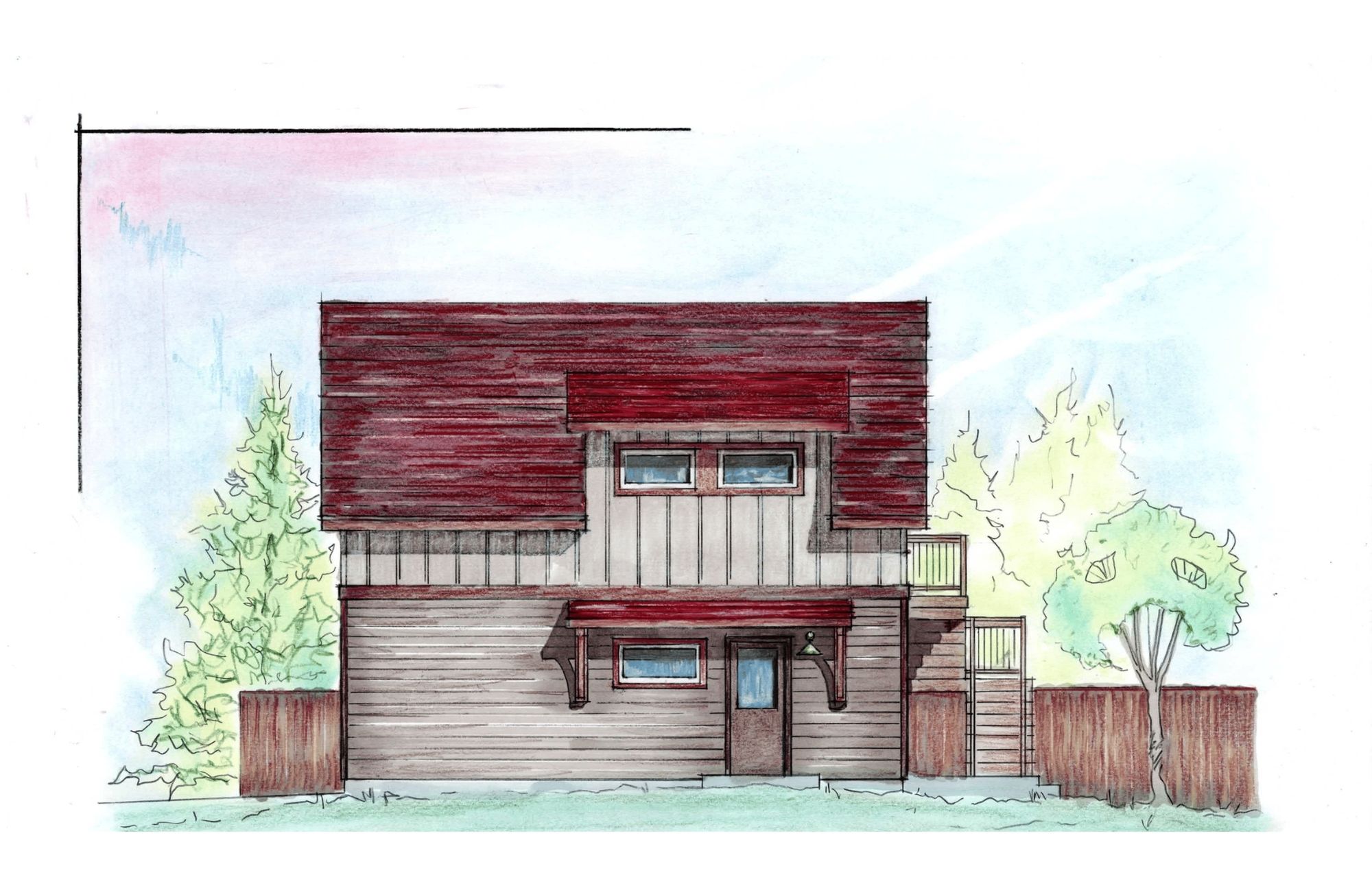
Sustainable Design Build architect team sketch of an ADU build in Denver.
Building an Accessory Dwelling Unit (ADU) in Denver can add flexibility, value, and long-term income potential to a property. However, zoning regulations, design considerations, permitting timelines, and construction costs require careful planning. Understanding Denver’s ADU requirements and working with an experienced design-build team can streamline the process and help homeowners avoid costly missteps.
So You Think You Want to Build an ADU in Denver?
Accessory Dwelling Units (ADUs) have become one of the most talked-about housing solutions in Denver, offering homeowners a way to maximize property potential while contributing to the city’s evolving housing landscape. Whether the goal is to create rental income, house family members, or add flexible living space, the appeal is clear. Still, the path from idea to finished structure is more complex than many initially expect.
Understanding Denver’s ADU Landscape
Denver has taken steps in recent years to expand ADU allowances across various neighborhoods, but zoning remains one of the first and most critical hurdles. Not every property qualifies, and even within approved zones, there are strict guidelines around height, size, setbacks, and lot coverage. According to the City and County of Denver ADU regulations, homeowners must verify that their lot is eligible before moving forward.
This initial step often shapes the entire project. A property’s zoning designation can influence whether the ADU is detached or attached, how large it can be, and even where it can sit on the lot. Skipping this research can lead to redesigns, delays, or in some cases, projects that cannot proceed.
However, in the last few years, the City and County of Denver have made new changes to zoning for all residential single family homes. Introduced by the Citywide ADU Project, which allows ADU construction for all the neighborhoods of Denver. Though, it is important to note that even though zoning allows for every home to build an ADU, only a select few still have the ability to build one based on lot size and other requirements.
Design Is More Than Just Square Footage
Once zoning is confirmed, design becomes the next major consideration. Many homeowners begin with a vision focused on size or layout, but successful ADUs balance function, aesthetics, and compliance. Thoughtful design must account for privacy between the main home and the ADU, natural light, storage, and efficient use of space.
Beyond livability, design also plays a significant role in approval. Denver requires detailed plan submissions that align with building codes and neighborhood guidelines. Working with a team experienced in ADU construction in Denver can help ensure that plans are not only appealing but also viable within regulatory constraints.
The Reality of Permitting and Timelines
Permitting in Denver is thorough by design, and ADUs are no exception. The review process involves zoning verification, building permits, and sometimes additional approvals depending on the property and scope. While timelines vary, it is not uncommon for permitting alone to take several months.
According to U.S. Department of Housing and Urban Development research, regulatory processes are one of the most common barriers to ADU development nationwide. Denver is actively improving accessibility, but homeowners should still plan for a detailed and sometimes iterative process.
Patience during this phase is essential. Rushing or underestimating permitting can disrupt construction schedules and lead to avoidable setbacks.
Budgeting Beyond Construction Costs
Cost is often one of the biggest surprises for homeowners exploring ADUs. While construction is a significant portion, it is only part of the full financial picture. Design fees, permitting costs, utility connections, and site preparation all contribute to the overall investment.
In Denver, ADU projects can vary widely depending on size, complexity, and site conditions. Factors such as alley access, existing utilities, and lot slope can influence both cost and construction approach. As noted by Forbes Home’s ADU cost analysis, careful upfront planning is essential to avoid budget overruns.
A well-developed budget should include contingencies and a clear understanding of priorities. This ensures that decisions made during the project align with both financial goals and long-term value.
Why the Design-Build Approach Matters
ADU projects require coordination across multiple disciplines, including architecture, engineering, permitting, and construction. A fragmented approach can lead to communication gaps and inefficiencies. Design-build models, where all phases are managed under one team, help streamline the process and reduce friction.
This integrated approach is especially valuable in Denver’s regulatory environment, where aligning design intent with permitting requirements early on can prevent costly revisions later. It also provides homeowners with a more cohesive experience from concept through completion.
Setting Realistic Expectations
The idea of building an ADU is often driven by exciting possibilities, but success depends on aligning expectations with reality. Timelines are longer than many anticipate, costs require careful planning, and regulatory steps cannot be skipped.
However, when approached thoughtfully, an ADU can be a meaningful addition to a property. It offers flexibility, potential income, and long-term adaptability in a city where housing needs continue to evolve.
Conclusion
Building an ADU in Denver is not just a construction project. It is a process that requires strategic planning, regulatory awareness, and a clear understanding of both opportunities and constraints. Homeowners who take the time to navigate zoning, invest in thoughtful design, and prepare for permitting are far more likely to achieve a successful outcome.
As Denver continues to embrace ADUs as part of its housing solution, those who approach the process with the right expectations and the right team will find that the effort is well worth it.
References
City and County of Denver. (n.d.). Accessory dwelling units (ADUs). Retrieved from https://www.denvergov.org/
U.S. Department of Housing and Urban Development. (2020). Accessory dwelling units case study. Retrieved from https://www.huduser.gov/
Forbes Home. (2023). ADU cost guide. Retrieved from https://www.forbes.com/home-improvement/
Connect With Us
Planning your next renovation, or maybe you are looking to do a complete remodel for your home? Whatever the task, it can’t hurt to ask. Reach out to our team through this form.
We can schedule a free consultation and discuss everything you need to get your project moving in the right direction. Did we mention, it’s absolutely free?