
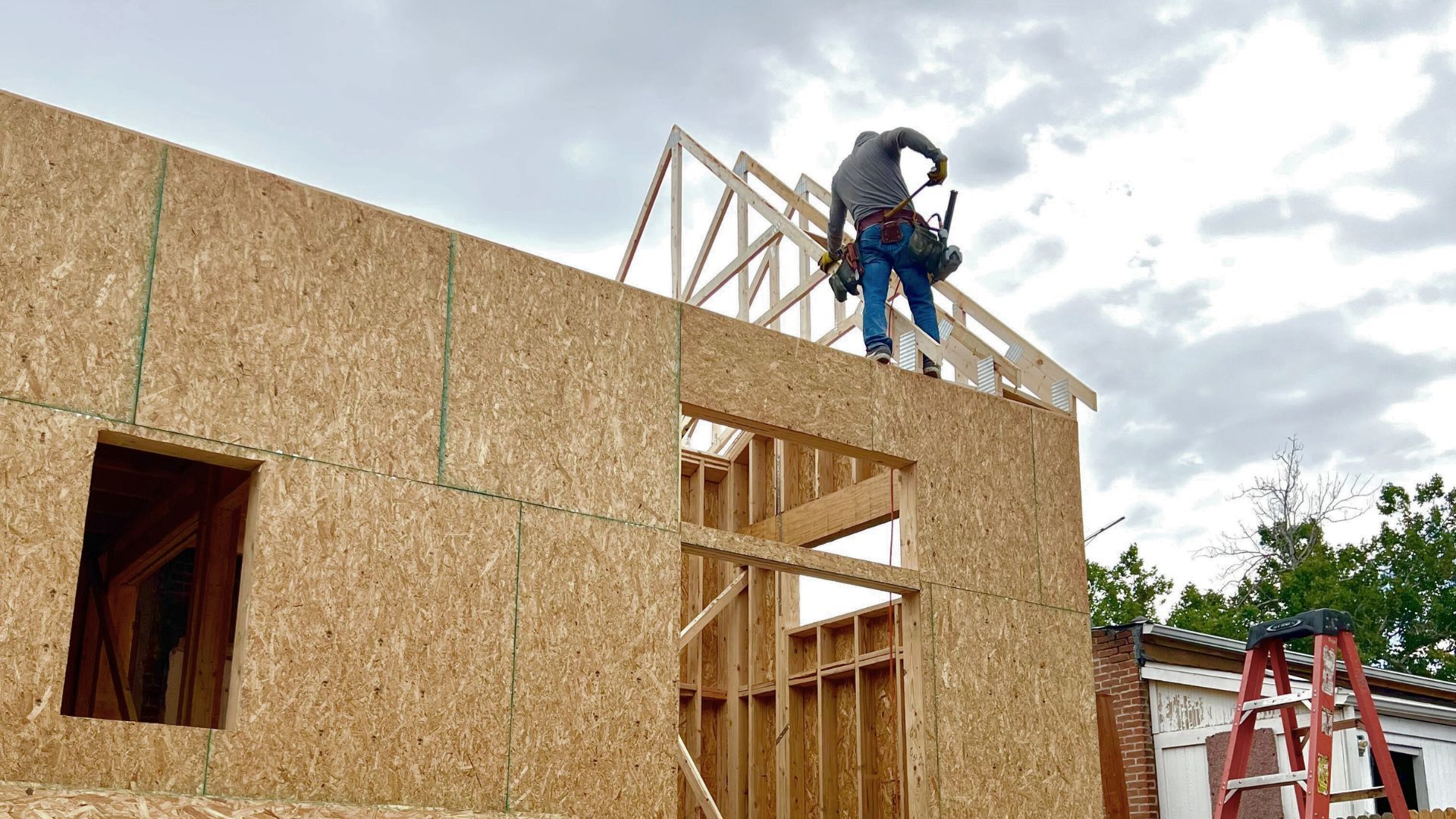
Building an ADU in Denver, Sustainable Design Build offers multiple options for homeowners to capitalize on their property.
Choosing between a detached vs attached ADU in Denver depends on budget, space, and long-term goals. Detached ADUs offer greater privacy, rental potential, and flexibility as a separate structure, while attached ADUs are more cost-effective and easier to build by using existing space. Homeowners should evaluate lot size, zoning, and intended use to determine which ADU type best fits their property.

What Is the Difference Between a Detached and Attached ADU in Denver?
A detached ADU is a standalone structure built separately from the main home, typically in the backyard. An attached ADU shares at least one wall with the primary residence and may be created through an addition or conversion of existing space. Both options are permitted in many Denver neighborhoods, but zoning, lot size, and design constraints influence what is feasible on a specific property.
ADUs have gained traction because of their adaptability across different property types and housing needs, making both detached and attached configurations viable solutions in urban markets.
Why Choose a Detached ADU in Denver?
A detached ADU offers a higher level of privacy and independence because it functions as a completely separate living space. This makes it especially appealing for rental income, guest accommodations, or multi generational living arrangements where separation is important.
From a long term perspective, detached ADUs often provide stronger flexibility. They can be used as short term or long term rentals, home offices, or independent residences without impacting the main home’s layout. This separation can also enhance perceived property value, particularly in competitive Denver real estate markets.
However, detached ADUs typically involve higher construction costs due to new foundations, utility connections, and full structural development. These factors should be carefully evaluated against the intended return on investment.
Why Choose an Attached ADU in Denver?
An attached ADU is generally more cost efficient because it utilizes existing structural components and utility systems. By sharing walls and infrastructure with the main home, construction complexity and overall expenses are often reduced.
Attached ADUs are also easier to integrate architecturally, allowing the addition to feel cohesive with the existing home. This option is often preferred by homeowners who want to create additional living space for family members while maintaining close proximity.
For properties with limited lot size or stricter zoning constraints, attached ADUs may be the most practical path forward. They allow homeowners to expand livable space without requiring significant changes to the property footprint.
How Do Cost and Property Constraints Impact Your ADU Choice?
Budget, lot size, and zoning regulations are primary factors when deciding between a detached and attached ADU in Denver. Detached units require more land and higher upfront investment, while attached units offer a more accessible entry point for many homeowners.
Denver’s zoning codes, setback requirements, and utility access can also determine feasibility. In many cases, a property may naturally lend itself to one option over the other based on available space and infrastructure.
Understanding these constraints early in the planning process helps homeowners align their goals with realistic construction outcomes.
Which Type of ADU Is Better for Rental Income or Long Term Value?
Detached ADUs are often better suited for rental income because they provide a fully independent living environment. Tenants typically value privacy, separate entrances, and reduced interaction with the primary residence.
Attached ADUs can still generate income, but they may be more appealing for long term tenants or family use rather than short term rental strategies. The choice ultimately depends on how the homeowner plans to use the space over time.
Both options can contribute to property value, but detached ADUs tend to offer broader flexibility, which can be attractive to future buyers.
How Can You Decide Which ADU Is Right for Your Property?
The right ADU type depends on how the space will be used, what the property can support, and the homeowner’s long term goals. A detached ADU is often the better fit for maximizing privacy and flexibility, while an attached ADU is ideal for managing costs and simplifying construction.
Homeowners exploring ADU construction in Denver should evaluate both options in the context of their specific lot, budget, and intended use. A thoughtful approach ensures the final design aligns with both immediate needs and future opportunities.
What Is the Bottom Line When Choosing Between Detached and Attached ADUs?
Both detached and attached ADUs are effective ways to expand living space and increase property functionality in Denver. The decision comes down to balancing cost, privacy, design flexibility, and long term value.
By understanding the strengths of each option, homeowners can make a more informed decision that supports their lifestyle, investment goals, and the unique characteristics of their property.
Connect With Us
Planning your next renovation, or maybe you are looking to do a complete remodel for your home? Whatever the task, it can’t hurt to ask. Reach out to our team through this form.
We can schedule a free consultation and discuss everything you need to get your project moving in the right direction. Did we mention, it’s absolutely free?