
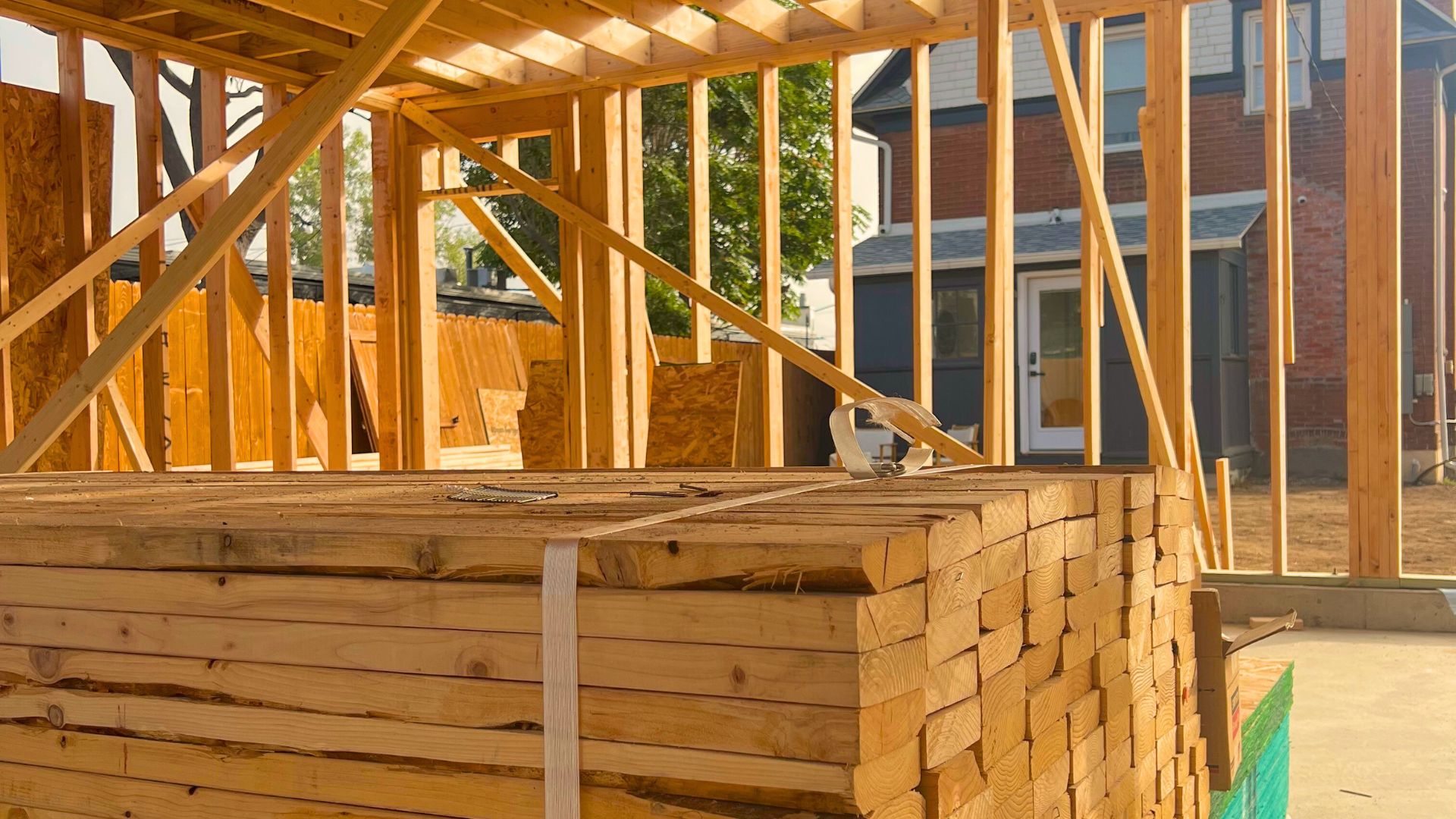
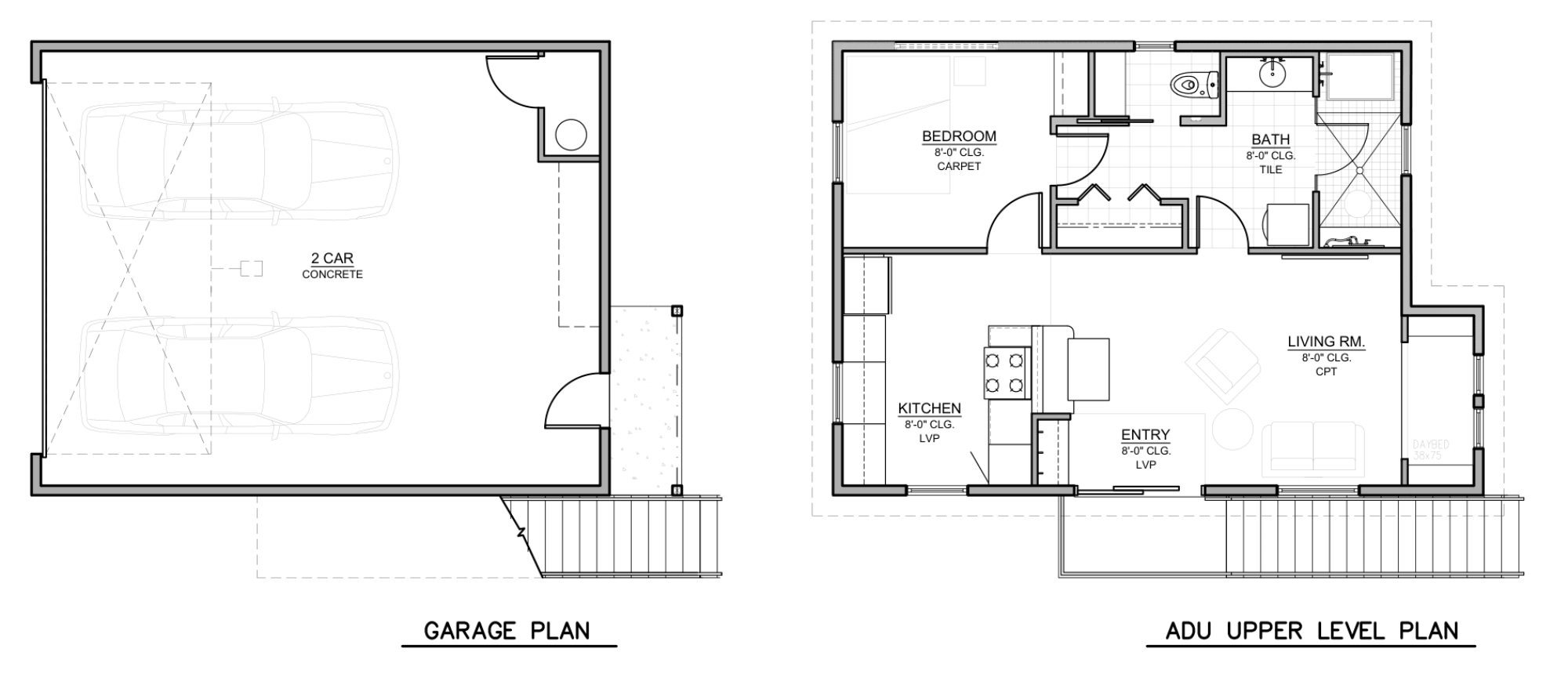
ADU Design can vary from space to space but utlimately relies on what the homeowner is needing for function.
Colorado’s HOME Act and related lot split legislation signal an important shift in housing policy by making it easier for qualifying residential lots to be divided into two buildable parcels beginning in late 2027. While that does not create an immediate action item for most homeowners, it does reinforce a broader trend toward flexible residential development, stronger infill housing strategies, and continued interest in ADUs across Denver.
Understanding Colorado’s Push for More Flexible Housing
Colorado continues to face real housing pressure, and state lawmakers are responding with policies intended to encourage more housing within existing neighborhoods. According to the Colorado Housing Needs Assessment, the state needs substantially more housing to meet both current and future demand. In that context, the HOME Act and the state’s lot split bill reflect a larger policy direction: create more opportunities for housing without relying solely on large-scale development.
For homeowners, builders, and property investors, this matters because it shows Colorado is increasingly open to practical forms of density. In Denver, that conversation already includes accessory dwelling units, which have become one of the most discussed and most realistic ways to add housing within existing residential neighborhoods. Sustainable Design Build has been at the center of that discussion through its work as a Denver ADU builder and through educational resources that help homeowners understand what is actually possible on their property.
What the New Lot Split Bill Actually Does
Under the bill summary, on or after December 31, 2027, a qualifying jurisdiction must approve a lot split through an administrative process if the required conditions are met. As summarized in the Colorado General Assembly bill page, the original lot must be at least 2,000 square feet, and the split cannot create a new lot smaller than 1,200 square feet. If the two lots are not equal in size, the smaller one must still be at least 30 percent of the original lot area.
The bill also limits this to lots that have not already been split under the law, require residential use to already be allowed, and require feasibility for access, utility easements, and survey compliance. Certain lots are excluded, including exempt lots and lots in some common interest communities created on or before December 31, 2027.
In practical terms, the bill is designed to make small-scale land division more predictable where it is physically and legally workable. That predictability is a major part of why this matters. Even if most homeowners do not act on it right away, the legislation creates a framework for future infill development that is easier to understand and harder for local processes to stall without cause.
Why This Matters for ADUs in Denver
At first glance, a lot split bill is not the same thing as an ADU policy. An ADU adds additional living space to an existing homesite, while a lot split may create two separate legal parcels. Still, the two ideas are closely related because both support the same broader housing trend: making residential land work harder.
For Denver homeowners, that means the state is not moving away from gentle density. It is moving further toward it.
That is especially relevant given Denver’s recent movement toward broader ADU access. Sustainable Design Build previously covered this in its post on Denver’s citywide ADU project, which explained how local policy changes could open more neighborhoods to ADU development. The new lot split legislation adds another layer to that broader conversation. It suggests that future housing flexibility in Colorado may extend beyond detached backyard homes and into new forms of property division and small-scale redevelopment.
For homeowners who are already evaluating whether they can add an accessory dwelling unit, this policy shift reinforces the importance of understanding their site now, even if the law’s most significant lot split provisions do not take effect until the end of 2027. Sustainable Design Build’s guide on whether you can build an ADU remains a useful starting point because zoning, lot size, access, and buildability are still the practical questions that shape what is possible.
What Homeowners Can Actually Do Right Now
The most important point is that this is not a bill that suddenly allows every homeowner to split a lot tomorrow. There are timing requirements, eligibility limitations, infrastructure considerations, and mortgage-related issues that still matter. If a property is subject to a residential mortgage lien, the jurisdiction must verify that the lienholder has received notice and has provided written consent before the lot split can be approved. That consent must also be recorded properly. Without that, an approved split is void.
So while the legislation is meaningful, it is not a quick shortcut.
What homeowners can do now is treat this as a signal. Colorado is clearly supporting policies that encourage more housing options on residential land. In Denver, where ADUs are already a practical and increasingly relevant solution, that makes present-day planning more valuable. A homeowner may not be ready for a future lot split scenario, but they may be in an excellent position to build an ADU, create space for family, improve rental potential, or increase overall property utility today.

Why ADUs Still Matter Even More Right Now
Even with new state-level attention on lot splitting, ADUs remain one of the clearest and most accessible ways to add flexibility to a residential property. They do not require the same legal separation of land, they are already part of Denver’s housing conversation, and they align with the city’s ongoing efforts to expand housing choices while preserving neighborhood scale.
ADUs are an important tool for expanding housing supply, supporting multigenerational living, and creating more efficient use of existing neighborhoods. That national perspective supports what many Denver homeowners are already seeing locally: ADUs are no longer a fringe idea. They are one of the most realistic ways to adapt a property to changing financial and family needs.
For that reason, the new lot split bill does not reduce the relevance of ADUs. If anything, it strengthens the case that flexible residential development will continue to grow in importance across Colorado.
A Smarter Way to Read This Policy Shift
The most useful way to understand the HOME Act and the lot split bill is not as an immediate construction checklist, but as a directional indicator. Colorado is making it clearer that the future of housing will likely include more infill, more adaptability, and more willingness to let residential lots serve multiple purposes.
That does not mean every homeowner should rush into a project. It does mean property owners should begin thinking more strategically about what their lot can support, what local rules already allow, and how future legislation may increase long-term options.
For homeowners in Denver, ADUs remain one of the best ways to respond to that trend now. For the broader industry, including designers, builders, and housing professionals, the legislation confirms that small-scale residential development will remain a major part of Colorado’s housing conversation.
Final Thoughts
Colorado’s new housing legislation will not instantly change what most homeowners can build today, but it does make one thing very clear: the state is moving toward more flexible residential land use. That matters for Denver, and it matters for homeowners who are already considering ways to get more out of their property.
As a company deeply involved in the ADU space, Sustainable Design Build sees this legislation as part of a larger and important shift. Homeowners may not have major new actions to take today, but they do have a reason to pay attention. Policies like these shape what will be possible next, and the best decisions usually start before the market fully catches up.
Connect With Us
Planning your next renovation, or maybe you are looking to do a complete remodel for your home? Whatever the task, it can’t hurt to ask. Reach out to our team through this form.
We can schedule a free consultation and discuss everything you need to get your project moving in the right direction. Did we mention, it’s absolutely free?