
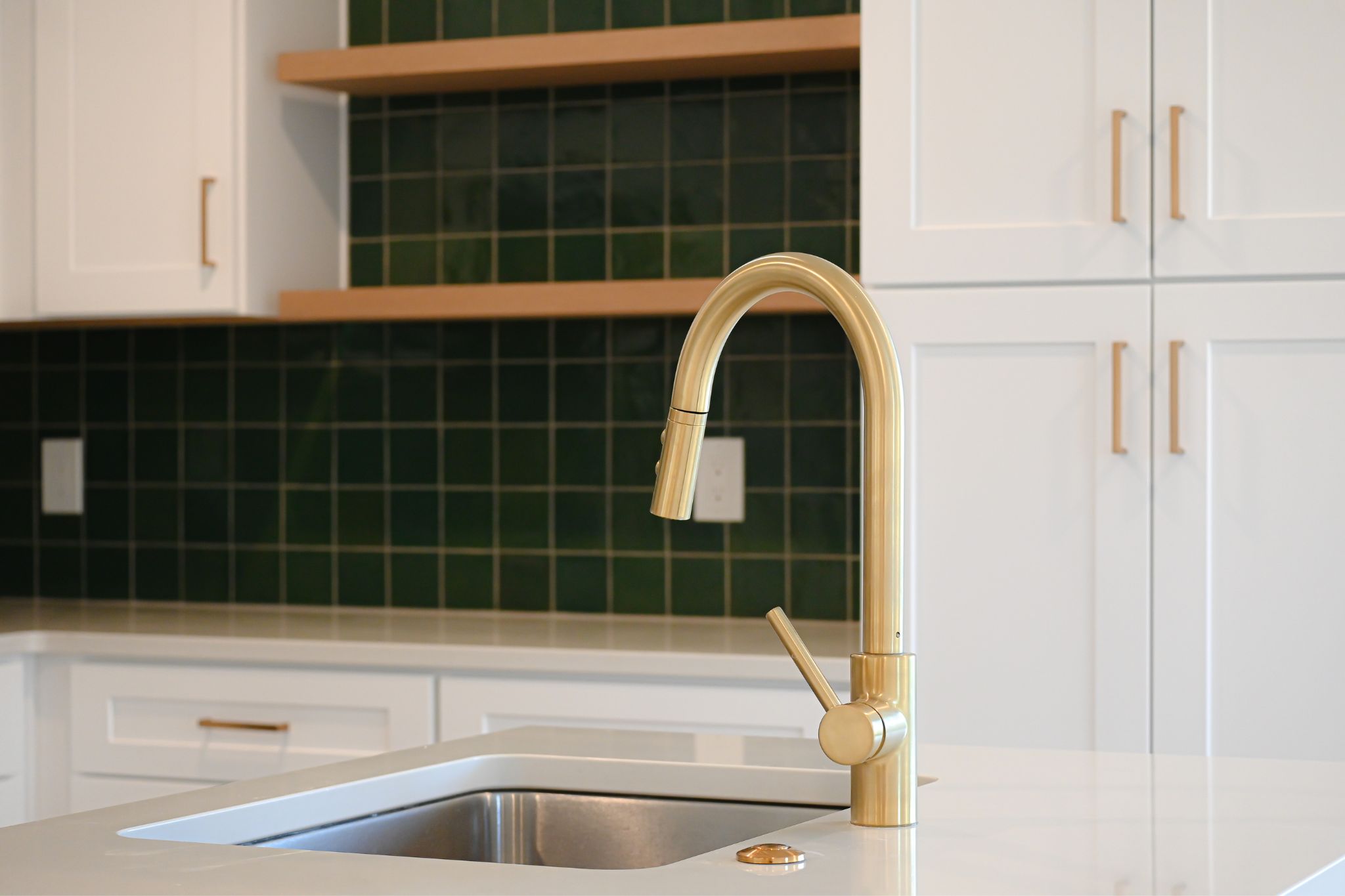
ADU interior design ideas that maximize space, light, and functionality with expert design-build planning in Denver.
ADU interior design maximizes small spaces through open layouts, natural light, and multi-functional elements. A design-build approach ensures these strategies are integrated early, creating efficient, comfortable living spaces.
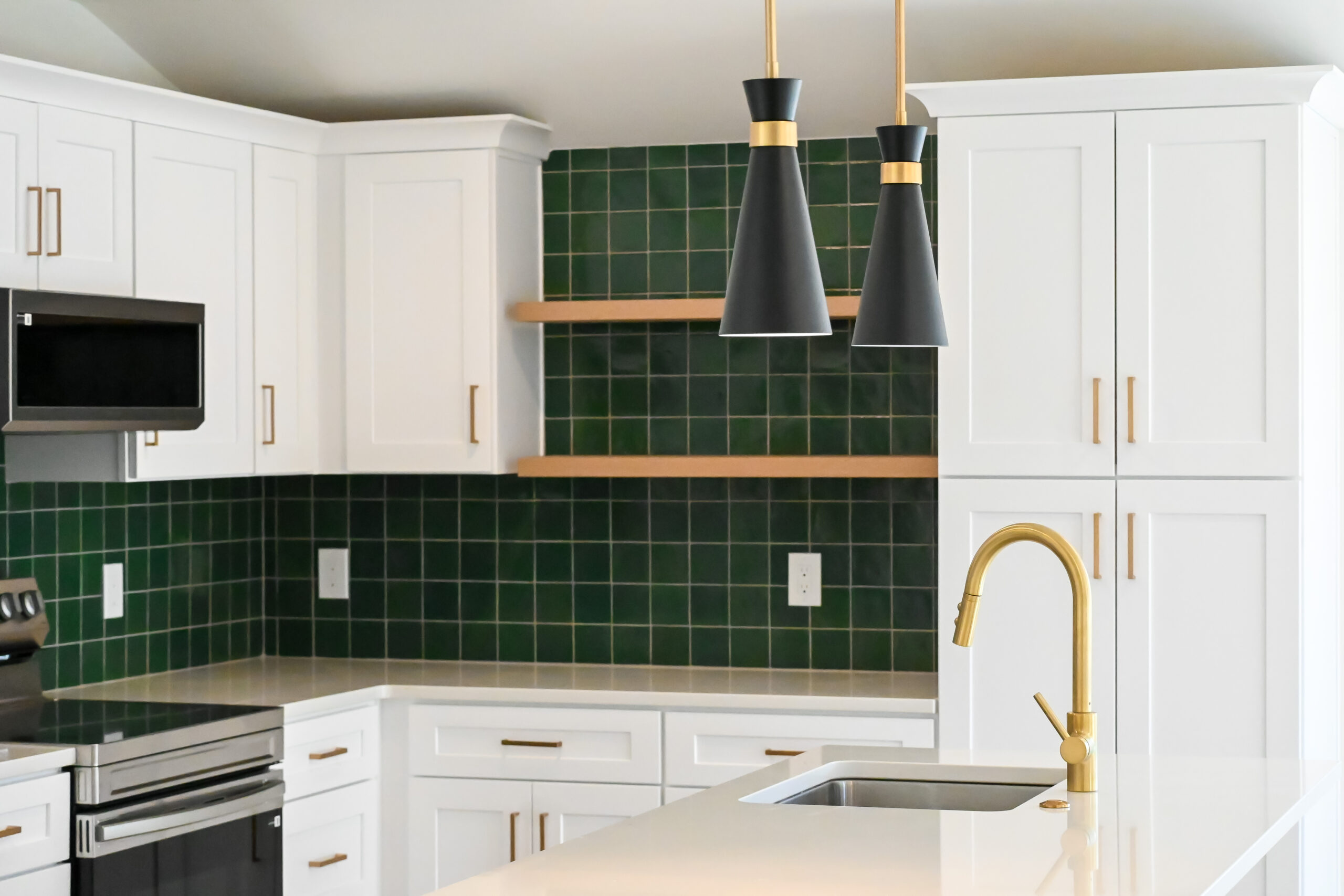
Why Interior Design Matters in ADU Construction
As demand for ADU construction in Denver continues to grow, interior design has become a defining factor in how these spaces function day to day. With most accessory dwelling units ranging from 400 to 1,000 square feet, efficiency is not optional, it is foundational.
At Sustainable Design Build, interior planning is not treated as a separate phase or an afterthought. Instead, it is integrated into the design-build process from the beginning. By aligning architects, interior designers, and construction professionals early, each decision is made with both form and function in mind.
This collaborative approach ensures that every square foot serves a purpose while maintaining a cohesive and comfortable living environment.
How the Design-Build Process Improves ADU Interior Functionality
A traditional design process often separates architecture from interior design, which can lead to missed opportunities in smaller spaces. In contrast, a design-build model allows these disciplines to work together from day one.
At Sustainable Design Build, the in-house team of designers and architects evaluates layout, storage, lighting, and material selections simultaneously. This coordination helps eliminate inefficiencies and ensures that interior design strategies are built directly into the structure itself.
Research from Houzz on small space design supports this approach, noting that early planning and cohesive design decisions significantly improve how compact homes feel and function.
Open Layout ADU Design for Better Flow and Space
One of the most impactful strategies in ADU interior design is minimizing unnecessary walls. Open layouts allow the kitchen, living, and dining areas to flow together, creating a more expansive feel.
When architects and interior designers collaborate during the planning phase, structural decisions can support this openness without sacrificing practicality. This results in a layout that feels natural rather than constrained.
Additionally, the U.S. Department of Energy notes that open floor plans improve daylight distribution, which enhances both comfort and energy efficiency in smaller homes.
Maximizing Natural Light in Small ADUs
Natural light plays a critical role in making an ADU feel larger than its actual footprint. Window placement, door selection, and ceiling design all influence how light moves through the space.
Through a coordinated design-build process, these elements are considered early, allowing for intentional placement that maximizes daylight without compromising privacy or structural integrity.
According to the National Renewable Energy Laboratory, effective daylighting strategies improve visual comfort and overall well-being, reinforcing the importance of integrating lighting design from the start.
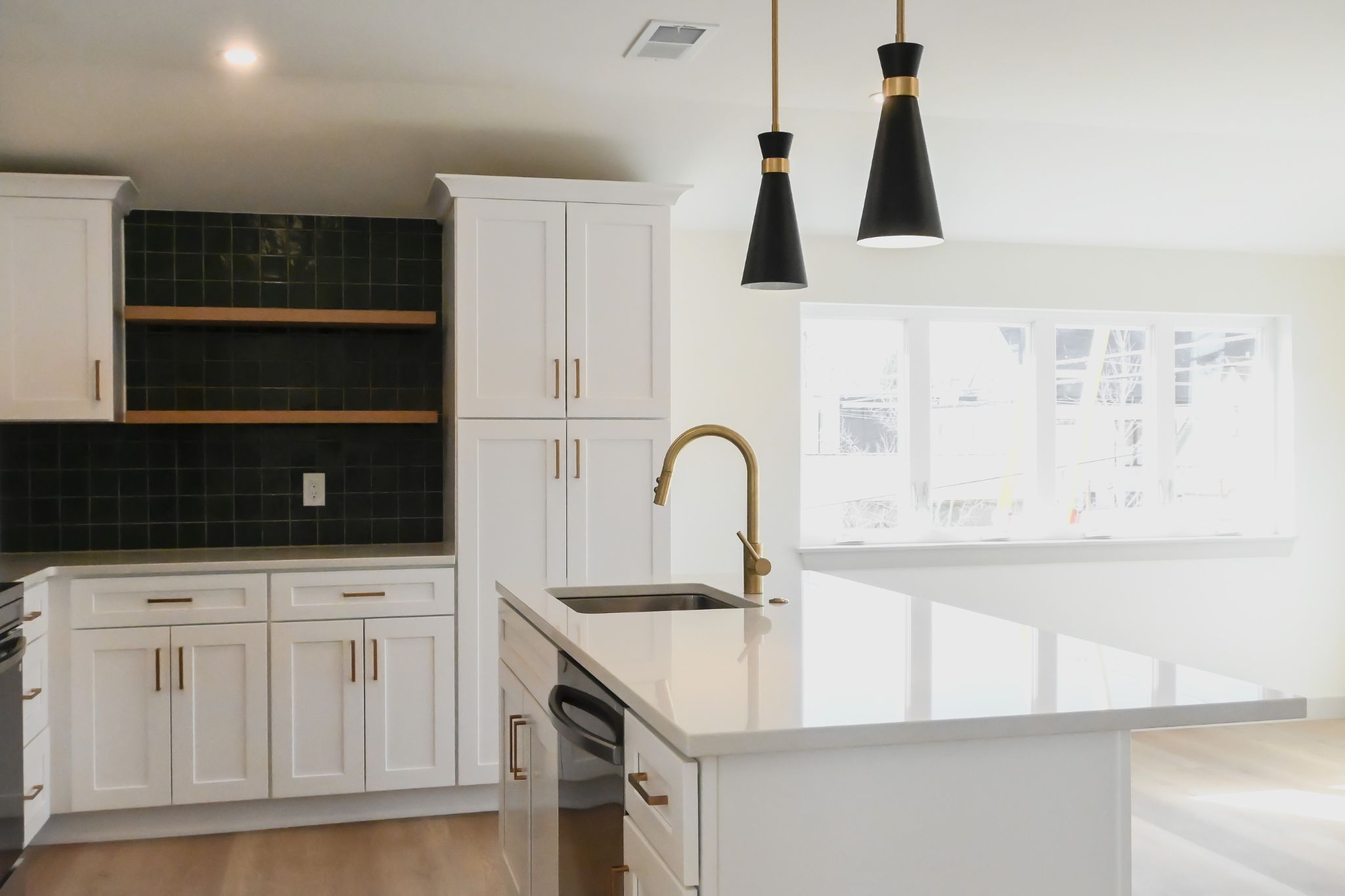
Multi-Functional Interior Design Solutions for ADUs
In compact homes, flexibility is essential. Multi-functional features such as built-in storage, convertible furniture, and integrated workspaces allow a single area to serve multiple purposes.
What distinguishes a well-executed ADU is how seamlessly these elements are incorporated. Rather than adding them later, Sustainable Design Build integrates these solutions into the architectural design itself.
This results in interiors that feel intentional and uncluttered, where every feature contributes to both usability and aesthetics.
Material Consistency and Visual Flow in ADU Interiors
Material selection is another key factor in how spacious an ADU feels. Consistent flooring, cabinetry, and finishes create a unified visual experience that allows the eye to move freely throughout the space.
When these selections are made collaboratively between designers and builders, transitions between spaces become more refined and cohesive. This level of coordination reduces visual fragmentation and enhances the perception of openness.
Insights from Architectural Digest emphasize that continuity in materials and color palettes is essential for making smaller interiors feel larger and more balanced.
Integrated Interior Design Delivers Better ADU Outcomes
The success of an ADU is not defined by its size, but by how effectively that space is used. Interior design decisions influence everything from daily functionality to long-term comfort.
By using a fully integrated design-build approach, Sustainable Design Build ensures that architects and interior designers collaborate from the outset. This alignment allows key strategies such as open layouts, natural light optimization, and multi-functional design to be implemented seamlessly.
For homeowners exploring ADU construction in Denver, this process results in a more efficient, cohesive, and thoughtfully designed living space that performs well beyond its square footage.
Connect With Us
Planning your next renovation, or maybe you are looking to do a complete remodel for your home? Whatever the task, it can’t hurt to ask. Reach out to our team through this form.
We can schedule a free consultation and discuss everything you need to get your project moving in the right direction. Did we mention, it’s absolutely free?