Accessory Dwelling Units (ADUs) in Denver require careful attention to zoning, permitting, and occupancy rules before construction begins. Homeowners must confirm lot eligibility, understand height and size limits, navigate city permitting timelines, and comply with owner-occupancy requirements. Working with an experienced design-build contractor helps streamline approvals, reduce redesign risks, and ensure the ADU is built legally and efficiently within Denver regulations.
ADU Permits and Zoning in Denver: What Homeowners Need to Know
As housing needs continue to evolve across the Denver metro area, Accessory Dwelling Units (ADUs) have become an increasingly practical solution for homeowners seeking flexibility, added living space, or long-term rental opportunities. Whether built as a detached backyard cottage, garage conversion, or internal unit, ADUs are subject to detailed zoning and permitting requirements that must be addressed before construction begins.
For homeowners considering ADU construction in Denver, understanding these regulations early can prevent costly delays and design revisions. Sustainable Design Build works closely with clients to navigate local codes, evaluate feasibility, and guide projects from early planning through construction completion.
ADU Permits Are Required for All Denver Projects
All ADUs in Denver require formal building permits, regardless of whether the project involves new construction, a garage conversion, or a basement remodel. Permit applications typically include architectural drawings, site plans, structural details, and coordination with city review departments. According to the City and County of Denver’s building permit requirements, projects involving plumbing, electrical systems, or structural changes must undergo multiple reviews before approval (Denver Community Planning and Development).
Submitting complete, code-compliant plans at the outset helps reduce review cycles and keeps timelines predictable.
Zoning Determines Whether an ADU Is Allowed
Not every Denver property is eligible for an ADU. Zoning districts such as U-SU-A1, E-SU-D1, and similar residential classifications determine whether ADUs are permitted and what form they may take. Homeowners can verify eligibility using the city’s official zoning maps and zoning code (Denver Zoning Code).
Before design work begins, zoning analysis is essential to confirm whether an ADU is allowed, whether it must be detached or internal, and what dimensional limits apply.
Rezoning Is Possible but Requires Time and Approval
If a property is not currently zoned to allow an ADU, homeowners may pursue rezoning. This process involves a formal application, public notice requirements, planning board review, and city council approval. Rezoning timelines can extend several months and may involve neighborhood input. The Denver rezoning process outlines required steps and documentation (Denver Community Planning).
Rezoning feasibility depends on neighborhood context, adopted plans, and surrounding land use patterns.
Key Zoning Restrictions That Affect ADU Design
Denver’s zoning code places specific limitations on ADUs, including maximum building height, total square footage, required setbacks, and placement on the lot. Owner-occupancy requirements are also enforced, meaning the property owner must live in either the primary residence or the ADU. These standards are intended to preserve neighborhood character while expanding housing options (Denver Zoning Code User Guide).
Interpreting how these regulations apply to a specific property is a critical step in successful ADU planning.
Detached vs. Internal ADUs
Detached ADUs are separate structures, often located in rear yards or converted garages, while internal ADUs are built within an existing home, such as a basement apartment. Each type has distinct requirements related to height, fire separation, and access. The U.S. Department of Housing and Urban Development (HUD) notes that internal ADUs may offer faster approval timelines in some jurisdictions due to reduced visual impact (HUD ADU Overview).
Choosing the right ADU type depends on lot size, zoning constraints, and homeowner goals.
HOA Considerations for ADU Projects
In neighborhoods governed by a homeowners association, HOA approval may be required in addition to city permits. HOA covenants can restrict building size, exterior appearance, or even prohibit ADUs altogether, regardless of city zoning allowances. Reviewing HOA guidelines early helps avoid conflicts later in the process (Colorado HOA Information Center).
ADU Permitting Timelines in Denver
ADU permitting timelines vary depending on project complexity and review workload. Preliminary zoning and feasibility analysis typically takes several weeks, followed by design development and city review that may span multiple months. The Denver permitting process emphasizes complete submissions to minimize resubmittals and delays (Denver Development Services).
Inspections and Code Compliance
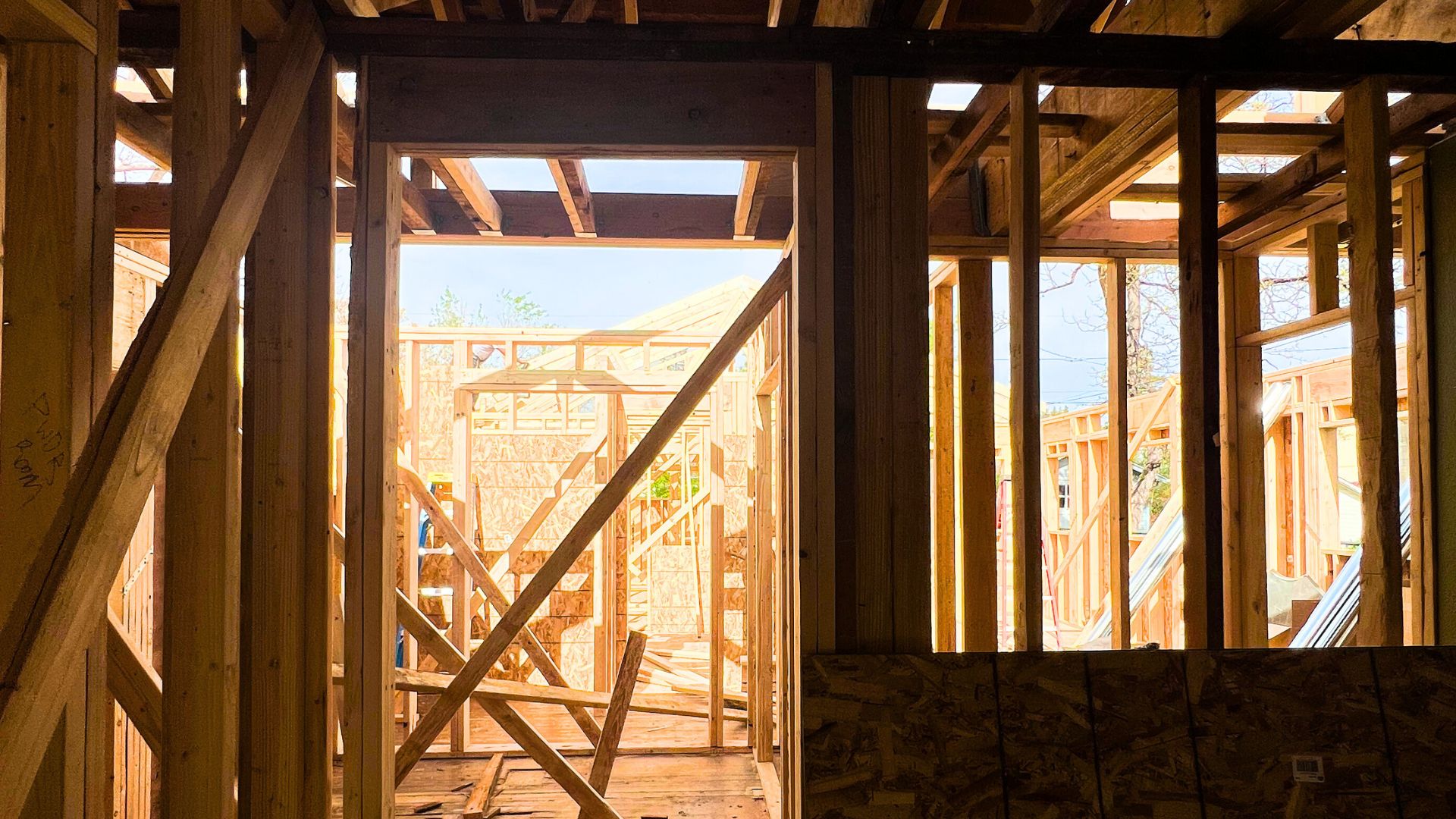
ADUs must pass required inspections throughout construction, including foundation, framing, mechanical systems, insulation, and final approval. Basement ADUs also require compliant egress and radon mitigation systems under Colorado building standards (Colorado Department of Public Health and Environment).
Rental Rules for Denver ADUs
Denver allows ADUs to be rented, provided owner-occupancy requirements are met. Long-term rentals of 30 days or more are generally permitted, while short-term rentals require additional licensing and compliance with city regulations (Denver Short-Term Rental Regulations).
Building ADUs With Confidence in Denver
Permitting and zoning are often the most challenging aspects of building an ADU, but they do not have to stall progress. With a clear understanding of regulations, thoughtful planning, and experienced guidance, homeowners can move forward confidently. Sustainable Design Build supports clients through zoning analysis, design coordination, permitting, and construction to ensure ADUs are built legally, efficiently, and with long-term value in mind.
For more information about ADU construction in Denver, visit Sustainable Design Build’s ADU services page and explore how thoughtful planning leads to successful projects.
Connect With Us
Planning your next renovation, or maybe you are looking to do a complete remodel for your home? Whatever the task, it can’t hurt to ask. Reach out to our team through this form.
We can schedule a free consultation and discuss everything you need to get your project moving in the right direction. Did we mention, it’s absolutely free?