
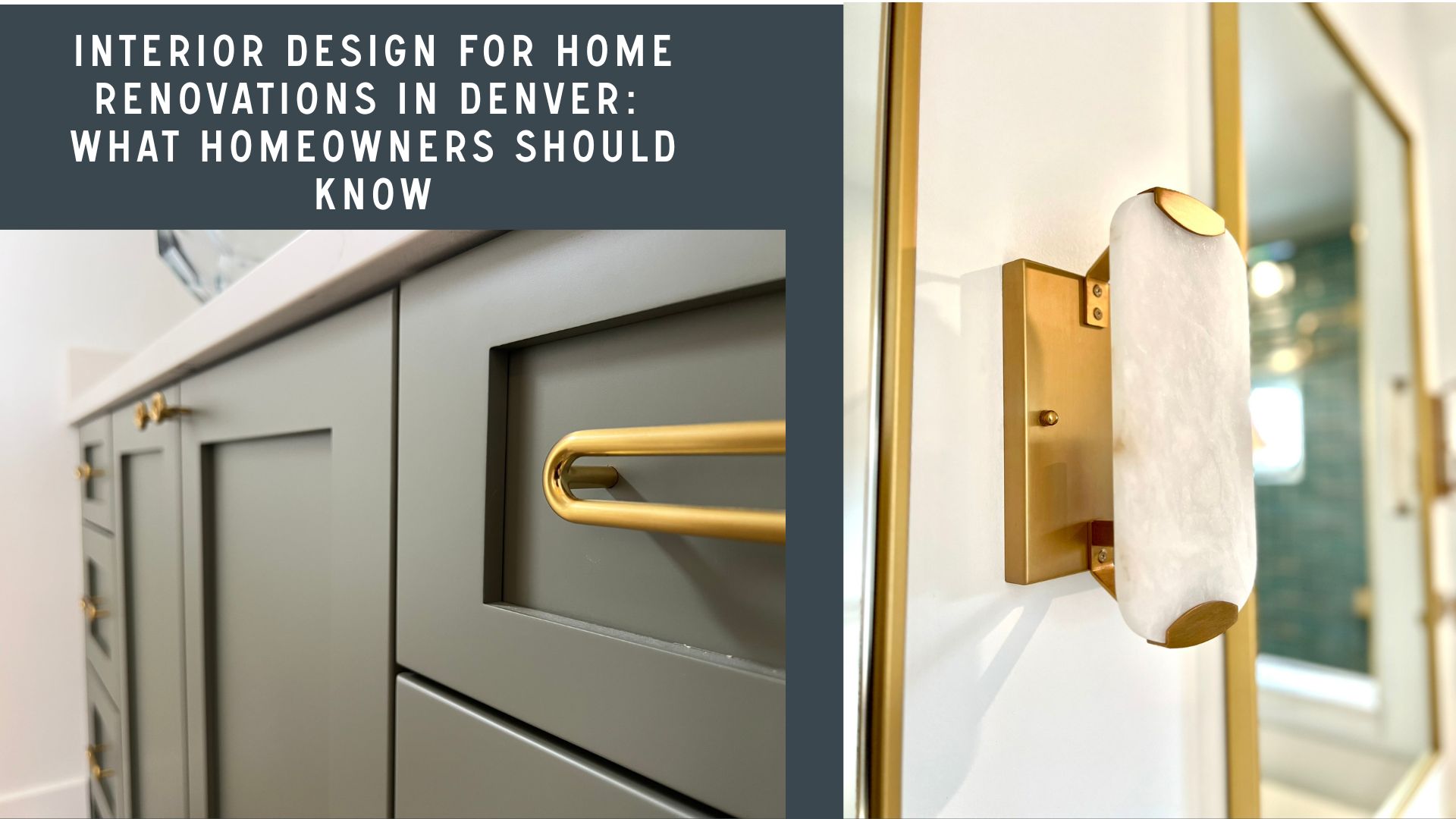
Interior design for home renovations in Denver focuses on improving function, flow, and long-term livability while aligning aesthetics with construction realities. Successful renovation design considers layout planning, material durability, permitting requirements, and how spaces connect across the home. Working with an integrated design-build team helps homeowners avoid costly revisions and ensures design decisions support both lifestyle and resale value.
Interior Design for Home Renovations in Denver: What Homeowners Should Know
Home renovations in Denver often begin with a vision for improved aesthetics, but lasting success depends on how well interior design is integrated into the renovation process. From layout reconfiguration to material selection, interior design plays a critical role in shaping how renovated spaces look, feel, and function over time.
For homeowners planning renovations, thoughtful interior design for home renovations in Denver helps align personal style with practical considerations such as building codes, structural limitations, and long-term durability. Sustainable Design Build approaches interior design as a foundational part of the renovation process rather than a decorative afterthought.
Why Interior Design Matters in Renovation Projects
Interior design in renovation projects goes far beyond surface finishes. Design decisions influence circulation, lighting, storage, and how rooms connect to one another. According to the American Society of Interior Designers, well-planned residential interiors support functionality, health, and comfort while improving overall home performance (American Society of Interior Designers).
In renovation settings, interior designers evaluate existing conditions and identify opportunities to improve layout efficiency, natural light access, and spatial balance. These early design insights help guide construction decisions and reduce the risk of rework later in the project.
Designing for Denver Homes and Lifestyles
Denver homes span a wide range of architectural styles, from historic bungalows to contemporary infill residences. Interior design for renovations must respect existing structures while adapting spaces for modern living. The National Association of Home Builders notes that open layouts, flexible living areas, and durable finishes are among the most requested features in residential renovations nationwide (NAHB Remodeling Trends).
Local climate also plays a role. Materials must perform well in Denver’s dry conditions and temperature fluctuations. Thoughtful interior design accounts for flooring stability, finish durability, and daylight management to ensure renovated spaces remain comfortable year-round.
Interior Design and Layout Planning
One of the most impactful aspects of interior design in home renovations is layout planning. Renovations often involve removing walls, reconfiguring kitchens, or redefining underused spaces. Strategic planning helps create intuitive flow between rooms while supporting everyday routines.
Interior designers consider how spaces are used throughout the day, ensuring kitchens, living areas, and private rooms function cohesively. The U.S. Department of Housing and Urban Development highlights that well-planned residential layouts improve usability and adaptability over time (HUD Residential Design).
Material Selection for Renovation Durability
Material selection is where interior design directly affects longevity and maintenance. High-traffic areas require surfaces that balance aesthetics with resilience. Flooring, cabinetry, and countertops should withstand daily use while aging gracefully.
The National Kitchen and Bath Association emphasizes that durable materials and thoughtful detailing are essential in renovation design to support long-term value and performance (NKBA Design Resources).
Interior design professionals guide homeowners through these selections, helping avoid trends that may date quickly or materials that require excessive upkeep.
Integrating Interior Design With Construction
Interior design is most effective when coordinated closely with construction. Design decisions influence electrical layouts, plumbing locations, lighting plans, and structural changes. When interior design and construction are aligned from the start, renovations proceed more smoothly and efficiently.
The design-build approach allows interior designers and builders to collaborate early, ensuring that design intent is realistic, code-compliant, and constructible. This integration reduces delays and minimizes change orders during construction, a key benefit for complex home renovations.
Interior Design and Long-Term Home Value
Well-executed interior design contributes to both immediate enjoyment and long-term property value. Renovations that improve layout, functionality, and material quality tend to appeal to future buyers while enhancing daily living. According to Forbes Home, design-driven renovations that prioritize usability and quality finishes consistently rank among the most valuable home improvements (Forbes Home Renovation Insights).
Interior design helps ensure renovation investments are directed toward features that provide lasting returns rather than short-lived visual impact.
Interior Design as the Foundation of Successful Renovations
Interior design is not an add-on to home renovations. It is the framework that shapes how renovated spaces perform, connect, and endure over time. By addressing layout, materials, and functionality early, homeowners can achieve renovations that feel cohesive, comfortable, and aligned with their long-term goals.
Sustainable Design Build approaches interior design for home renovations in Denver as a collaborative process that supports thoughtful planning, efficient construction, and enduring results.
For homeowners considering renovation projects, exploring interior design services for home renovations in Denver is an important first step toward a home that functions as well as it looks.
Connect With Us
Planning your next renovation, or maybe you are looking to do a complete remodel for your home? Whatever the task, it can’t hurt to ask. Reach out to our team through this form.
We can schedule a free consultation and discuss everything you need to get your project moving in the right direction. Did we mention, it’s absolutely free?