
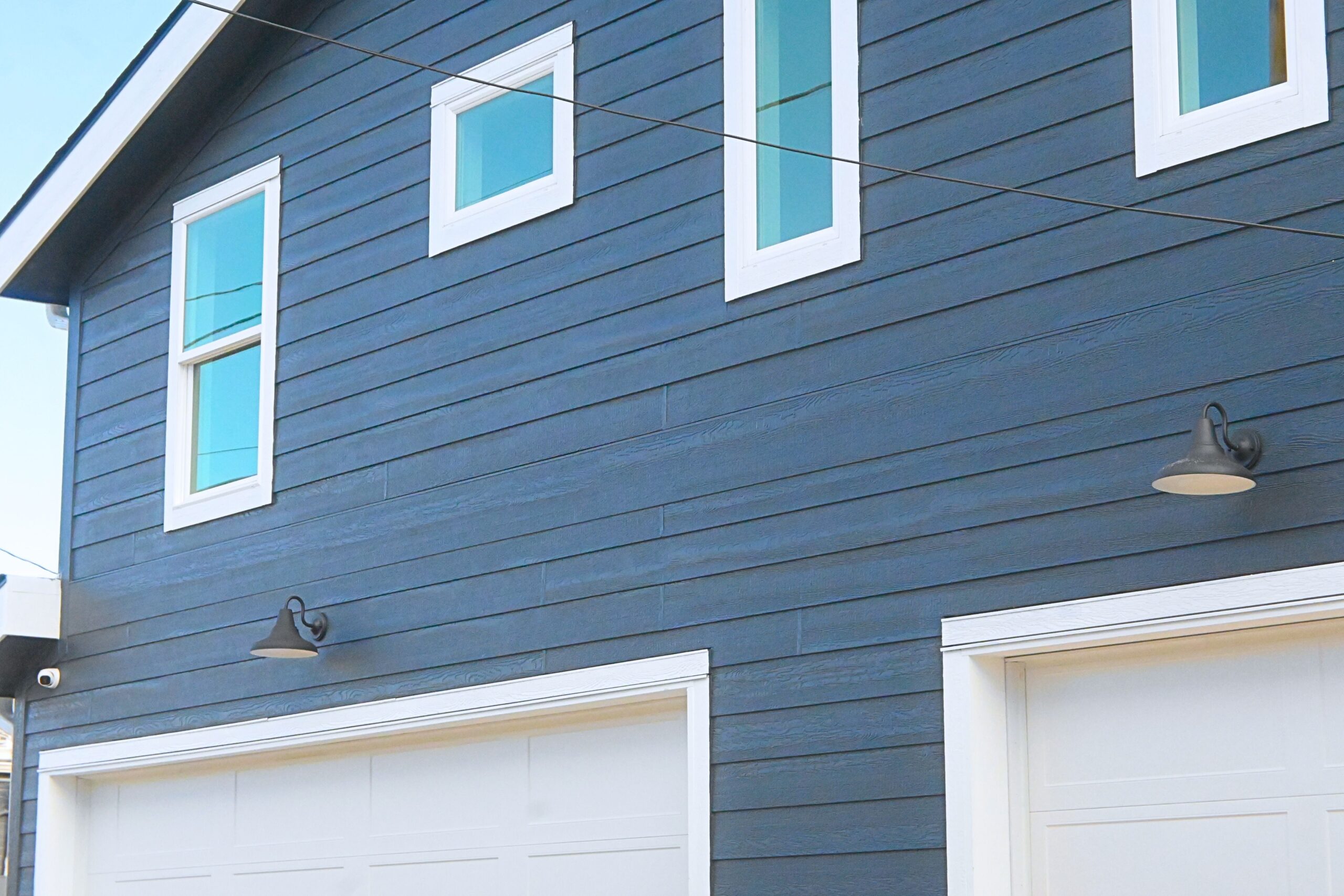
Photo of Exterior of Accessory Dwelling Unit in Denver constructed by Sustainable Design Build in 2026.
Denver residents pursue Accessory Dwelling Units (ADUs) to create rental income, support multigenerational living, increase property value, and gain long-term flexibility in a rising housing market. As zoning policies evolve and housing demand grows, ADUs offer a practical way to maximize existing property while adapting to lifestyle changes.
The Growing Demand for ADUs in Denver
Across Denver’s established neighborhoods, Accessory Dwelling Units are becoming a strategic response to shifting housing needs. Rising home prices, limited inventory, and changing family structures have influenced how homeowners think about their property. Rather than relocating, many are choosing to expand their existing footprint through thoughtfully designed secondary dwellings.
According to the City and County of Denver Community Planning & Development Department (2023), zoning updates in recent years have expanded ADU eligibility in several neighborhoods, supporting housing flexibility while maintaining neighborhood character. At the same time, national housing data from the Urban Institute (2022) and Freddie Mac (2023) indicate sustained housing shortages in growing metro areas like Denver.
Within this context, ADU construction has emerged not as a trend, but as a practical solution rooted in economic, social, and long-term planning considerations.
1. Generating Rental Income in a High-Demand Market
One of the primary motivations for building an ADU in Denver is the opportunity to generate supplemental rental income.
Denver consistently ranks among markets with strong rental demand due to job growth and population increases. As reported by the Denver Metro Association of Realtors (2023), housing affordability remains a challenge for both buyers and renters. For homeowners, an ADU offers a way to offset mortgage costs, property taxes, or rising living expenses.
Research from the Urban Institute (2022) suggests that ADUs can help stabilize homeowners financially by creating a relatively lower-cost rental option within established neighborhoods. Unlike large-scale multifamily development, ADUs integrate into existing residential lots while expanding housing availability.
From a construction and planning perspective, successful ADU projects consider long-term rental compliance, building codes, and neighborhood context. Experienced Denver ADU builders guide homeowners through permitting, design constraints, and occupancy regulations to ensure the investment aligns with local requirements and future market conditions.
2. Supporting Multigenerational Living
A second major factor influencing ADU construction is the rise of multigenerational households.
According to the Pew Research Center (2022), multigenerational living has grown significantly over the past two decades. Families increasingly seek ways to accommodate aging parents, adult children, or extended relatives while maintaining independence and privacy.
ADUs offer a balanced solution. Instead of converting basements or overcrowding a primary residence, homeowners can create a separate, self-contained living space on the same property. This arrangement provides proximity without sacrificing autonomy.
In Denver neighborhoods where lot sizes allow for detached or attached ADUs, families often view the investment as both a lifestyle and long-term planning decision. The flexibility to house relatives now and potentially transition the unit into a rental later adds to its appeal.
Thoughtful design is critical in these scenarios. Proper accessibility, sound separation, natural light, and durable materials contribute to a space that functions comfortably across generations.
3. Increasing Property Value and Marketability
Another key driver behind ADU construction is increased property value and resale appeal.
Real estate analysis from Freddie Mac (2023) indicates that homes with ADUs often command higher resale interest due to income potential and flexible living arrangements. While valuation varies by neighborhood and appraisal standards, properties with legal, permitted ADUs frequently stand out in competitive markets.
In Denver’s evolving housing landscape, buyers increasingly recognize the versatility of secondary dwellings. A well-designed ADU can function as:
- A rental unit
- A guest suite
- A home office
- A future downsizing option
This adaptability broadens a property’s buyer pool.
From a design-build perspective, integrating the ADU seamlessly with the primary residence is essential. Architectural cohesion, site planning, and compliance with Denver’s zoning requirements influence both appraisal outcomes and long-term performance. Homeowners exploring this route often consult experienced teams specializing in ADU construction services in Denver to ensure that quality, permitting, and structural standards are fully addressed.
4. Long-Term Flexibility in an Uncertain Housing Market
Beyond income and family considerations, many Denver residents build ADUs to gain long-term flexibility.
Housing cycles fluctuate. Interest rates change. Family needs evolve. An ADU allows homeowners to respond to these shifts without selling their property.
The Joint Center for Housing Studies of Harvard University (2023) notes that housing adaptability is increasingly important in markets with affordability pressures. By adding a secondary unit, homeowners effectively future-proof their property.
For example:
- A homeowner may initially use the ADU as a workspace.
- Later, it may house a college-aged child.
- Eventually, it could provide rental income during retirement.
This layered functionality makes ADUs a strategic investment rather than a short-term upgrade.
In Denver, where neighborhood character and lot configurations vary widely, careful site evaluation and regulatory expertise are essential. Working with professionals familiar with local planning guidelines helps ensure the ADU remains compliant and adaptable over time.
Regulatory Considerations in Denver
While demand continues to grow, ADU construction in Denver is governed by specific zoning overlays and permitting processes. The City and County of Denver (2023) provides guidance on eligible neighborhoods, lot requirements, and design standards.
Homeowners should verify:
- Zoning eligibility
- Height and setback requirements
- Owner-occupancy rules, if applicable
- Utility connections and infrastructure capacity
Clear communication with planning authorities and qualified design-build professionals reduces delays and ensures the project aligns with municipal standards.
A Strategic Response to Denver’s Housing Realities
Denver residents pursue Accessory Dwelling Units for practical, long-term reasons rooted in economics, family dynamics, and property strategy. Rental income potential, multigenerational living needs, enhanced resale appeal, and housing flexibility all contribute to the growing interest in ADU construction.
Rather than a passing trend, ADUs reflect a broader shift in how homeowners approach land use and housing investment. As Denver continues to evolve, secondary dwelling units provide a balanced solution that supports both individual property goals and broader community housing needs.
For homeowners evaluating whether an ADU aligns with their objectives, understanding zoning, design, and construction standards is essential. Exploring professional ADU construction services in Denver can provide clarity on feasibility, timelines, and long-term performance considerations.
Connect With Us
Planning your next renovation, or maybe you are looking to do a complete remodel for your home? Whatever the task, it can’t hurt to ask. Reach out to our team through this form.
We can schedule a free consultation and discuss everything you need to get your project moving in the right direction. Did we mention, it’s absolutely free?