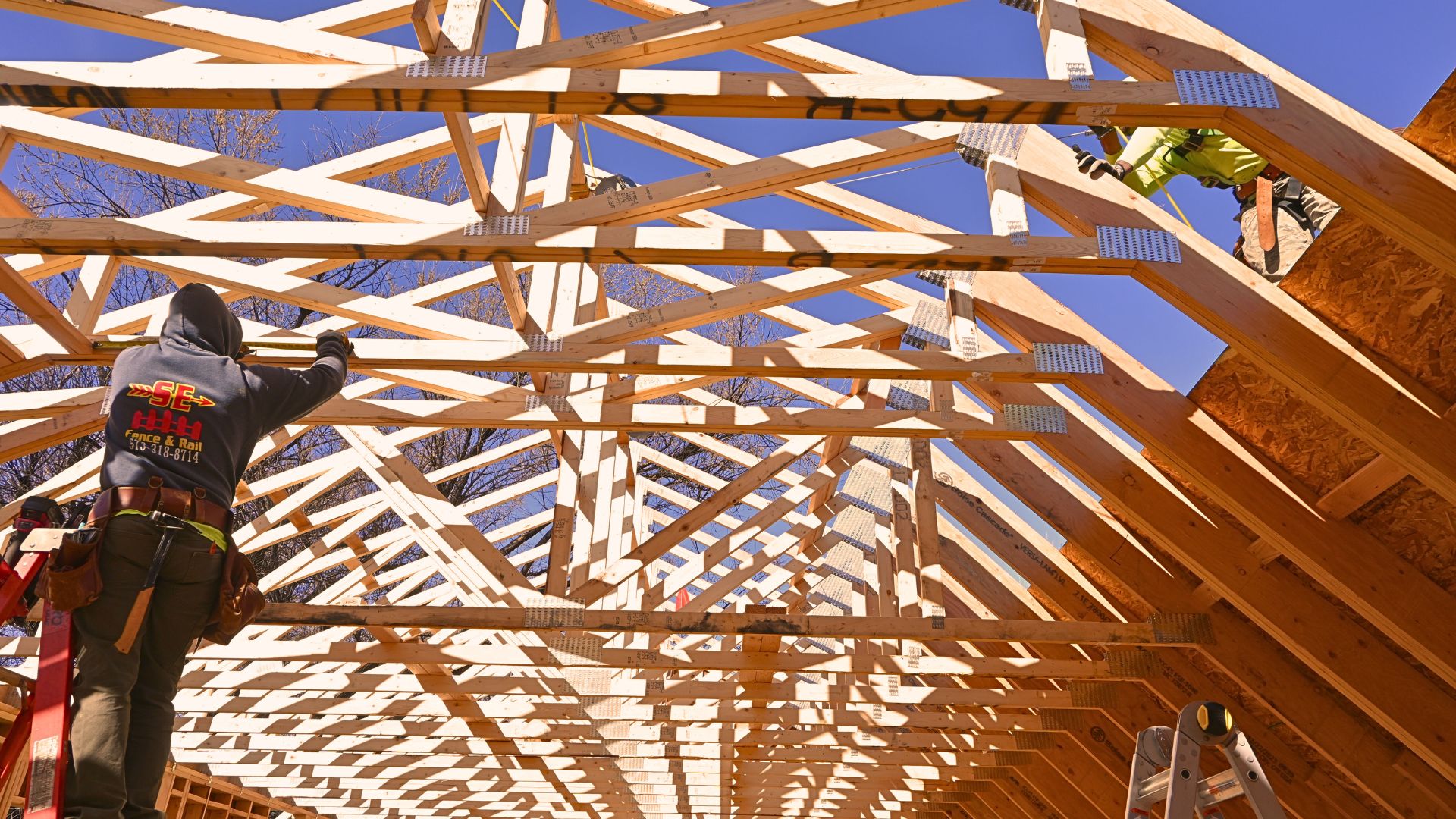
Home additions in Denver typically cost between $200 and $500 or more per square foot, with total project budgets often ranging from $150,000 to over $500,000. Costs vary based on whether the addition is built outward or upward, overall project size, and whether structural or utility upgrades are required. Second-story additions and pop-tops generally cost more due to increased structural, plumbing, electrical, and permitting complexity.
Key Cost Factors in Denver
- Home Addition Cost Per Square Foot
Ground-level additions typically range from $80 to $200 per square foot. Second-story additions and pop-tops usually range from $200 to $500 per square foot, with many projects exceeding $400 per square foot when major structural or mechanical upgrades are involved. - Total Project Cost Ranges
Small room additions may cost $18,000 to $36,000, while larger additions and second-story expansions often range from $150,000 to $500,000 or more. - Building Out vs Building Up
Building outward generally costs less when zoning allows, while building upward preserves yard space but increases cost due to demolition and structural reinforcement. - Plumbing, Sewer, and Utility Requirements
Additions that add bathrooms, kitchens, or expanded footprints may require sewer, drainage, or water service upgrades, increasing project cost. - Electrical Capacity and System Upgrades
Electrical panel upgrades, service modifications, or replacement of outdated wiring are common cost drivers, especially in older Denver homes. - Permitting and Market Conditions
Design requirements, permitting standards, and Denver’s labor market contribute to overall construction costs.
What This Means for Homeowners
Home addition costs in Denver are shaped by utilities, structure, and permitting as much as by square footage. Early evaluation of these factors is key to accurate budgeting.
Cost of a Home Addition in Denver
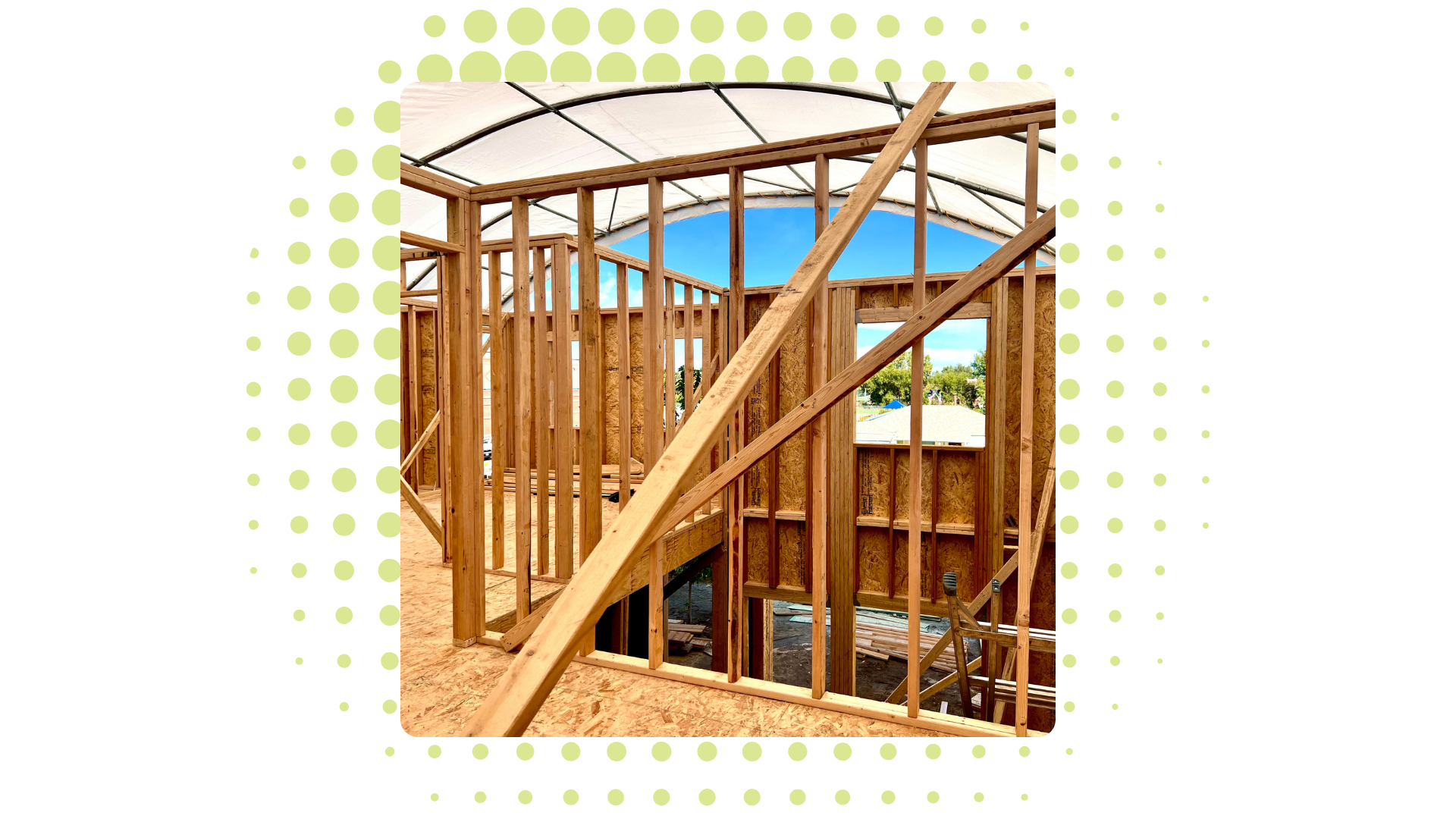
The cost of a home addition in Denver varies widely based on project type, structural requirements, and overall scope. Across the metro area, most additions fall between $200 and $500+ per square foot, reflecting Denver’s labor market, permitting standards, and construction complexity.
Larger additions, pop-tops, and second-story expansions commonly result in total investments of $150,000 to $500,000 or more, particularly when new structural systems are required or existing layouts are reconfigured.
Home Addition Cost Per Square Foot
Home addition cost per square foot depends largely on whether the project builds outward or upward.
Ground-level additions that expand the home’s footprint typically range from $80 to $200 per square foot when structural modifications are minimal and utilities can be extended efficiently.
Vertical additions, including second-story builds and pop-tops, generally range from $200 to $500 per square foot. Many projects involving new structural framing, roof removal, and mechanical upgrades fall closer to $400 to $450 per square foot.
Smaller room additions, such as a 12 by 12 foot space, may range from $18,000 to $36,000. As size and complexity increase, per-square-foot costs rise accordingly.
Second Story Addition Cost in Denver
Second-story additions represent one of the highest-cost forms of residential expansion in Denver. These projects require foundation evaluation, structural reinforcement, demolition, and extensive coordination across trades.
Most second-story additions fall between $200 and $500 per square foot, with costs exceeding $400 per square foot when bathrooms, laundry rooms, or full mechanical systems are added. A typical 1,000 square foot second-story addition often ranges from $150,000 to $400,000, with larger or more customized projects exceeding that range.
Building Out vs Building Up
Building outward generally offers a lower cost per square foot when zoning, lot coverage, and site conditions allow. These additions involve fewer structural interventions and often integrate more efficiently with existing systems.
Building upward allows homeowners to preserve yard space and maximize square footage on smaller lots, but typically carries higher costs due to structural, engineering, and sequencing requirements.
Major Factors That Influence Home Addition Costs in Denver: Plumbing, Sewer, and Underground Utility Work
Homeowners planning an addition often underestimate how much plumbing and sewer scope can shape the final budget. In Denver, the cost impact is not just the new bathroom or kitchen fixtures. It is the downstream question of whether the existing water service and sanitary or storm connections can legally and practically support the expanded home. For additions that trigger utility review, costs can rise quickly due to excavation, tie-ins, upgraded piping, or documentation required for approval.
Denver’s Sewer Use and Drainage Permit process is a major reason this category matters. Denver notes that projects submitted to the Building Department via e-permits are reviewed by the Sewer Use and Drainage Permit team for compliance with wastewater-related criteria, including sanitary and storm considerations and right-of-way impacts. (Denver.gov)
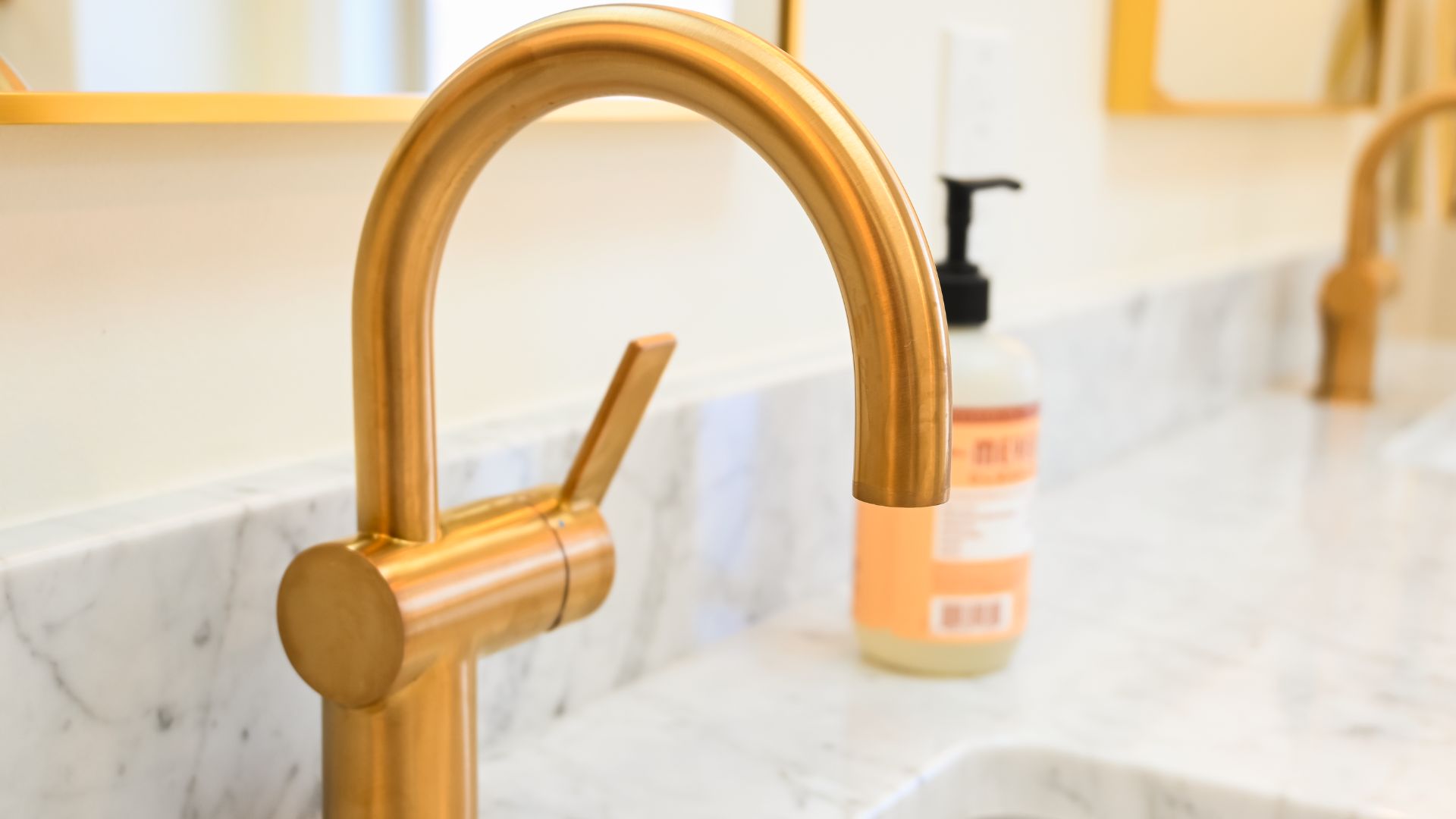
Do I need underground plumbing and sewer work when I build a home addition in Denver?
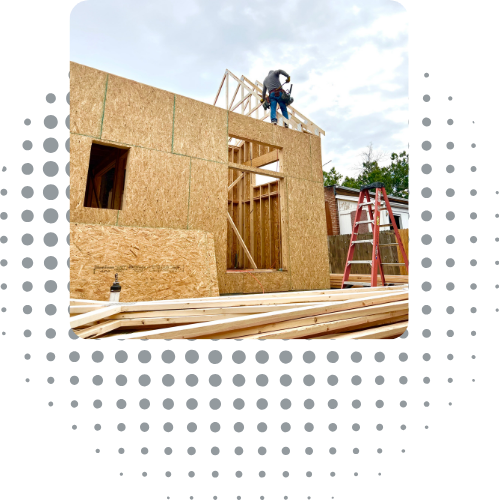
In many cases, yes, but not always. The practical answer is that underground work becomes likely when an addition adds plumbing fixtures, relocates drains, introduces a basement bathroom, expands the footprint into areas with limited slope, or when the existing sewer lateral is undersized, deteriorated, or configured in a way that cannot meet current requirements without modifications. Denver’s SUDP process exists to ensure adequate sanitary and storm services are provided for the site and to confirm compliance during review. (Denver.gov)
From a cost-planning standpoint, this means the budget should anticipate a range of outcomes. Some additions only require extending interior plumbing and tying into existing lines. Others require new cleanouts, reworking the building drain path, adding storm drainage components tied to grading changes, or trenching for new connections. When underground scope is required, it tends to be one of the biggest “scope swing” items because excavation and restoration can vary dramatically by site constraints and access.
Will SUDP and Denver utility approvals affect my permit timeline and cost?
They can, and that is why SDB treats utility feasibility as a core cost driver early in design. Denver’s SUDP review is integrated into the building permit process through e-permits, and the City provides residential submittal guidance specifically for single-family and duplex projects. (Denver.gov) On the water side, Denver Water states that it requires an evaluation of water service lines prior to issuing a building permit for certain residential major renovations, additions, or remodels that enter building or zoning permit review. (denverwater.org)
The pricing impact is straightforward. If the evaluation or review confirms existing services are adequate, costs remain closer to “standard” addition pricing. If an upgrade is needed, the project can require additional trenching, service work, coordination, and inspections, all of which increase total project cost and can influence schedule sequencing.
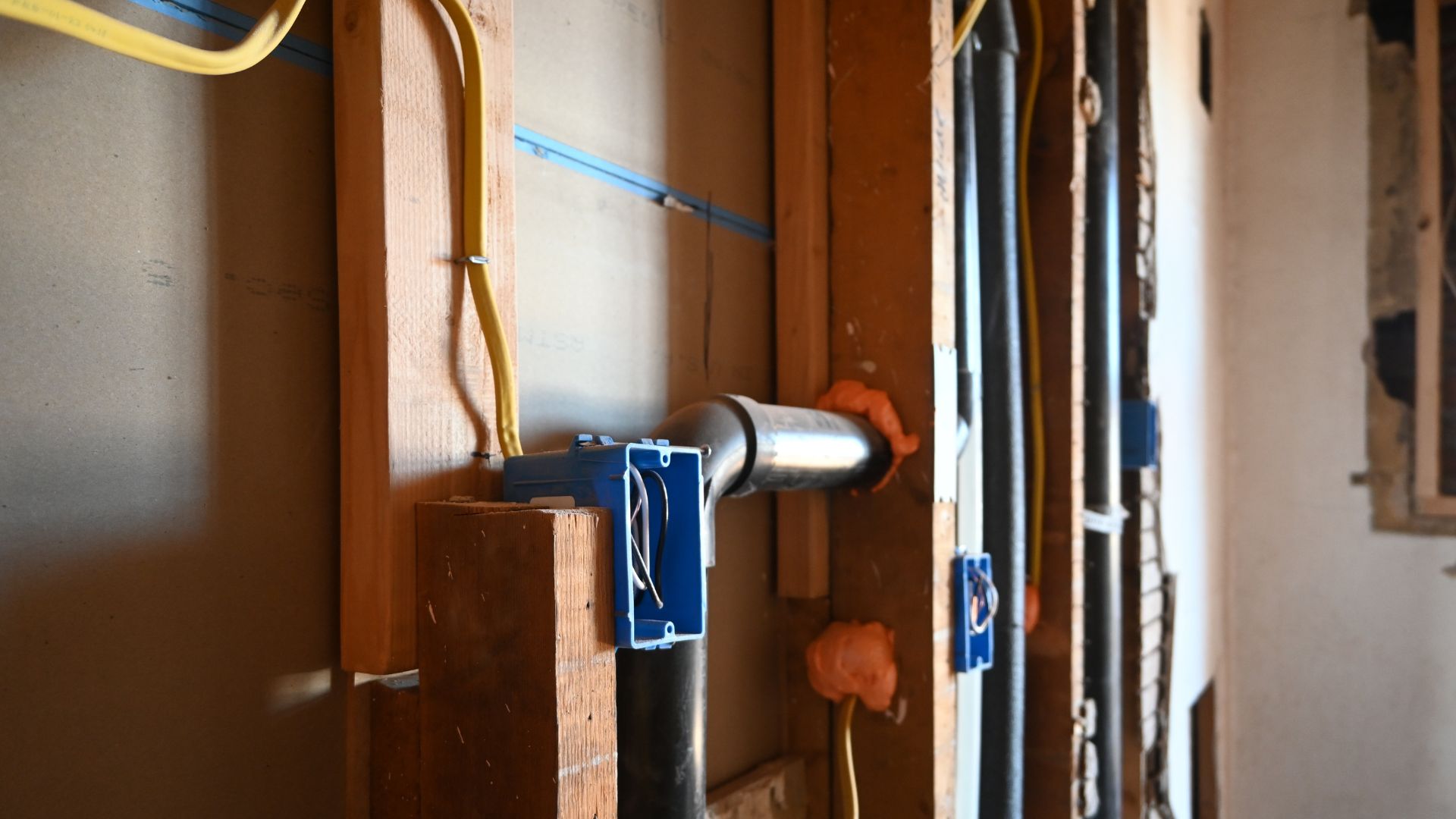
Electrical Upgrades That Can Change the Cost of a Denver Home Addition: Panel Upgrades and Outdated Wiring
Electrical is the second utility category that frequently shifts home addition budgets, especially in older Denver homes. The cost is not limited to wiring the new space. Many homes need capacity upgrades to safely supply the added loads, and the addition may uncover outdated systems that are no longer appropriate to extend.
Do I need an electrical panel upgrade for a home addition?
Not always, but it is common. If the addition includes electric heating, additional bathrooms with dedicated circuits, a new kitchen load, laundry equipment, or modern cooling, the existing panel can be undersized. A panel upgrade becomes more likely when the home already runs near capacity, experiences frequent breaker trips, or has limited open breaker space. Even when a full upgrade is not required, many additions still require subpanel work, circuit rebalancing, or service updates to keep the system safe and code-compliant.
Denver allows electrical permits in its permitting ecosystem and identifies electrical work as a permitting category, and Colorado also notes that electrical work requires a permit through the appropriate authority before the work begins. (Denver.gov) For budgeting, SDB treats electrical capacity confirmation as an early design milestone because the difference between “extend circuits” and “upgrade service and panel” can materially affect the total project cost.
What about replacing old wiring such as knob and tube?
If a home has knob and tube or other outdated wiring, an addition can be the moment when replacement becomes the practical and safety-forward choice, even if the addition itself does not legally mandate a full-home rewire. The reason is simple: extending from obsolete wiring is rarely an ideal long-term solution, and opening walls and ceilings during an addition can create an opportunity to modernize safely and cleanly. When older wiring is discovered, homeowners should expect potential cost increases tied to rewiring scope, new grounding, updated devices, and coordination with inspections.
Planning a Home Addition with Confidence
Understanding realistic cost ranges helps homeowners make informed decisions before design and construction begin. Early planning clarifies feasibility, budget alignment, and long-term value.
Sustainable Design Build approaches home additions with transparent cost modeling, integrated design, and a clear understanding of Denver’s construction environment, helping homeowners move forward with confidence and clarity.
Connect With Us
Planning your next renovation, or maybe you are looking to do a complete remodel for your home? Whatever the task, it can’t hurt to ask. Reach out to our team through this form.
We can schedule a free consultation and discuss everything you need to get your project moving in the right direction. Did we mention, it’s absolutely free?