


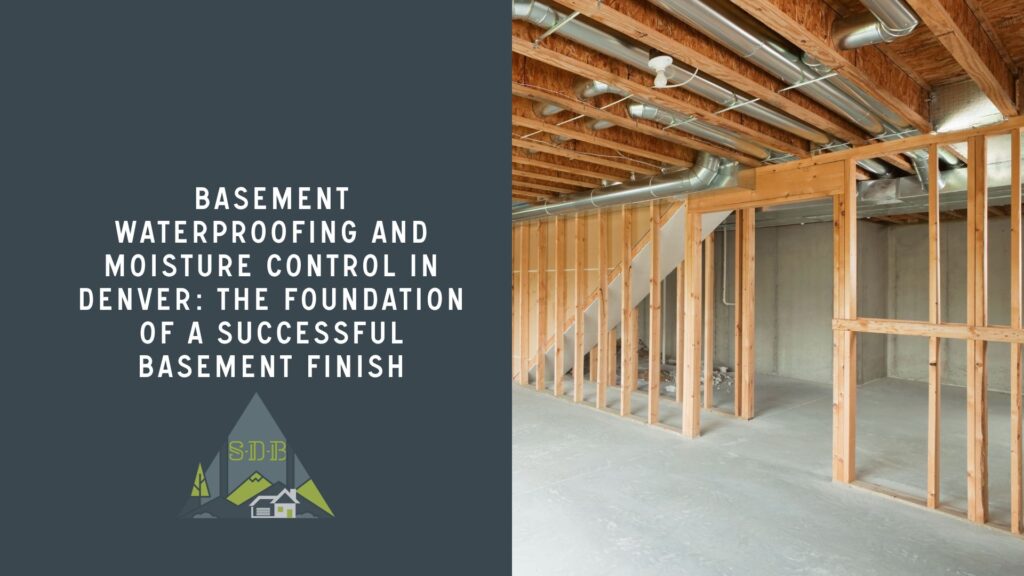

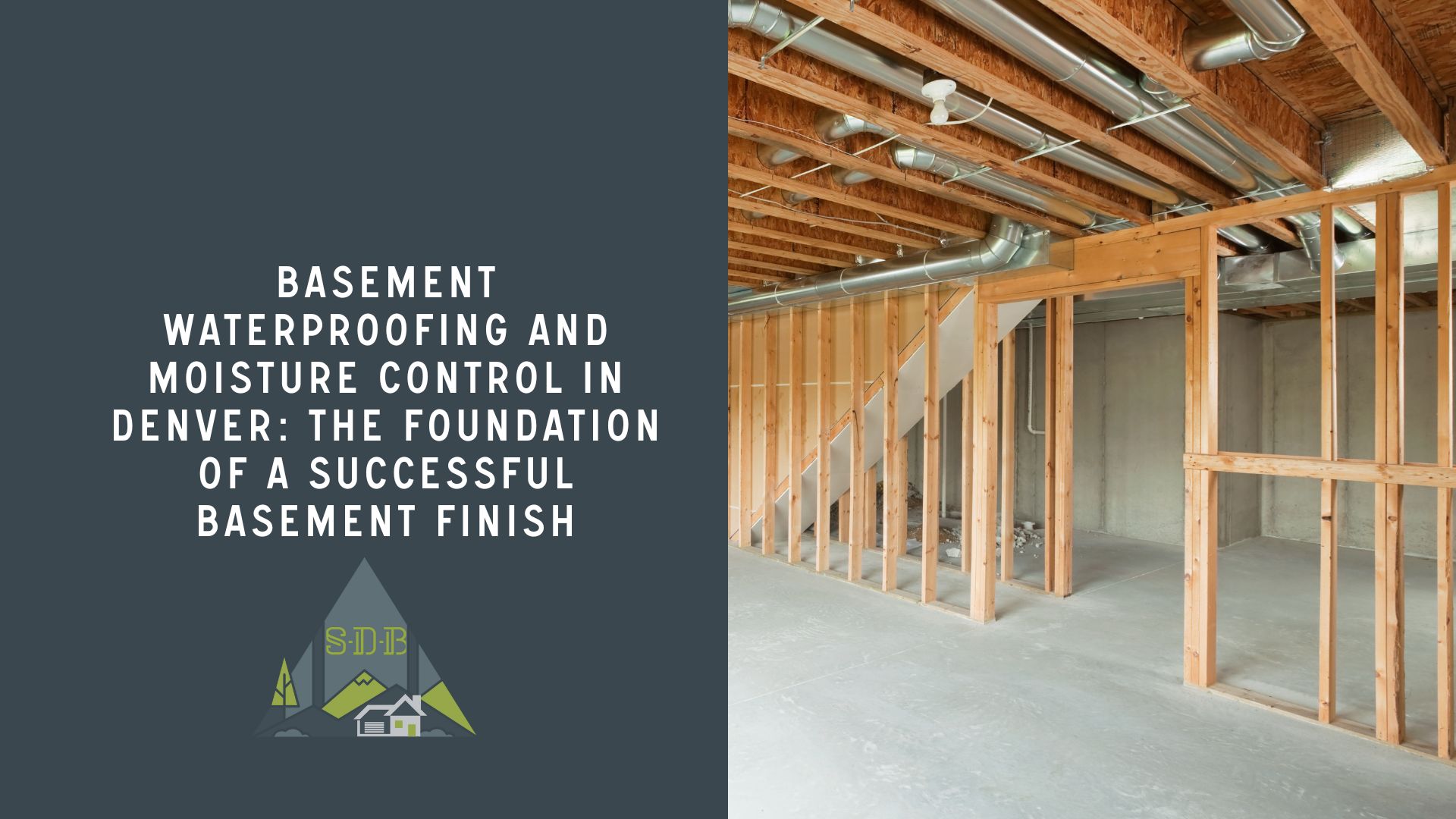
Basement waterproofing and moisture control are essential steps before any basement finishing project in Denver. Because Colorado soils experience seasonal expansion, snowmelt, and inconsistent moisture levels, basements are especially vulnerable to seepage, humidity, and foundation movement. Effective basement waterproofing includes drainage improvements, vapor barriers, sump pump systems, grading corrections, and proper insulation. Addressing moisture early protects finishes, prevents mold, and ensures long-term durability for a finished basement.
Basement Waterproofing and Moisture Control in Denver: The Foundation of a Successful Basement Finish
Basements across Denver, Wheat Ridge, and the surrounding metro area experience a unique combination of environmental pressures. Soil expansion, rapid freeze-thaw cycles, and seasonal moisture shifts all influence how water interacts with a home’s foundation. For homeowners planning a basement finishing project, understanding and addressing moisture is essential. Without proper waterproofing and control, even high-quality finishes can experience damage, mold, and long-term structural issues.
Sustainable Design Build regularly assists homeowners in preparing their basements for finishing by assessing moisture levels, identifying vulnerabilities, and integrating strategies that support safe and durable lower-level living spaces. This article explores the most effective waterproofing methods, common warning signs, and the steps homeowners should consider before beginning construction.
Why Moisture Control Is Critical in Denver Basements
Denver’s semi-arid climate creates unique moisture dynamics. Although precipitation levels are lower than in many parts of the country, water issues are common due to:
- Expansive clay soils
- Spring snowmelt
- Improper exterior grading
- Aging foundation drainage systems
- Hydrostatic pressure after extended wet periods
According to the Environmental Protection Agency (2024), moisture issues in basements are one of the leading contributors to indoor air quality problems and mold growth. A dry basement is essential for both occupant health and the integrity of finished materials.
Common Signs of Basement Moisture Problems
Before finishing a basement, homeowners should identify whether moisture is already present. Key signs include:
- Damp or humid air
- Condensation on walls
- Musty odors
- Efflorescence on concrete surfaces
- Water staining or previous patching
- Cracks in walls or floors
- Peeling paint or bubbling drywall
When these symptoms appear, it is necessary to determine whether the problem originates from exterior drainage, foundation weakness, or interior humidity.
Exterior Waterproofing Solutions
Exterior approaches aim to stop water before it reaches the basement walls or floor. These methods are the most effective for long-term protection.
1. Grading and Soil Re-Sloping
Proper grading directs water away from the foundation, reducing hydrostatic pressure. Over time, soil can settle, allowing water to pool near the home. Correcting the slope is a simple and impactful improvement.
2. Gutter and Downspout Extensions
Industry guidance from the International Association of Certified Home Inspectors (2024) recommends downspouts extend at least six feet away from the foundation to prevent saturation. Redirecting water is an inexpensive but critical adjustment.
3. Exterior Drainage Systems
French drains or perimeter drains provide controlled pathways for water flow. These systems move water away from the home and help stabilize soil moisture near the foundation.
Interior Waterproofing Solutions
Interior methods manage moisture that enters or accumulates within the basement.
1. Vapor Barriers
Vapor barriers are installed behind framed walls to prevent moisture from migrating into insulation or drywall. This is a foundational step before basement finishing and significantly improves durability.
2. Sump Pump Systems
A properly installed sump pump removes water from beneath the foundation, protecting the basement during heavy rains or rising groundwater. Battery backups are recommended for reliability during power outages.
3. Foundation Crack Repair
Even small cracks can become pathways for moisture. Epoxy injections or hydraulic cement repairs can restore integrity and prevent leaks during future weather events.
4. Dehumidification and Ventilation
Maintaining balanced humidity is essential for comfort and air quality. Whole-basement dehumidifiers and strategically placed vents ensure airflow and discourage mold development.
How Waterproofing Supports a Successful Basement Finish
Finishing a basement without first addressing moisture can lead to significant problems, including:
- Mold growth behind walls
- Damaged flooring materials
- Swelling or warping of wood components
- Odors and humidity issues
- Structural deterioration over time
Sustainable Design Build integrates moisture assessments into the early design stage to ensure every finished basement begins with a stable, dry foundation. When combined with thoughtful planning and coordinated construction, this preparation significantly enhances long-term performance.
For homeowners planning a full renovation, visit the Home Additions page and Design-Build Process to learn how preconstruction planning supports project quality.
Basement Finishing and Waterproofing Costs
Waterproofing costs vary depending on the source of moisture, foundation type, and the scale of improvements. While interior crack repair or a sump pump installation may represent moderate investment, exterior systems can be more substantial. However, these upgrades often prevent costly damage to future finishes such as flooring, drywall, and built-in cabinetry.
Before committing to a basement finishing project, homeowners can explore resources like average basement finishing cost per square foot to help understand budget ranges for complete lower-level transformations.
FAQ: Basement Waterproofing in Denver
Does every basement need waterproofing before finishing?
Not always, but moisture evaluation is essential. Even dry basements can benefit from vapor barriers and upgraded drainage to prevent future issues.
How do I know if my basement needs a sump pump?
Basements with signs of groundwater intrusion, pooling water, or hydrostatic pressure may require a sump pump for reliable long-term protection.
Can I finish a basement with existing cracks?
Cracks should be professionally evaluated and repaired to prevent moisture infiltration and structural concerns.
Is waterproofing covered by permits?
Many waterproofing components are included in basement finishing permits. Structural or foundation modifications may require additional approvals.
Conclusion
Effective basement waterproofing is one of the most important steps in creating a comfortable, durable, and healthy finished basement. By addressing moisture early and designing with long-term performance in mind, homeowners in Denver and Wheat Ridge can protect their investment and enjoy lower-level spaces that feel like a natural extension of the home.
Sustainable Design Build supports homeowners from evaluation through construction, ensuring that every basement finish begins with a solid foundation and clear plan.
Connect With Us
Planning your next renovation, or maybe you are looking to do a complete remodel for your home? Whatever the task, it can’t hurt to ask. Reach out to our team through this form.
We can schedule a free consultation and discuss everything you need to get your project moving in the right direction. Did we mention, it’s absolutely free?